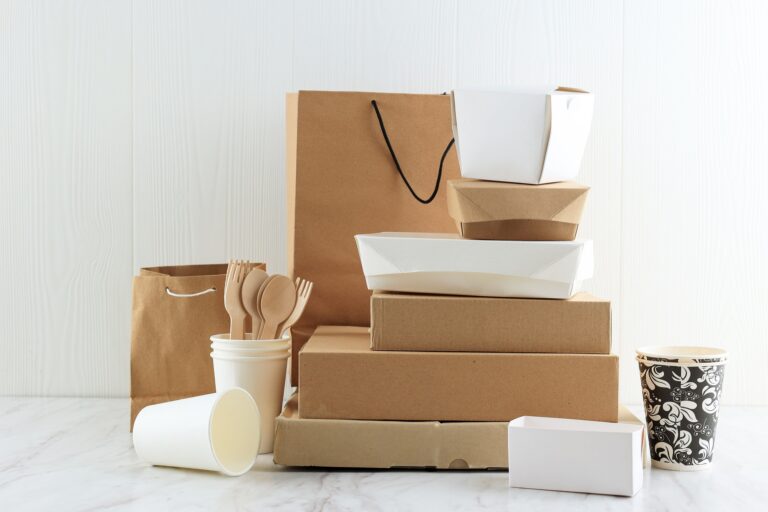
Compostable Bowls for Eco-Friendly Food Packaging
We offer a wide variety of compostable bowls, providing safe, durable, and environmentally friendly food packaging for both hot and cold meals. They're 100% compostable and biodegradable. They're sturdy enough for soups, salads, noodles, and rice, while also being leak-proof and heat-resistant. This helps foodservice businesses reduce plastic waste while maintaining quality and convenience.
Types of Compostable Bowls for Foodservice Packaging
Compostable bowls are available in a wide range of designs and materials to suit soups, salads, desserts, and takeout meals. Durable, leak-resistant, and 100% biodegradable, these bowls are ideal for restaurants, catering, and food delivery services seeking sustainable packaging.
Salad Bowls
Compostable salad bowls are ideal for fresh salads, fruits, and cold meals. Often paired with clear PLA or PET lids, they combine practicality with strong presentation, keeping food fresh while showcasing ingredients.
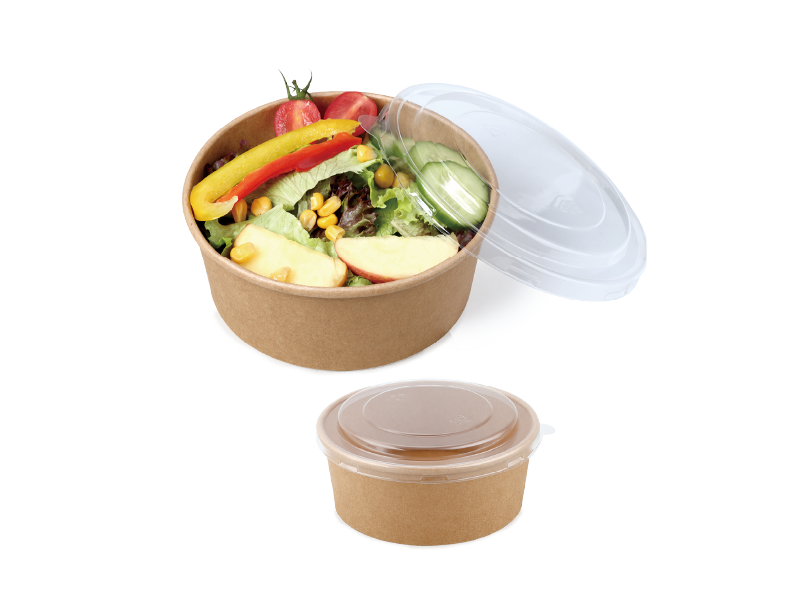
- Top 150mm × Bottom 128mm × H 46mm
- Top 150mm × Bottom 128mm × H 60mm
- Top 150mm × Bottom 128mm × H 73mm
- Top 184mm × Bottom 160mm × H 60mm
- Top 184mm × Bottom 160mm × H 70mm
Burrito Bowls
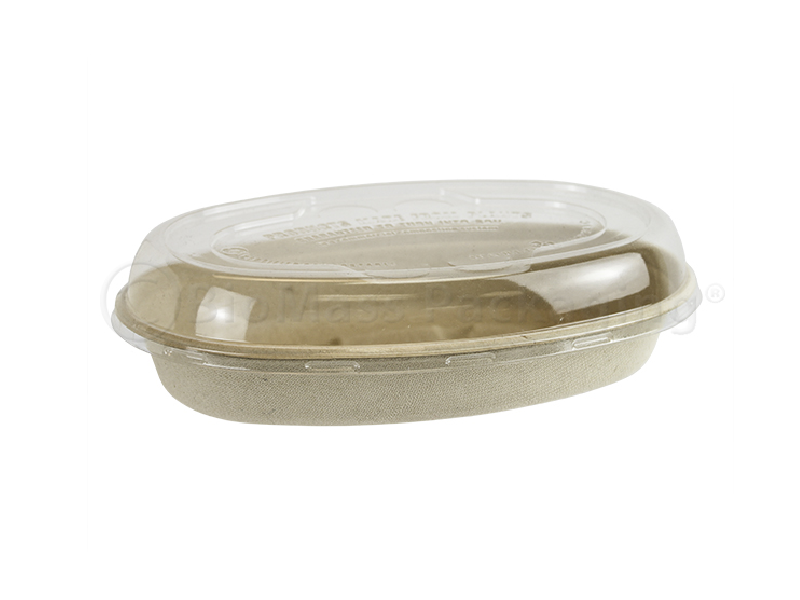
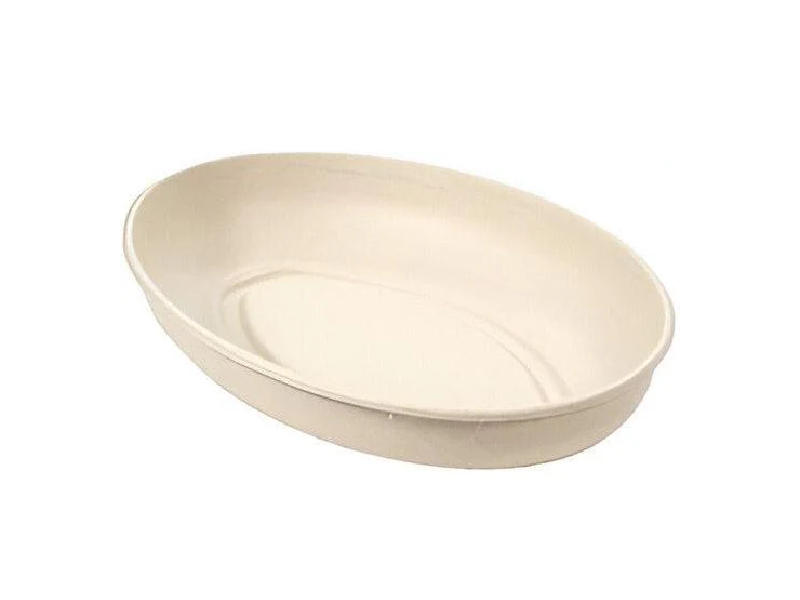
These compostable bowls are designed with depth and strength to hold burritos, rice dishes, and meal combos. Made from bagasse or heavy-duty paperboard, they are leak-resistant and microwave safe, perfect for hot and saucy foods.
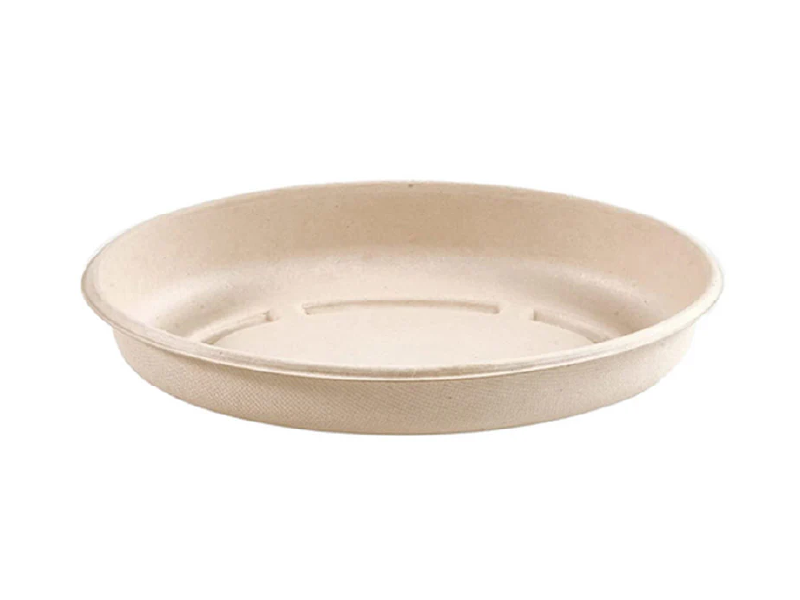
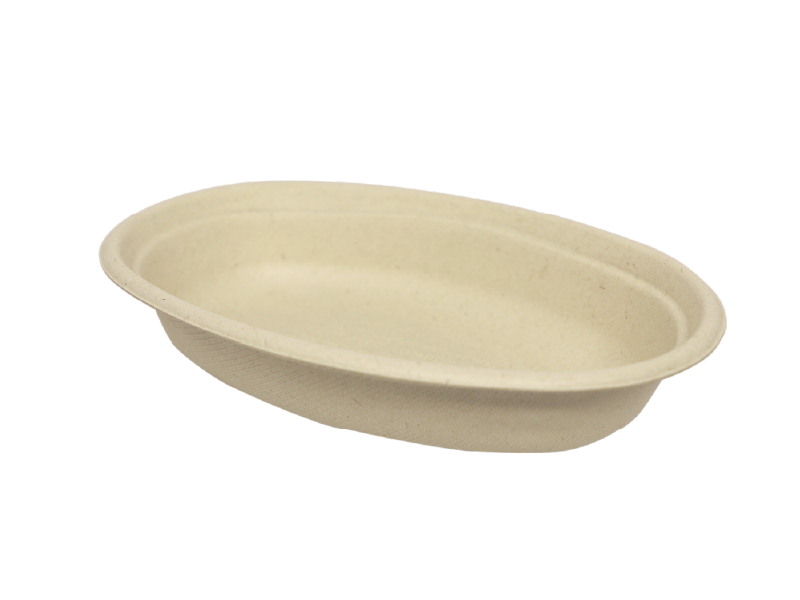
Ice Cream Bowls
Compact and sturdy, compostable ice cream bowls are suited for frozen desserts, yogurt, and toppings. Available in multiple sizes, they maintain shape even with cold and moist foods, ensuring a clean serving experience.

- Top 75mm × Bottom 62mm × H 46mm
- Top 85mm × Bottom 70mm × H 50mm
- Top 95mm × Bottom 80mm × H 53mm
- Top 103mm × Bottom 85mm × H 60mm
- Top 105mm × Bottom 90mm × H 67mm
- Top 105mm × Bottom 85mm × H 75mm
Soup Bowls
Soup bowls are heat-resistant and leak-proof, making them perfect for noodles, broths, and hot stews. Bagasse and coated paperboard materials provide insulation while ensuring safe handling during takeaway.

Disposable Soup Bowls
- Top 90mm × Bottom 77mm × H 61mm
- Top 90mm × Bottom 73mm × H 88mm
- Top 96mm × Bottom 78mm × H 93mm
- Top 98mm × Bottom 75mm × H 105mm
- Top 118mm × Bottom 85mm × H 91mm
- Top 118mm × Bottom 93mm × H 111mm
- Top 118mm × Bottom 93mm × H 133mm

Bagasse Sopu Cup
- Top 90mm × Bottom 77mm × H 61mm
- Top 90mm × Bottom 73mm × H 88mm
- Top 96mm × Bottom 78mm × H 93mm
- Top 98mm × Bottom 75mm × H 105mm
- Top 118mm × Bottom 85mm × H 91mm
- Top 118mm × Bottom 93mm × H 111mm
- Top 118mm × Bottom 93mm × H 133mm


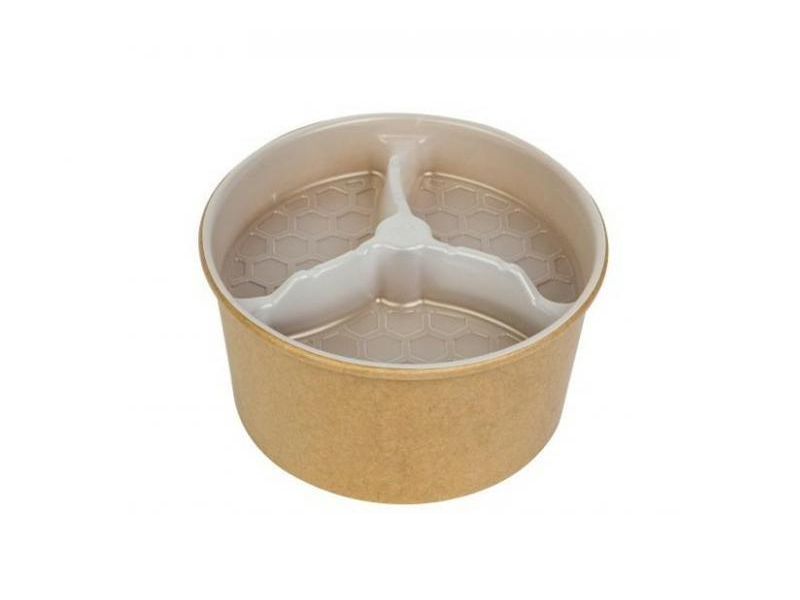
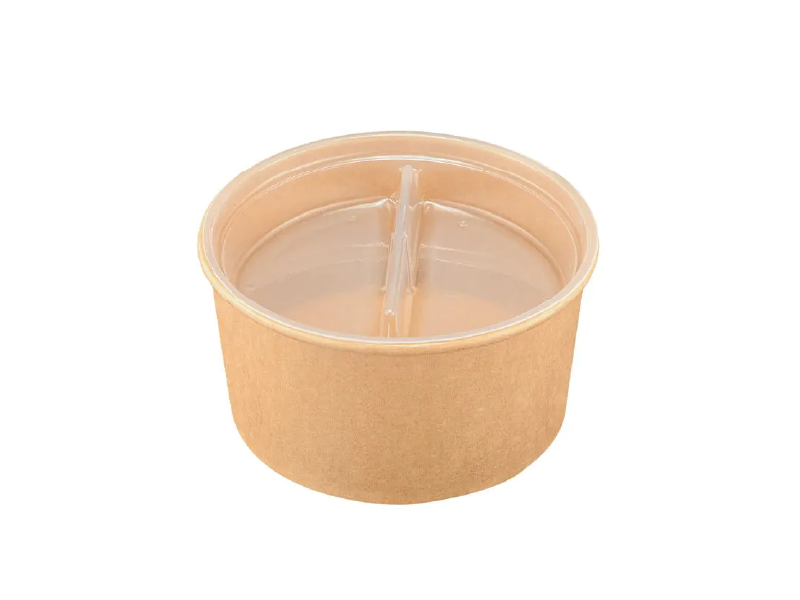
Multi-Compartment Bowls
Designed with divided sections, multi-compartment bowls allow different food items to be served in one container without mixing. Ideal for combo meals, catering, and takeout, they are sturdy, eco-friendly, and convenient for portion control.
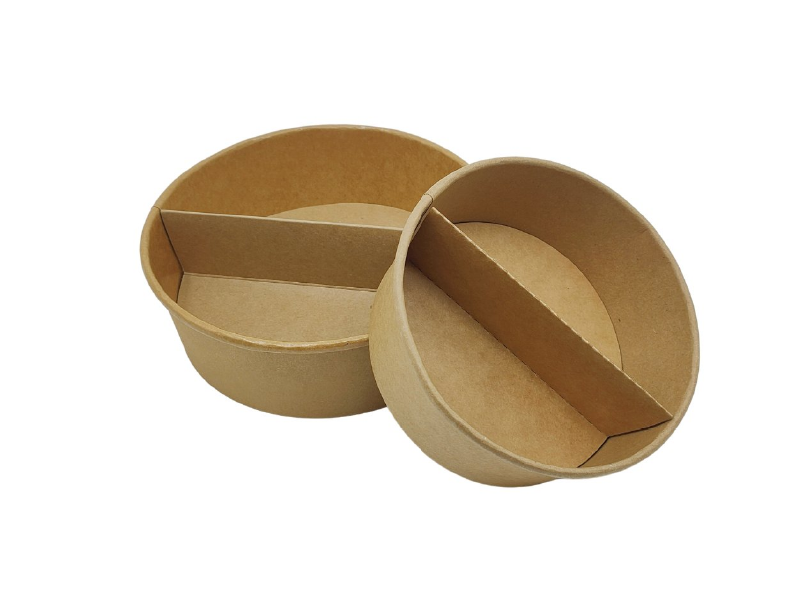
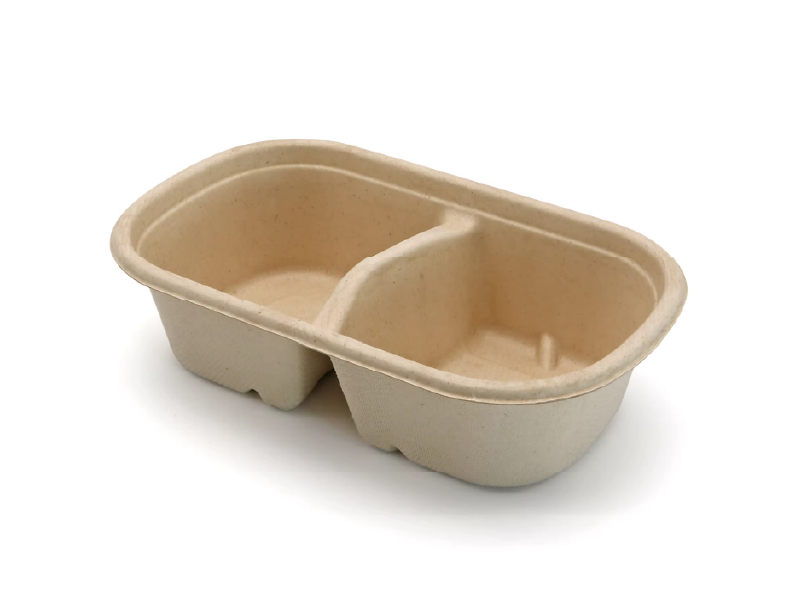
Trusted Manufacturer of Compostable Bowls
With more than two decades in sustainable food packaging, we specialize in producing high-quality compostable bowls for restaurants, catering, and food delivery services. Our strengths lie in advanced design, strict quality control, and full customization options, ensuring each product is both durable and eco-friendly. Recognized by clients worldwide, our compostable bowls meet international standards for safety, sustainability, and performance, helping businesses reduce their environmental footprint while maintaining reliable food service.
Compostable Bowls Material Options
Compostable bowls are designed with sustainability and functionality in mind, using natural and renewable materials that provide strength, safety, and eco-friendly benefits. Each option provides unique benefits for food packaging, helping businesses balance durability, safety, and environmental responsibility.
Sugarcane Bagasse
Made from the natural fiber left after extracting juice from sugarcane. Bagasse is 100% biodegradable and compostable, offering excellent heat resistance and grease-proof properties. It is widely used for soup bowls, salad bowls, and multi-compartment bowls.
PLA (Polylactic Acid)
A plant-based material derived from corn starch and other renewable sources. PLA is compostable under industrial conditions and is often used as a lining for bowls to improve leak resistance. It is suitable for cold foods and beverages.
CPLA (Crystallized PLA)
A heat-resistant form of PLA, commonly applied in lids and hot food bowls. It provides greater durability and temperature tolerance while remaining compostable.
Kraft Paper
Strong, recyclable, and lightweight, kraft paper is often used for compostable salad bowls and takeout containers. With a PLA or PE coating, it provides additional oil and moisture resistance.
Bamboo Fiber
Bamboo is a rapidly renewable resource. When processed into fiber, it becomes a sturdy, compostable option for bowls. Bamboo bowls are durable, natural-looking, and biodegradable, making them popular in eco-conscious food packaging.
Tips for Choosing a Compostable Bowl
Understanding the Materials
To choose the right compostable bowl, you must first understand the material it’s made from. Each material offers different levels of heat resistance, moisture protection, and environmental performance. Some are more suited for hot foods, while others perform better with cold or dry items. Knowing these material differences helps ensure the bowl fits your specific needs and truly supports sustainability.
Disposal Methods
Disposal matters just as much as the material itself. Some compostable bowls need industrial facilities to break down, while others can decompose in a backyard compost bin. If your local composting infrastructure is limited, choosing home-compostable products ensures your effort doesn’t go to waste. Always check labels or certifications to match the bowl’s end-of-life process with your disposal options.
Durability and Strength
A compostable bowl must be strong enough to handle its contents without leaking or collapsing. Durability depends on thickness, design, and resistance to heat or moisture. Bowls used for hot soups or oily foods should be firm and resistant to softening. Flimsy products compromise both user experience and sustainability goals.
Size and Capacity
The bowl’s size should match your intended portion. Too small, and you risk spills; too large, and you waste material. From small sides to full meals, choosing the right volume improves presentation and reduces unnecessary waste. Depth and shape also affect usability, especially for stacked serving or takeout.
Intended Use
How you plan to use the bowl should guide your selection. Bowls for events need to look good and stack well; for restaurants, performance and safety are key. Hot foods need heat resistance, while delivery requires spill-proof options. Aligning the bowl’s function with your use case ensures both practicality and sustainability.
Health and Safety
Even compostable bowls should meet food safety standards. Look for certifications that confirm they’re free from toxic chemicals like BPA or PFAS. Safe materials won’t leach into food, even when heated. A truly eco-friendly bowl must be safe for both the planet and people.
Compostable vs. Plastic Bowls
| Feature | Compostable Bowls | Plastic Bowls |
|---|---|---|
| Environmental impact | Made from renewable materials; compostable; lower CO₂ | Derived from fossil fuels; persistent pollution |
| End of life | Breaks down into soil under compost conditions | Lasts centuries; contributes to landfill and oceans |
| Temperature resistance | Varies: fiber strong under heat; PLA may soften | Generally good resistance; varies by plastic type |
| Certifications | Certified compostable (BPI, OK Compost, etc.) | Rarely certified for composting |
| Disposal options | Industrial compost, some home compost | Recycling (if accepted), otherwise landfill |
| Cost | Slightly higher per unit | Generally cheaper |
| Aesthetic variety | Natural look; fiber/grain textures | Wide range of colors and finishes |
| Public perception | Viewed as eco‑friendly | Often considered single‑use waste |
Best Use Case Scenarios
When deciding how to choose compostable bowls, thinking through where and how they’ll be used helps narrow choices:
- Food trucks and street vendors: lightweight, robust bowls with leak-resistant lids minimize spillage during transport; fiber bowls are excellent here.
- Meal delivery / take-out: bowls that seal well, resist leakage, and withstand stacking and transport are critical; a fiber bowl plus secure lid, with labeling for disposal instructions, works best.
- Quick-service restaurants (QSRs) indoors: medium-sized bowls for salads or sides—PLA bowls are suitable for cold foods, while fiber bowls work for hot menu items.
- Outdoor events (picnics, fairs): compostable bowls that can be disposed alongside other organic waste reduce cleanup burden and support event sustainability goals.
Different Types of Compostable Bowls
Not all compostable bowls are the same—understanding the different types ensures you select the right fit for your needs.

Biodegradable Polymer Bowls
These bowls are made from polymers like polylactic acid (PLA) derived from corn or sugarcane. They resemble traditional plastic in appearance and use, but are compostable in industrial settings. Typically, they are clear or white, lightweight, and best suited for cold or room-temperature foods.
Advantages:
- Similar feel to plastic.
- Good for transparent presentation of salads or desserts.
- Generally lightweight and stackable.
Disadvantages:
- Less heat resistant—may soften or warp when used with hot foods.
- Slower to degrade in home compost settings.
- The clear appearance may cause confusion; labeling is essential.

Plant Fiber Bowls
These include bagasse (sugarcane fiber), molded fiber, or wheat straw bowls. They are opaque, earthy in texture, and extremely sturdy.
Advantages:
- Excellent structural integrity—can hold hot, saucy, or heavy foods.
- Good thermal insulation—hands stay cool, contents stay hot.
- Fast breakdown in industrial compost; often suitable for home compost too.
Disadvantages:
- Less transparency—can’t showcase contents visually.
- Slightly heavier.
- Limited decorative finishes—natural appearance dominates.

Paper Bowls
Paper bowls may come coated with either compostable liners or non‑compostable plastic/foil. The compostable variants often use plant‑based or water‑based coatings.
Advantages:
- Affordable and familiar in form.
- Lightweight.
- Broad variety of sizes and prints.
Disadvantages:
- Non‑compostable coatings may look identical—verification is needed.
- Weak structural integrity with hot or wet foods unless reinforced.
- Decomposition depends heavily on liner type and composting method.

Traditional Plastic Bowls
Made from polypropylene or polystyrene, these are durable, flexible, and mass-produced. These resin-based bowls are not compostable and remain in landfills or as litter for decades to centuries.
Advantages:
- Very strong and heat-resistant.
- Cheaper than most compostable options.
- Reusable in many cases.
Disadvantages:
- Derived from fossil fuels.
- Non-biodegradable; persistent environmental pollutants.
- Recycling streams often clogged, with low recycling rates.

Aluminum Bowls
Though not compostable, they are fully recyclable and sometimes offered as an eco alternative to plastic.
Advantages:
- Strong and heat-resistant.
- Recyclable endlessly.
- Can be reused or melted down.
Disadvantages:
- Mining and production have significant environmental costs.
- Many recycling programs still don’t accept small items.
- Not compostable.
Why Choose Million Pack’s Eco-Friendly Bowls?
Million Pack has emerged as a top-tier provider of compostable bowls, combining innovation, functionality, and sustainability.
Customization Services
Million Pack allows customers to tailor their orders:
- Logo printing
- Custom sizes and depths
- Unique color tones (with natural dyes only)
Leakproof Design, Safe Shipping
Their bowls are engineered with:
- Reinforced rims
- Water and grease resistance
- Protective packaging for bulk shipping
Flexible Minimum Order Quantity
Whether you're an individual ordering for a home event or a restaurant stocking up, Million Pack offers:
- Low minimum order quantities (MOQs) for small businesses
- Bulk discounts for high-volume clients
Safety Certifications
Million Pack products are tested and certified:
- BPI Certified
- TÜV Austria Certified
- FDA Approved for Food Contact
- ASTM D6400 Compliant
Heat and Cold Resistance
Their bowls are engineered to handle extremes:
- Up to 220°F for hot meals
- Freezer safe down to 20°F
Strength and Durability
Thanks to proprietary molding technology, Million Pack bowls:
- Resist deformation under weight
- Handle sauces, gravies, and soups without softening
- Maintain structure even with extended holding times
FAQs
Typically, compostable bowls decompose in 90–180 days in industrial composting. Home composting may take slightly longer, depending on the material.
Yes—but choose bagasse or palm leaf bowls. Avoid PLA-based bowls as they can melt or warp.
Certified compostable bowls are leak-proof and odor-free when used correctly. Improper storage or low-quality products may cause issues.
Store in a cool, dry place, away from direct sunlight. Keep them sealed to prevent moisture absorption.
Quick Quote or Free Sample
Experience Million Pack’s premium packaging with a free sample. Get a customized quote designed for your business needs.