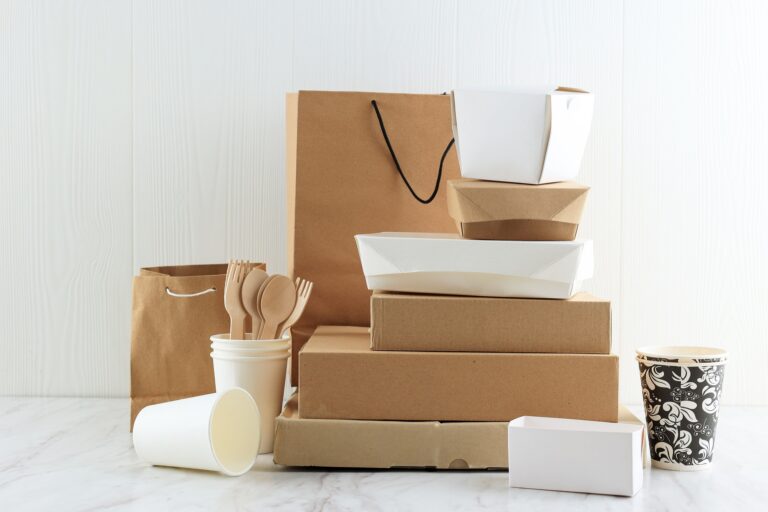
Takeout Boxes for Hot and Cold Foods
Takeout boxes are designed for secure and convenient food packaging in restaurants, catering, and delivery services. Available in various materials including paperboard, bagasse, and PP, these boxes are leak-resistant, heat-safe, and suitable for hot and cold meals. Options include clamshell, foldable, and compartment styles to meet different serving needs.
Takeout Boxes – Wide Range of Packaging for Every Food Service Need
A full selection of takeout boxes for restaurants, catering, and food delivery. Available in various materials and styles.
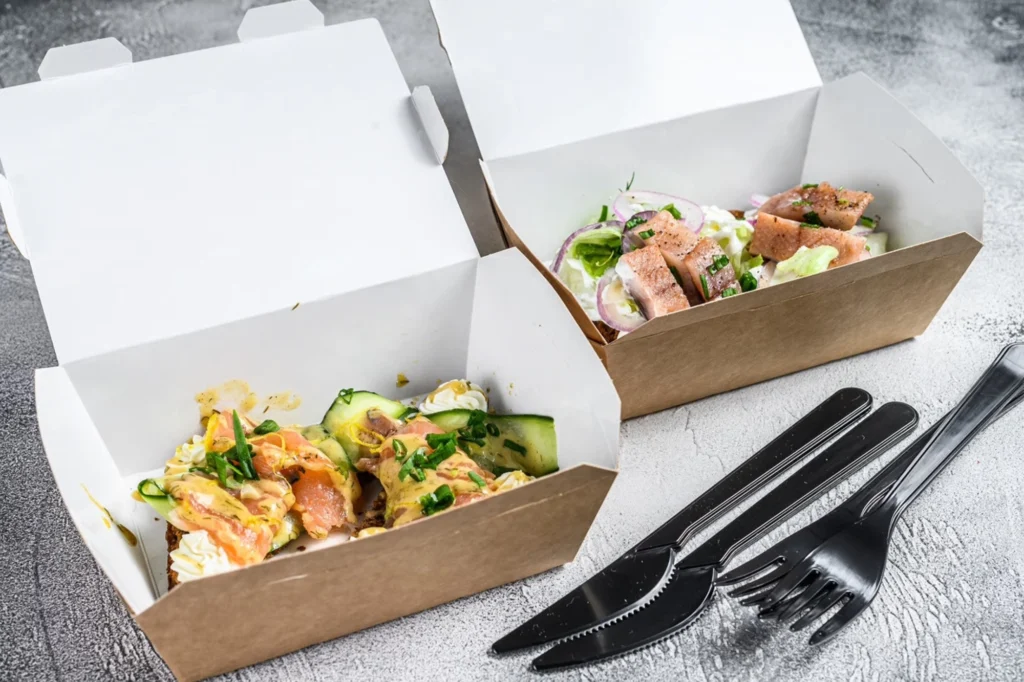
Salad Box
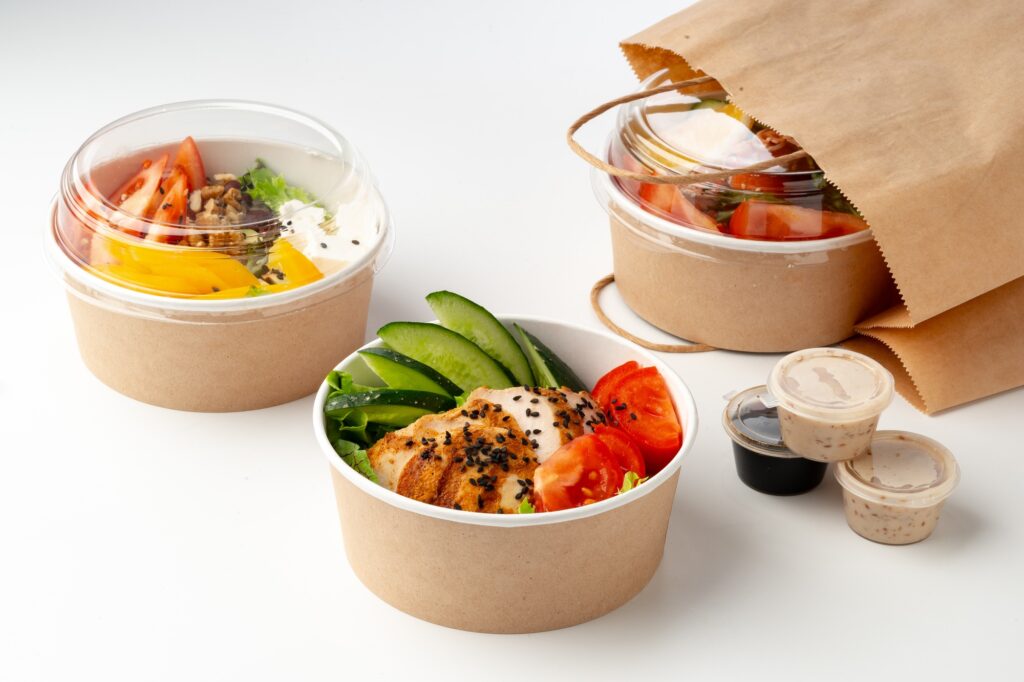
Salad boxes are typically made from kraft paper or clear PET with secure lids to keep fresh ingredients crisp. They are leak-resistant and ideal for cold salads, pasta salads, and fruit mixes.
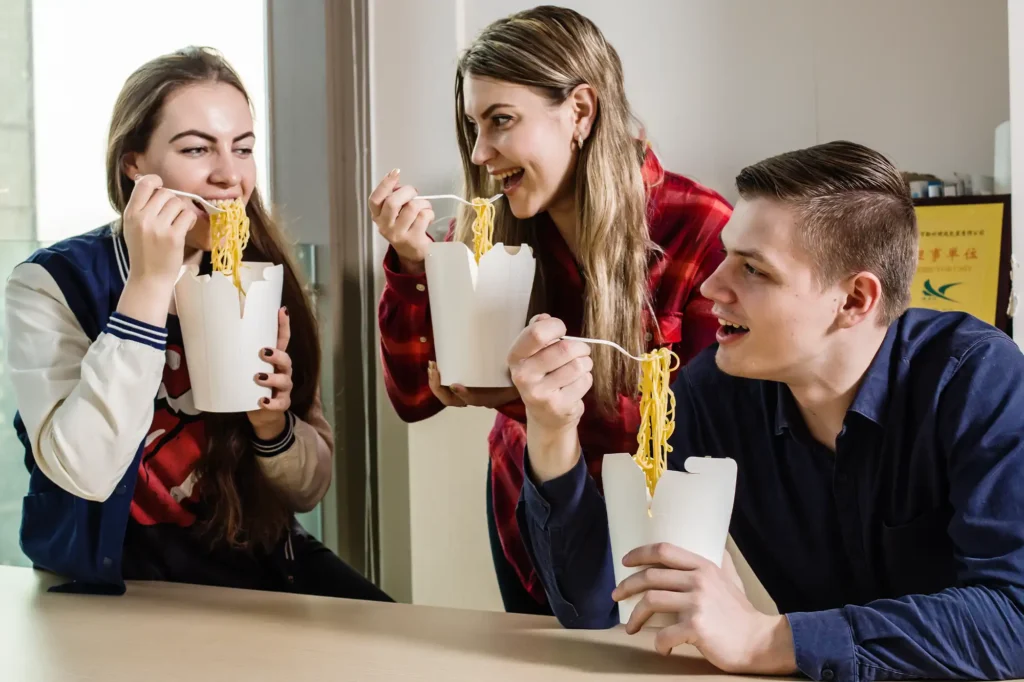
Noodle Box
Noodle boxes are super handy for take-out meals. They hold hot food well, don’t leak easily, and are great for noodles, fried rice, or anything saucy that needs to stay warm on the way home.
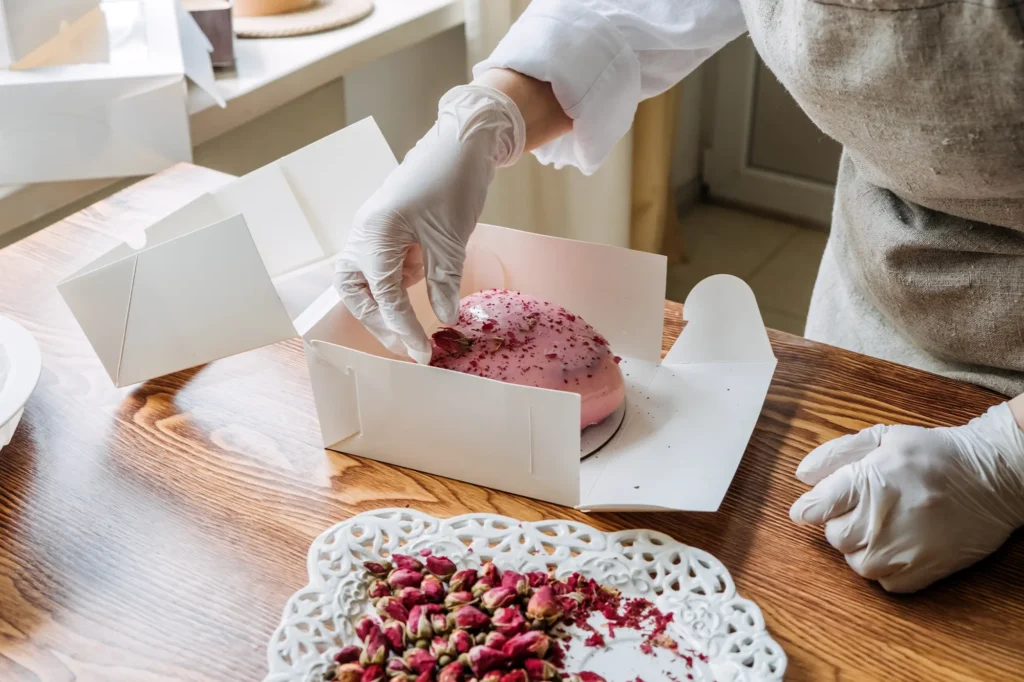
Cake Box
Cake boxes are made from durable food-grade paperboard with reinforced corners for stability. They keep cakes, pastries, and desserts safe during transport.
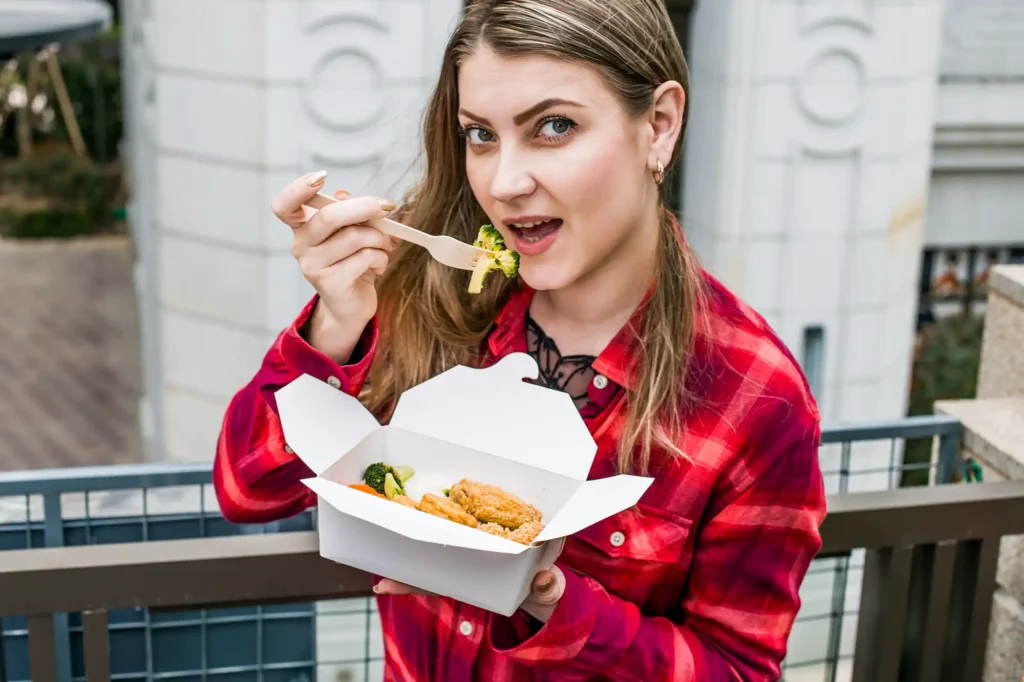
Cube Box
Cube boxes are versatile containers suitable for various small food portions or snacks. Their compact shape maximizes storage and stacking efficiency.
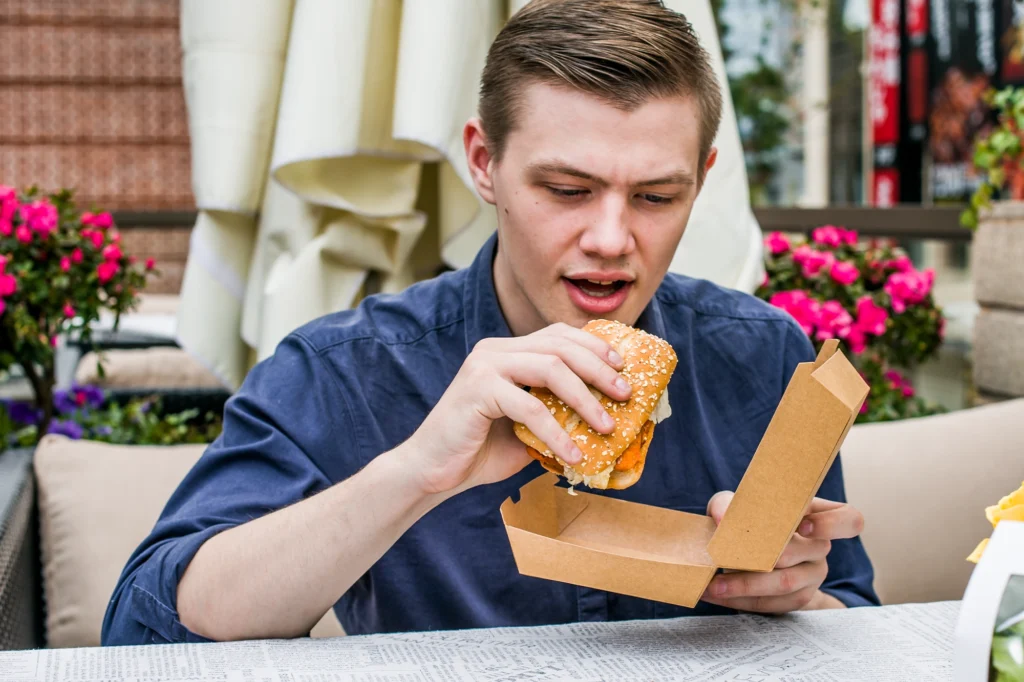
Hamburger Box
Hamburger boxes are usually made from kraft or bagasse with a clamshell design to keep burgers warm and intact. Grease-resistant lining prevents leaks.
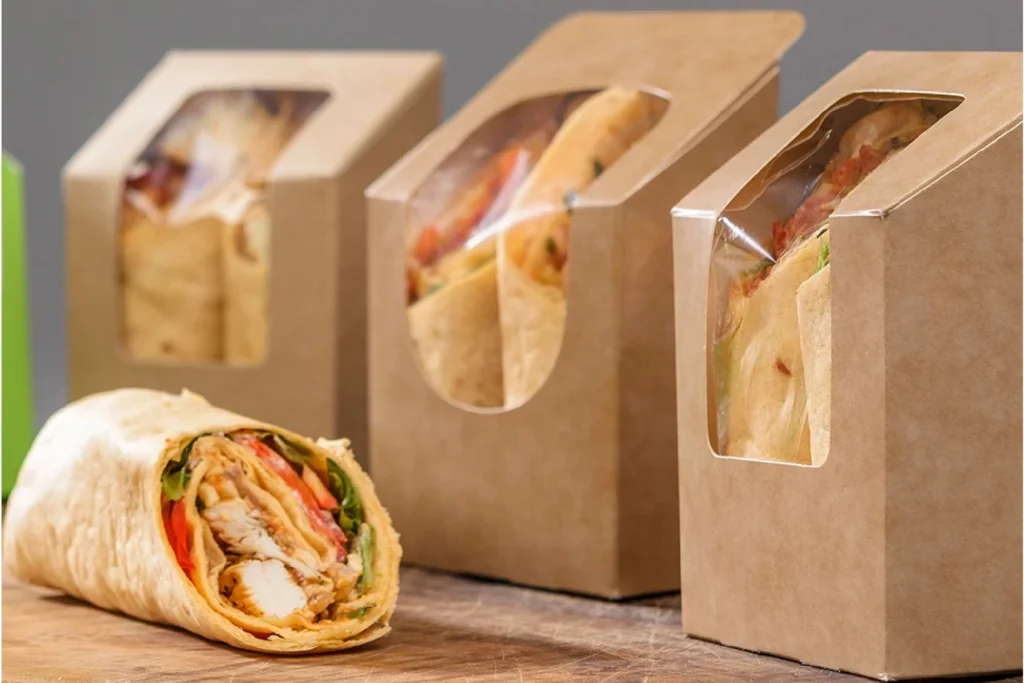
Chicken Wrap Box
Designed to fit wraps, burritos, or rolls, chicken wrap boxes offer easy handling and secure closure. Vent holes help maintain freshness.
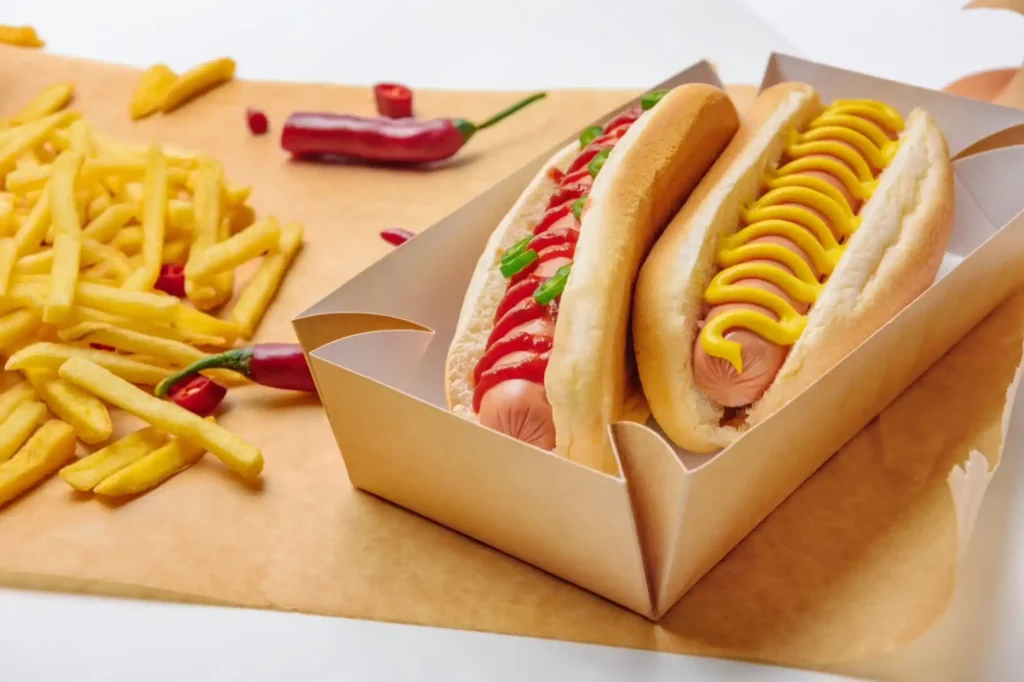
Hot Dog Box
Hot dog boxes provide a long, narrow container to hold hot dogs or subs without mess. Made from paperboard or bagasse, they resist grease and keep food stable.
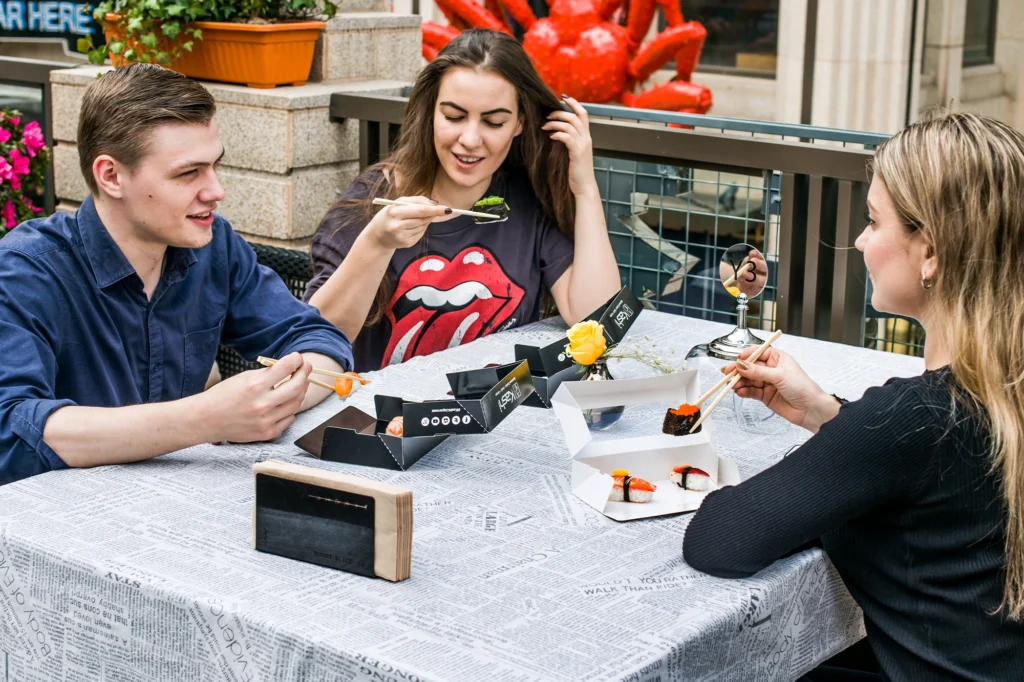
Sushi Box
Sushi boxes often feature a clear PET lid for product visibility and freshness. Leak-resistant and odor-proof, they are perfect for takeaway sushi sets.

Sandwich Box
These boxes keep sandwiches looking neat and easy to carry. They show the food clearly and hold their shape, which makes them perfect for cafés and bakeries that want simple, clean packaging.

Pizza Box
Our pizza boxes are built to survive delivery. They keep heat in, stay firm, and work for anything from a whole pizza to single slices or combo sets. Simple, reliable, and made for busy kitchens.
Trusted Supplier of High-Quality Takeout Boxes for Global Food Service
With over two decades of experience in food packaging manufacturing, we specialize in producing durable, eco-friendly takeout boxes for restaurants, catering, and food delivery services worldwide. Our one-stop solution covers product design, material selection, customization, quality control, and global shipping, ensuring every order meets the highest standards. Supplying a wide variety of styles and sizes, we help foodservice businesses deliver meals securely, maintain freshness, and promote their brand with professional packaging solutions.
Takeout Boxes Material Options
Takeout boxes are available in a variety of materials to suit different foodservice needs, from hot meals to cold dishes. Choosing the right material ensures durability, food safety, and sustainability.
Kraft Paper
Sturdy and recyclable, kraft paper is a popular choice for eco-friendly takeout boxes. It offers natural grease resistance and can be coated with PE or PLA for improved moisture and oil protection.
Paperboard
Lightweight yet strong, paperboard is ideal for bakery, dessert, and light meal packaging. It can be laminated or coated to enhance performance and print quality.
Sugarcane Bagasse
Made from the fiber left after extracting juice from sugarcane, bagasse is 100% compostable and biodegradable. It is heat-resistant, grease-proof, and suitable for both hot and cold foods.
Corrugated Paper
Offers extra strength and insulation for heavier food items or deliveries requiring added protection. Commonly used for pizza boxes and large meal packaging.
PP (Polypropylene)
A heat-resistant, microwave-safe plastic often used for compartment takeout boxes and containers requiring reusability. It is lightweight, durable, and recyclable.
Aluminum Foil Laminated Board
Combines paperboard strength with aluminum’s heat-retaining properties. Suitable for baked goods, grilled foods, and oven-ready packaging.
Best Takeout Food Service Containers
When it comes to takeaway and delivery, your food packaging container is the frontline of customer experience. It must retain food quality, survive transportation, and impress at unboxing—all while being cost-effective and compliant with regulations.
Strong Structural Integrity
One of the most critical features for takeout containers is physical durability. Whether stacked in a delivery bag or jostled during transit, containers should not collapse, deform, or leak. Structural failure during delivery leads to negative reviews, loss of brand trust, and increased product waste. Ideal materials include:
- High-density polyethylene (HDPE)
- Polypropylene (PP)
- Reinforced bagasse fiber
- Double-walled cardboard for hot items
Stackability
Restaurants and cloud kitchens require containers that stack securely to save space and ensure organized delivery. Look for lids that interlock or containers with anti-slip textures. This detail makes a significant difference in operational flow and customer satisfaction. Stackable packaging:
- Increases packing efficiency
- Prevents spills and crushing
- Optimizes shelving during prep and storage
Heat Insulation
Maintaining food temperature is essential to mimic the dine-in experience. Insulated containers keep hot food warm and cold food cool, preserving texture and taste. Avoid thin, single-layer plastic or cardboard unless paired with an external sleeve or liner. Recommended choices include:
- Foil-lined containers
- Double-wall paper bowls
- Thermoformed plastics with insulating layers
Ventilation
Fried or baked items like French fries, empanadas, or pastries need breathing room to stay crisp. Ventilation holes prevent condensation buildup, which causes sogginess. Strategic ventilation maintains food integrity without compromising safety or aesthetics. Choose containers with:
- Steam vents in the lid
- Perforated flaps
- Micro-holes on the sides or top
Display Quality
Takeaway containers are now part of your marketing. Use clear lids, printed sleeves, branded stickers, or custom shapes to turn your container into a silent sales agent. Attractive packaging increases customer satisfaction—even before the first bite. Well-designed packaging:
- Encourages social media shares
- Reinforces premium branding
- Differentiates your business in a crowded market
Takeout Container Design Concepts
- Ventilation Design
Strategic venting releases steam without sacrificing heat, ideal for fried or grilled foods. Prevents sogginess while maintaining crisp textures. - Compartmental Design
Separate sections keep textures distinct—crisps stay crisp, salads stay fresh. Depths and layouts tailored to dish composition. - Leak-Proof Design
Secure lid-to-base seals and proper headspace prevent spills. Essential for soups, stews, and saucy dishes in transit. - Tamper-Evident Food Packaging
Built-in breakaway tabs or security seals provide visible proof of safety. Meets delivery platform requirements. - Branding and Visual Design
Clear, consistent branding turns packaging into advertising. Clean layouts and QR codes enhance customer engagement.
Why Container Size Matters in Commercial Foodservice
Portion Control and Food Cost Discipline
The container size subtly influences how much food is served. Too large, and staff tend to overfill, increasing costs; too small, and food is cramped, affecting quality. Correct sizing ensures consistent portions and cost control.
Heat Retention and Texture Preservation
Volume and headspace impact how long food stays at the right temperature. A snug fit retains heat for hot meals, while slight ventilation helps fried items stay crisp. The right size preserves both flavor and texture.
Presentation and Perceived Value
A dish that “fits” its container looks intentional and premium. Oversized boxes make portions look small, while undersized ones feel cramped. Balanced sizing enhances customer perception of freshness and quality.
Stackability and Delivery Efficiency
Uniform footprints stack securely, reducing damage during transport. This also speeds up packing, optimizes bag space, and improves courier capacity, especially for high-volume delivery operations.
Waste Minimization and Sustainability
Oversized packaging wastes materials and creates unnecessary trash for customers. Right-sizing reduces environmental impact, lowers material costs, and supports eco-friendly brand positioning.
Customer Satisfaction and Repeat Orders
When food arrives in perfect condition, customers notice. Proper container sizing minimizes leaks, sogginess, and squashing, leading to better reviews and repeat business.
Factors to Consider When Choosing Takeout Container Materials
Food Type and Temperature
Match the container to the menu item’s heat, moisture, and texture needs. Hot soups require insulated, leak-proof designs; crispy foods benefit from vented lids; cold salads and desserts perform well in clear PET or sturdy paperboard.
Environmental Impact
Opt for materials that align with sustainability goals, such as compostable bagasse or recyclable PP. Use clear disposal instructions to ensure customers handle packaging responsibly and avoid contaminating recycling streams.
Food Type and Temperature
Match the container to the menu item’s heat, moisture, and texture needs. Hot soups require insulated, leak-proof designs; crispy foods benefit from vented lids; cold salads and desserts perform well in clear PET or sturdy paperboard.
Environmental Impact
Opt for materials that align with sustainability goals, such as compostable bagasse or recyclable PP. Use clear disposal instructions to ensure customers handle packaging responsibly and avoid contaminating recycling streams.
Cost and Customer Perception
Balance unit cost with brand image. Sturdy, well-designed containers boost perceived food value and reduce complaints, while cheap, flimsy packaging can hurt repeat business and ratings.
Regulatory Compliance
Ensure materials are food-safe and comply with local laws on plastics, coatings, and compostability claims. Stay informed on municipal bans to avoid sudden operational disruptions.
Types of Takeout Boxes for Food Packaging
Available in a variety of materials and styles, including folding, clamshell, compartmentalized, window, and microwave-safe, all designed for convenience, durability, and food transport safety.
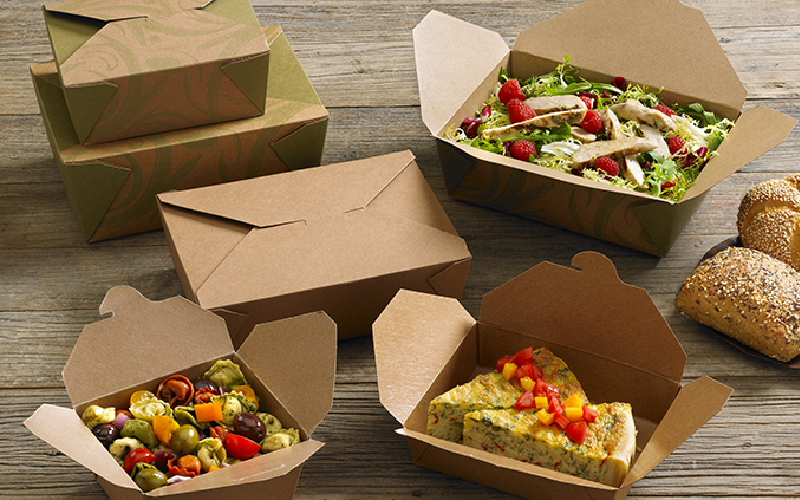
Fold-Top Takeout Boxes
Fold-top takeout boxes feature a secure closure that helps retain heat and prevent leaks. Commonly made from kraft paper or coated paperboard, they are suitable for noodles, rice, pasta, and mixed meals. Grease- and moisture-resistant options are available for saucy dishes.
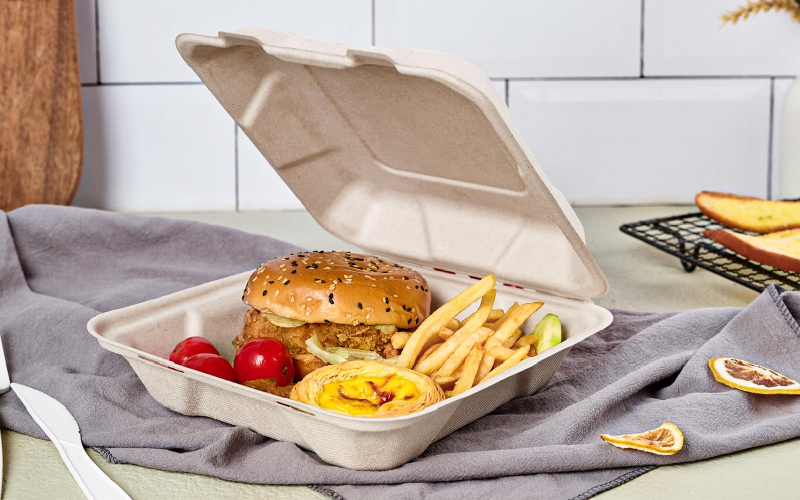
Clamshell Takeout Boxes
Clamshell designs provide easy one-piece construction with hinged lids for quick packaging. Available in sugarcane bagasse, kraft paper, or recyclable plastic, these boxes are ideal for burgers, sandwiches, and hot snacks.
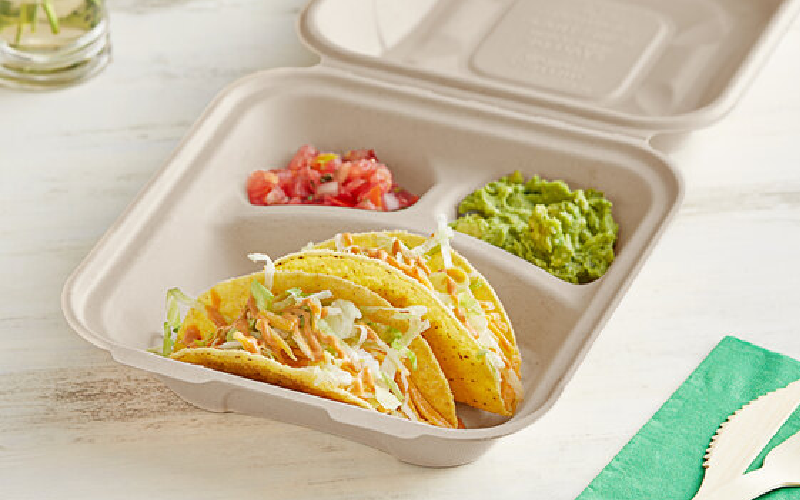
Compartment Takeout Boxes
Designed with multiple sections to separate main courses from sides or sauces, compartment boxes keep flavors and textures intact. Perfect for combo meals, lunch boxes, and catering services. Available in molded pulp, PP, or paperboard.
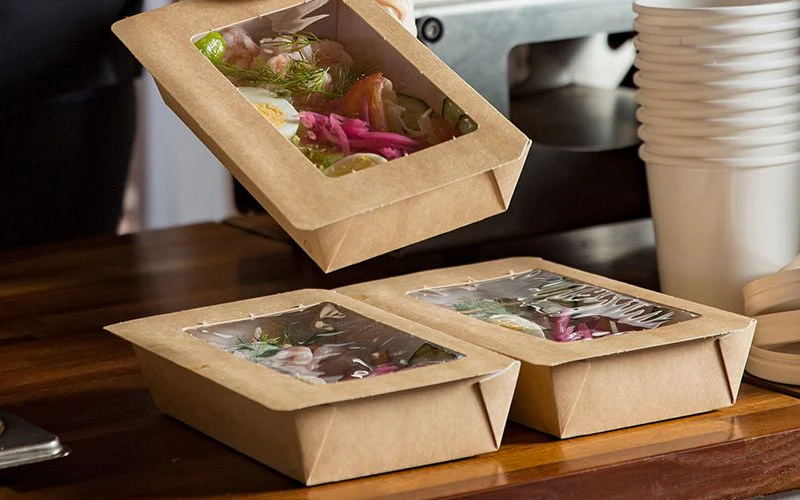
Window Takeout Boxes
Window boxes include a clear top panel to showcase food while keeping it secure. Often used for baked goods, salads, or cold dishes, they are made from kraft or white paperboard with a PET or PLA window.
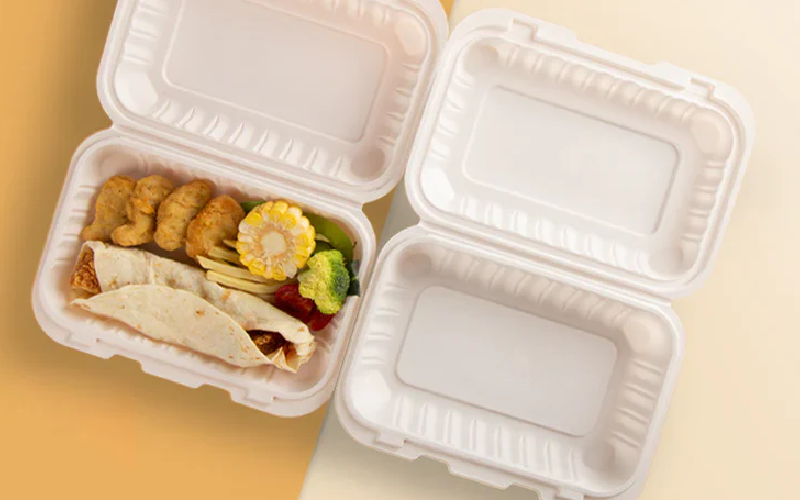
Microwave-Safe Takeout Boxes
Made from heat-resistant PP or coated paperboard, microwave-safe boxes allow reheating without transferring food to another container. Ideal for meal prep services, leftovers, and ready-to-eat dishes.
Customized Takeout Containers
If you need packaging that fits your dishes and brand precisely, we provide end-to-end customization services designed for food businesses of every size. Here is what our custom program covers:
Materials and Formats
Offer PP, PET/rPET, paperboard, bagasse, bamboo, and aluminum in bowls, clamshells, trays, and specialty shapes. Choose based on heat, moisture, and sustainability needs.
Shapes, Sizes, and Tooling
From standard footprints to custom molds, we match depths, diameters, and profiles to your menu. 3D prototypes ensure functionality before production.
Printing and Finishes
Custom logos, colors, and finishes—matte, gloss, or kraft—with food-safe inks. Options include embossing, debossing, and heat-resistant graphics.
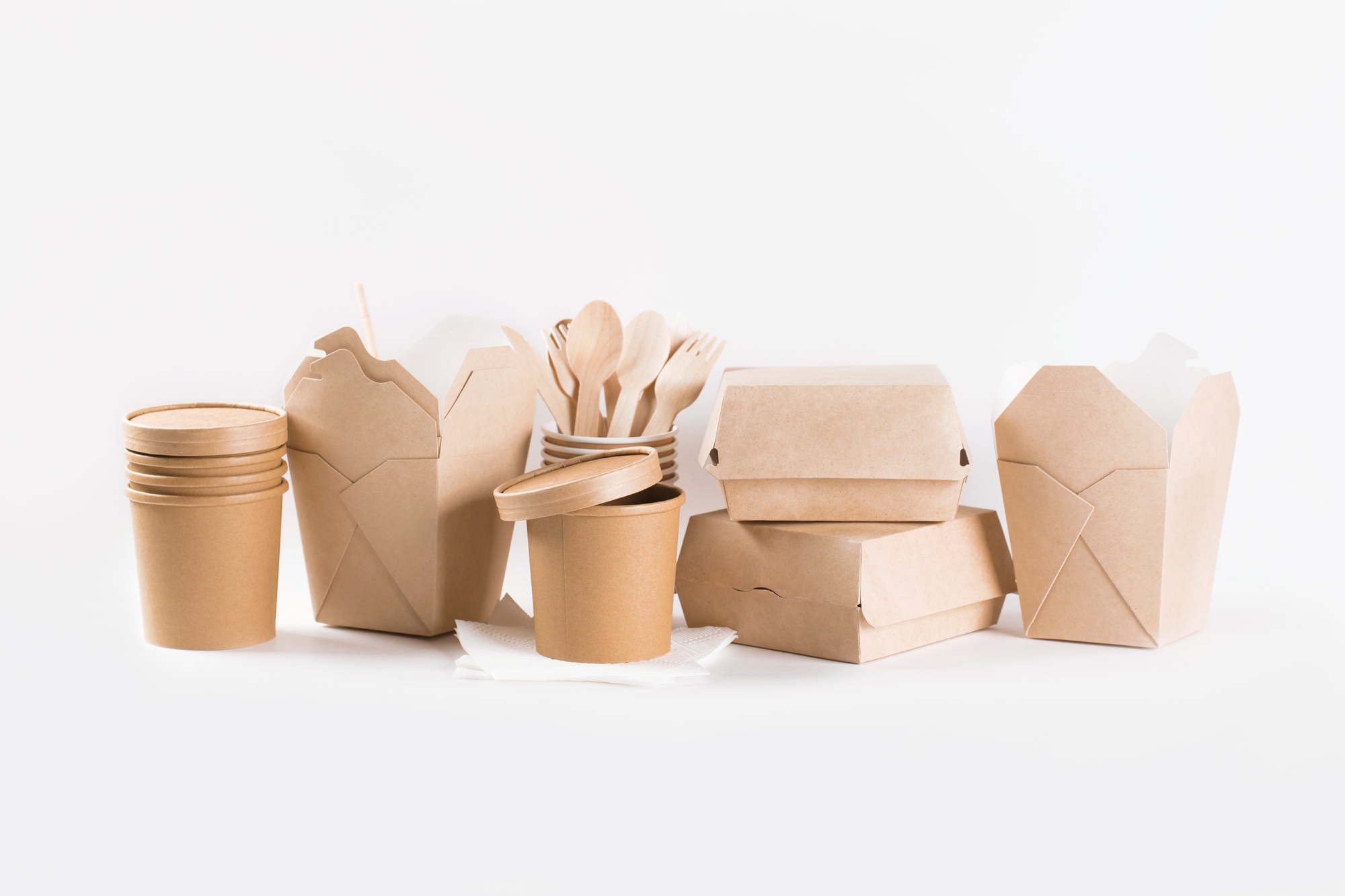
Functional Enhancements
Add vents, compartments, leak-proof seals, or tamper-evident features. Design choices support food integrity from kitchen to customer.
Sampling, MOQs, and Timelines
Quick sample turnaround with flexible order quantities. Production timelines tailored to complexity and volume.
Design Support and Artwork Services
Provide dielines, brand integration, and compliance-ready on-pack information for disposal and handling.
Benefits of Wholesale Takeout Containers for Food Businesses
Wholesale purchasing isn’t just about lower unit cost; it’s a strategic lever for consistency, speed, and brand control. The benefits vary by operator type:
-
Independent restaurants and cafes - Price stability and predictable margins via contract pricing.
- Fewer stockouts with guaranteed allocations during peak seasons.
- Professional-grade packaging that differentiates you from generic retail options.
- Access to a curated size set that eliminates guesswork and saves labor. -
Ghost kitchens and virtual brands - Space-efficient packaging programs optimized for racking and courier stacking.
- Tamper-evident solutions that reduce platform disputes and refunds.
- Smart labeling and color-coding to sort orders across multiple brands quickly. -
Caterers and event operators - Catering pans and lids that nest tightly, preserving heat for service windows.
- Durable trays that resist flex when transported in bulk.
- Branded belly bands and sleeves for premium event presentation.
-
Food trucks and pop-ups. - Lightweight, quick-assembly packages that minimize service time.
- Two or three standardized containers that cover the entire menu to save space.
- Vent strategies tuned for speed-eaten items like fries and tacos. -
Bakeries and dessert shops - Clear domes and windows to showcase delicate toppings.
- Moisture-barrier boards for pastries and cheesecakes.
- Inserts for cupcakes and macarons to prevent movement. -
Grocery delis and meal prep programs - Label-ready panel areas for nutrition facts and date codes.
- Freezer- and microwave-safe PP lines for heat-and-eat SKUs.
- Stackable rectangles that maximize shelf and case space.
Tips for Proper Use and Maintenance of Takeout Boxes
- Store properly – Keep containers in a cool, dry place off the floor to prevent warping or contamination.
- Organize inventory – Store lids and bases together, clearly labeled by size and type.
- Assemble correctly – Check lid fit at multiple points to prevent leaks.
- Control fill levels – Leave headspace for hot liquids to avoid pressure build-up.
- Orient vents smartly – Position vent holes away from sauces to prevent sogginess.
- Stack strategically – Place heavy, liquid items at the bottom and delicate items on top.
- Label clearly – Include item names, allergen info, and reheating instructions where needed.
- Follow hygiene practices – Handle with clean hands and sanitize the packing area regularly.
- Audit regularly – Perform quarterly shake and drop tests to check durability and seal integrity.
FAQs
Foam or aluminum offers the best heat retention, but biodegradable bagasse is a sustainable alternative.
They can be if coated or lined, but plain paper boxes may not hold liquids well.
Only if labeled microwave-safe; others may release harmful chemicals.
Custom-printed boxes with logos and brand colors increase visibility and recall.
Yes, if you have storage space and consistent usage, as it reduces cost per unit.
Quick Quote or Free Sample
Experience Million Pack’s premium packaging with a free sample. Get a customized quote designed for your business needs.