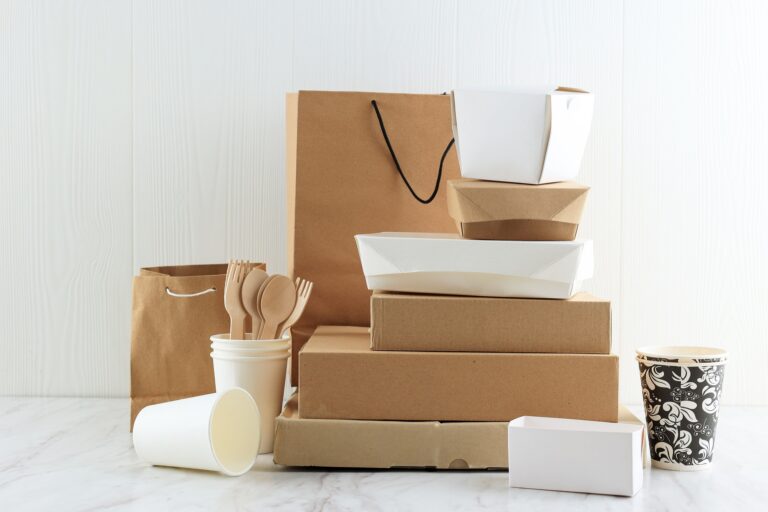
Biodegradable materials are no longer niche alternatives. They are becoming essential in packaging, retail, and product design. As demand grows, so does confusion. What actually makes a material biodegradable? Is it truly eco-friendly in all cases? And how can we identify which materials are reliable and ready for use?
Most products labeled biodegradable are not environmentally safe. Some take years to break down. Others only degrade in industrial composting conditions. Many leave behind microplastics or toxic residue. A material is only truly biodegradable if it comes from renewable sources, breaks down quickly in natural environments, and leaves nothing harmful behind.
This article provides a clear and practical overview of how biodegradability works, which materials actually deliver on their promise, and how businesses can use them effectively. You’ll discover 12 biodegradable materials that are already reshaping sustainable packaging and learn how to choose the right options based on performance, cost, and environmental impact.
What are Biodegradable Materials?
Biodegradable materials are substances that can naturally break down into harmless components like water, carbon dioxide, and organic matter when exposed to the right environmental conditions. This breakdown is driven by microorganisms such as bacteria and fungi, meaning the material essentially “returns to nature” over time without polluting the environment. Unlike traditional plastics that can linger for hundreds of years, biodegradable materials are designed to disappear in months or years.
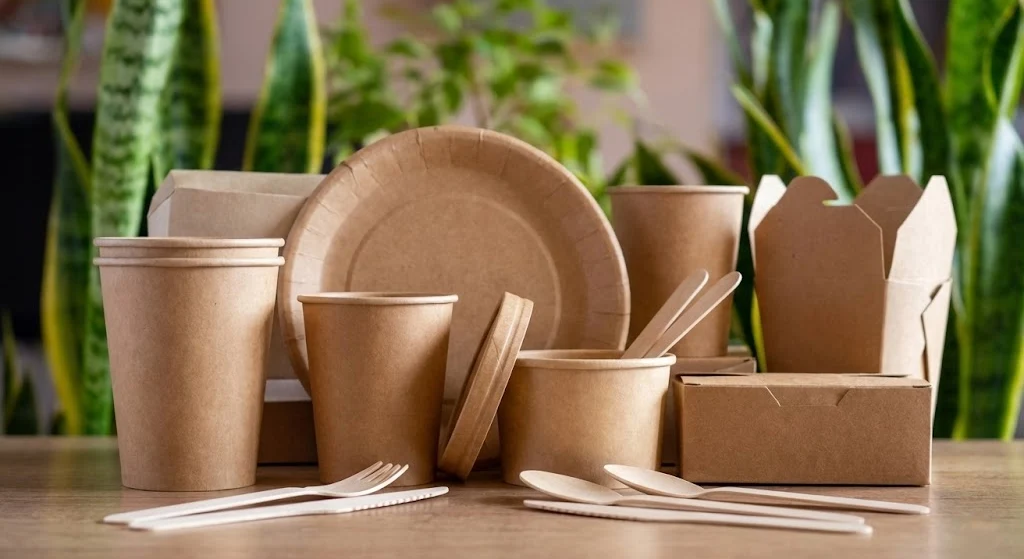
From a technical standpoint, biodegradability refers to the ability of a material to undergo chemical decomposition through biological activity, typically under aerobic (with oxygen) or anaerobic (without oxygen) conditions. The speed and completeness of degradation depend on multiple factors, including molecular structure, environmental exposure, and microbial presence.
To verify if a material is truly biodegradable, it must meet specific standards like ASTM D6400 or EN 13432, which test how fast and safely it decomposes. These standards ensure that the material doesn’t leave behind microplastics or toxic residues.
Are Biodegradable Materials Eco-Friendly?
Biodegradable materials are often described as environmentally friendly, but not all of them truly are. While the term “biodegradable” means a material can be broken down by microorganisms into natural elements like water, carbon dioxide, and organic matter, this process does not always happen quickly or safely.
For example, traditional petroleum-based plastics are technically biodegradable because they eventually decompose over hundreds or even thousands of years. During this prolonged breakdown, they can release toxic substances and form microplastics that persist in ecosystems. As a result, their biodegradability does not translate into environmental sustainability.
In contrast, genuinely eco-friendly biodegradable materials are designed to decompose within a practical time frame, often within weeks or months, and without leaving harmful residues. These materials are commonly made from renewable biological sources such as corn starch, cellulose, or seaweed, and are intended for controlled composting or natural degradation.
To evaluate whether a biodegradable material is truly eco-friendly, several factors should be considered:
- Material source
Is it derived from renewable and responsibly managed resources? - Decomposition conditions
Can it break down in natural environments, or does it rely on industrial composting facilities? - Degradation byproducts
Does it fully decompose without creating microplastics or chemical pollution?
In summary, biodegradability alone does not guarantee environmental benefits. A material can only be considered eco-friendly when its entire life cycle, from raw material sourcing to final decomposition, minimizes harm to the environment.
12 Biodegradable Materials You Should Know and Start Using!
As sustainability becomes a driving force in product innovation, biodegradable materials are increasingly replacing traditional plastics and synthetic fibers across a wide range of industries. The twelve materials featured below represent some of the most promising and impactful eco-friendly alternatives available today. Each one offers distinct advantages, along with certain limitations, that should be carefully considered before large-scale adoption.
1. Sugarcane Fiber
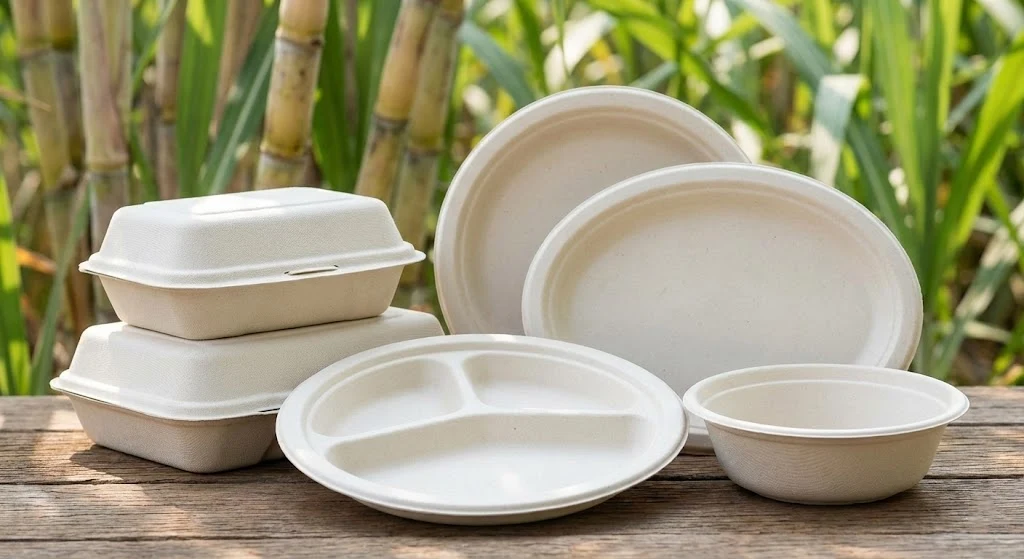
Sugarcane fiber, also called bagasse, is a byproduct from sugar production. After the juice is extracted, the leftover pulp is processed into biodegradable packaging and food containers.
Advantages:
• Comes from agricultural waste, making it highly renewable
• Naturally compostable and lightweight
• Suitable for disposable plates, cups, and trays
Limitations:
• Limited water resistance without additional treatment
• Requires industrial composting for full biodegradation in some cases
2. Bamboo Fiber
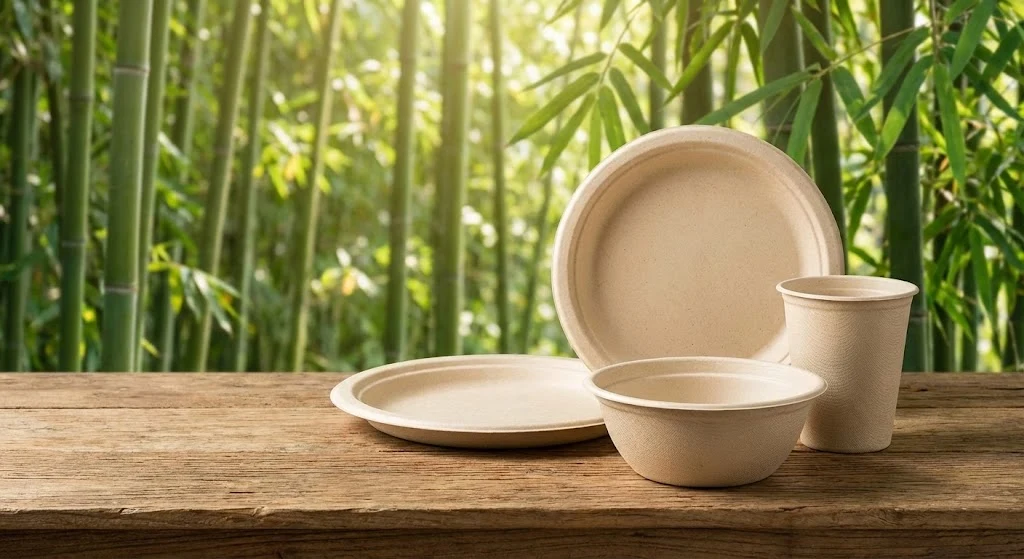
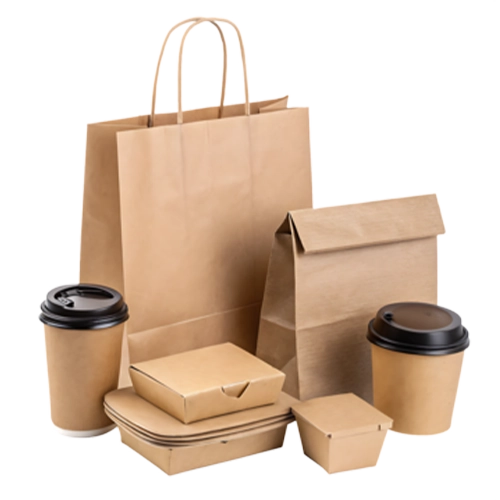
Bamboo fiber is derived from the stalks of bamboo plants, which grow extremely fast and require minimal agricultural input. It is used in textiles, utensils, and biodegradable packaging.
Advantages:
• Rapid growth without pesticides or fertilizers
• Strong and flexible
• Naturally antimicrobial
Limitations:
• Chemical processing may be involved in textile-grade fiber
• Intensive cultivation can impact biodiversity if not well-managed
3. Tea Leaf Fiber
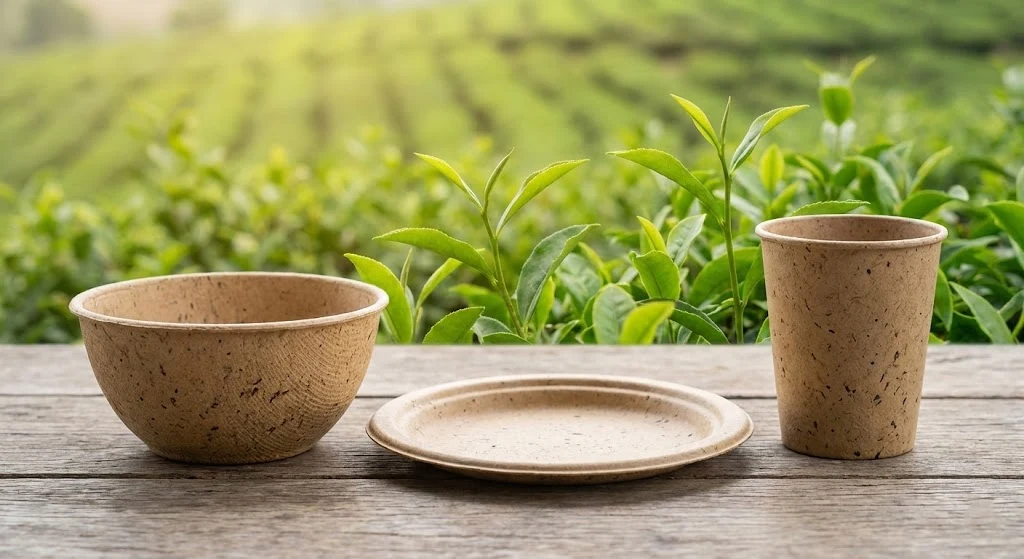
Tea leaf fiber is produced from spent tea leaves collected as food industry waste. These fibers are pressed or processed into biodegradable paper, packaging, or molded goods.
Advantages:
• Utilizes existing waste streams from tea production
• Breaks down naturally in composting environments
• Offers unique texture and natural aesthetics
Limitations:
• Not widely available in commercial markets
• Limited mechanical strength without blending with other fibers
4. Coffee Fiber
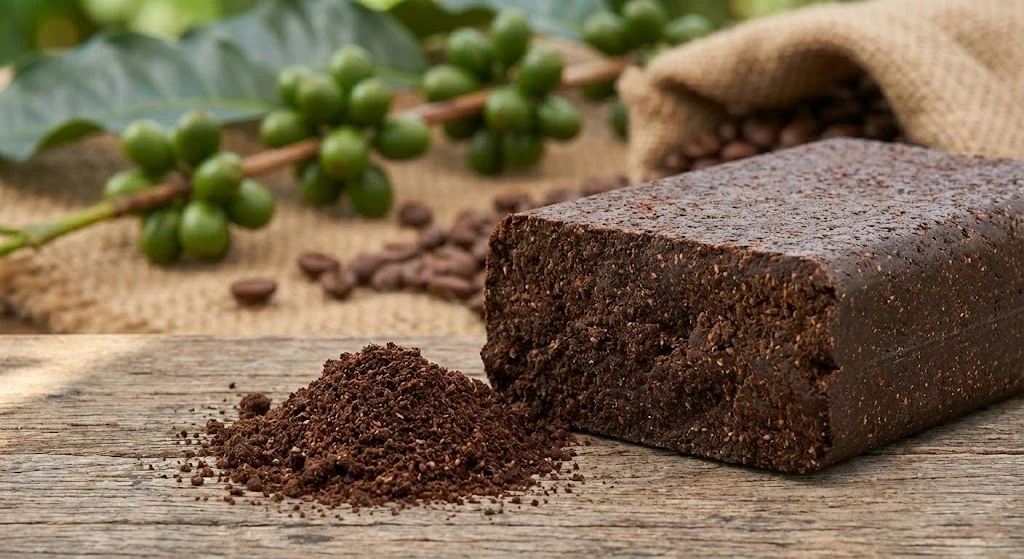
Coffee fiber is made from recycled coffee grounds, often combined with natural binders to create molded packaging, textiles, or composite materials.
Advantages:
• Adds value to post-consumer waste from the coffee industry
• Naturally pigmented and aromatic
• Biodegradable in home compost environments
Limitations:
• Requires additional materials for structural strength
• Production methods are still in development and not yet widely scaled
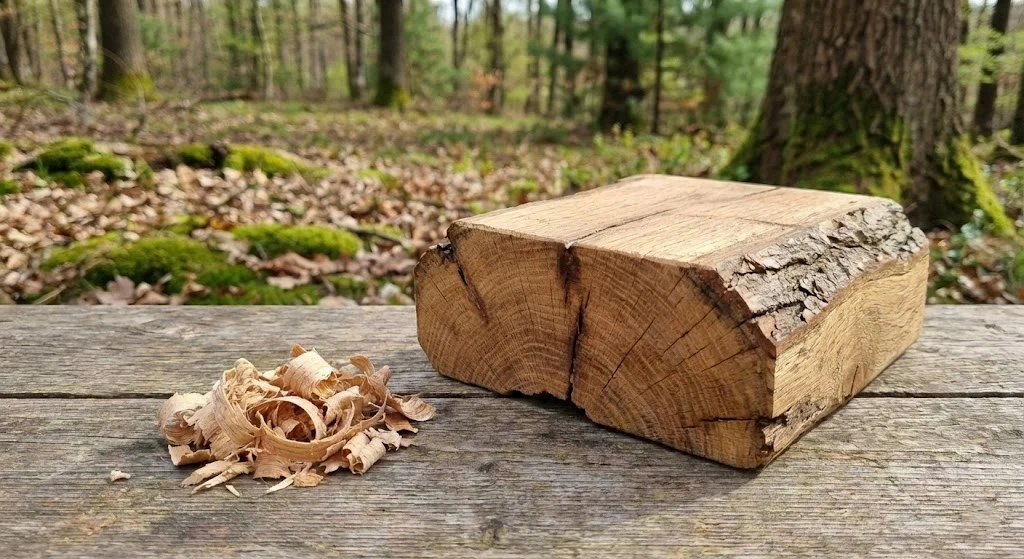
5. Wood
Wood is a naturally biodegradable material used in everything from construction to packaging. When sustainably sourced, it supports long-term ecological balance.
Advantages:
• Strong, versatile, and long-lasting
• Readily biodegradable under natural conditions
• Renewable when harvested responsibly
Limitations:
• Susceptible to decay and pests if untreated
• Unsustainable logging can cause deforestation and habitat loss
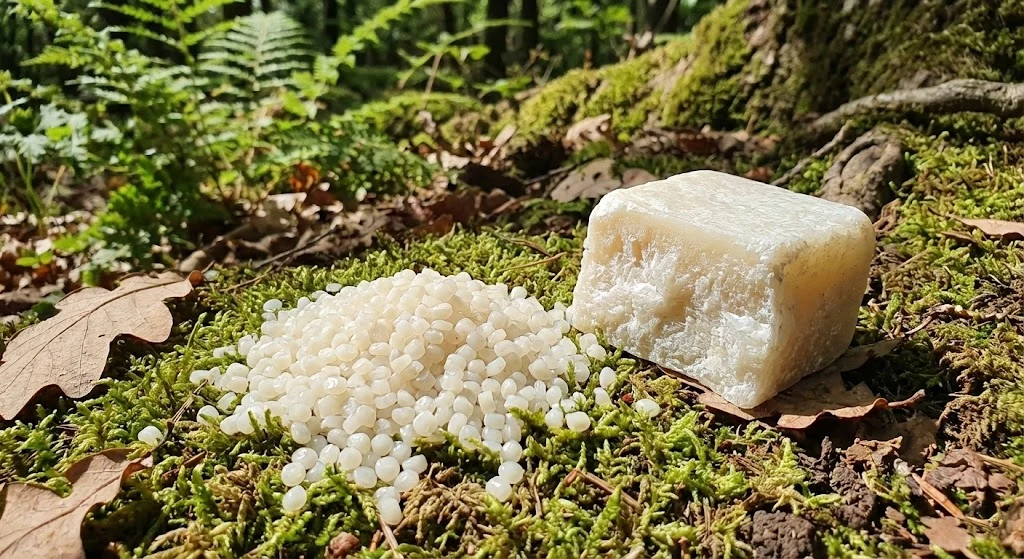
6. Polylactide (PLA)
PLA is a widely used bioplastic made from fermented plant starch, commonly corn or sugarcane. It is used in disposable packaging, compostable utensils, and 3D printing.
Advantages:
• Industrially compostable and non-toxic
• Can mimic the properties of traditional plastic
• Suitable for large-scale manufacturing
Limitations:
• Not biodegradable in marine or landfill environments
• Requires high-temperature composting to break down
• Often made from food crops, raising sustainability concerns
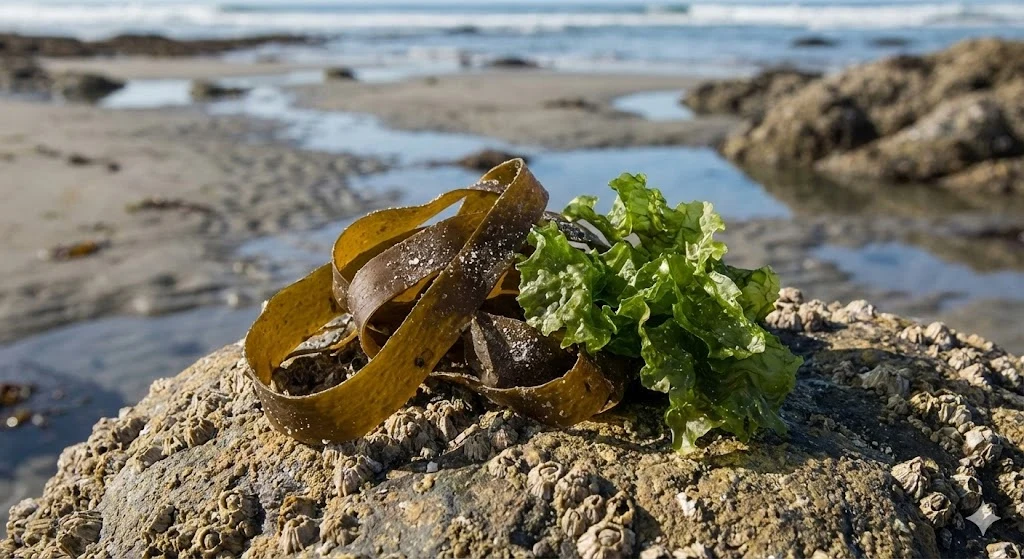
7. Seaweed
Seaweed-based materials are made from marine algae and are gaining traction as sustainable alternatives for packaging films, bioplastics, and edible wrappers.
Advantages:
• Grows rapidly without the need for land, fertilizers, or freshwater
• Biodegrades in marine and terrestrial environments
• Can be edible or water-soluble in specific formulations
Limitations:
• Processing technologies are still emerging
• Regional sourcing and scalability remain challenges
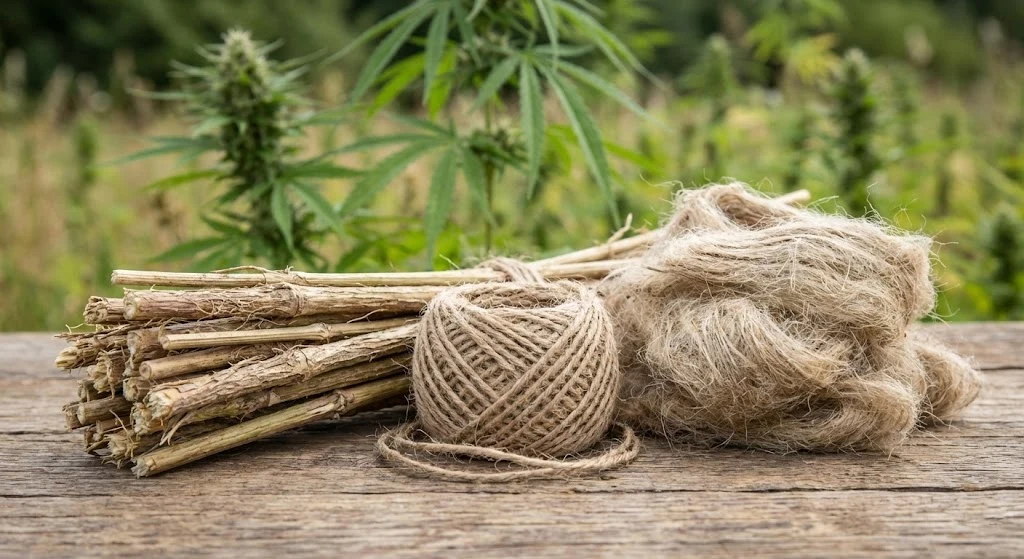
8. Hemp
Hemp fiber comes from the stalks of the cannabis plant and is known for its durability and sustainability. It is used in textiles, biodegradable plastics, and construction materials.
Advantages:
• Grows quickly with minimal water and pesticide use
• Strong natural fiber with a wide range of applications
• Enhances soil health and captures carbon
Limitations:
• Requires specialized processing equipment
• Regulatory restrictions exist in some regions
9. Cork
Cork is harvested from the bark of cork oak trees without cutting down the tree. It is used in everything from bottle stoppers to acoustic panels and flooring.
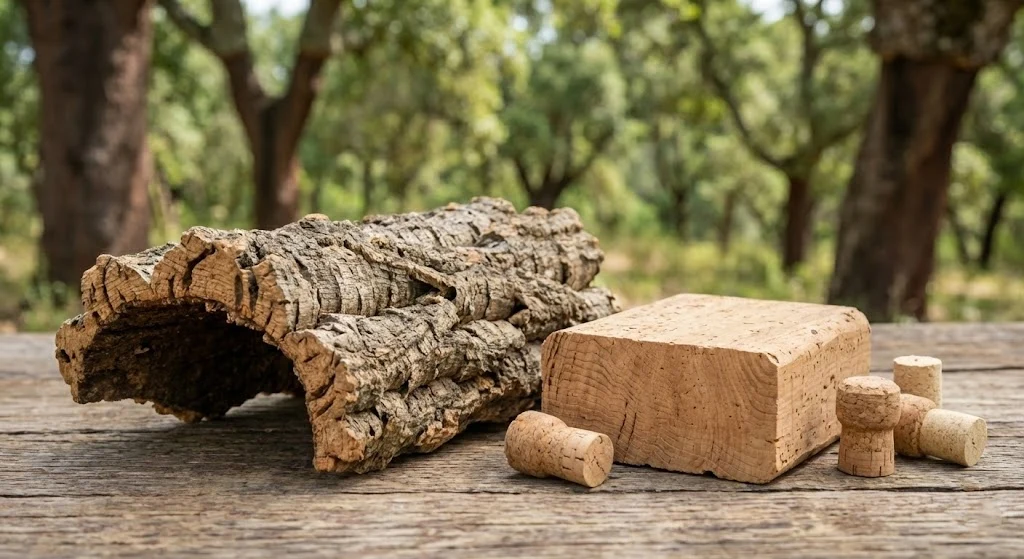
Advantages:
• Renewable and biodegradable with a long lifecycle
• Water-resistant and lightweight
• Harvesting allows trees to continue absorbing carbon dioxide
Limitations:
• Grows in limited geographic regions
• Processing can be energy-intensive for some end products
10. Wheat Straw
Wheat straw is the dry stalk left over after harvesting wheat grains. It is repurposed into biodegradable tableware, paper products, and packaging.
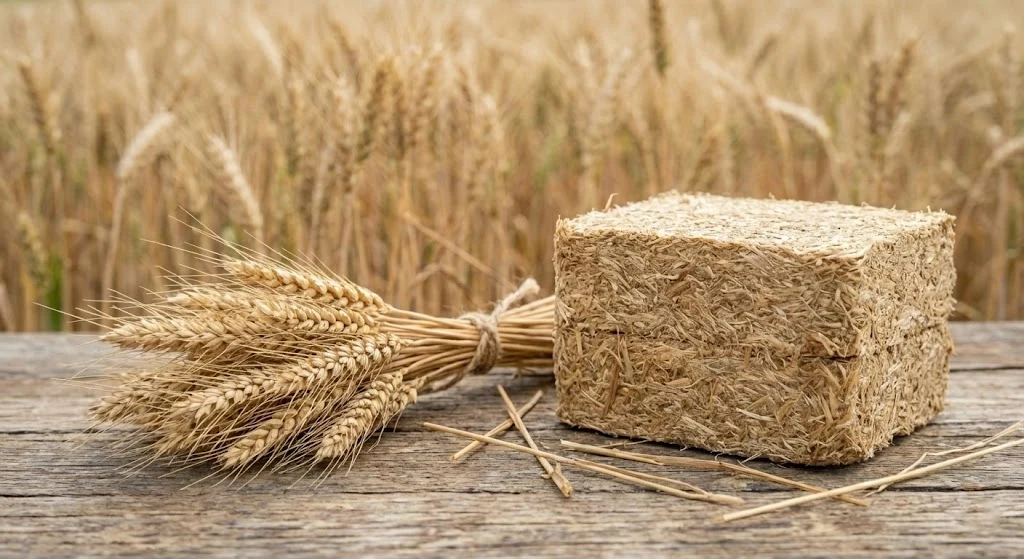
Advantages:
• Utilizes agricultural waste with no extra land or resources
• Lightweight and naturally compostable
• Affordable for large-scale disposable products
Limitations:
• Lower durability compared to wood or bamboo
• Needs additional treatment for moisture resistance
11. Rice Husks
Rice husks are the outer shells removed from grains during processing. These are used in biocomposites, molded packaging, and insulation materials.
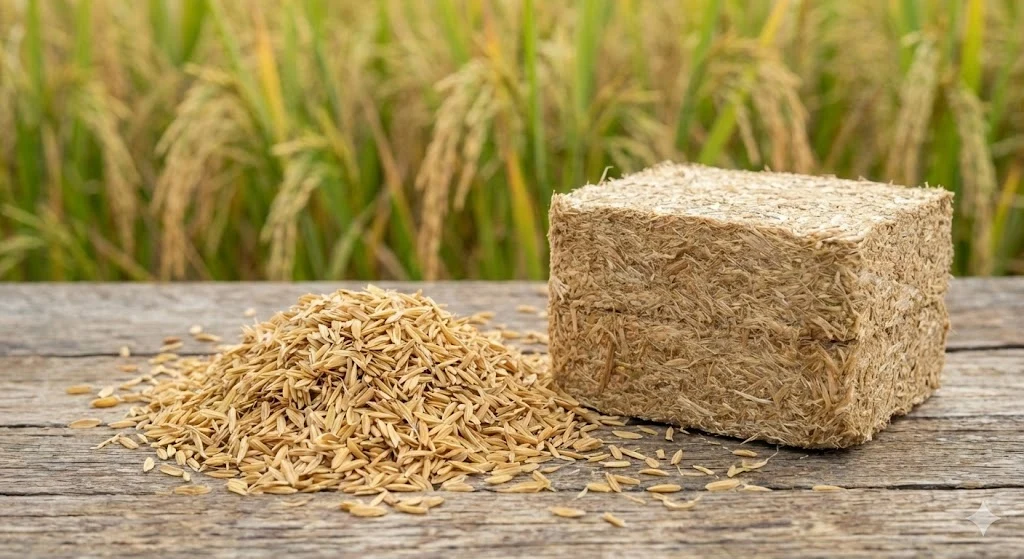
Advantages:
• Abundant byproduct of global rice farming
• Fire-resistant and offers thermal insulation
• Biodegradable and compostable
Limitations:
• Brittle in some product forms
• Requires binders for structural integrity in molded applications
12. Lees
Lees are the sediment left after fermentation processes in winemaking or brewing. This organic material is being explored for use in cosmetics, films, and bioplastics.
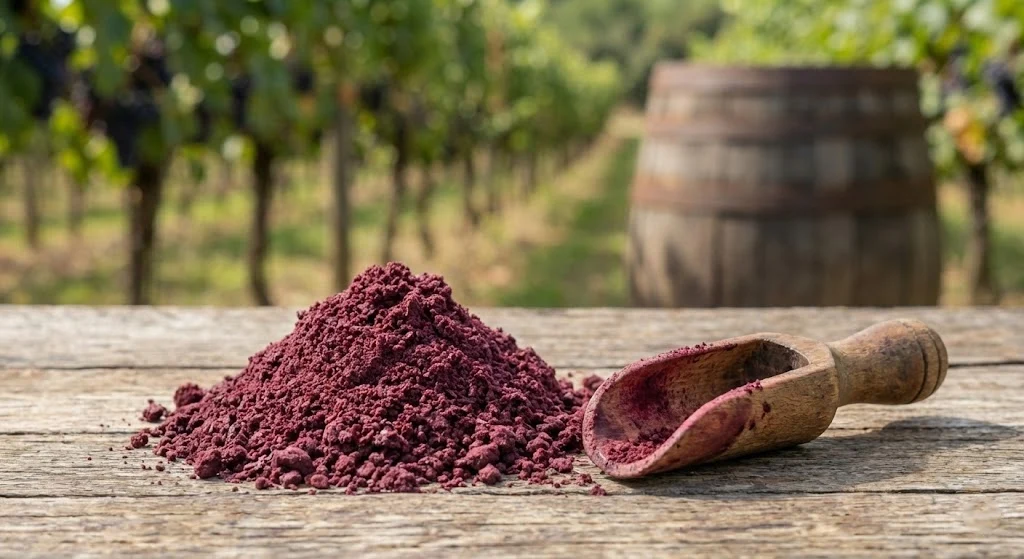
Advantages:
• Reuses fermentation waste in innovative ways
• Rich in organic compounds and bioactive elements
• Potential for circular applications in food and skincare industries
Limitations:
• Commercial use is still in early research stages
• Supply and material consistency are difficult to control
The Benefits of Using Biodegradable Materials
Adopting biodegradable materials offers a range of environmental, economic, and social benefits that align with global sustainability goals. These materials are not just a trend but a strategic shift toward responsible design, waste reduction, and circular economies. Below are the key benefits of using biodegradable materials across industries and daily life.
Reduces Long-Term Environmental Pollution
Traditional plastics and synthetic materials can persist in the environment for centuries, often fragmenting into microplastics that contaminate soil, water, and food chains. Biodegradable materials, in contrast, are designed to break down naturally and safely, significantly reducing landfill accumulation and ocean pollution. This makes them especially valuable in disposable product categories like packaging, utensils, and single-use textiles.

Supports Circular Economy Principles
Biodegradable materials often come from renewable resources or agricultural byproducts, and they can return to the environment without causing harm. This regenerative life cycle contrasts with the linear “take-make-dispose” model of traditional production. By integrating biodegradable materials into supply chains, businesses can design products for disassembly, composting, or nutrient recovery, closing the loop on material use.
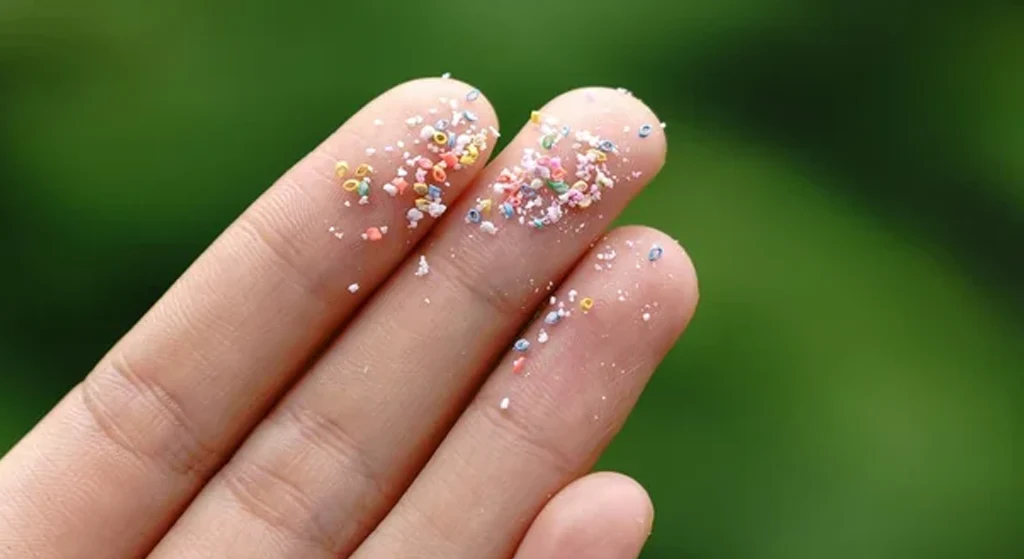
Minimizes Microplastic and Chemical Residue
Certified biodegradable materials decompose cleanly without producing microplastics or toxic residues. This is especially important for food packaging, skincare products, and agricultural applications where material safety directly impacts human and environmental health.
Strengthens Brand Sustainability and Market Trust
Using biodegradable materials positions your business as environmentally responsible and compliant with rising global standards. Consumers increasingly favor sustainable brands, and adopting these materials can help build trust, improve brand image, and prepare your product lines for future regulations.
Partnering with Million Pack to Build Sustainable Biodegradable Food Packaging
Choosing the right biodegradable material is only the first step. Turning it into a practical, reliable packaging solution requires experience, technical know-how, and end-to-end support. This is where Million Pack comes in.
As a specialized manufacturer of eco-friendly food packaging, Million Pack helps businesses design, produce, and scale packaging made from certified biodegradable materials. Whether you’re launching a new product line or upgrading your current packaging to meet sustainability goals, our team offers tailored solutions that balance performance, appearance, and environmental compliance.
We work with materials like sugarcane fiber, PLA, and bamboo to create packaging that not only protects your product but also reinforces your brand’s sustainability values. From concept to bulk delivery, we ensure every step aligns with international standards for biodegradability and food safety.
Common Questions About Biodegradable Materials
How can you tell if a biodegradable product is legitimate?
Look for credible third-party certifications like ASTM D6400, EN 13432, or ISO 17088. These prove the product has passed lab tests for full decomposition and safety. If no certification is listed, the product likely hasn’t been properly tested.
Why do some biodegradable materials fail to break down in real life?
Many require industrial composting with controlled heat, humidity, and microbial activity. If sent to a landfill or regular trash, they may degrade as slowly as traditional plastic.
Is compostable the same as biodegradable?
Not quite. All compostable materials are biodegradable, but not all biodegradable materials are compostable. Compostable products must break down within specific timeframes and leave behind no harmful residues.
Are biodegradable materials always the more sustainable option?
Only when used correctly. If a biodegradable item ends up in the wrong waste stream or requires more energy to produce than it saves, its overall environmental benefit may be reduced.
Can you dispose of biodegradable packaging in household bins?
It depends on the material and your local waste system. Home compostable items can go in garden compost, but many need commercial composting facilities. Check local guidelines.