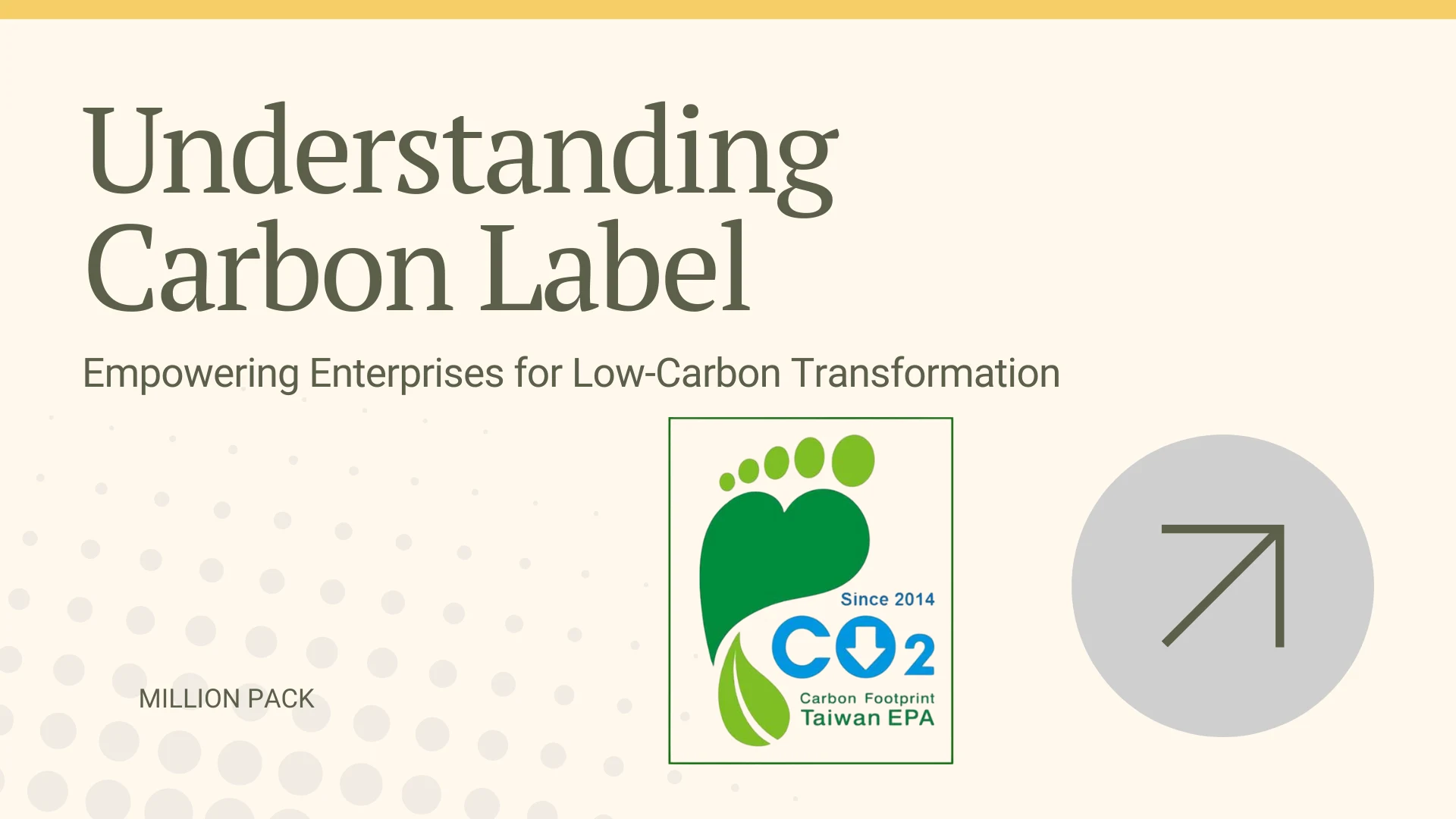
How can enterprises stay competitive in an age where sustainability defines market leadership? As global consumers demand greater transparency and governments tighten environmental regulations, the pressure to reduce emissions is mounting. While many enterprises recognize the importance of reducing their carbon footprint, understanding how a Carbon Label can effectively support and enhance their sustainability journey remains a developing process for many organizations.
A Carbon Label is not just an environmental tag; it’ s measurable proof of a company’ s commitment to a low carbon future. It quantifies the carbon footprint of a product throughout its lifecycle, helping enterprises identify where emissions occur, improve efficiency, and communicate sustainability performance with credibility. By integrating carbon labeling, companies can strengthen brand trust, meet ESG standards, and attract eco conscious consumers who value transparency and accountability.
In the following sections, we’ ll explore how understanding and applying Carbon Labels can empower enterprises to achieve a genuine low carbon transformation, turning sustainability into both a responsibility and a strategic advantage.
What is Carbon Label?
A Carbon Label is an environmental declaration that quantifies the total greenhouse gas emissions generated throughout a product’ s entire life cycle. This includes every stage, from raw material extraction, manufacturing, packaging, and transportation to product use and final disposal. The result is expressed as the amount of carbon dioxide equivalent (CO2e) emitted per unit of product.
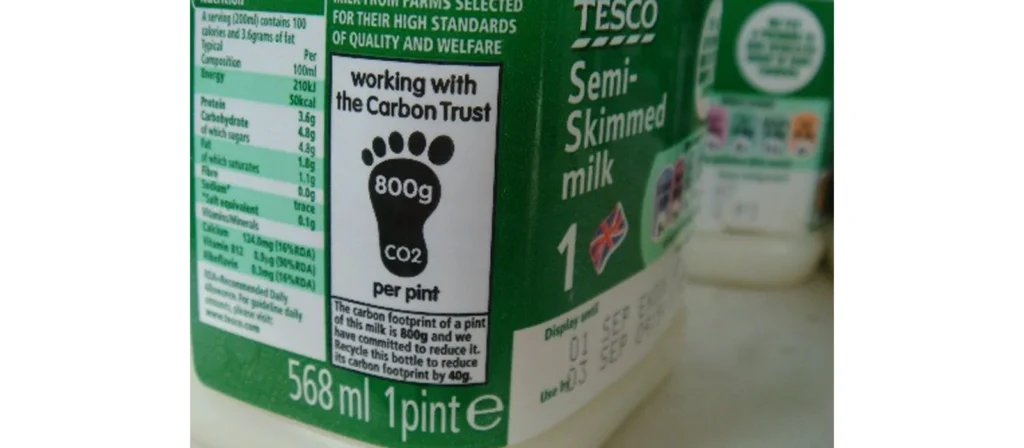
The concept of carbon labeling first emerged in the early 2000s as global attention toward climate change and corporate responsibility began to rise. The United Kingdom’s Carbon Trust was among the first organizations to introduce a formal labeling system, allowing consumers to see the carbon footprint of goods and make more informed purchasing choices. Over time, this idea spread to other regions, including the European Union, Japan, and China, where governments and industries began experimenting with their own standards and frameworks.
Today, carbon labels have evolved into an important communication tool within global sustainability efforts. While the design, format, and calculation methods may differ across countries, the underlying principle remains the same, to make the environmental impact of products measurable, traceable, and comparable through clear carbon footprint information.
How is a Carbon Label Calculated?
The calculation of a Carbon Label follows the principle of life cycle assessment (LCA), a standardized method used to measure the total greenhouse gas emissions generated by a product throughout its life cycle. This process involves collecting and analyzing data across multiple stages, ensuring that the label reflects a complete and transparent carbon footprint.
Typically, the assessment begins with defining system boundaries and functional units — for example, determining whether the analysis includes only manufacturing or extends to transportation, product use, and disposal. Once the scope is set, emission data are collected for each stage, including energy consumption, raw material extraction, production processes, logistics, and waste treatment.

All the emissions are then converted into carbon dioxide equivalents (CO2e) to provide a single, comparable value. International standards such as ISO 14067 and the Greenhouse Gas Protocol guide the process, ensuring methodological consistency. The final value, expressed in kilograms of CO2e per product, is verified by an accredited third-party organization before being displayed as the official Carbon Label.
This rigorous calculation process provides the scientific foundation behind carbon labeling, ensuring that every number represents measurable and traceable climate impact data rather than estimates or assumptions.
Carbon Labels in Different Countries
Governments around the world are increasingly integrating the carbon emission label into their national sustainability strategies. These programs not only promote climate accountability but also set the tone for how enterprises manage and communicate emissions data. By examining the policies of early adopters, companies can better understand how to navigate the evolving global landscape of carbon labeled products and services.
Japan
Japan launched its carbon emission labeling program in 2008, making it one of the earliest to formalize such efforts. Initially applied to everyday goods like food and household items, the goal was to empower consumers with clear emissions data. Products that are carbon labeled in Japan follow strict calculation methodologies, helping both businesses and end users make low-carbon choices.
South Korea
Since 2009, South Korea has maintained a national carbon emission label framework under the Korea Environmental Industry and Technology Institute (KEITI). It uses a two-tier system:
- One label confirms the product’ s total carbon footprint.
- The second recognizes carbon labeled products that have achieved verified emissions reductions.
This dual structure rewards both transparency and performance, giving businesses added motivation to innovate sustainably.
United Kingdom
Through the Carbon Trust, the UK became a pioneer in carbon emission labeling back in 2007. The initiative prompted companies to calculate, disclose, and reduce their emissions at the product level. Many UK-manufactured goods are now carbon labeled, helping B2B buyers make informed decisions that align with ESG goals.
Germany
Germany’s voluntary but robust framework for carbon emission labels began in 2008. While not mandatory, it aligns closely with EU-wide initiatives like the Environmental Product Declaration (EPD) and the upcoming Digital Product Passport. Many carbon labeled products from Germany now serve as benchmarks in cross-border trade and procurement.

Benefits of Carbon Label
The advantages of Carbon Labels can be analyzed from three main perspectives: consumers, enterprises, and the environment. Each plays a critical role in advancing sustainability, and the benefits extend far beyond simple emission disclosure.
For Consumers
- Informed decision-making
Carbon Labels help consumers understand the environmental impact of their purchases, allowing them to choose products with lower carbon footprints. - Increased transparency and trust
Visible carbon data on packaging builds confidence in brands that provide verifiable sustainability information rather than vague marketing claims. - Encouragement of climate-conscious lifestyles
Clear emission data encourages individuals to reduce their own carbon footprint through more mindful consumption habits. - Easy product comparison
Carbon Labels make it simple for buyers to compare similar products across brands, supporting the selection of low-emission alternatives. - Empowerment through education
Over time, consumers learn to interpret carbon footprint values, fostering climate literacy and public awareness of sustainability issues. - Social recognition and participation
Purchasing low-carbon products allows consumers to actively contribute to environmental protection, aligning personal choices with global climate goals.
For Enterprises
- Improved operational efficiency
The carbon footprint calculation process identifies energy and material inefficiencies, helping businesses streamline production and logistics. - Compliance and market readiness
Verified Carbon Labels support compliance with environmental regulations, ESG frameworks, and green trade mechanisms such as the EU’ s Carbon Border Adjustment Mechanism (CBAM). - Enhanced brand credibility
Publicly displaying emission data signals responsibility and transparency, strengthening corporate reputation and customer loyalty. - Access to green supply chains
Many multinational buyers require carbon disclosure; labeled products can qualify enterprises to join preferred supplier lists. - Attraction of investors and financial partners
Transparent carbon data improves ESG ratings, drawing attention from sustainability-focused investors and lenders. - Product innovation and differentiation
Tracking emissions encourages R&D in low-carbon materials, design, and packaging, leading to competitive product advantages. - Long-term resilience and strategic planning
Understanding emissions across the value chain allows companies to forecast regulatory risks and prepare for low-carbon market transitions. - Talent attraction and internal culture building
Demonstrating a strong climate commitment helps attract employees who value sustainability and fosters a culture of responsibility within the organization.
For the Environment
- Reduction of greenhouse gas emissions
As companies track and lower emissions, aggregate reductions contribute directly to global climate targets. - Encouragement of cleaner production
The visibility of carbon data motivates industries to adopt renewable energy, efficient manufacturing, and circular economy practices. - Resource conservation
Lower energy use, less waste, and optimized logistics reduce the overall demand for natural resources. - Promotion of sustainable innovation
Carbon labeling drives research into carbon-neutral materials, green chemistry, and low-impact supply chains. - Ecosystem protection
Reducing industrial emissions mitigates air and water pollution, safeguarding biodiversity and natural habitats. - Global policy alignment
The standardized use of Carbon Labels supports international cooperation on emission measurement and reporting, aligning local efforts with global sustainability frameworks. - Cultural shift toward responsibility
Public visibility of emission data fosters collective environmental accountability, normalizing sustainability as a shared societal value.
By addressing benefits across these three dimensions, Carbon Labels become more than a reporting mechanism; they evolve into a global driver of behavioral change, corporate transformation, and environmental restoration.
How to Make a Carbon Label for My Product?
Creating a Carbon Label for your product requires a structured and scientifically credible process. It involves data collection, calculation, verification, and communication, ensuring that the final label accurately represents the product’s carbon footprint across its entire life cycle.
1. Define the assessment scope
Begin by establishing clear boundaries for the analysis. Determine whether the Carbon Label will cover only production emissions or the full life cycle, including raw materials, packaging, transportation, use, and disposal. Defining the scope ensures that data collection remains focused and consistent.
2. Collect activity data
Gather accurate data from every relevant stage of the product’s life cycle. This includes energy consumption, material usage, waste generation, and transportation distances. Close collaboration with suppliers is often necessary to ensure data completeness.
3. Apply recognized standards
Use internationally accepted methodologies such as ISO 14067, GHG Protocol Product Standard, or PAS 2050. These frameworks guide the calculation of greenhouse gas emissions and define how to convert different gases into carbon dioxide equivalents (CO2e).
4. Calculate the carbon footprint
Using the collected data, quantify total emissions across each stage. Specialized LCA (Life Cycle Assessment) software or verified calculation tools are typically used to ensure accuracy and traceability.
5. Conduct third-party verification
Independent verification by accredited organizations enhances credibility and ensures compliance with national or international carbon labeling requirements. Third-party validation helps prevent overstatement or greenwashing.
6. Design and publish the label
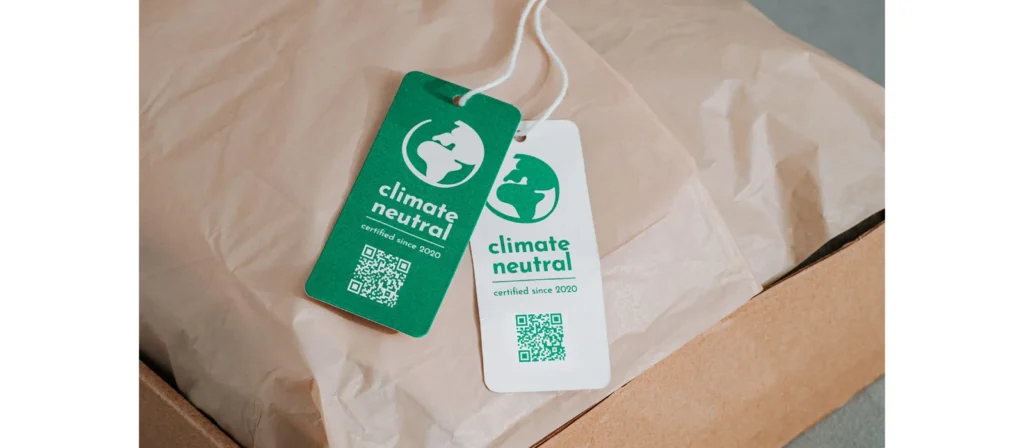
Once verified, design the label to clearly display the CO2e value, assessment period, and certification body. Labels can appear on packaging, product websites, or QR-linked digital platforms to allow users to access detailed footprint data.
7. Review and update periodically
Because production processes and energy mixes change over time, update your Carbon Label regularly to reflect the latest data and improvements. This demonstrates continuous progress and strengthens consumer trust.
By following these steps, enterprises can produce credible, transparent, and internationally aligned Carbon Labels that not only meet compliance standards but also enhance their sustainability reputation in global markets.
Key Considerations for Enterprises Using Carbon Labels
When implementing a Carbon Label, enterprises should approach it as a long-term sustainability management practice rather than a short-term marketing effort. The first step is to ensure data accuracy and consistency. Every emission figure should come from verifiable and traceable sources, covering the entire product life cycle. Establishing a clear internal responsibility system and collaborating closely with suppliers can help maintain reliable data collection and prevent discrepancies during third-party verification.
Enterprises must also pay attention to how they communicate carbon information. The label should be presented clearly and factually, avoiding exaggerated claims or vague descriptions that could lead to accusations of greenwashing. Regular updates are equally important since production processes and energy structures change over time. Refreshing the label with the latest data not only strengthens credibility but also demonstrates continuous improvement.
Finally, businesses should stay informed about evolving international standards and policies, such as ISO 14067 and the EU’ s upcoming Digital Product Passport (DPP). Treating Carbon Labels as part of a broader corporate strategy, rather than a compliance task, enables enterprises to build transparency, strengthen ESG performance, and position themselves for success in a low carbon economy.
How Million Pack Helps Your Business Create Carbon Labels?
At Million Pack, we combine over 20 years of manufacturing experience in eco-friendly food packaging with professional expertise in carbon footprint assessment to help businesses create credible and transparent Carbon Labels. As a one-stop packaging supplier, we manage every stage of production, from design and material selection to manufacturing, quality inspection, and delivery, ensuring that each step is accurately measured for its environmental impact.
Working under internationally recognized standards such as ISO 14067 and the GHG Protocol, our team provides data collection, analysis, and third-party verification support to guarantee label credibility and compliance. By integrating Carbon Labels into your product line, Million Pack helps you enhance brand trust, meet global sustainability requirements, and demonstrate leadership in the transition toward a low carbon and responsible packaging industry.