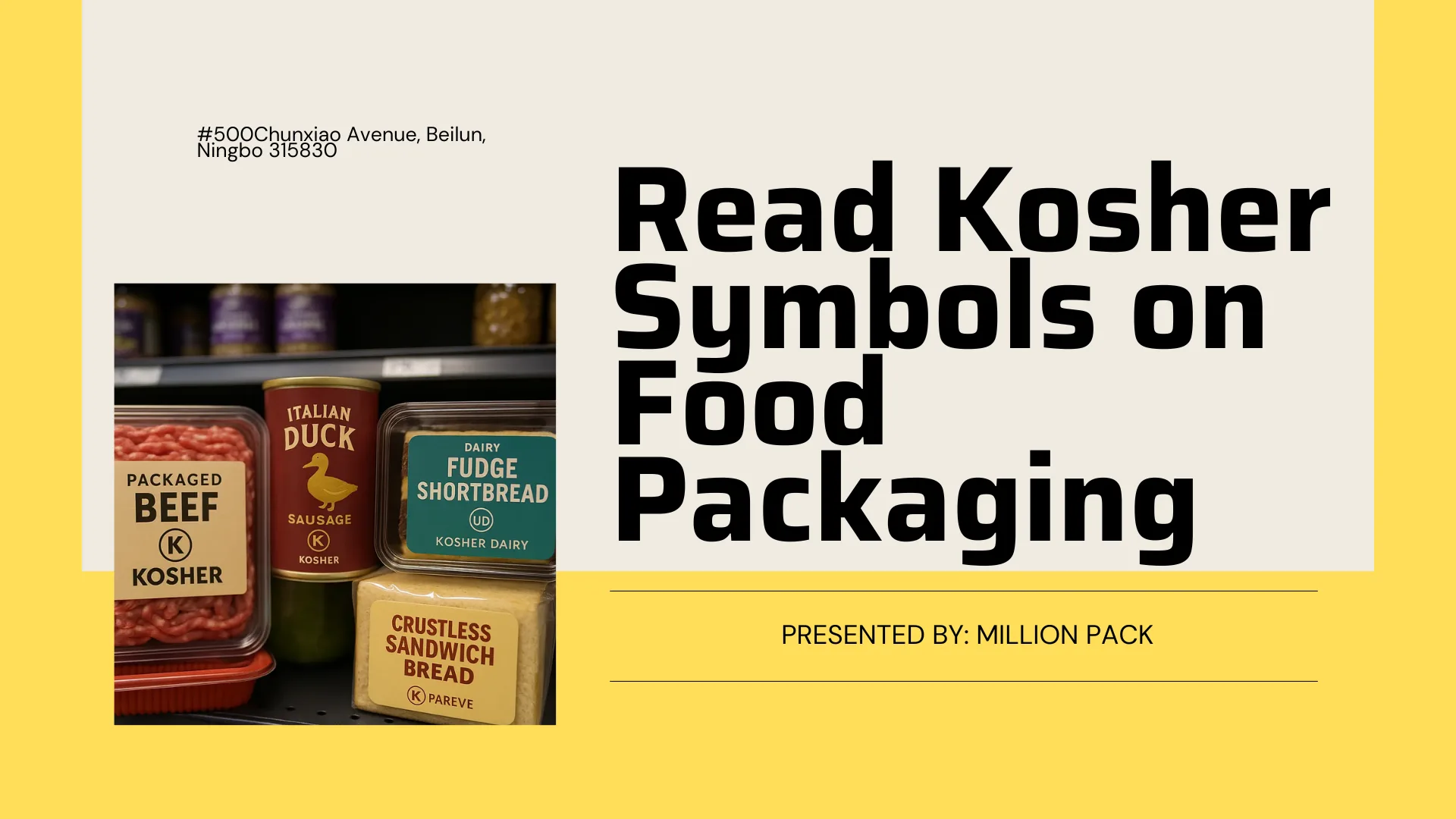
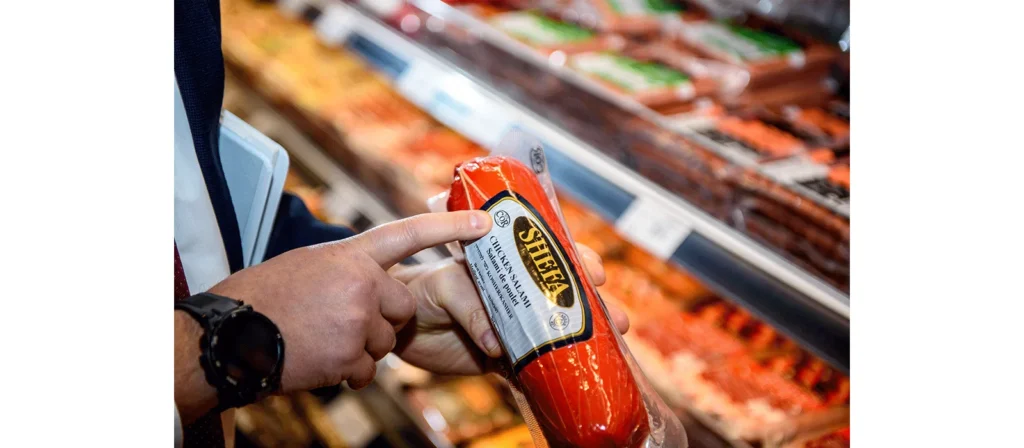
Ever glanced at a food label and wondered what those tiny kosher symbols really mean? Are they all the same, or do different symbols stand for different levels of certification? With so many marks like “OU,” “K,” or “Star K” printed on packages, understanding kosher symbols on food packaging can seem confusing but it doesn’t have to be.
Kosher symbols are more than just religious markings; they’re trusted signs of quality, purity, and compliance with Jewish dietary laws known as kashrut. Each certification symbol represents a specific agency that ensures the food meets these standards, from ingredient sourcing to preparation. Knowing how to read these kosher symbols helps consumers make informed decisions, ensures transparency for manufacturers, and builds confidence in product integrity.
In this guide, we’ll break down the most common kosher symbols on food packaging, explain what they mean, and show you how to identify genuine certifications with ease.
What Does Kosher Mean?
Kosher refers to foods that comply with Jewish dietary law (kashrut) as derived from the Torah and developed through rabbinic interpretation. Kashrut regulates which species may be eaten, how animals are slaughtered and processed, how ingredients are selected, and how foods are prepared, handled, and served.
Kosher species include land animals that both chew the cud and have fully split hooves; fish that have fins and scales; and a defined list of permitted birds. Animals intended for consumption must undergo shechita, a prescribed method of ritual slaughter, followed by required post-slaughter inspections. Blood is prohibited and must be removed through soaking and salting or broiling. Certain fats (chelev) and the sciatic nerve (gid hanasheh) are not eaten.
Meat and dairy are kept completely separate in cooking, serving, and utensils, and many communities observe a waiting period between consuming them. Foods that are neither meat nor dairy are classified as pareve and may be eaten with either category, provided all ingredients and equipment are kosher. Processed foods must ensure that enzymes, emulsifiers, flavorings, and other additives are kosher and that production lines prevent cross-contamination. During Passover, additional prohibitions apply to leavened grains (chametz), and many products require specific Passover certification.
In modern commerce, verified kosher status is typically indicated by third-party kosher certification marks. Understanding this legal framework is the basis for reading kosher symbols on food packaging accurately.

What Are Kosher Symbols, and What Do They Represent?
Kosher symbols are official certification marks found on food packaging that verify a product complies with Jewish dietary law (kashrut). Each symbol is issued by a recognized kosher certification agency, confirming that all ingredients, equipment, and manufacturing procedures have been supervised by qualified rabbis (mashgichim).
These symbols act as a universal assurance of purity, compliance, and quality, allowing consumers to identify kosher products at a glance. While there are hundreds of regional certifying bodies worldwide, a few major ones dominate international markets. Below are the most widely recognized symbols and what each represents.
1. OU (Orthodox Union)
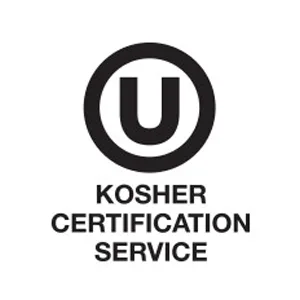
The OU, issued by the Orthodox Union, is the most recognized kosher certification in the world. It guarantees that both ingredients and production methods fully comply with halachic (Jewish legal) standards. Variations include:
- OU D – Contains dairy ingredients or was processed on dairy equipment.
- OU Pareve – Neither meat nor dairy.
- OU P – Certified kosher for Passover.
2. OK (Organized Kashrut Laboratories)
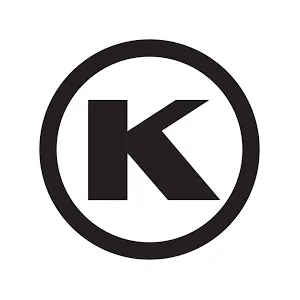
The OK symbol, administered by OK Kosher Certification, is known for its global reach and rigorous inspection protocols. Products with the OK mark meet high technical and halachic standards and are regularly audited by field representatives worldwide.
3. Star-K (Star-K Kosher Certification)

Star-K is one of the leading U.S.-based certifiers, recognized for its emphasis on industrial food processing and international export products. The Star-K organization is known for providing technical expertise for complex production systems and for its transparency with ingredient sourcing.
4. Kof-K (Kof-K Kosher Supervision)
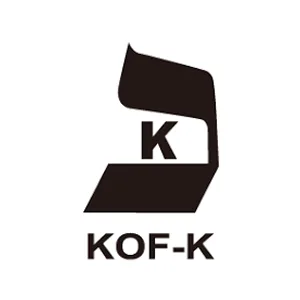
The Kof-K mark represents one of the “Big Five” certifying agencies in North America. It is widely trusted by multinational brands, especially in packaged goods and beverage industries. Its supervisors ensure continuous compliance from raw materials to final packaging.
5. CRC (Chicago Rabbinical Council)
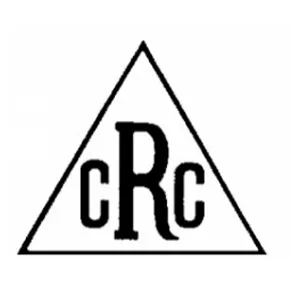
The CRC certification, issued by the Chicago Rabbinical Council, is especially common in North American food production and retail. It covers both commercial and retail products, offering separate labels for dairy, meat, and pareve classifications.
Other Common Symbols and Classifications
Some smaller or regional agencies use variations such as:
- K (generic “Kosher”) – May be valid but should be verified, as it can be used without official authorization.
- MK (Montreal Kosher) – Recognized in Canada and known for strict rabbinic oversight.
- COR (Kashruth Council of Canada) – Canada’s largest kosher certifier, with marks like COR, COR-D, or COR-P.
Each symbol may include additional indicators such as D, M, Pareve, or P to specify dairy content, meat origin, neutral status, or Passover suitability.
Why Kosher Certification Matters on Food Packaging
Kosher certification is more than a religious designation; it has become a global symbol of quality, integrity, and transparency in the food industry. When you see kosher symbols on food packaging, it signifies that every ingredient and production step has undergone careful inspection under Jewish dietary law (kashrut). Beyond its religious relevance, kosher certification benefits manufacturers, retailers, and consumers across many cultures and markets.
1. Consumer Trust and Transparency
Kosher certification gives consumers confidence. It assures them that products were produced according to strict sanitation, ingredient sourcing, and process standards. Even non-Jewish consumers often associate kosher symbols with clean manufacturing and higher quality control, especially in categories like meat, dairy, and processed foods.
2. Expanding Market Reach
For food manufacturers, having kosher certification opens doors to new global markets. In North America and Europe, kosher-certified products appeal not only to Jewish consumers but also to Muslim, vegetarian, and health-conscious buyers who view kosher as a mark of purity and reliability. It enhances a brand’s credibility and helps it compete on international shelves.
3. Ingredient and Supply Chain Accountability
Kosher supervision involves continuous monitoring and documentation, ensuring that every raw material and additive, whether flavoring, stabilizer, or emulsifier, meets kosher standards. This strict traceability benefits the entire supply chain by reducing contamination risks and enforcing clearer labeling practices.
4. Ethical and Quality Assurance
Kosher laws emphasize humane animal treatment, cleanliness, and ethical sourcing. As a result, kosher certification has evolved into a form of ethical branding, aligning with modern consumer values such as sustainability and social responsibility.
5. Compliance and Branding Advantage
Displaying a verified kosher symbol on packaging communicates that a product meets recognized global standards. This can support compliance for retailers, streamline import approvals, and enhance shelf visibility. Many buyers actively seek these symbols when making purchasing decisions because they represent both faith and food safety.
In short, kosher certification matters because it bridges religious observance, food safety, and market opportunity. For both consumers and producers, those small marks on the label carry big meaning—signifying trust, transparency, and a commitment to the highest production standards.
Kosher Certification Process: From Inspection to Symbol Approval
Achieving kosher certification is a detailed and carefully managed process that verifies your products meet the standards of Jewish dietary law (kashrut). It involves close supervision from approved agencies, meticulous attention to ingredient sourcing, and precise control of the production environment. Only after these conditions are met can a product display kosher symbols on food packaging, signaling to consumers that it complies fully with kosher requirements.
Step 1: Meeting Kosher Standards
Before applying for certification, every business must ensure that its operations align with kosher law. This preparation goes far beyond labeling; it affects the entire production system.
Key elements include:
- Establishing strict hygiene and handling procedures across the facility.
- Training employees to understand kosher separation rules for meat, dairy, and pareve (neutral) products.
- Setting up distinct storage areas and production lines to prevent any contact between kosher and non-kosher items.
- Sourcing raw materials and additives from suppliers that can provide verified kosher documentation.
- Performing internal audits to identify any potential sources of cross-contamination.
Manufacturers, caterers, and restaurants must all comply, but the exact requirements differ depending on the business model. Food factories, for instance, must submit ingredient lists and equipment specifications, while restaurants focus more on daily supervision and food handling.
Step 2: Working with a Kosher Certification Agency
Once internal compliance is in place, the next step is to partner with a recognized certification body. The choice of agency often depends on the type of product and the target market.
Local establishments usually work with regional agencies that oversee on-site preparation. In contrast, packaged food producers that distribute nationally or internationally tend to apply through globally recognized authorities such as OU (Orthodox Union), OK Kosher, Star K, Kof K, or CRC.
The agency will assign a rabbinic inspector, known as a mashgiach, to evaluate your processes, review ingredient documentation, and verify facility conditions. A detailed report follows, identifying any adjustments required before approval. Once the company meets all conditions and pays the applicable fees, the facility can officially be granted kosher certification.

Step 3: Labeling and Symbol Authorization
After approval, the certification agency will issue official authorization for your products to display specific kosher symbols. This stage includes technical guidance on logo placement, color, and size to ensure that markings are consistent and clear to consumers.
Two key certification levels generally apply:
- Ingredient Certification (Schedule A): Confirms that all components used in production, including additives and processing agents, are kosher-approved.
- Product Certification (Schedule B): Grants permission to label final, ready-for-sale goods with the appropriate kosher symbol, such as “K Dairy,” “K Meat,” or “K Pareve.”
The company’s details and certified products are also entered into the agency’s public directory, allowing retailers and customers to verify authenticity.
In short, earning the right to display kosher symbols on food packaging reflects a commitment to transparency and meticulous quality control. It shows that every stage of production has been reviewed, approved, and certified to meet one of the most respected food standards in the world.
Why You Need Expert Food Packaging Manufacturers
Working with a professional food packaging manufacturer is essential once your product becomes kosher-certified. A skilled partner ensures that kosher symbols on food packaging are displayed correctly, following certification guidelines for clarity, placement, and proportion. Beyond compliance, expert manufacturers understand food safety materials, traceability, and international labeling standards. Their precision and experience help prevent costly errors, protect brand credibility, and strengthen consumer trust. In short, a qualified packaging manufacturer bridges the gap between certification and market success, ensuring your kosher products look as reliable as they truly are.
FAQ
1. Can I Use a Kosher Symbol without Full Certification?
You may describe your product as “kosher” if it genuinely meets the requirements, but you cannot display any official kosher symbol—such as OU, OK, Star K, or Kof K—without completing the full certification process. Unauthorized use of a kosher symbol is considered misleading and can result in legal or regulatory penalties.
2. Can non-Jewish consumers trust kosher products?
Yes. Many people choose kosher foods for their quality assurance, hygiene standards, and transparency, making them a trusted choice worldwide.
3. Do kosher symbols guarantee allergen safety?
Not necessarily. While kosher laws prevent mixing meat and dairy, they do not specifically address allergens like nuts or gluten. Always check the label for allergen information.
4. If I swap an ingredient, must I recertify?
Yes. Any change in ingredients, suppliers, or production methods can affect kosher status. You must notify your certifying agency before using a new ingredient or supplier to confirm it remains compliant with kosher standards.