

As environmental concerns accelerate worldwide, the restaurant industry is undergoing a profound shift. Once focused solely on delivering great food and service, restaurants are now seen as key players in the movement toward environmental and social responsibility. This change is not just driven by regulations or industry trends but by growing consumer demand for transparency and accountability. Diners increasingly want to know where their food comes from, how it was produced, and what impact it has on the planet.
In this context, sustainability in restaurants has taken on a broader and more strategic meaning. It goes far beyond swapping plastic straws for paper alternatives. True sustainability involves every aspect of restaurant operations, from sourcing ingredients and managing waste to conserving energy and supporting local communities. It is a comprehensive approach that balances profitability with long-term ecological and social health.
So, why does sustainability in restaurants matter, and how do you do it right? Because it has become a defining factor in brand trust, operational efficiency, and long-term competitiveness. Doing it right means embedding sustainable thinking into daily decision-making, not as a superficial gesture but as a core business principle. This guide explores exactly what that looks like and how any restaurant, regardless of size, can make meaningful progress.
What is Sustainability in Restaurants?
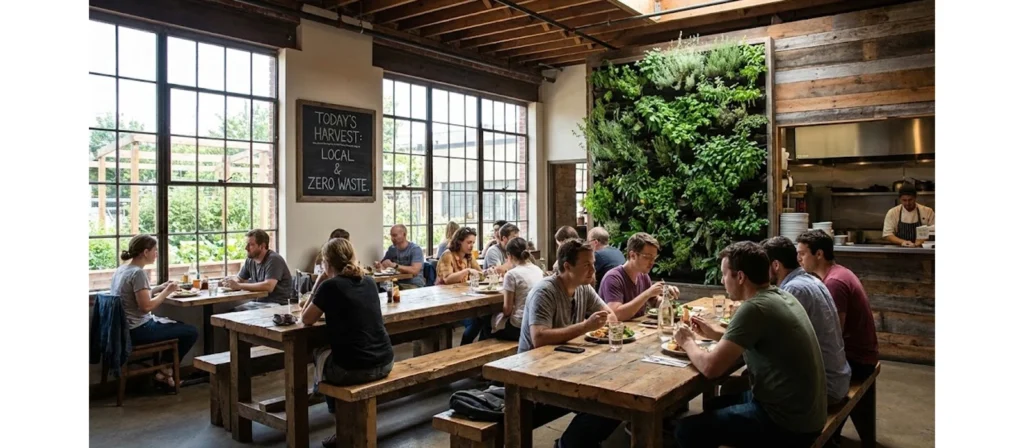
Sustainability in restaurants refers to the comprehensive effort to operate in a way that minimizes harm to the environment, supports the well-being of communities, and maintains long-term economic viability. It is not a single tactic but an integrated system that touches every layer of the business. This includes the sourcing of food, the use of energy and water, the management of waste, and the treatment of people within and around the restaurant.
It begins with ingredients. Sustainable restaurants choose local, seasonal, organic, and ethically produced food not only to reduce the carbon footprint associated with transportation but also to support biodiversity and regional farming economies. Energy and water efficiency follow close behind. Commercial kitchens are resource-intensive, and sustainability means upgrading to efficient appliances, using smart systems, and optimizing day-to-day operations to lower consumption. Waste management is just as central. This includes reducing food waste through precise inventory planning, recycling and composting, and eliminating unnecessary packaging. But sustainability does not stop at environmental concerns. It also includes social responsibility, treating staff fairly, engaging with local communities, offering safe and inclusive workspaces, and ensuring the restaurant contributes positively to the social fabric around it.

In essence, sustainability in restaurants is about rethinking every operational decision through the lens of long-term responsibility. It is about building a business that respects the planet, empowers people, and performs economically, not for short-term gain but for lasting value.
Why Does It Matter?
Sustainability in restaurants is no longer just a matter of ethical positioning. It has become a central factor in determining a restaurant’s long-term success, operational efficiency, customer loyalty, and ability to attract top talent. The benefits are tangible, measurable, and aligned with core business performance.
Economic Efficiency: Lower Costs Through Smarter Operations
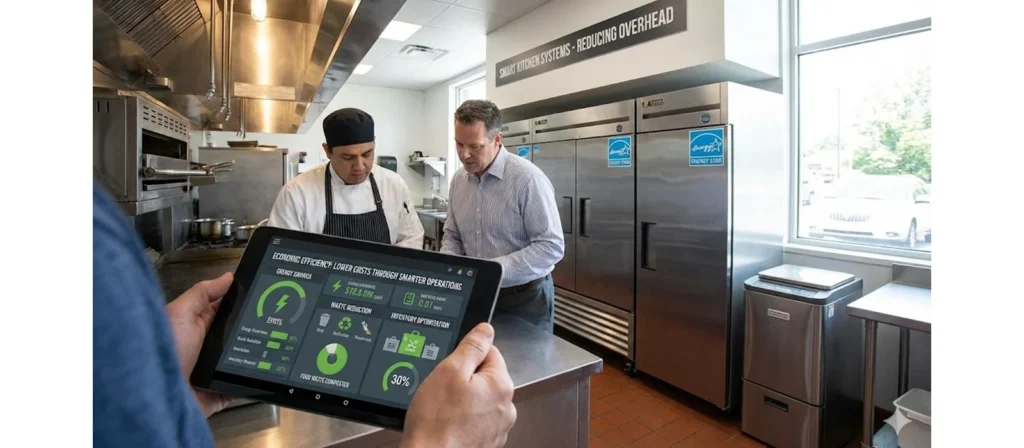
Sustainable practices often lead to significant cost savings. Energy-efficient equipment, LED lighting, and water-saving systems can dramatically cut monthly utility bills. Reducing food waste through better inventory planning and portion control lowers procurement costs and disposal fees. A 2023 report from the World Resources Institute found that for every dollar a restaurant invests in food waste reduction, it can expect to save approximately seven dollars. In short, being environmentally conscious can directly improve the bottom line.
Consumer Demand: Meeting the Expectations of a New Generation
Modern consumers, especially Millennials and Gen Z, care deeply about where their food comes from and how businesses impact the planet. A recent Deloitte study revealed that over 60 percent of Gen Z diners consider sustainability an important factor in deciding where to eat. These customers prefer restaurants that align with their values and demonstrate real commitment to environmental and social responsibility. Ignoring these expectations means losing relevance with the next generation of spenders.
Brand Loyalty: Building Deeper Emotional Connections
When sustainability is embedded authentically into a restaurant’s operations and culture, it strengthens the emotional bond with guests. Customers are more likely to return to and advocate for businesses that reflect their personal values. Transparency in sourcing, eco-friendly packaging, and fair labor practices all contribute to brand differentiation in a crowded market. Restaurants that lead on sustainability are seen not only as places to eat but as brands worth supporting.

Talent Attraction and Retention: Creating Purpose-Driven Workplaces
Sustainability also plays a key role in employee satisfaction. Workers are increasingly drawn to organizations that reflect their beliefs and offer a sense of purpose. Restaurants that invest in fair wages, safe working conditions, and environmental goals often report stronger team morale and lower turnover. In a high-churn industry like food service, the ability to retain skilled staff through meaningful culture is a major competitive advantage.
How to Implement It Properly?
Implementing sustainability in restaurants takes more than good intentions. It requires a structured, realistic approach tailored to your restaurant’s size, resources, and customers. The following seven pillars offer a practical roadmap toward meaningful and lasting progress.
1. Energy and Water Efficiency
Restaurants face high energy costs, making efficiency a smart starting point. Switching to certified energy-saving appliances and maintaining them properly, such as sealing refrigerator doors or using LED lights, can cut both utility bills and emissions. Upgrading a single air conditioning unit, for instance, can save over $1,000 in lifetime costs.
Water efficiency is equally critical. Low-flow fixtures, aerators, and high-efficiency dishwashers reduce waste without affecting performance. Serving water only on request and running dishwashers fully loaded are simple yet powerful changes that support more sustainable operations.
2. Responsible Sourcing and Menu Design
Sourcing local and seasonal ingredients reduces transport emissions and supports regional producers. Offering more plant-based options aligns with growing demand and helps reduce the environmental cost of meat-heavy menus.
Streamlined menus reduce inventory waste and improve operational efficiency. Using sales data to forecast demand minimizes spoilage, which supports both financial goals and a more responsible kitchen.
3. Waste Reduction and Management
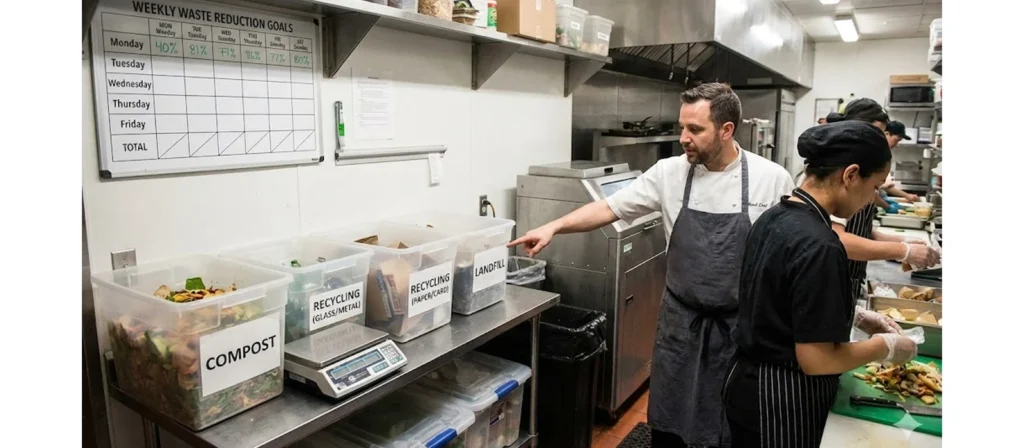
Waste is one of the restaurant industry’s biggest sustainability challenges. Composting organic waste where possible, following strict inventory rotation (FIFO), and donating excess food can significantly reduce landfill contributions.
An emerging best practice is upcycling. Repurposing scraps into broths, sauces, or even new dishes turns waste into value and showcases culinary creativity. This helps restaurants stand out while reinforcing their commitment to sustainability.
4. Sustainable Packaging and Takeout
With the explosive growth of takeout and food delivery, packaging has evolved from a cost center into a strategic opportunity for sustainability and brand differentiation. Today, eco-conscious consumers increasingly evaluate restaurants based on the type of packaging they use. That is where our factory-direct sustainable packaging solutions come in.
Our product line includes a wide range of compostable, biodegradable, and reusable containers made from materials like PLA, sugarcane bagasse, and recyclable paperboard. Unlike traditional plastics or Styrofoam, these solutions naturally break down in composting environments or fit easily into local recycling systems, reducing landfill waste and environmental harm.
For restaurants seeking to elevate their customer experience, we also offer custom-branded packaging that turns every takeaway order into a brand moment. Whether it is a signature bowl made from molded fiber or a leak-proof salad box printed with your logo, sustainable packaging does not mean compromising on performance or aesthetics.
As the demand for eco-friendly dining rises, switching to high-quality, functional, and environmentally responsible packaging is no longer optional. It is a brand imperative. Explore our packaging solutions →
5. Community Engagement and Green Logistics
Sustainability is not just what happens inside your kitchen. It is also how you interact with the world around you. Restaurants can amplify their impact by using environmentally friendly cleaning products, partnering with delivery services that use electric vehicles or optimize delivery routes, and working with local suppliers who share their values.

Meaningful community involvement, such as hosting sustainability workshops, collaborating on local cleanup efforts, or offering space for environmental groups, strengthens your restaurant’s local roots. Customers are increasingly loyal to businesses that do not just talk about values but live them out in real, public ways.
6. Staff Training and Culture Shift
Even the most advanced sustainability strategy will fall flat without staff buy-in. Employees at every level need to understand not just the what, but the why behind green initiatives. Start by incorporating sustainability into onboarding and training materials. Create clear, simple checklists for tasks like waste sorting, energy saving, or sustainable dishwashing.
Recognize and reward participation. Whether it is a waste-reduction challenge or a green shift of the month program, acknowledging staff efforts helps build momentum. Empower employees to contribute ideas. Those on the floor often see inefficiencies and opportunities that managers overlook. Over time, sustainability becomes less of a program and more of a cultural norm.
7. Data, Tools, and Certification
What gets measured gets managed. To ensure your efforts are making a real impact, start tracking key metrics such as energy consumption, water use, waste diversion rates, and supplier sourcing breakdowns. Free or low-cost tools like ClearCOGS, Giki Zero, or Winnow can help restaurants monitor their sustainability data and forecast improvements.
Third-party certification brings credibility and structure. Programs like the Green Restaurant Association, LEED for Restaurants, or the Green Business Bureau offer guidelines, scorecards, and promotional benefits. These signals help customers trust that your actions are real and verified. They also provide a roadmap for continuous improvement and benchmarking across multiple locations.

The Communication Gap & Greenwashing
While many restaurants are eager to embrace sustainability, execution is rarely perfect. Between operational challenges, consumer expectations, and marketing missteps, several hidden risks can limit your progress or undermine your credibility. Understanding these pitfalls and knowing how to communicate your initiatives effectively is essential for lasting success.
1. The Gap Between Consumer Expectations and Restaurant Practices
Modern diners are increasingly vocal about sustainability. They want more than recycled napkins or compostable straws. They expect bold commitments like zero-waste kitchens, reusable packaging systems, and ingredient transparency. However, many restaurants still focus on surface-level improvements that, while helpful, do not fully align with these deeper expectations.
This creates a credibility gap. For example, consumers may hope to see upcycled dishes or closed-loop waste systems, but most restaurants stop at basic recycling or locally sourced ingredients. The opportunity here is clear. Restaurants that can close this expectation gap and do so authentically stand to gain significant loyalty and long-term brand differentiation.
2. Avoiding Greenwashing
In the rush to meet market demands, some restaurants fall into the trap of greenwashing, presenting misleading or exaggerated claims about their environmental efforts. Whether intentional or not, overstating the impact of minor changes can quickly erode trust.

Customers are more informed than ever and can recognize when claims lack substance. Saying “we are eco-friendly” without providing examples, metrics, or third-party verification can do more harm than good. Greenwashing not only damages your brand reputation but may also result in regulatory consequences in regions with stricter advertising standards.
The key is transparency. If your restaurant is early in its sustainability journey, say so. Highlight what you are doing now, and be honest about what still needs work. That level of openness fosters goodwill and positions your brand as trustworthy, even if the process is ongoing.
3. How to Communicate Sustainability Effectively
Surprisingly, a large percentage of restaurants implement sustainable practices but never talk about them. This silence is a lost opportunity. According to industry data, 38 percent of food businesses take measurable eco-friendly actions but fail to communicate them publicly.
Your sustainability story should be woven into your customer experience. Use brief callouts on menus to explain local sourcing, composting, or waste-reduction strategies. Train staff to explain these efforts with sincerity and clarity. Share updates and behind-the-scenes efforts through social media or newsletters, showing customers how you are progressing rather than simply declaring success.
For added credibility, consider third-party certifications such as Green Business Bureau, LEED, or Green Restaurant Association. These provide external validation and a recognizable signal that your business is committed to verified standards, not just good intentions.
Conclusion
Sustainability in restaurants is no longer a side initiative or a temporary campaign. It has become a defining aspect of responsible food service in the twenty-first century. From energy usage and food sourcing to waste management and staff engagement, every decision made within a restaurant contributes either to the problem or to the solution.
The good news is that sustainability is not about perfection. It is about progress. Whether you are running a small café or a multi-location group, there is always a meaningful step you can take today to reduce your environmental impact and strengthen your business in the process. Starting with just one pillar, such as minimizing food waste or optimizing energy use, creates momentum that often leads to broader change.
Importantly, sustainability also builds resilience. Restaurants that embed sustainability into their operations often enjoy more efficient workflows, lower operating costs, greater staff retention, and deeper customer loyalty. These outcomes are not just good for the planet. They are good for business.
The path forward is clear. Choose impact over appearance, transparency over trends, and long-term thinking over short-term gain. Your customers are watching. Your community is counting on you. And your business stands to benefit at every step.
FAQs
What does sustainability in restaurants really mean?
Sustainability in restaurants refers to practices that reduce environmental impact while maintaining business profitability. This includes sourcing local food, minimizing waste, using eco-friendly packaging, and saving energy and water.
How can a small restaurant start implementing sustainable practices?
Even small restaurants can improve sustainability by starting with energy-efficient appliances, offering plant-based menu options, and switching to compostable or recyclable packaging. Tracking waste and training staff are also cost-effective steps.
Why is restaurant sustainability important for long-term success?
Restaurant sustainability builds customer trust, lowers operational costs, and attracts eco-conscious diners. As consumers demand more accountability, sustainability becomes a competitive advantage—not just a trend, but a business necessity.