Have you ever heard of bagasse? This fibrous material is the unsung hero of the sugarcane industry. Once regarded as nothing more than agricultural waste, bagasse is now recognized as a valuable resource with countless practical applications. As industries worldwide seek greener alternatives to plastic and other non-renewable materials, bagasse is stepping into the spotlight as an eco-friendly solution.
In simple terms, bagasse is the residue that remains after sugarcane stalks are crushed to extract juice. Far from being useless, this natural fiber is now repurposed to create a wide range of sustainable products such as bagasse packaging, bagasse cups, bagasse paper, and sugarcane food products. From takeout containers to renewable bioenergy, sugarcane bagasse is proving that waste can be turned into something both practical and environmentally beneficial.
In this article, we’ll break down the bagasse definition, its origins, and the many ways it’s being used across industries. You’ll learn how bagasse products are reducing reliance on plastic, supporting sustainable practices, and helping us reimagine what’s possible with natural resources. Whether you’re an eco-conscious consumer, a business owner, or just curious about innovative materials, this guide will show you why bagasse is more than just a byproduct, it’s a game-changer for the planet.
What Is Bagasse?
When sugarcane is pressed to make sugar, not all of the plant is turned into sweet crystals. What remains is a dry, fibrous material known as bagasse. In simple terms, it is the sugarcane fiber left behind after juice extraction. Made up of cellulose, hemicellulose, and lignin, bagasse has the strength and texture that allow it to be reshaped into useful products.
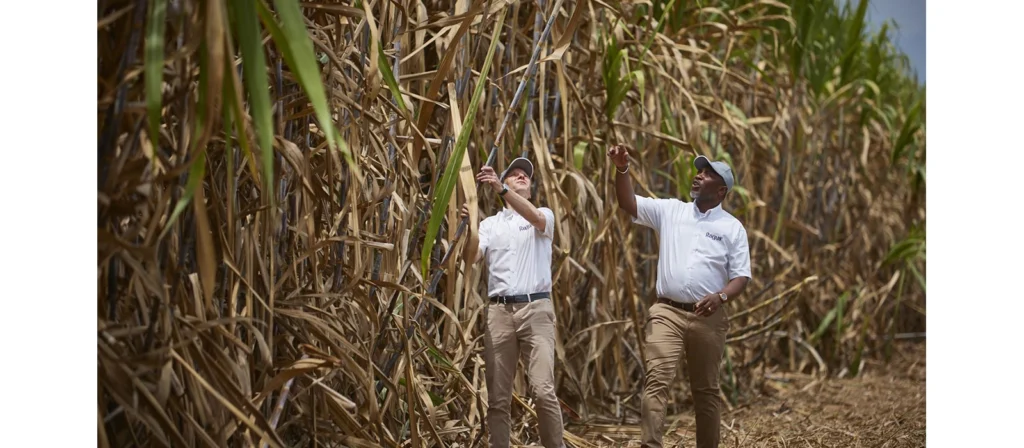
Because sugarcane grows quickly and can be harvested every 12 to 18 months, the supply of sugar cane bagasse is both abundant and renewable. Instead of letting this byproduct go to waste, industries now transform it into everyday goods. Many companies already rely on it to produce bagasse packaging, bagasse cups, and bagasse paper, reducing dependence on non-renewable materials while keeping waste out of landfills.
The true value of bagasse lies in its ability to bridge agriculture and sustainability. On one hand, it provides sugar-producing regions with an efficient way to handle large amounts of leftover plant matter. On the other, it creates a pathway toward greener consumer choices by replacing plastics and wood-based products. In this sense, the bagasse meaning extends far beyond its role as a residue. It is becoming a cornerstone of eco-friendly design, practical innovation, and circular resource management.
How Bagasse Is Produced from Sugarcane
The journey from sugarcane field to a finished product is a model of circular design. After the juice is extracted in a sugar mill, the leftover bagasse pulp is collected instead of being discarded. This raw fiber is then cleaned and processed before being molded into biodegradable tableware and packaging.
As the image shows, the fibrous pulp can be molded into biodegradable tableware and packaging products. These items are sturdy enough for daily use yet completely compostable after disposal. Once thrown away, bagasse products do not linger in the environment like plastics. They break down naturally, returning nutrients to the soil and supporting a cycle of regeneration. In this way, bagasse from sugarcane closes the loop from field to product and back to nature.
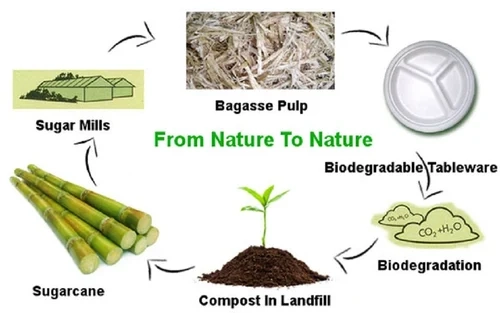
This process demonstrates that bagasse, as a renewable resource, can replace plastic, reduce pressure on landfills, and contribute to a circular economy. By giving bagasse a second life, industry is turning it into a key solution for sustainable development.
The Environmental Benefits of Bagasse
Reducing Waste and Emissions
Traditionally, leftover sugarcane fiber was either discarded in landfills or burned without efficient energy recovery. Both methods had drawbacks: landfill disposal came with costs and methane emissions, while uncontrolled burning added carbon dioxide to the atmosphere. By reusing sugarcane bagasse instead of wasting it, industries can lower greenhouse gas emissions and reduce the burden on waste management systems.
Supporting a Circular Economy
Unlike a linear economy that follows a “take–make–dispose” model, bagasse fits naturally into a circular system. After sugarcane is processed, the bagasse fiber can be turned into packaging, paper, bioenergy, or even natural fertilizers. Some processes also convert bagasse into bioplastics, which are applied in packaging, cosmetics, and medical products. These products eventually return to the environment through composting, closing the loop and promoting resource efficiency.
Compostability and Soil Enrichment
One of the strongest advantages of bagasse products is their ability to biodegrade. A bagasse cup or plate, when composted, breaks down within months and turns into nutrient-rich organic matter. This compost can be used to improve soil quality in agriculture or gardening. Unlike plastics that persist for centuries, bagasse from sugarcane contributes to a natural cycle that enriches the environment instead of harming it.
Lower Carbon Footprint
The production of bagasse packaging uses less energy than manufacturing plastics or traditional paper. Since the raw material is already a byproduct of sugar production, no additional farming, logging, or fossil-fuel inputs are required. This efficient use of resources reduces the overall carbon footprint, making sugar cane bagasse one of the most climate-friendly options available.
Mitigates Deforestation
Because bagasse paper and molded fiber products can replace wood pulp, they ease the demand for tree-based raw materials. This helps mitigate deforestation, conserve biodiversity, and protect ecosystems that would otherwise be cut down to supply paper mills. By shifting from wood to bagasse fiber, industries support a more responsible use of agricultural byproducts while keeping forests intact.
Bagasse Compared with Paper Products
| Aspect | Bagasse Products | Traditional Paper Products |
|---|---|---|
| Raw Material Source | Made from sugarcane bagasse, a byproduct of sugar extraction. Requires no extra farming or deforestation. | Produced from wood pulp, which comes from trees with long growth cycles and requires logging. |
| Renewability | Sugarcane grows in 12–18 months, ensuring a steady and renewable supply of sugarcane fiber. | Trees take years or even decades to mature, making paper less rapidly renewable. |
| Environmental Impact | Reuses agricultural residue, reducing waste and lowering pressure on land use. Helps mitigate deforestation. | Linked to deforestation, biodiversity loss, and high water consumption during processing. |
| Energy and Emissions | Production of bagasse paper is less energy-intensive and results in a lower carbon footprint. | Conventional paper production consumes more energy and emits higher levels of greenhouse gases. |
| End-of-Life | Fully biodegradable and compostable. Bagasse packaging and cups naturally return to the soil within months. | Paper biodegrades, but coatings or chemical treatments may slow decomposition. |
How Long Do Bagasse Products Take to Decompose?
One of the defining features of bagasse products is how quickly they break down compared to plastics. While a plastic cup or container may persist for centuries, items such as bowls, trays, and bagasse cups can fully decompose within 60 to 90 days in industrial composting conditions. Under home composting or natural soil, where temperatures are lower and less controlled, decomposition usually takes 90 to 120 days, which is still remarkably fast compared with plastics or coated paper.
Temperature and moisture levels play an important role in this process. In composting facilities, where heat often reaches 55–60°C and moisture is carefully balanced, bagasse packaging can disintegrate in as little as 45 days. In cooler, drier environments, the process slows, but sugarcane bagasse still breaks down within months rather than decades. According to BioleaderPack, thin items like plates and takeout boxes typically degrade faster than thicker trays or cutlery.
This relatively short breakdown time also means that bagasse from sugarcane is more than just waste reduction—it actively contributes to soil enrichment. Once composted, the fibers return as nutrient-rich organic matter that can be used in agriculture and gardening, reinforcing the value of bagasse as both a practical and sustainable material for disposable food packaging.
Bagasse Products: Tableware and Food Packaging
Food Containers
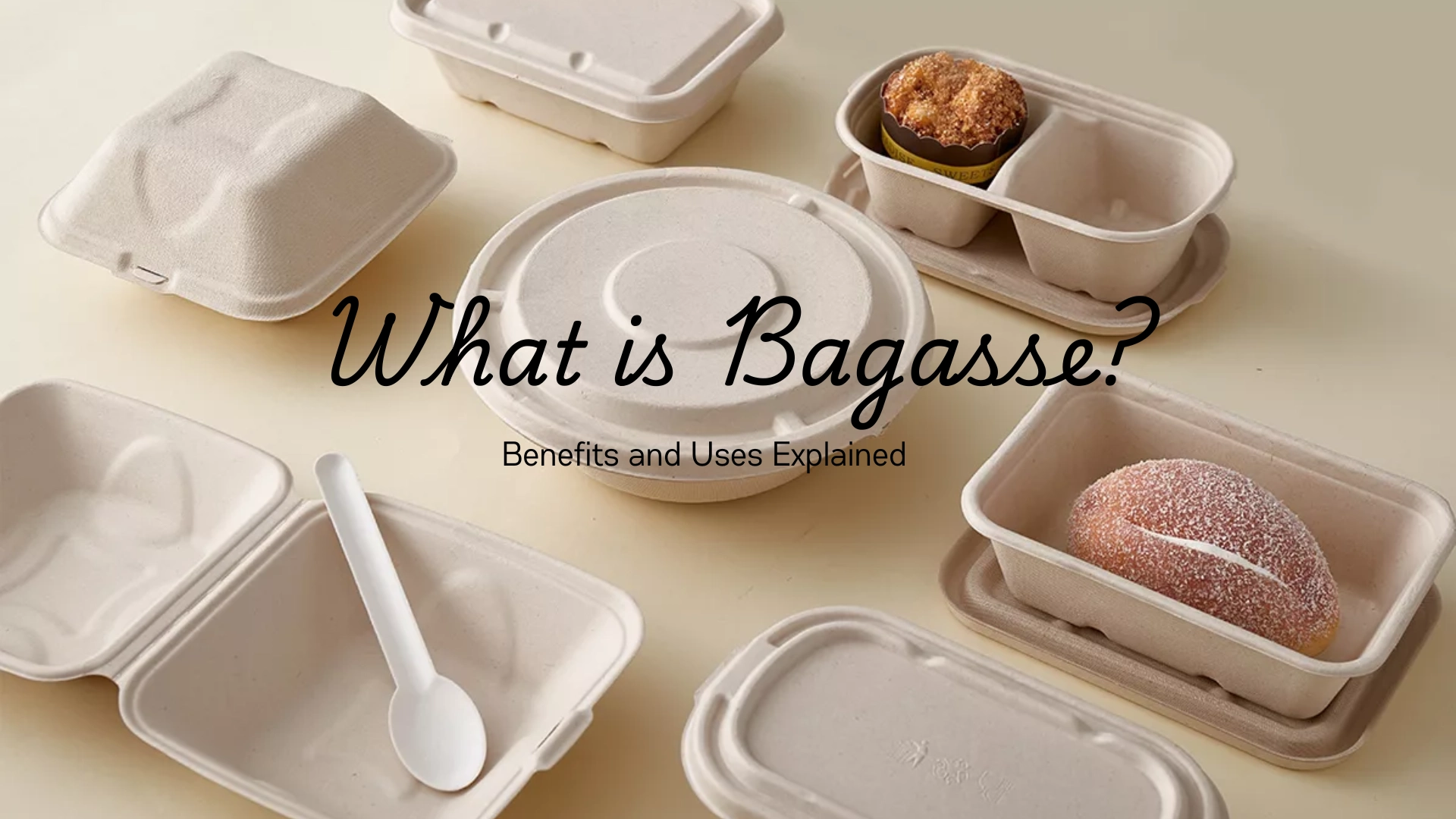
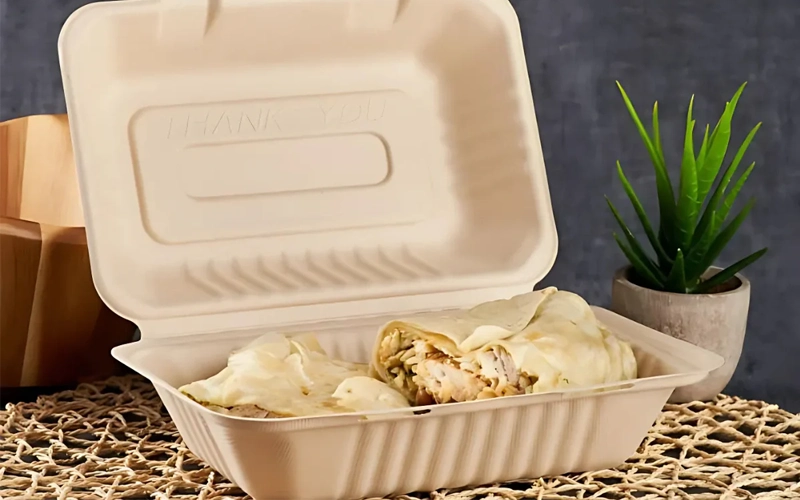
Bagasse food containers are designed to meet the demands of modern takeout and dine-in service. They come in multiple forms, including takeout boxes for rice, noodles, or saucy dishes, compostable bowls for soups, salads, and pasta, and trays & plates suitable for buffet or cafeteria service. There are even dedicated French fries packaging options that help maintain crispness while preventing grease stains. These containers are leak-resistant, stackable for efficient storage, and compatible with both hot and cold meals, making them a reliable choice for restaurants and catering businesses.
Cups & Lids
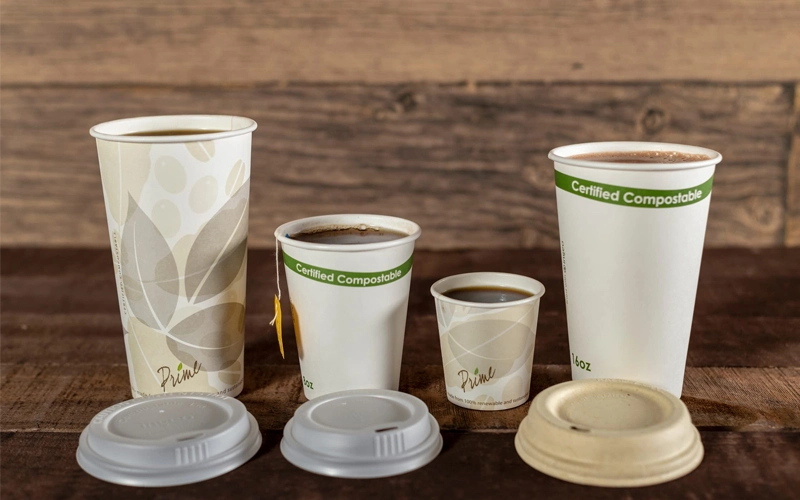
Bagasse cups and lids are tailored for beverage service in cafés, fast-food chains, and large events. They are available in different sizes for coffee, tea, smoothies, and cold drinks. The lids fit tightly to prevent spills and can be paired with straws when needed. Unlike paper cups that often require a plastic lining, bagasse cups maintain structural strength on their own. They also insulate drinks well, helping to keep hot beverages warm and cold drinks refreshing.
Cutlery & Tableware
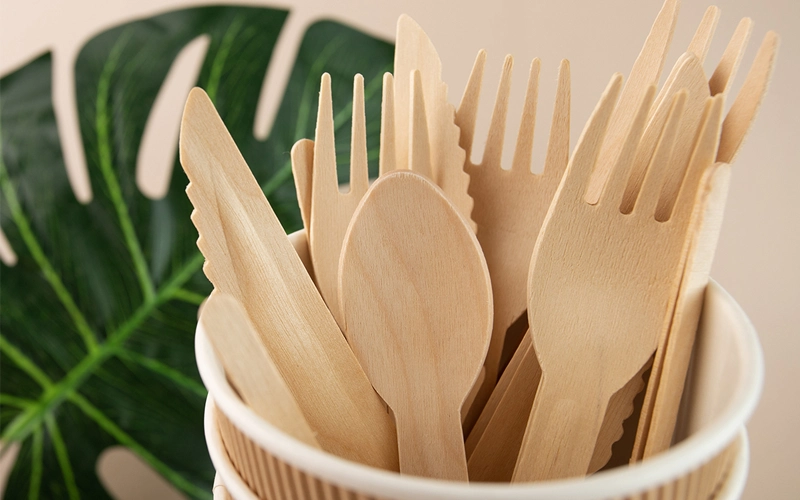
The range of bagasse cutlery and tableware includes knives, forks, spoons, serving utensils, compartment trays, round and square plates, and large platters. These products are engineered to handle hot foods, oily dishes, and everyday wear during service. Their sturdy build makes them comfortable to use without bending or breaking, and the uniform design gives restaurants and catering businesses a professional presentation.
Straws
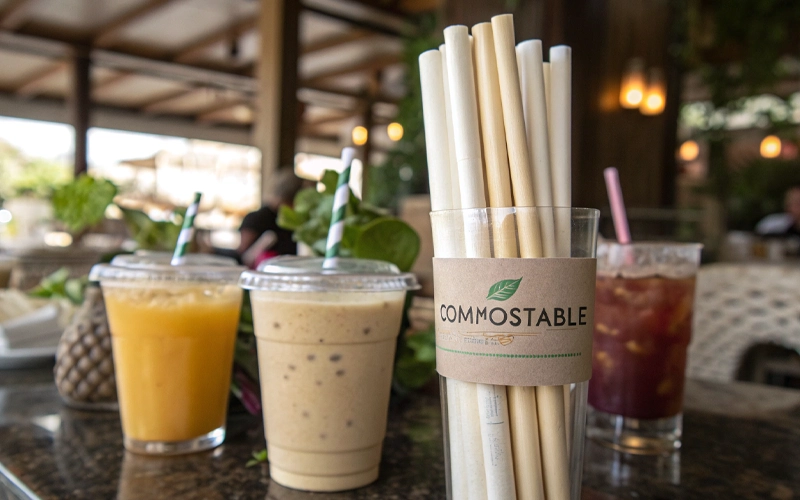
Bagasse straws have become a standout product in the food-service sector. Unlike paper straws that soften quickly, bagasse straws remain firm even in hot drinks. They are smooth to the touch, neutral in taste, and available in various lengths and diameters to suit everything from cocktails to smoothies. This makes them practical for cafés, bars, and quick-service restaurants looking for reliable alternatives to plastic straws.
Packaging Bags
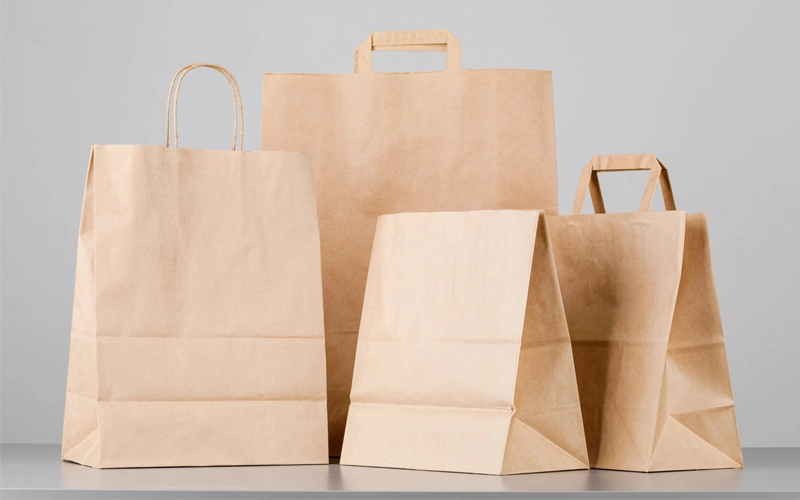
In addition to tableware, bagasse bags are gaining popularity as multipurpose carriers. They can be used for groceries, takeaway orders, or household items. The material is strong enough to handle daily use, while still lightweight and foldable. For businesses, these bags can also be custom-branded, making them a versatile packaging solution that complements other sugarcane packaging options.
Do Bagasse Products Contain PFAS?
Per- and polyfluoroalkyl substances (PFAS) are a group of man-made chemicals often used in food packaging because they resist water, oil, and grease. While this property makes them useful for takeout containers, specialists have linked PFAS exposure to health risks such as cancer, liver damage, and fertility issues.
When it comes to bagasse packaging, PFAS is not necessary for durability. The natural composition of sugarcane bagasse fiber already provides strength and grease resistance without chemical treatment. During the pulp extraction stage, no PFAS or similar substances are added. However, in the final stage of converting pulp into bagasse cups, bowls, or takeout boxes, some manufacturers may still choose to apply PFAS coatings to enhance performance.
On our website, we want to make this absolutely clear: our bagasse products do not contain PFAS. Every container, plate, cup, and lid we supply relies solely on the natural qualities of bagasse from sugarcane. This ensures that our packaging is safe for food contact, biodegradable, and fully compostable without introducing harmful chemicals into the environment or the food chain.
Conclusion: Why Bagasse Matters Today
From being treated as agricultural waste to becoming one of the most promising sustainable materials, bagasse has truly changed its role in modern industries. Made from the fibrous residue of sugarcane, it is not only abundant and renewable but also versatile enough to be transformed into cups, lids, food containers, tableware, straws, and even bags.
If you’re ready to move away from plastics and switch to more sustainable options, consider trying our range of bagasse packaging products. From takeout boxes and compostable bowls to cups, lids, straws, and cutlery, every item is designed to perform reliably while protecting the planet. All our products are PFAS-free, compostable, and made from renewable sugarcane bagasse.