
You might think that buying products labeled “eco-friendly,”“natural,”or“sustainable”means you’re helping the planet. But what if many of those claims are not true? Behind the soft green colors, the recycled-looking packaging, and the comforting slogans often lies a marketing illusion carefully crafted to win your trust, not to protect the environment. This deceptive strategy has quietly shaped modern consumer behavior, and it has a name: greenwashing.
The problem runs deeper than clever packaging or a few misleading words. Greenwashing manipulates public perception, derails meaningful climate progress, and allows powerful companies to profit from environmental concern without making real change. It creates confusion for consumers who genuinely want to make responsible choices, and it makes it harder for truly sustainable brands to stand out. At a time when climate action is more urgent than ever, false promises are not just frustrating, they are harmful.
This is why it is critical to understand what greenwashing is, how it works, and why it threatens real sustainability. In this article, you will gain a clear view of the tactics companies use, the damage it causes across industries, and the steps you can take to avoid being misled. Whether you are a conscious consumer, an ethical business owner, or simply someone who wants the truth, this guide will give you the clarity you need to make better decisions.
What Is Greenwashing
Greenwashing is a marketing practice in which a company presents its products, services, or overall brand as environmentally responsible without taking actions that genuinely support sustainability. The goal is to create the impression of ecological awareness, often to influence consumer decisions or improve public image, even when the company’s actual practices remain unchanged or environmentally harmful.

The term itself combines “green,” representing environmental consciousness, with “whitewashing,” which means covering up unpleasant truths. In the context of business and advertising, greenwashing refers to exaggerating, fabricating, or selectively promoting information to make something appear more eco-friendly than it really is. This can occur through packaging, slogans, advertising campaigns, product labels, or even corporate social responsibility reports.
Greenwashing is not always outright lying. In many cases, it involves misleading by omission, using vague terminology, or highlighting a minor sustainable feature while ignoring more significant environmental impacts. A product might claim to be made with “sustainable materials” without explaining what that means, or a brand might focus heavily on a recycling initiative while continuing unsustainable production methods. These tactics make it difficult for consumers to assess the true environmental value of what they are buying.
The Origin and Evolution of Greenwashing
The term “greenwashing” was first coined in 1986 by environmentalist Jay Westerveld. At the time, he criticized a hotel’s campaign that encouraged guests to reuse towels as a way to help the environment. While the messaging suggested environmental concern, Westerveld pointed out that the hotel’s broader operations showed little evidence of any meaningful environmental commitment. The towel campaign, he argued, was more about saving money than saving resources.

Since then, the term has taken on broader meaning as businesses across industries have increasingly used environmental language in their marketing. In the late 20th century, public awareness of environmental issues began to rise. Concerns about pollution, deforestation, and climate change started to influence consumer preferences. Companies quickly recognized that aligning their brand with environmental values could improve their image and increase profits.
What began as isolated cases of misleading advertising has gradually turned into a common feature of mainstream marketing. Over time, greenwashing has evolved into a set of strategies, including selective storytelling, vague terminology, and superficial sustainability claims. With the growing popularity of “green” consumerism, many businesses now incorporate environmental themes into their branding, even if those themes have little or no connection to actual practices or products.
Why Companies Engage in Greenwashing
Financial Incentives and Market Appeal
One major reason companies engage in greenwashing is the financial incentive. Sustainability has become a powerful selling point, capable of boosting brand appeal and customer loyalty. Businesses that market themselves as environmentally responsible can attract a broader audience and often command higher prices, particularly in industries such as fashion, cosmetics, food, and home goods. In some sectors, green claims are now seen as essential for maintaining relevance. When environmental credentials influence purchasing decisions, companies have strong motivation to adopt green messaging even if they do not follow through with green practices.
Competitive Pressure Across Industries
Another factor is competitive pressure. When rival companies adopt green branding, others may feel compelled to do the same in order to maintain their market position. This creates a ripple effect across industries where environmental narratives become standard marketing language, regardless of substance. In highly competitive markets, even companies that make small improvements may exaggerate them to keep up with the messaging of others, perpetuating a cycle where perception becomes more valuable than progress.

Reputation Management and Public Image Control
Greenwashing can also serve as a form of reputational insurance. Companies in industries with significant environmental impact, such as fossil fuels, agriculture, aviation, and fast fashion, often use green messaging to counteract criticism and rebuild public trust. Highlighting environmental initiatives, however minor, can help shift attention away from damaging practices. In these cases, the goal is less about attracting eco-conscious customers and more about shaping public opinion, avoiding regulatory scrutiny, and minimizing reputational risk.
Weak Regulations and Internal Misunderstanding
In some instances, greenwashing is unintentional. A lack of understanding within companies about what true sustainability entails can lead to campaigns that misrepresent their environmental impact. Marketing departments may focus on surface-level initiatives without consulting sustainability experts or evaluating the full life cycle of a product. While not always malicious, these cases still contribute to consumer confusion and make it harder to distinguish between genuine progress and empty claims.
Finally, regulatory gaps make greenwashing relatively low-risk. In many regions, environmental advertising is poorly defined and inconsistently enforced. Without clear standards or penalties, companies face little consequence for stretching the truth or using misleading terminology. As long as there is weak oversight, greenwashing will remain a tempting strategy for businesses seeking to protect profits while appearing progressive.
Real Cases of Greenwashing Across Major Industries
Greenwashing in Fast Fashion: The Case of H&M
The fashion industry, especially fast fashion, has frequently been criticized for its environmental impact. Among the most cited examples is H&M’s “Conscious” collection, marketed as a sustainable clothing line made from recycled or organic materials. While the branding emphasizes eco-responsibility, investigations have shown that many items in the collection lack transparency regarding sourcing, production methods, or material percentages.
In 2022, the Norwegian Consumer Authority issued a formal warning to H&M over misleading sustainability claims, stating that the company failed to provide adequate evidence to justify the eco-labeling of its Conscious products. Critics argue that highlighting one environmentally themed product line does little to offset the high-volume, resource-intensive business model that defines fast fashion as a whole. The selective presentation of sustainability data, without broader operational change, has become a hallmark of greenwashing in the fashion world.

Food and Beverage: Nestlé’s “Sustainable” Water Claims
Nestlé, one of the world’s largest food and beverage corporations, has faced ongoing scrutiny for its environmental claims, particularly in its bottled water division. The company has promoted brands like Poland Spring and Pure Life as sustainable choices, often emphasizing water stewardship and environmentally friendly packaging. However, lawsuits and investigations have challenged these claim
In 2021, Nestlé was sued in the United States for misleading consumers about the origins and sustainability of its Poland Spring bottled water. The lawsuit alleged that the product was not sourced from genuine springs, contradicting its marketing narrative. Additionally, while Nestlé has pledged to reduce plastic use and invest in recycling, environmental groups have pointed out that the company remains one of the world’s top plastic polluters year after year, according to audits by organizations such as Break Free From Plastic.
These contradictions between brand messaging and operational impact have led many to question the sincerity of Nestlé’s sustainability initiatives, positioning them as a clear example of greenwashing within the food and beverage industry.
Energy: BP’s Rebranding as “Beyond Petroleum”
One of the most widely referenced cases of corporate greenwashing comes from the energy sector. British Petroleum (BP), a multinational oil and gas company, launched a major rebranding campaign in the early 2000s under the slogan “Beyond Petroleum.” The campaign introduced a bright green and yellow logo, eco-themed advertising, and public commitments to renewable energy investments.
Despite the rebranding, BP continued to invest heavily in fossil fuel exploration and production. According to independent analysis, the company’s renewable energy spending remained a small fraction of its overall budget. The campaign was largely seen as a strategic effort to soften BP’s public image following years of criticism over oil spills and environmental degradation.
Public skepticism intensified after the Deepwater Horizon disaster in 2010, one of the worst environmental catastrophes in history, for which BP was held responsible. The disconnect between BP’s green image and its environmental record further highlighted the gap between marketing and action in the energy industry.

How Greenwashing Hurts Sustainability
Breaks Consumer Confidence in Sustainability
When a product promoted as eco-friendly turns out to be misleading, it damages more than just one brand. It creates doubt that spreads across the marketplace. A customer who feels deceived by one label may hesitate before trusting another. This hesitation does not only affect dishonest brands but also impacts those genuinely trying to improve their practices. As skepticism increases, fewer people feel confident choosing environmentally responsible options, which ultimately lowers support for authentic sustainability efforts.
Delays Real Change Inside Businesses
Greenwashing gives companies an easier path forward. Instead of rethinking their systems, sourcing ethical materials, or reducing emissions, they can focus on messaging and appear progressive without making substantial changes. This postpones the operational decisions that true sustainability requires. For instance, a brand may promote a tree-planting campaign while continuing to overproduce plastic packaging. Although the campaign sounds positive, it does little to address the core issue. When this approach becomes widespread, entire industries slow their progress.
Undercuts Responsible Competitors
Some companies are choosing to invest in real solutions by updating production methods, verifying supply chains, and minimizing waste. These efforts often require more time and resources. However, when competing businesses use greenwashing to create a similar image without taking the same steps, it creates an uneven playing field. Responsible brands may struggle to maintain visibility or price competitiveness despite offering greater environmental value. As a result, businesses that commit to long-term change often lose ground to those focused only on appearance.
Sends the Wrong Signals to Investors
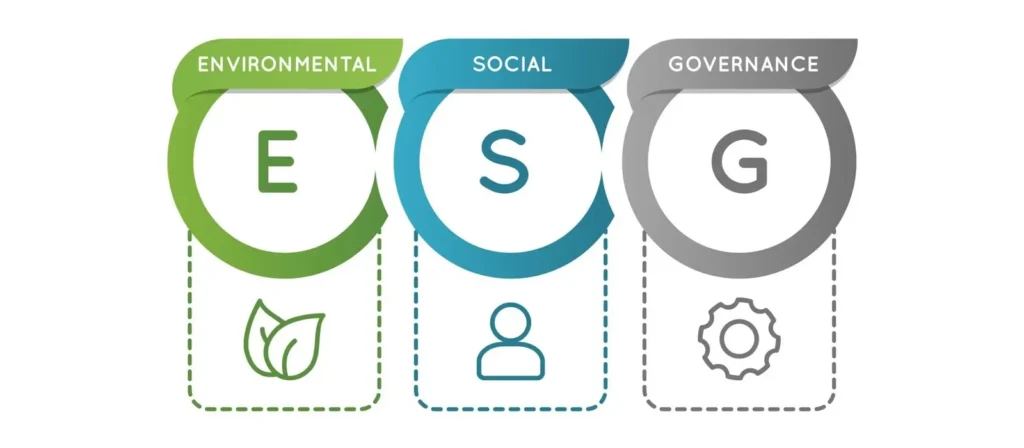
More investors are seeking to fund companies that demonstrate environmental responsibility. However, when businesses overstate their sustainability credentials, they distort the information that financial decision-makers rely on. This can lead to capital being allocated to companies that are not actually aligned with ESG goals. In turn, it reduces the market’s ability to reward genuine innovation and lowers the effectiveness of investment tools designed to support positive change. It also increases the risk of backlash when inaccurate claims are uncovered.
Makes Sustainability Harder to Define and Measure
One of the most serious effects of greenwashing is how it weakens the definition of sustainability. If companies are allowed to label their products or operations as green without consistent standards or verification, the term begins to lose clarity. Certifications become less meaningful, benchmarks become harder to apply, and progress becomes difficult to track. Without a shared understanding of what sustainability actually involves, consumers, regulators, and businesses all face challenges in making informed, effective decisions.
Is Greenwashing Illegal in the United States?
In the United States, greenwashing is not addressed through a single, dedicated federal law. However, that does not mean it is entirely legal. Misleading environmental claims fall under broader consumer protection laws, which are enforced by the Federal Trade Commission. The FTC has the authority to investigate and penalize companies that engage in deceptive or unfair marketing practices, including those involving false or exaggerated sustainability claims.
The primary tool the FTC uses in this area is the Green Guides, a set of guidelines originally introduced The main regulatory guidance in this area comes from the FTC’s Green Guides. These were first introduced in 1992 and last updated in 2012. The Green Guides help businesses understand how to make accurate environmental marketing claims. They explain how terms such as biodegradable, recyclable, carbon neutral, and non-toxic should be used, and what kind of evidence is needed to support these statements.

While the Green Guides are not laws in themselves, they are used to evaluate whether a company’s marketing violates the Federal Trade Commission Act. If a business uses vague or unqualified environmental language without proper context or proof, it may be subject to enforcement action. This can include financial penalties, required changes to advertising, or legal settlements.
There have been several cases in recent years where the FTC has intervened. These include companies making unsupported claims about plastic biodegradability, recyclable materials, or carbon offsets. These actions show that the agency is paying attention to environmental marketing and is prepared to act when necessary, although enforcement is still selective and depends on available resources.
Some state governments also play a role. Attorneys general in certain states have filed lawsuits under local consumer protection laws when companies make misleading environmental claims. These state-level actions add pressure on businesses to be more accurate and transparent, though regulations differ depending on the state.
In summary, greenwashing is not officially labeled as a crime under U.S. law, but it can become illegal when it crosses the line into deceptive advertising. The FTC and state agencies can hold companies accountable when they mislead consumers, and public demand for stricter oversight continues to grow.
Conclusion
Greenwashing is not just a branding issue. It is a barrier to real environmental progress. Throughout this article, we have seen how companies use it to shape public perception, delay meaningful action, and create confusion in markets where clarity is needed most. The problem is not limited to one industry or one region. It affects how people shop, how investors allocate capital, and how governments evaluate environmental claims.
The challenge for consumers is that greenwashing often looks convincing on the surface. It uses familiar language, appealing visuals, and selective facts to influence decision-making. That is why awareness is the first step toward change. Once people understand what greenwashing is and how to recognize it, they are in a stronger position to demand better. They can support companies that offer transparency, question those that rely on vague claims, and help shift attention to real performance over public image.
Accountability does not begin with regulation alone. It begins with knowledge. By learning how greenwashing works and calling it out when we see it, we contribute to a culture where sustainability is earned, not claimed. The more we value honesty over appearance, the harder it becomes for greenwashing to survive.
FAQs
Why do so many companies talk about being eco-friendly?
Environmental topics have become part of everyday conversation, and companies know that people care about sustainability. Talking about being green helps brands appeal to modern consumers who want to make responsible choices. Some businesses genuinely try to improve, while others focus more on what sounds appealing than on what truly helps the environment.
What makes a sustainability claim believable?
A reliable claim usually includes clear details that can be checked. Instead of short slogans or emotional language, trustworthy companies share measurable results, name the organizations that verify their data, and update their progress over time. Real change is usually backed by information that anyone can access, not by marketing language alone.
How is the European Union dealing with greenwashing?
The EU is introducing stricter rules to stop companies from making vague or unverified environmental claims. Brands must now provide clear evidence when promoting products as sustainable.
Is greenwashing ever unintentional?
Sometimes it is. Companies might use terms like “green” or “natural” without fully understanding what those words imply. A lack of knowledge or internal coordination can lead to confusing communication even when there is no intent to deceive. That is why accurate language and external verification are so important in sustainability messaging.