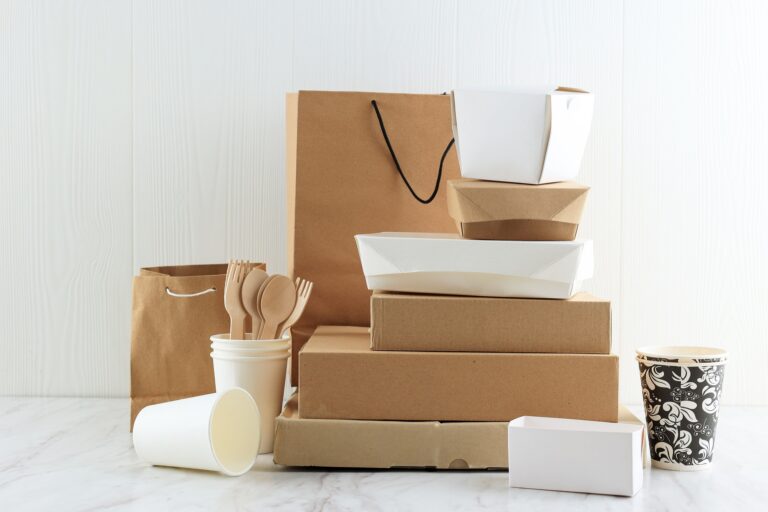
You have probably seen Kraft paper in food containers, shopping bags, and product boxes. But have you ever wondered why it is so popular?
Kraft paper is made through a unique chemical process that gives it exceptional strength and a natural appearance. Its compostable and recyclable nature makes it a top choice for sustainable packaging.
If you are looking to improve your packaging strategy while meeting sustainability goals, understanding the role of Kraft paper is essential. Keep reading to learn how this material meets the demands of modern businesses.
What is Kraft Paper?
Kraft paper is a strong, durable, and versatile type of paper widely used in the packaging industry. The name “kraft” comes from the German word for “strength,” which perfectly reflects its primary characteristic. It is typically brown in color but can also be bleached to a lighter shade depending on its intended use.
Unlike many other types of paper, kraft paper retains a slightly coarse texture and is thicker and more tear-resistant. These features make it highly suitable for packaging applications where durability and protection are essential. It’s also notable for being biodegradable, recyclable, and produced with fewer toxic chemicals, contributing to its reputation as an eco-conscious packaging material.
Thanks to its impressive load-bearing capacity and environmentally friendly properties, kraft paper is now used in a wide range of industries, from food and retail packaging to industrial wrapping and e-commerce shipments. As sustainable practices continue to shape consumer preferences, kraft paper is increasingly recognized as a responsible alternative to plastic and non-recyclable materials.
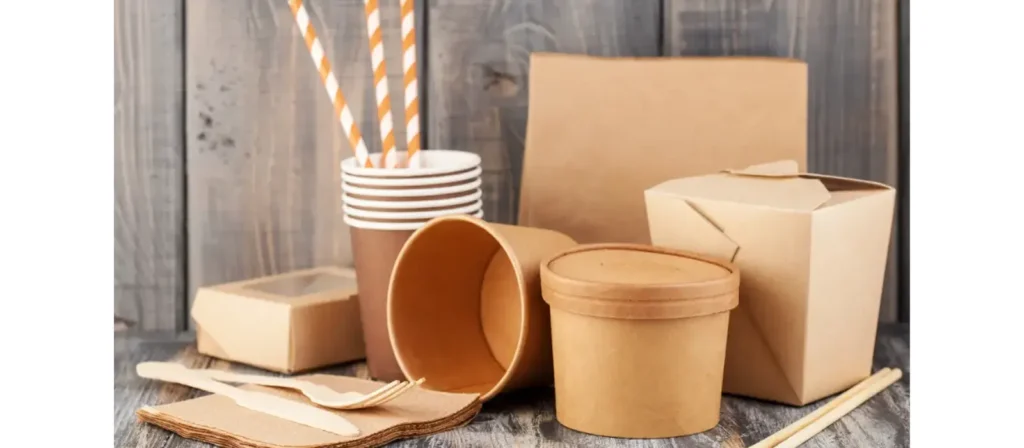
Kraft vs Regular Paper
- Stronger and More Durable
Kraft paper is tougher and more resistant to tearing, making it ideal for carrying heavy items, packaging, and shipping. It helps protect contents more effectively. - Natural Appearance
Its brown color comes from minimal bleaching, giving it a raw and eco-friendly look. In contrast, regular paper is usually white due to chemical processing. - Eco-Friendly and Low Processing
Kraft paper uses fewer chemicals and is made from sustainable wood pulp. It is easy to recycle and breaks down naturally in the environment. - Different Use Cases
Regular paper is mostly used for printing and writing. Kraft paper is more suitable for packaging, crafts, and even food wrapping due to its durability.
How Is Kraft Paper Produced?
Kraft paper is produced using a specialized chemical pulping process known as the kraft process, which was first developed in 1879 by Carl F. Dahl, a German chemist.
Production begins with raw wood, most often from softwood trees such as pine or spruce. These trees are selected because they contain long fibers that contribute to the paper’s strength. The wood is chipped into small pieces and then cooked in a solution of sodium hydroxide and sodium sulfide, known collectively as white liquor. This chemical bath separates lignin from the cellulose fibers without damaging the fibers themselves, which are essential for producing strong paper.
After cooking, the resulting pulp is separated from the spent chemicals and washed thoroughly. It is then screened to remove any remaining wood particles. Depending on the desired end-product, the pulp may remain unbleached, resulting in the natural brown kraft paper, or go through a bleaching process to produce white kraft paper for specific applications like food-grade packaging or printing.
One of Carl Dahl’s key innovations was designing the kraft process to be energy-efficient and sustainable. Most of the chemicals used in the pulping process can be recovered and reused, and the energy generated from burning the dissolved lignin byproduct is often used to power the paper mill itself. This closed-loop system significantly reduces waste and environmental impact.
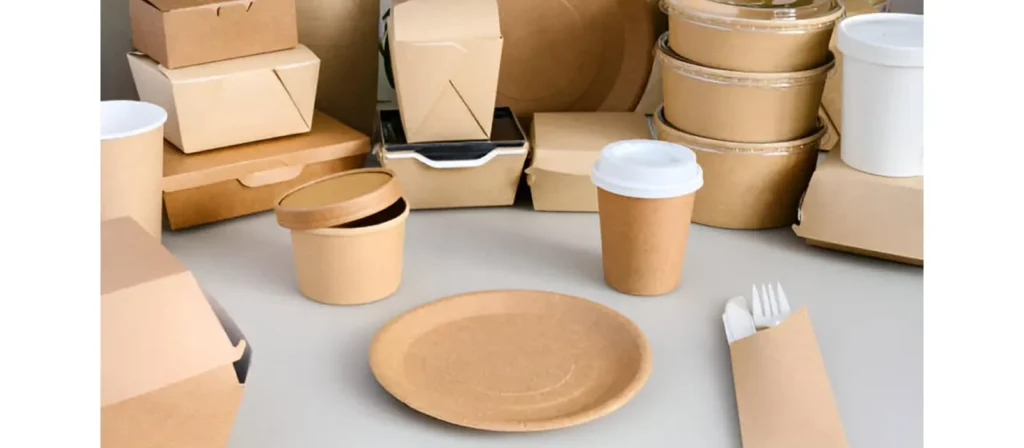
Types of kraft paper
Kraft paper comes in a variety of forms, each tailored for specific applications based on strength, finish, thickness, and treatment. Understanding the different types of Kraft paper helps businesses choose the right material for their packaging, printing, or industrial needs.
1. Natural Kraft Paper
This type of Kraft is unbleached and retains its original brown color. Known for its high tensile strength and eco-friendly appeal, it is ideal for general packaging, grocery bags, food wraps, and protective wrapping in shipping. This type of kraft is commonly used where printing is not a primary concern. Its durability and biodegradability make it a go-to choice for industries ranging from food service to e-commerce logistics.
Key Features:
- Unbleached, brown tone
- Tear-resistant and durable
- Biodegradable and recyclable
2. Bleached Kraft Paper
This type of Kraft is produced by chemically treating natural kraft to remove its brown color, resulting in a clean white surface. It offers a smoother texture and better printability, making it suitable for retail packaging, branded wraps, labels, and even some food packaging when certified. Though slightly less strong than unbleached kraft, it is preferred in applications requiring a refined or premium look.
Key Features:
- Clean white finish for premium presentation
- Smooth surface for high-quality printing
- Suitable for retail and food-grade use
3. Coated Kraft Paper
Coated kraft paper is treated with materials such as polyethylene (PE), wax, or silicone to improve resistance to moisture, grease, or heat. Depending on the coating, it may be waterproof, non-stick, or greaseproof. It is widely used in industrial wrapping, meat packaging, frozen food liners, and protective lamination for hardware or tools.
Key Features:
- Enhanced moisture or grease resistance
- Available in PE, wax, or silicone-coated options
- Suitable for food and industrial packaging
4. Recycled Kraft Paper
This type of Kraft is made from post-consumer or industrial recycled pulp. It is a sustainable and budget-friendly solution for filler, inner wrap, and non-load-bearing packaging. Though not as strong as virgin kraft, it is sufficient for most lightweight or secondary packaging uses in logistics and retail.
Key Features:
- Made from recycled materials
- Lower cost and lower strength
- Great for eco-conscious applications
5. Greaseproof Kraft Paper
This type of Kraft is engineered to resist oil and grease without requiring a plastic coating. Its dense fiber structure provides a natural barrier that makes it ideal for wrapping fried foods, baked goods, or oily items. It is also used in industrial applications requiring clean, dry surface protection without film layers.
Key Features:
- Naturally oil- and grease-resistant
- Breathable and food-safe
- No plastic coating needed
6. Sack Kraft Paper
This type of Kraft is a heavy-duty type designed for strength and toughness. It is most commonly used in multi-ply industrial sacks for bulk materials such as cement, grain, or pet food. It offers superior tensile strength and high stretch resistance, helping prevent tearing under weight or during transport.
Key Features:
- Designed for high-load packaging
- Excellent tensile and burst strength
- Common in cement, agriculture, and chemicals
How is Kraft Paper Used in Packaging?
Kraft paper is one of the most adaptable materials in the packaging industry, offering a wide range of applications. Its usage spans multiple industries, from food and retail to logistics and heavy-duty industrial packaging. Its balance of strength, versatility, and eco-friendliness makes it a preferred choice across multiple sectors.
1. Food Packaging
Kraft paper is widely used to make burger wraps, bakery bags, sandwich sleeves, pizza liners, and takeaway boxes. With greaseproof or moisture-resistant coatings, it can securely package oily, wet, or hot food items. Many cafés, restaurants, and bakeries rely on kraft-based materials to deliver a natural, eco-conscious brand image.
2. Shopping and Carry Bags
Retailers use this material to create durable shopping bags with handles, replacing traditional plastic options. These paper bags can withstand heavy loads while presenting a sustainable alternative that resonates with environmentally aware consumers.
3. Wrapping and Cushioning
In e-commerce and shipping, kraft paper is a go-to material for protective wrapping, void fill, and cushioning. Its tear resistance helps safeguard fragile products during transit, and crumpled versions are often used as an effective alternative to plastic-based bubble wrap.
4. Corrugated and Carton Packaging
Kraft paper plays a vital role in the construction of corrugated boxes and carton board liners. It provides the structural strength needed for shipping boxes, subscription kits, and industrial-grade containers, helping ensure product safety and stability.
5. Branded Packaging and Print Applications
Because this material has a textured surface that holds ink well, it’s ideal for custom-printed sleeves, product labels, and branded food wraps. Its natural tone adds a rustic and authentic feel to packaging, making it especially appealing for eco-conscious or artisanal brands.
6. Industrial Uses
Beyond food and retail, kraft paper is used in applications such as multi-ply sacks for cement or flour, interleaving sheets for metal products, and laminated rolls for moisture-resistant packaging. These examples highlight its durability and ability to meet specialized industrial demands.
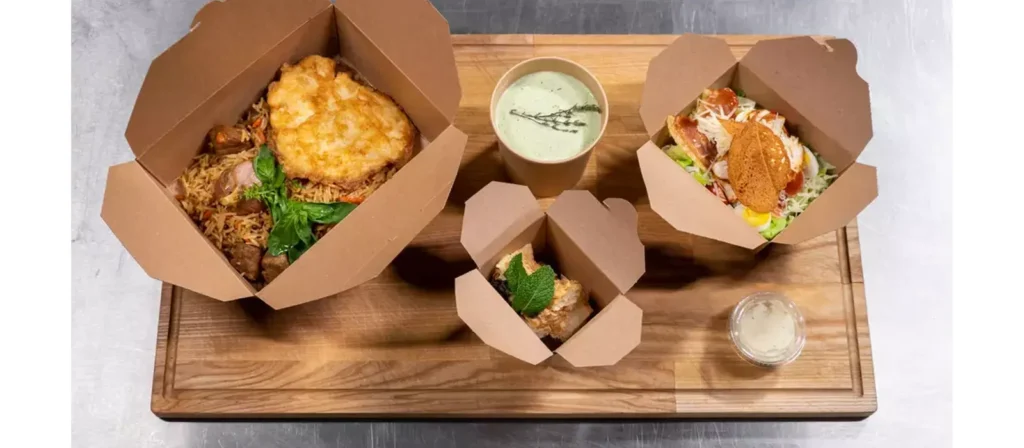
The Benefits of Kraft Paper in Food Packaging
Kraft paper has become one of the most trusted materials in the food packaging sector because it strikes a balance between functionality, safety, and sustainability. Its versatility allows it to be used for wrapping, bags, liners, trays, and takeaway boxes, making it a reliable solution across restaurants, bakeries, cafés, and grocery stores.
Durability
- Tear and Puncture Resistance
Kraft paper is made from long natural fibers that give it high tensile strength. This makes it ideal for food packaging that must withstand pressure during transport, stacking, and handling without ripping or collapsing. - Moisture and Grease Management
While uncoated Kraft paper offers some resistance to moisture, food-grade versions are often treated to improve performance against grease and humidity. This helps maintain food quality when packaging oily or warm items. - Consistent Performance Across Applications
Whether used for wrapping, lining, or forming containers, Kraft paper maintains structural integrity across a variety of temperatures and conditions. It performs well with both dry and moist foods. - Barrier Compatibility
Compatible with coatings like PLA, PE, or wax, it can be easily adapted for more demanding uses. These enhancements make it suitable for packaging high-fat, moisture-rich, or perishable goods.
Food Safety and Compliance
- Non-Toxic and Food-Grade
Food-grade kraft paper is specially manufactured without aggressive bleaches or toxic chemical residues, guaranteeing its safety for use in packaging a wide range of consumables, including bakery items, agricultural products, and meat. - Breathability for Freshness
Kraft paper allows limited air exchange, which helps prevent condensation buildup. This is especially beneficial for packaging items like bread, where maintaining crust texture and preventing sogginess is important.
Cost-Efficiency
- Affordable and Scalable
Compared to synthetic or multilayer food packaging, Kraft paper packaging is a cost-effective option. It is inexpensive to produce and easy to source in large volumes, helping reduce overall packaging costs. - Lower Energy and Resource Use
Kraft paper production requires fewer processing steps and less energy than many plastic alternatives. This contributes to lower operating expenses, especially for businesses with sustainability goals. - Simplified Logistics
Because Kraft paper is lightweight and stackable, it helps reduce shipping costs and warehouse space requirements. This makes it a practical choice for both small food businesses and large distributors.
Environmental Sustainability
- Biodegradable and Compostable
Kraft paper naturally breaks down in composting conditions. When uncoated or coated with compostable films, it becomes a fully biodegradable packaging option that reduces landfill burden. - Recyclable and Renewable
Made from wood pulp, Kraft paper is sourced from renewable resources and can be recycled through standard paper recovery systems. This supports a circular approach to packaging waste. - Plastic-Free Alternative
With increasing restrictions on single-use plastics, Kraft paper offers a functional and regulatory-compliant solution for food packaging that still meets performance demands. - Consumer Preference Alignment
As consumers become more environmentally conscious, using Kraft paper helps food brands meet expectations for sustainable packaging. This can improve brand loyalty and customer trust.
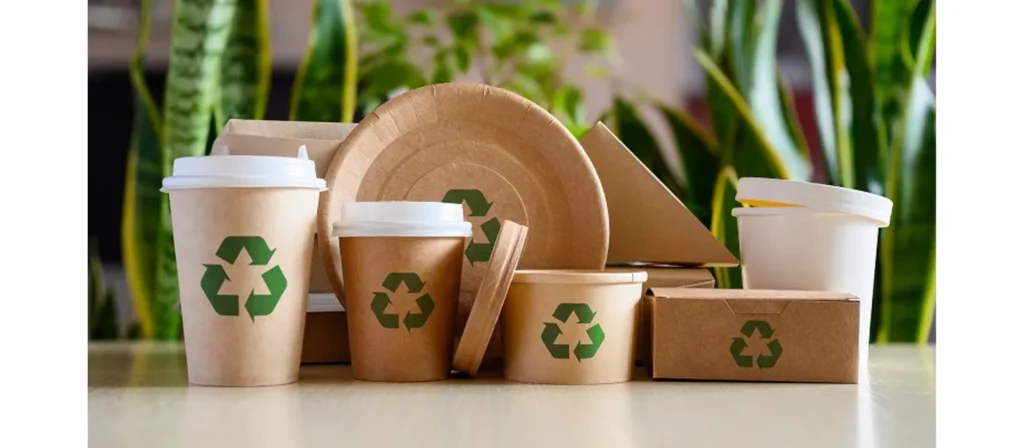
Customizability and Branding
- Print-Ready Surface
Kraft paper packaging works well with soy-based and water-based inks, allowing businesses to print logos, menus, or promotional messages directly onto the surface. This reduces the need for additional labels or materials. - Natural Aesthetic Appeal
Its raw, earthy appearance gives Kraft paper a handmade, eco-friendly look that resonates with modern consumers. It enhances brand storytelling in sectors such as organic food, artisanal baking, and plant-based products. - Flexible Formats
Kraft paper can be formed into sheets, rolls, wraps, pouches, and boxes. This flexibility allows food businesses to use a single material across multiple packaging needs, simplifying inventory and procurement.
Industry Trends: Kraft Paper in Food Packaging
The food packaging industry is undergoing rapid transformation, with sustainability and consumer expectations driving innovation. Kraft paper has become one of the most prominent materials shaping these changes.
- Rising Global Demand
According to Smithers data, global demand for Kraft paper in packaging applications is growing at an annual rate of 5 percent. This trend is largely driven by the rapid expansion of e-commerce and the shift toward sustainable food delivery solutions. - Lightweight and High-Strength Development
There is a growing shift toward lightweight, high-strength Kraft paper grades. For example, brands are switching from 250g to 200g Kraft board without compromising packaging integrity, helping reduce shipping weight and transportation costs. - Increased Demand for Compostable Coatings
Food packaging companies are increasingly looking for Kraft paper products with compostable inner coatings, such as PLA or water-based barriers, to meet both functional and environmental goals. - Regulatory Pressure on Plastics
As governments worldwide introduce stricter regulations on single-use plastics, businesses are turning to Kraft paper as a compliant, eco-friendly alternative for food contact applications. - Premiumization and Brand Aesthetics
More food brands are using natural-tone Kraft packaging to convey authenticity, quality, and environmental responsibility. The raw look of Kraft paper aligns with consumer demand for cleaner and more transparent branding.
Conclusion
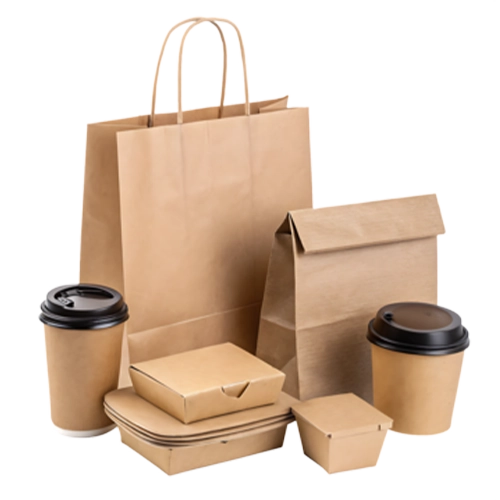
From takeaway bags and food wraps to corrugated boxes and branded retail packaging, kraft paper continues to meet the growing demand for packaging that is both functional and environmentally conscious. At the same time, innovations in coatings, custom printing, and design flexibility are expanding its role in modern packaging strategies.
If your business is looking for sustainable, food-safe, and cost-effective packaging solutions, Million Pack offers a wide range of high-quality Kraft paper products, including disposable cups, bowls, takeaway boxes, and custom food packaging. We’re Here to Help You Package Smarter, Greener, and Better.