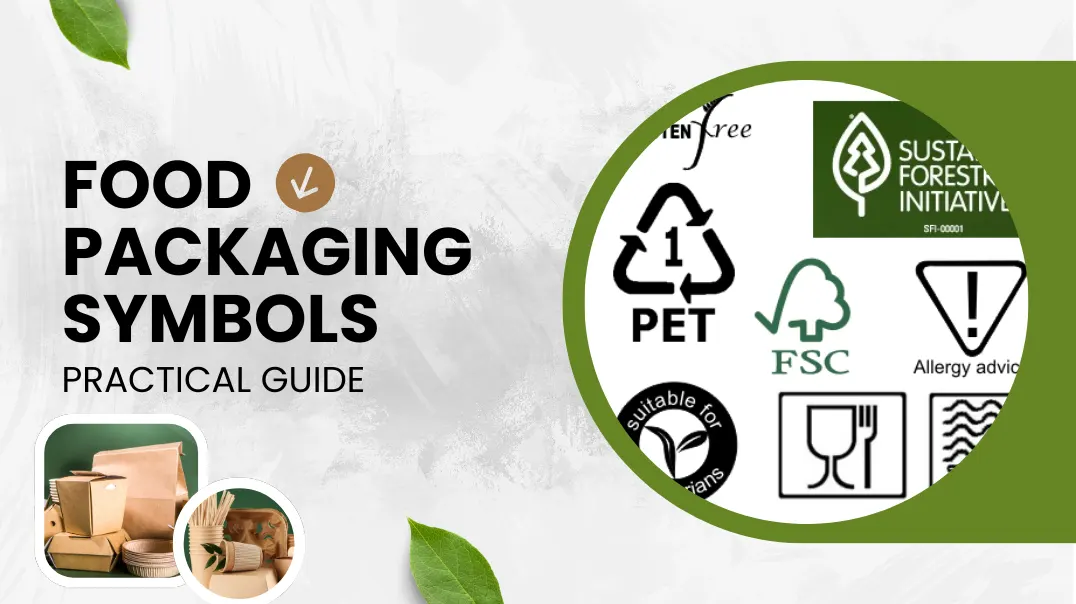
Food Packaging Symbols are the small printed marks, logos, and codes you see on bottles, cans, cartons, and snack wrappers that quietly tell you how to use, store, and dispose of a product. At the most basic level, they flag whether a package is safe for contact with food, whether it can go in the microwave or freezer, and how it should be thrown away or recycled. They also signal things like dietary suitability or religious certification, so people with specific needs or beliefs can spot the right products at a glance. In other words, these symbols turn a plain piece of packaging into a quick reference guide for safety, convenience, and everyday decision-making.
Looking a bit closer, these markings do more than just fill space on the label. Environmental symbols hint at how to recycle or dispose of the packaging, safety icons indicate whether a container can handle heat or cold, and certification marks point to certain standards or dietary rules. Once you understand these Food Packaging Symbols, the back of a pack feels less like clutter and more like a simple instruction sheet for using and handling your food wisely.
In this practical guide to Food Packaging Symbols, you will learn how to turn those tiny marks into clear, useful information for everyday life. Step by step, we will show what the main symbols mean, how they affect safety, recycling, and ethics, and how to use them when you shop or cook. By the end, reading a label will feel simple, not stressful.
Why Packaging Symbols Are So Important
Packaging Symbols and Everyday Safety
When you grab a ready meal, a yogurt cup, or a takeaway container, you are trusting that the packaging will not let you down. This is where Food Packaging Symbols quietly step in. They indicate whether a container is suitable for direct food contact, if it can handle microwave heat, or if it is safe to put in the freezer without cracking. Instead of guessing, you get simple cues that help you avoid melted plastic, broken glass, or leaks in your bag. These marks also support basic hygiene and shelf life: they guide you on how long a product can be stored and in what conditions it stays safe. By paying attention to them, you lower the risk of contamination, off flavors, or spoiled food. In short, these symbols translate complex safety rules into quick, practical guidance you can use in your kitchen every single day.
Packaging Symbols and the Environment
Modern packaging does not just carry food; it also carries responsibility. Symbols related to recycling, composting, and proper disposal give you a fast way to understand what should happen to the container once you have finished the last bite. Instead of standing over the bins wondering where something belongs, you can use these marks to send plastic, paper, metal, or glass to the right place. That reduces contamination in recycling systems and helps more material actually get reused. Some symbols highlight compostable or biodegradable options, which can be a better fit for people trying to cut down on landfill waste. When millions of small choices like this add up, the impact on resource use and pollution is significant. So those tiny logos are not just design details; they are prompts that connect your everyday habits to the wider health of the planet.
Packaging Symbols and Personal Values
For many shoppers, a food label is more than a list of ingredients and calories. It is also a quick test of whether a product matches their beliefs and lifestyle. Certain Food Packaging Symbols point to ethical sourcing, fair treatment of workers, or better conditions for animals. Others signal that a product fits specific dietary needs or religious rules, such as kosher certification or vegetarian and vegan logos. Instead of reading every line of text or searching online in the aisle, you can scan the front or back of the pack and get instant reassurance. These marks help you support brands that share your priorities, whether that means focusing on welfare, sustainability, or clear religious guidelines. Over time, this kind of informed buying sends a strong message to the market: shoppers notice, and they care. Packaging symbols then become a bridge between personal values and the way food is produced and sold.
Understanding Environmental and Recycling Symbols
When you start looking closely at packaging, you quickly notice that most of the confusing marks are the environmental ones. Little arrows, circles, leaves, and triangles show up everywhere, yet they do not all mean the same thing. Some of these Food Packaging Symbols point to true recycling schemes, while others simply show that a brand supports a program or uses a particular type of material. Understanding which logos deal with recycling, composting, or general waste is the first step to sending each package to the right place instead of guessing at the bin.
The Meaning Behind Recycling Arrows
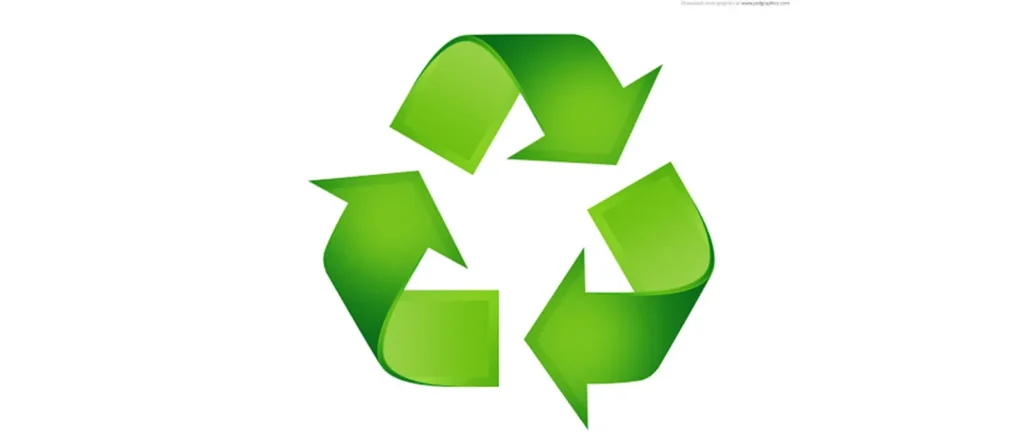
Those three chasing arrows are probably the most familiar marks on any pack, but they do not always mean what people assume. The classic triangle made of arrows, often called the Mobius loop, usually indicates that the material is recyclable in principle. If you see a percentage or short text near it, that often refers to how much recycled content is already in the packaging. Without that extra information, it is simply saying, “this material can be recycled,” not that your local facility definitely handles it.
There is also a similar-looking symbol known as the Green Dot in some regions. It shows two interlocking arrows forming a circle. This one does not promise that the item is recyclable at all. Instead, it typically means the brand contributes to a packaging recovery or waste management scheme. In other words, the company pays into a system that helps deal with packaging waste.
Plastic Numbers: Resin Identification Codes
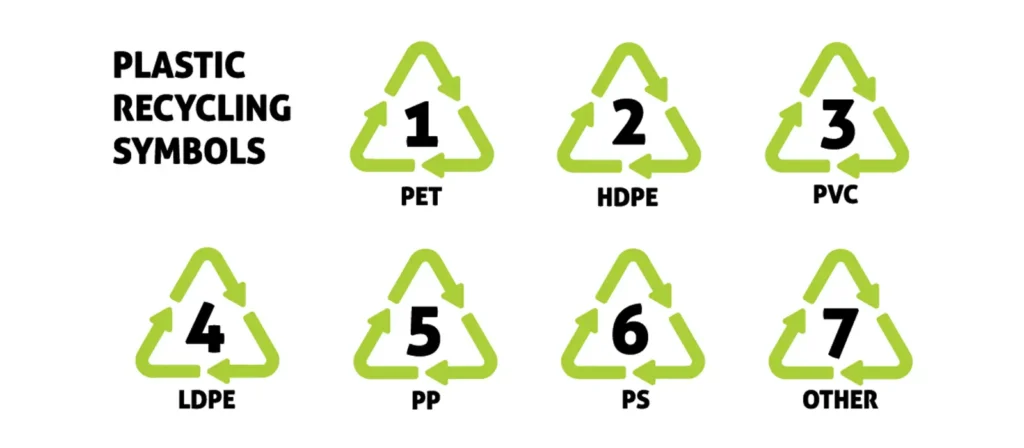
Those tiny numbers inside a triangle on the bottom of a bottle or tub are not random. They are called resin identification codes, and they tell you what type of plastic the package is made from. This matters for recycling because different plastics melt and process at different temperatures, and some are accepted more widely than others. When you understand the basic numbers, Food Packaging Symbols start to feel less mysterious, and you can guess more accurately which items your local recycler is likely to take.
You do not need to memorize every technical name, but knowing the main uses of each number helps you make quick decisions in the kitchen and at the bin.
Here is a simple overview of the seven common codes and where you are most likely to meet them in everyday life:
| number | Material | 应用 |
|---|---|---|
| 1 | PET / PETE (Polyethylene terephthalate) | Water bottles, soft drink bottles, some food trays |
| 2 | HDPE (High-density polyethylene) | Milk jugs, detergent bottles, some yogurt and juice containers |
| 3 | PVC (Polyvinyl chloride) | Some cling films, certain bottles, rigid blister packs |
| 4 | LDPE (Low-density polyethylene) | Bread bags, squeezable bottles, some flexible wraps |
| 5 | PP (Polypropylene) | Yogurt pots, margarine tubs, microwaveable containers |
| 6 | PS (Polystyrene) | Disposable cups, takeaway clamshells, some trays |
| 7 | Other / Mixed plastics | Multi-layer pouches, some baby bottles, specialty items |
Compostable and Biodegradable Labels
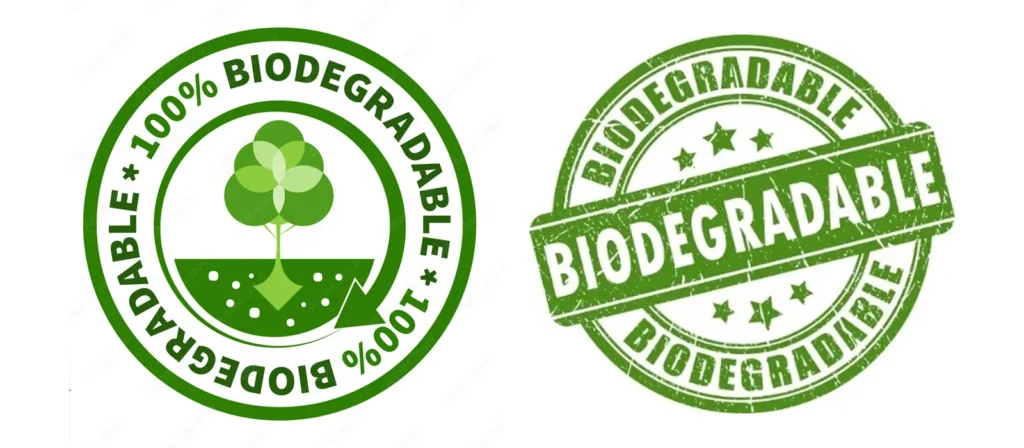
Compostable and biodegradable labels sound very green, but they do not always mean the same thing. On food packaging, “compostable” usually means the material is designed to break down into non-toxic pieces under specific composting conditions. Many items with this symbol need an industrial facility with controlled heat and moisture, not just a cool backyard heap. If a package does not say where it can be composted, it may not break down properly in home conditions.
“Biodegradable” is even less clear. Almost anything will break down eventually, so the key details are how long it takes and what is left behind. Without a time frame or standard, a biodegradable label can be more of a marketing promise than a solid guarantee. Treat these Food Packaging Symbols as a starting point, then look for extra wording that explains whether the item belongs in an industrial compost bin, a home compost setup, or regular waste.
Home Compostable Trademarks
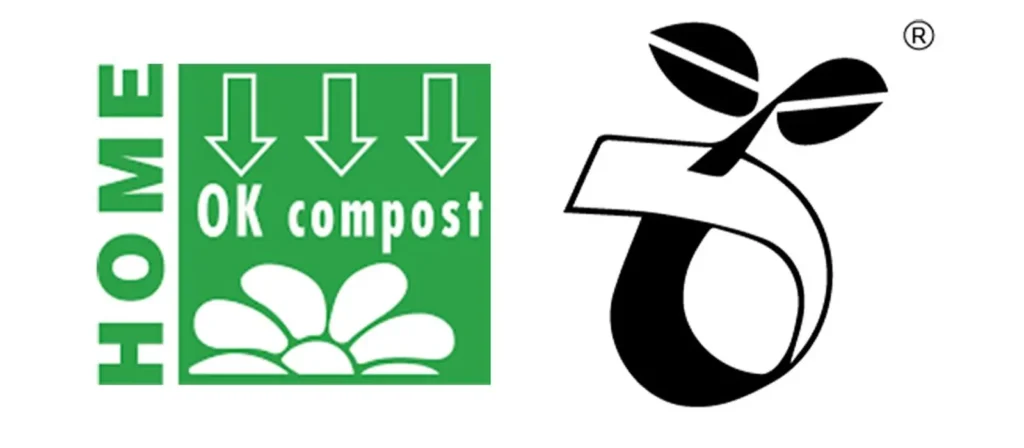
Home compostable trademarks are meant to show that a package will break down in a normal household compost heap, not just in an industrial plant. A home compostable logo usually includes wording such as “OK compost HOME,” “Home compostable,” or a simple plant or leaf symbol paired with a clear statement about home conditions. These marks signal that the material should decompose at lower temperatures and in less controlled environments than industrial facilities.
Some of these Food Packaging Symbols are backed by formal standards and testing, while others are more like brand-led claims. A genuine home compostable mark normally appears beside certification text, a standard number, or the name of the testing body. If you only see a leaf and the word “green,” that is more of a design choice than a guarantee. When you spot a clear home compostable trademark, you can usually place small bits of that packaging into your garden compost, away from large amounts of plastic or metal.
FSC Paper Certification
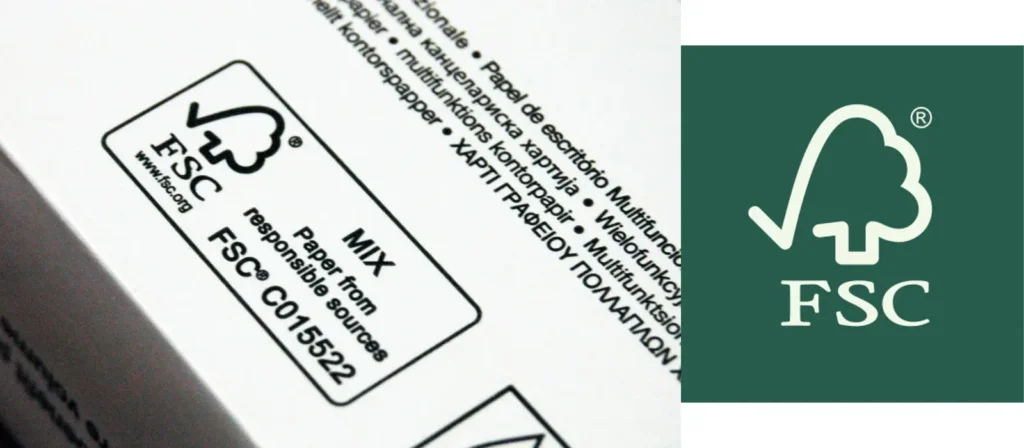
FSC paper certification focuses on where the paper or cardboard in your packaging comes from. An FSC label usually shows a simple tree logo with a check mark and the letters “FSC” underneath. This mark signals that the paper is sourced from forests managed to strict environmental and social standards, instead of random or illegal logging. Not every tree symbol means the same thing, though. If you want that extra reassurance, look specifically for the FSC logo plus a short line of text such as “FSC certified” or “FSC mix.”
BPA-Free Symbol
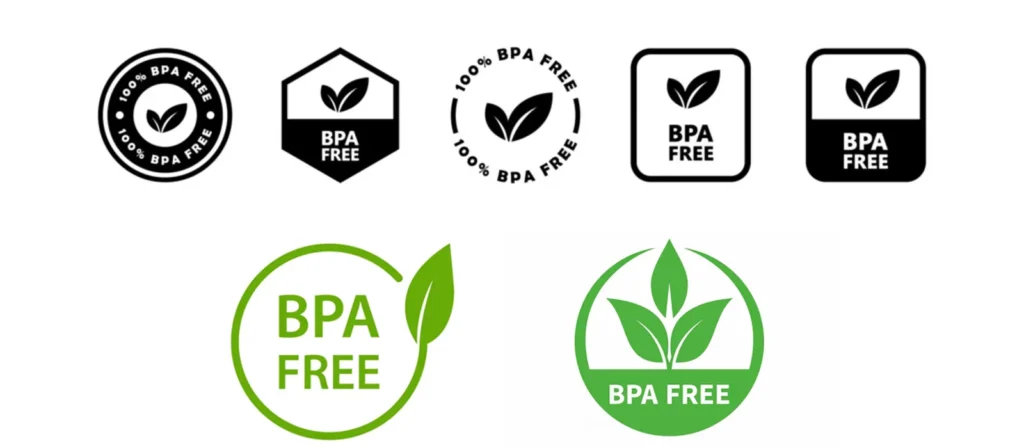
The BPA-free symbol relates to the type of plastic used in a product, especially bottles, food containers, and linings. This label usually appears as the words “BPA free” inside or near a small bottle icon, shield, or circle. It signals that the plastic does not use bisphenol A, a chemical linked to potential health concerns when it migrates into food or drink. While it does not mean the item is free from all chemicals, it does tell you that this specific substance has been avoided. When you see BPA-free alongside other Food Packaging Symbols, it is mainly about peace of mind for long-term use, particularly with hot liquids or repeated heating and washing.
PFAS-Free Symbol
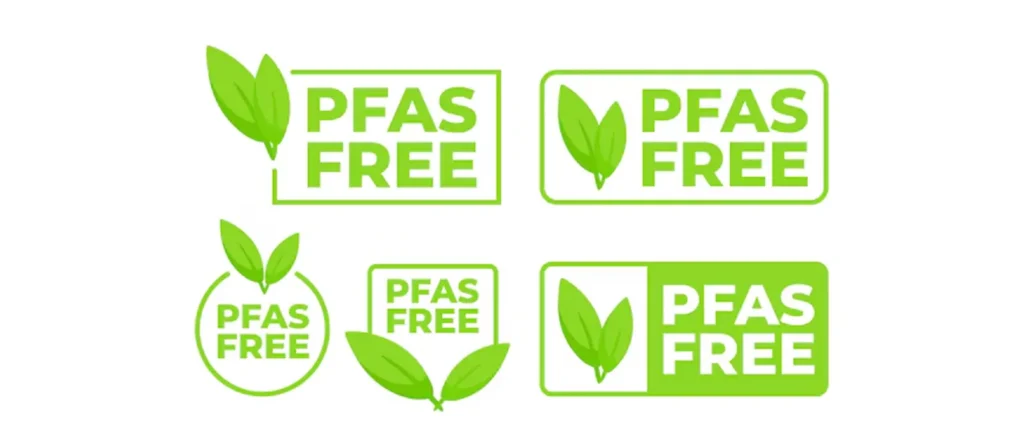
Alongside BPA-free claims, you may also see a PFAS-free symbol on some packs, especially for takeaway boxes, baking paper, or non-stick items. This mark is usually just the words “PFAS-free” or “No PFAS added,” sometimes inside a circle with a line through the letters PFAS, or next to a simple leaf or shield icon. Unlike many formal Food Packaging Symbols, there is no single global standard logo for this claim yet. Its main message is that the brand says it has avoided using this family of “forever chemicals” in the packaging, particularly in grease-resistant or water-repellent coatings.
Packaging Safety and Usage Icons
Microwave Safe Symbol
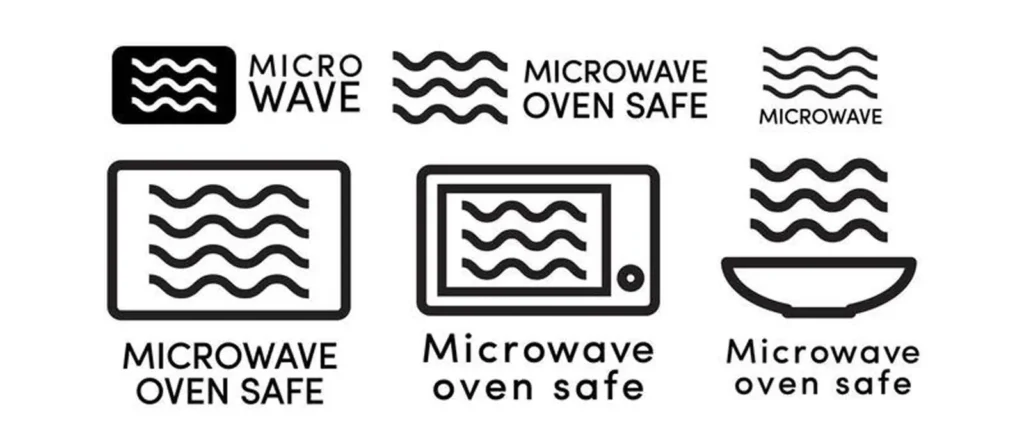
The microwave safe symbol, often shown as wavy lines or a small microwave icon, means the container can handle normal microwave heating. It helps you avoid melted plastic or warped lids. Always check both base and lid, because sometimes only one part is truly microwave safe.
Food Safety Symbols for Containers
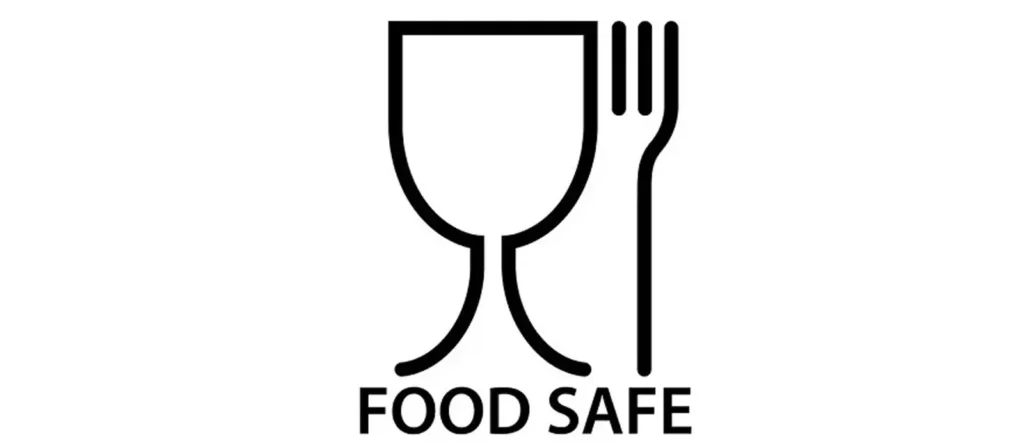
Food safety symbols tell you whether a container is suitable for direct contact with food in the first place. The most common one is a wine glass and fork symbol, which signals that the material meets legal standards for food contact. When you see this mark on plastic boxes, reusable bottles, or kitchen tools, it means they are designed to be used with food and drink, not just for general storage. This is especially important with plastics, because not every plastic item is meant to hold meals, oils, or hot liquids. Treat this as your basic green light: if a container has the food contact symbol, it is generally safe for storing, serving, or preparing food as intended. Without it, you are better off keeping that item for non-food uses only.
Freezer Safe Symbol
The freezer safe symbol is usually a snowflake, sometimes with a small box or temperature hint. It shows that the container can cope with low temperatures without cracking too easily. Even with this mark, leave some space for food to expand so you do not end up with split lids or leaks.
Common Dietary Symbols
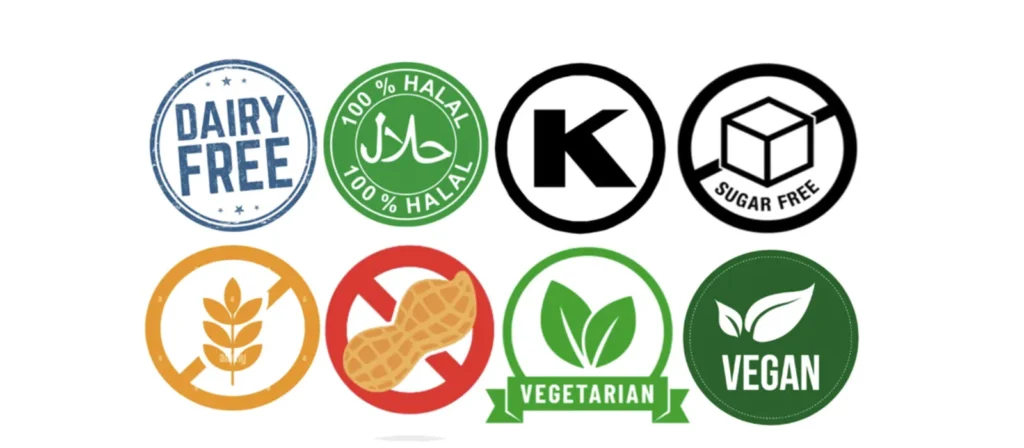
Common dietary symbols are there for people who do not have time to read every ingredient line but still need to stick to certain rules. You will often see simple icons paired with short labels like “vegan,” “vegetarian,” “gluten free,” or “nut free.” These may show a leaf, a plant sprout, an ear of wheat with a line through it, or a stylized grain symbol inside a circle. For many shoppers, these quick visuals are just as important as the nutrition facts, because they help avoid allergens or animal-derived ingredients at a glance. Some brands also add halal or kosher symbols here, though those religious certifications usually follow their own stricter formats, which we will look at in more detail later. Taken together, these dietary marks act as a shortcut from the shelf to your basket, making sure the food you pick actually fits your needs without a long label-reading session.
Ethical and Sustainable Certification Marks
Ethical and sustainable certification marks point to how a product was made, not just what it contains. These Food Packaging Symbols highlight fair pay, better farming practices, and higher welfare standards. For many shoppers, they act as a quick way to support brands that treat people, animals, and the planet with more care.
Fair Trade Certification
Fair Trade Certification focuses on better prices and working conditions for farmers and workers. The Fairtrade logo is usually a round mark with a stylized person shape in blue and green on a black background. When you see it on coffee, chocolate, tea, or sugar, it signals that minimum standards for pay and trade have been met.
Rainforest Alliance Certification
Rainforest Alliance Certification connects your food to more responsible farming and forest use. The current logo is typically a green circular seal with a frog in the center. On coffee, bananas, cocoa, or tea, this mark suggests that farms follow rules on biodiversity, reduced deforestation, and improved conditions for local communities.
Certified Humane
Certified Humane focuses on animal welfare. The logo usually appears as a rectangular label with the words “Certified Humane” plus a small image of fields or a farm scene. When you see it on eggs, dairy, or meat, it means the producer follows standards around space, shelter, handling, and access to basic natural behaviors.
Global Animal Partnership
Global Animal Partnership (GAP) uses a step-based system to rate farm animal welfare. The label often shows a small block or badge with “G.A.P.” and a step number, sometimes with simple animal silhouettes. Higher step numbers indicate stricter welfare practices, so you can read the symbol as a quick signal of how the animals were raised.
Kosher Certification
Kosher certification shows that a food meets Jewish dietary law. On packaging, it appears as small marks from trusted agencies, often near the ingredient list or brand name. For many shoppers, these labels are just as important as Nutrition Facts, because they confirm how the food was made, processed, and checked.
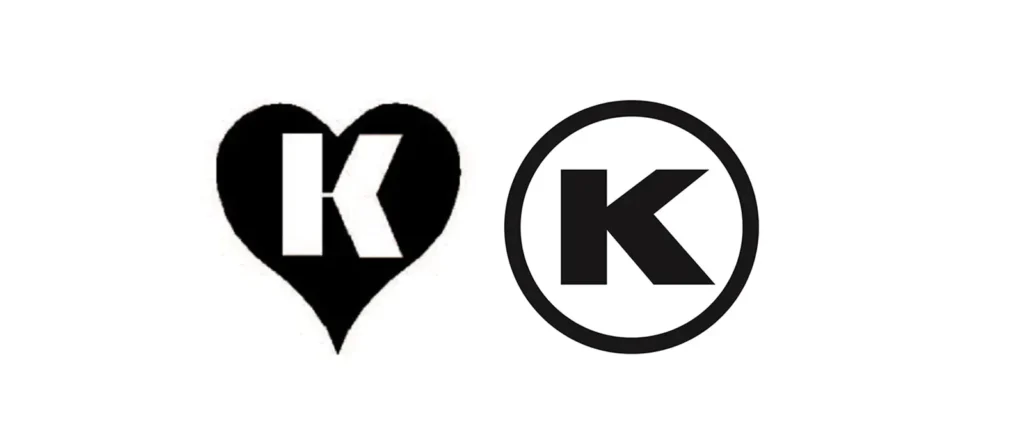
OK Kosher Certification
OK Kosher Certification is usually shown as the letters “OK” inside a simple circle. This mark means the product and its production process have been reviewed and approved by the OK Kosher agency. You might see extra letters nearby, such as “D” for dairy or “P” for Passover, adding more detail about how the food fits kosher rules.
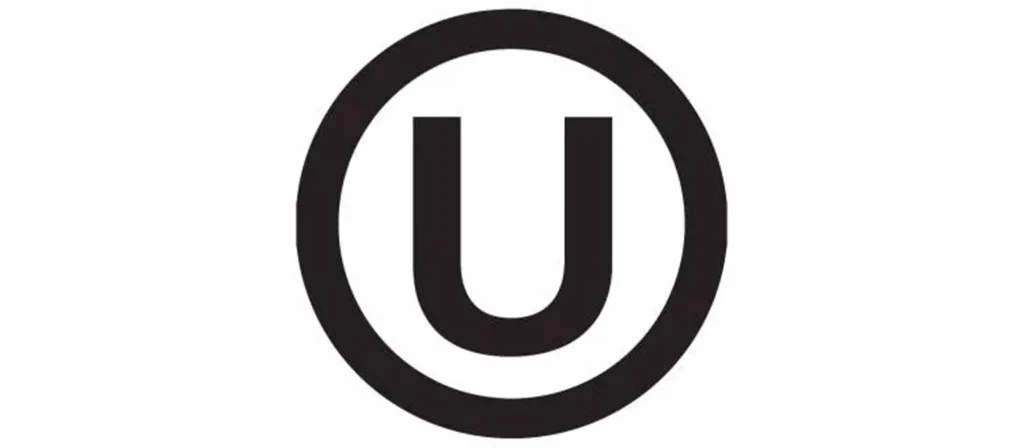
OU Kosher Certification
OU Kosher Certification is one of the most widely recognized kosher marks. The logo is a letter “U” inside a circle, representing the Orthodox Union. When this symbol appears on a package, it means the food and its ingredients have been supervised to meet kosher standards. Like other kosher Food Packaging Symbols, it may be paired with small letters that indicate dairy, meat, or pareve status.
How to Verify the Authenticity of Symbols
If you want to be sure that Food Packaging Symbols are real and not just clever design, start by checking the certifying body. Many trusted marks, like Fairtrade, Rainforest Alliance, or major kosher agencies, have official websites. You can usually look up the logo style, approved wording, and even search products or companies to confirm that the symbol on your pack matches a genuine program.
Another simple step is to look closely at the details around the logo. Legitimate certifications often appear with a registration mark, licence number, or short reference to a standard. If the design looks sloppy, the spelling is off, or the symbol appears stretched or blurred, treat it with caution. Real Food Packaging Symbols are part of controlled branding, so they should look consistent from one product to another.
For claims like “BPA-free,” “PFAS-free,” “compostable,” or “biodegradable,” it helps to check whether the brand mentions testing, third-party labs, or known standards. If the package offers no extra information, you can visit the company’s site and see how they explain the claim. When a symbol matters for your health, religion, or ethics, take a moment to verify it instead of relying only on a tiny graphic.
Conclusion
Food Packaging Symbols might look small, but they carry a lot of weight in your daily routine. They guide how you heat, freeze, store, and throw away food containers, and they quietly protect your health, your appliances, and even your local recycling system. Once you know what the main icons and certifications mean, a busy supermarket shelf turns into a clear set of options instead of a guessing game.
These symbols also help you line up your shopping with your values. Ethical and welfare certifications show how people and animals were treated, while kosher marks and dietary logos keep religious and lifestyle needs on track without long label checks. When you understand who stands behind each symbol and how to verify it, you can support brands that match what matters most to you, from fair pay to better animal care.
The next time you pick up a product, try a quick habit: glance at the Food Packaging Symbols before you toss it in your basket or into the bin. Ask yourself what they say about safety, recycling, and sourcing. You do not need to memorize every code, just the main families of symbols and where to double-check them. With that, you gain more control over what you buy, how you use it, and the footprint it leaves behind.