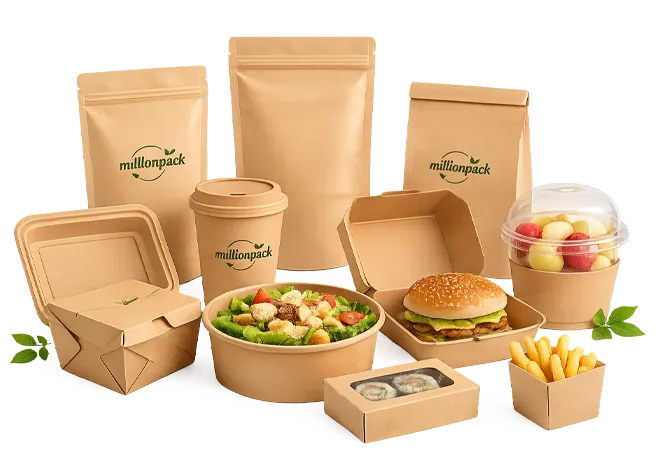
In today’s competitive food service industry, takeout and delivery have become a cornerstone of profitability. Choosing the best takeout packaging is no longer just about keeping food contained; it directly impacts temperature retention, presentation, and customer satisfaction.
Whether you run a small café or a multi-location restaurant, the right packaging determines how your food is presented and how your brand is perceived. Poor packaging can lead to soggy fries, spilled sauces, and negative reviews, while high-performing containers preserve freshness and build customer trust.
This guide helps you navigate the many factors involved in choosing the right packaging for your business. From understanding your needs to evaluating material types and sustainability options, you’ll find practical tips and insights throughout.
Understand Your Business Needs
Before you can choose the best takeout packaging for your business, it is essential to understand your specific operational needs and customer expectations. The ideal packaging for a coffee shop differs greatly from that of a sushi bar or catering company. By identifying the nature of your food, your service model, and your market environment, you can make smarter, more cost-effective packaging decisions.
Type of Food Served
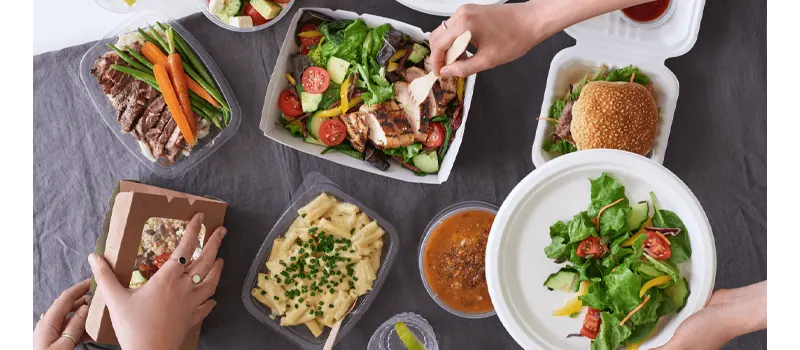
The first step is to analyze your menu. Foods that are hot, oily, or liquid require leak-resistant and heat-retaining containers, while cold or crispy foods need ventilation to prevent sogginess. For example, fried chicken or pizza should be packed in breathable paper boxes that release steam, while soups or curries demand double-sealed lids to avoid spills. Matching packaging materials to food type ensures that the meal’s taste, texture, and temperature are preserved until it reaches the customer.
Service Style (Takeout, Delivery, Catering)
Different service models require different packaging priorities. Takeout orders benefit from lightweight, easy-to-carry containers that customers can open comfortably at home. Delivery packaging must withstand long transport times, movement, and stacking without leaks or deformation. Catering operations often prefer bulk trays and modular sets that simplify setup and disposal at events. By aligning packaging design with your service flow, you can improve efficiency and minimize waste.
Regulatory Requirements in Your Region
Compliance is another crucial factor when selecting packaging. Different regions have varying regulations governing food contact safety, labeling, and environmental impact. In many countries, the use of plastics containing PFAS or other harmful substances is restricted. You may also need to meet local recycling standards or display specific disposal symbols. Working with certified suppliers and staying updated on packaging laws can help you avoid costly violations and maintain customer trust.
Consider Customer Expectations and Market Trends
Choosing the best takeout packaging is not only about practicality but also about staying ahead of shifting preferences and consumer behaviors. Understanding these expectations allows your business to connect more deeply with your audience and create memorable experiences.
Cater to the Demand for Eco-Friendly Solutions
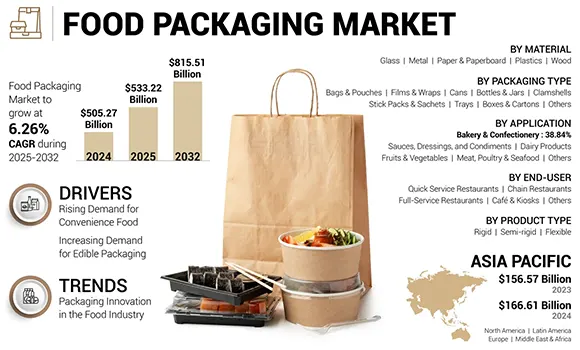
Customers are more environmentally conscious than ever before. Many actively look for brands that use sustainable practices and materials. Offering packaging that is recyclable, compostable, or made from renewable resources is no longer optional. It reflects your values and meets a growing consumer demand. The best takeout packaging combines performance with environmental responsibility, helping your brand stand out to conscious consumers.
Support Transparency and Health-Conscious Preferences
Customers want clarity, especially when it comes to dietary needs and ingredient visibility. Clear packaging, informative labels, and compartmentalized containers make it easier for customers to understand what they are eating. This is especially important for those with food sensitivities or lifestyle-specific diets. When your packaging reflects this level of transparency, it builds credibility and encourages repeat business.
Adapt to the Growth of Delivery Platforms
The expansion of third-party delivery services has changed how food travels from kitchen to customer. Packaging must be strong, secure, and capable of maintaining food quality during transit. Many meals are in transport for extended periods, and poorly chosen packaging can result in cold meals, damaged presentation, or leaks. Selecting the best takeout packaging means thinking through every step of the delivery journey.
Choose the Right Packaging Materials
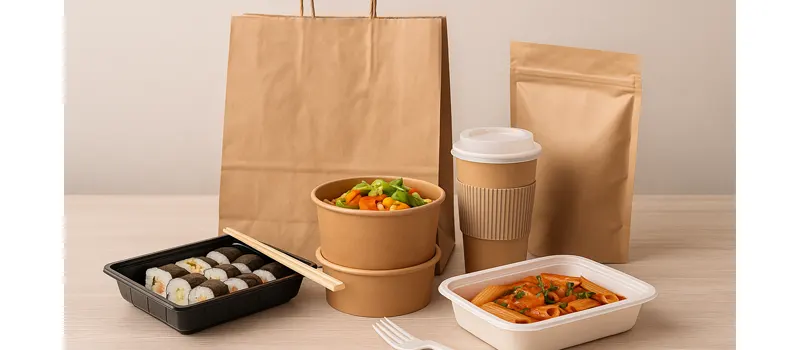
Selecting the right materials is a critical part of choosing the best takeout packaging. Each material serves different purposes based on the type of food, customer expectations, and environmental concerns. Below is a quick overview of the most commonly used options:
- Paper: Great for dry or semi-dry foods. Lightweight, brandable, and eco-friendly. Often used for bakery items, sandwiches, and fries.
- Plastic: Ideal for hot or cold items that need a tight seal, such as soups and salads. Make sure it’s recyclable and food-safe.
- Foil: Excellent heat retention and leak resistance. Commonly used for grilled dishes or hot entrees. Not microwave-friendly.
- Compostable Materials: Includes sugarcane, bamboo, and cornstarch. Best for eco-conscious brands and customers who prefer sustainable choices.
- Glass or Reusable Containers: Used by high-end or meal prep services. Durable and presentable but not suited for one-time takeout.
Evaluate Takeout Packaging Function Features
Selecting the best takeout packaging involves more than choosing materials or appearance. The functional design of your packaging plays a critical role in ensuring that food reaches your customers in optimal condition. Below are five essential features to consider when evaluating packaging performance.
1. Leak-Proof Design
Preventing spills and leaks is a top priority, especially for items such as soups, curries, and sauces. Leak-proof containers protect the food, reduce mess, and help maintain hygiene during transport. They also enhance customer confidence and reduce the risk of refund requests. Investing in a well-sealed packaging solution shows your commitment to quality and professionalism.
2. Vented Design
Steam can build up quickly in hot or fried foods, leading to sogginess or condensation inside the packaging. Vented containers allow moisture to escape without compromising heat retention. This feature is particularly valuable for fried foods, grilled items, or baked goods that need to maintain texture and crispness during delivery or pickup.
3. Tamper-Evident Food Packaging
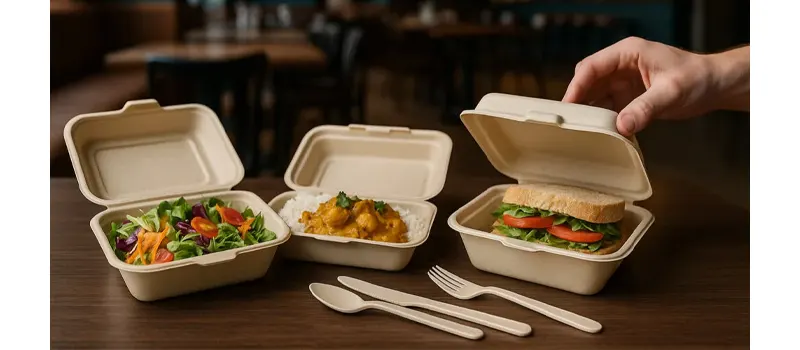
Safety is now a major concern for consumers, especially in the delivery sector. Tamper-evident features provide visible assurance that the food has not been opened or altered after leaving your kitchen. Seals, labels, or locking tabs can offer peace of mind, strengthen customer trust, and meet compliance expectations in certain markets.
4. Stackability and Transport Safety
Whether orders are packed for delivery or pickup, packaging must be easy to stack and transport. Poorly designed containers can collapse, spill, or damage the food. Strong structural integrity ensures that meals arrive intact, even when part of a large or complex order. Stackable packaging also improves operational efficiency in storage and logistics.
5. Ease of Use for Customers (Opening, Resealing, Handling)
Convenience matters. Customers appreciate packaging that is easy to open, close, and carry. Resealable lids, built-in handles, and intuitive closure systems improve usability and reduce frustration. These small details enhance the overall dining experience and help distinguish your business in a competitive market.
Takeout Packaging Size and Design
Size and design are more than visual elements; they directly impact food quality, delivery efficiency, and customer satisfaction. When choosing the best takeout packaging for your business, it is important to consider how both dimensions affect usability, presentation, and cost.
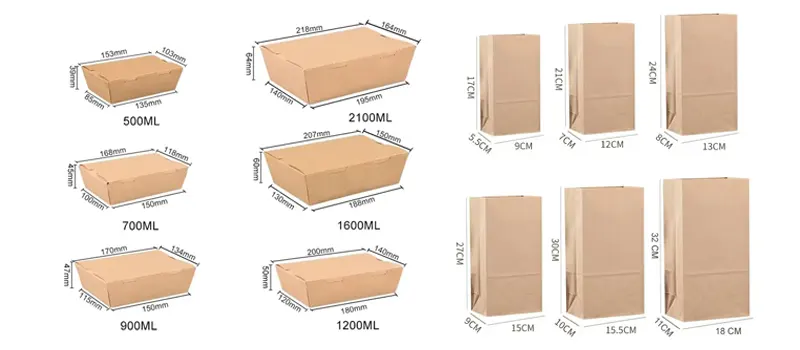
Right-Sizing for Your Menu Items
Packaging that fits your food properly helps maintain presentation and temperature. Avoid containers that are either too large or too small, as both can lead to operational issues and poor customer experience.
- Match container volume with portion size to reduce shifting and overfilling.
- Prevent unnecessary air space that can cause items to cool faster.
- Use tight-fitting lids to reduce heat loss and spillage.
Design Based on Meal Structure
Different types of meals call for different packaging formats. A well-thought-out structure helps preserve food quality and makes the eating experience more enjoyable.
- Compartmental trays for dishes with multiple components, like rice and curry or combo meals.
- Flat containers for pizzas, sandwiches, or baked items that must remain intact.
- Tall containers for salads or noodle dishes that are best layered vertically.
Support for Efficient Storage and Delivery
Packaging design should not interfere with your kitchen workflow or delivery logistics. Choosing stackable and stable designs can help optimize space and prevent food damage in transit.
- Flat-bottom bases to prevent tipping.
- Uniform container shapes that allow easy stacking.
- Durable structural support to protect food during long-distance delivery.
Customer-Friendly Handling
User experience matters. Easy-to-carry and easy-to-open designs can positively impact your brand image and increase customer satisfaction.
- Ergonomic shapes that are comfortable to hold.
- Containers that open easily without tools or mess.
- Built-in features like handles or tabs for resealing leftovers.
Visual Balance and Brand Alignment
Packaging is part of your product’s visual presentation. Clean, well-proportioned packaging can make food look more appealing and reinforce your brand identity.
- Choose proportions that frame your food attractively.
- Avoid oversized packaging that makes portions appear small.
- Align packaging shape with brand tone (minimalist, rustic, premium, etc.).
Branding Opportunities and Visuals Impact
Packaging is also a marketing tool. The best takeout packaging offers businesses a chance to reinforce brand identity, communicate values, and leave a lasting impression on customers. When thoughtfully designed, it can enhance visibility, build customer loyalty, and even generate word-of-mouth promotion.
Reinforce Brand Identity
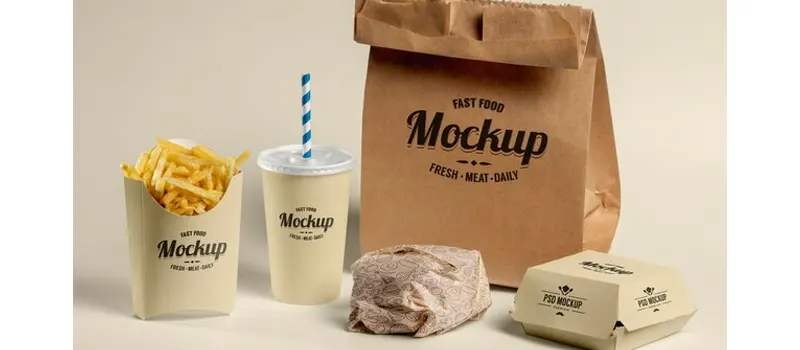
Customized packaging featuring your logo, color palette, typography, or slogan helps reinforce brand recognition. When customers see consistent visual elements across containers, bags, and labels, they are more likely to associate them with your food and service. The best takeout packaging keeps your branding visible from the moment a customer receives their order to the time they finish their meal.
Increase Customer Retention and Loyalty
Branded packaging adds a layer of professionalism and care. It communicates that you pay attention to details and value the entire customer experience. Over time, this consistency helps build trust and loyalty, especially when customers order frequently or refer others to your business. It also creates a sense of pride in your product that customers can share.
Enhance Unboxing and Visual Appeal
Visual presentation plays a key role in how food is received. Clean, well-designed packaging can elevate the unboxing experience, making it more enjoyable and memorable. Attractive visuals can influence how customers perceive freshness and quality, which directly affects satisfaction and reviews.
Create Free Marketing Through Shareable Moments
Customers often share their meals online, especially when the packaging is eye-catching or unique. A visually appealing takeout box can generate organic exposure through social media posts, stories, and videos. This user-generated content acts as free advertising and can help attract new customers. The best takeout packaging encourages interaction and visibility beyond the sale.
Support Seasonal or Promotional Campaigns
Branded packaging can be used strategically to promote special offers, holidays, or limited-time menus. Swapping out standard designs for themed visuals can create excitement and urgency. It also gives your packaging a fresh feel without needing to change the structural design.
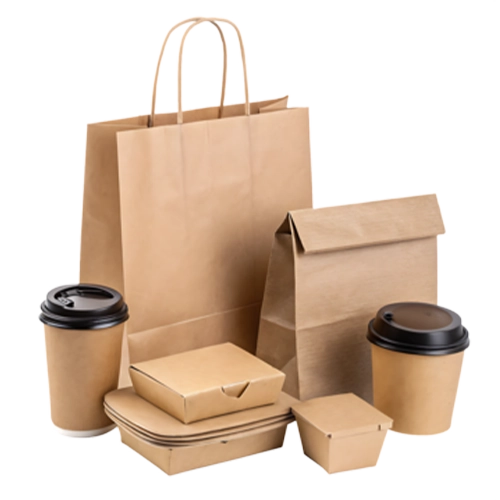
Balance Cost, Quality, and Sustainability
Selecting the best takeout packaging means finding a practical middle ground between what you can afford, what performs well, and what aligns with your environmental values.
- Start with What Matters Most to Your Brand
Begin by identifying your non-negotiable priorities. If customer experience is at the core of your business, you may need to choose higher-quality packaging even if it slightly increases your cost. If your brand emphasizes eco-friendly values, it makes sense to prioritize certified sustainable materials even if they offer fewer customization options. Having a clear understanding of your goals will help guide better trade-offs. - Assess the True Cost, Not Just the Price
Packaging that appears inexpensive at first may lead to hidden costs such as food replacements, negative customer feedback, or poor storage efficiency. A sturdier and more reliable option may have a higher upfront cost but can deliver better value over time. Always think in terms of cost per order rather than just cost per unit. - Use Sustainability Where It Counts Most
If switching to fully eco-friendly packaging is not financially feasible, begin with high-impact items. For example, replace bags or main dish containers with recyclable or compostable alternatives. A gradual approach is often more realistic and still shows your commitment to sustainability. - Test and Adapt Based on Real-World Use
Try different packaging solutions in small batches and gather feedback from both your team and your customers. Measure which options lead to fewer complaints, better performance, and lower waste. This approach allows you to make data-informed decisions while keeping your packaging strategy flexible.
Conclusion
Takeout packaging may seem like a small detail, but it leaves a big impression. When chosen wisely, it enhances your food, supports your operations, and reinforces your brand. The best takeout packaging fits your food perfectly, delights your customers, and keeps your values front and center.
Still feeling unsure about where to start? Million Pack is here to help. Our team can walk you through the options and help you find packaging that matches your menu, budget, and sustainability goals with confidence.