Packaging psychology is the study of how product packaging influences what people think, feel, and decide when they shop. It looks at why certain designs grab attention, make products feel more trustworthy, or even convince people to buy something they didn’t plan to.
Put simply, it is how design speaks to the human mind, often in seconds or less.
When customers walk into a store or browse online, they are exposed to hundreds of products. What makes one item stand out? Often, it is not the ingredients or specs, but the way the product is packaged.
This shows how powerful packaging really is. It can drive trial, increase trust, and shape brand perception before a customer ever experiences the product itself.
The Three Core Principles of Packaging Psychology
Understanding how packaging influences consumer behavior begins with the recognition that people do not make purchasing decisions in a single step. Instead, decision-making unfolds through a sequence of psychological stages—starting with what they see, followed by what they feel, and ultimately what they conclude.
This section introduces the three core principles of packaging psychology, each representing a stage in the mental processing of product packaging:
- Attention Capture
- Emotional Trigger
- Cognitive Simplification
Each stage builds on the last, and each plays a critical role in how packaging drives not just noticeability, but choice.
Attention Capture
Before any product can be chosen, it must first be noticed. This is a simple truth, but one that carries profound implications for packaging strategy. In physical retail spaces and digital platforms alike, the consumer’s visual field is saturated. Competing products jostle for space, attention spans are short, and the act of noticing is no longer a given. It must be earned.
In this context, the packaging is not simply a presentation tool. It is an entry mechanism. What gets noticed becomes eligible for choice, while everything else remains invisible. Crucially, this noticing happens at speeds too fast for conscious thought. Human vision operates through a process of rapid scanning in which the brain filters visual input for relevance based on factors such as contrast, color differentiation, spatial structure, and novelty. Known in psychology as pre-attentive processing, this mechanism allows the brain to detect anomalies or patterns worth exploring without requiring deliberate focus.

Design elements that leverage this system, such as unexpected color pairings, asymmetrical layouts, or bold silhouette contrasts, can effectively interrupt the scan and command a micro-moment of attention. Research in consumer neuroscience supports this. Eye-tracking studies have repeatedly demonstrated that products with higher visual salience receive more fixations and longer dwell times, both of which correlate strongly with increased purchase intent.
However, the goal is not merely to be loud or different. Attention capture is not achieved by visual aggression alone but by strategic distinction. A well-designed package stands out not because it clashes with its environment but because it disrupts the visual rhythm of the category in a way that feels intentional. In doing so, it clears the first and most critical hurdle of the consumer’s decision-making path: visibility.
Emotional Trigger
Once a product has captured attention, the next layer of engagement shifts from the visual to the affective. This is not a rational step but an emotional one. At this point, the consumer has not yet read the label, evaluated the claims, or compared prices. Instead, they are already forming judgments based not on data but on feeling.
Emotions play a central role in how people assess value and relevance. Long before cognitive reasoning takes hold, the human brain evaluates whether something feels right, familiar, exciting, or trustworthy. This emotional judgment is automatic and often non-verbal. It is based on a mixture of personal memory, cultural associations, and deep-seated psychological patterns.
Packaging is an especially powerful trigger of these emotional processes because it engages multiple sensory cues simultaneously. A soft matte texture may evoke notions of sustainability or honesty. A refined serif typeface in gold foil might communicate elegance or heritage. Bright primary colors arranged in playful shapes can recall childhood or approachability. These signals work on an implicit level, helping the brain categorize the product quickly and intuitively.
Behavioral psychologists have long studied the affect heuristic, a mental shortcut in which people use emotional impressions as stand-ins for more complex analysis. When a consumer feels positively toward the way a product is presented, they are more likely to attribute other desirable qualities to it such as effectiveness, safety, or quality. The emotion colors the entire perception of the brand, often before the product has even been tried.
Importantly, emotional response is not uniform across demographics or cultures. A minimalist aesthetic that communicates luxury in one market may appear sterile in another. This makes emotional design a strategic act, not a stylistic one. The role of packaging here is to serve as a visual embodiment of a brand’s personality and to resonate with the consumer’s identity or aspiration. When this resonance is achieved, the emotional impression does not just drive trial. It fosters memory, preference, and loyalty.
Cognitive Simplification
Even when a product has captured attention and generated a positive emotional response, the decision to purchase is not yet complete. The final and often decisive phase of the packaging’s influence lies in how easily the consumer can make sense of what they see. In a context where time is limited, distractions are many, and mental energy is scarce, simplicity becomes a competitive advantage.
Cognitive simplification refers to the process by which packaging reduces the mental effort required to understand and evaluate a product. This is not merely a matter of minimalism in design, but rather a strategic structuring of information to align with how the human brain prefers to process choices. When shoppers face unclear labels, crowded layouts, or ambiguous product names, their ability to make confident decisions declines. The result is hesitation, delayed action, or abandonment altogether.
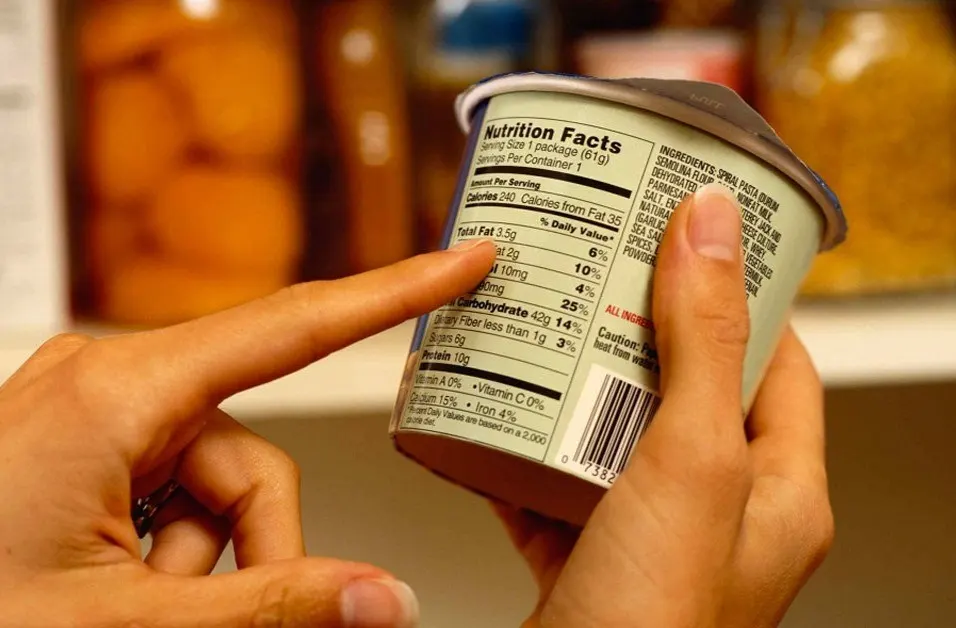
Cognitive psychology describes this as cognitive load, the amount of working memory needed to process new information. The more complex or disorganized the packaging, the higher the cognitive load. In commercial terms, this translates to lost sales. Conversely, when information is presented in a clear hierarchy, where the product name, benefits, and key claims are prioritized and easy to locate, the mental cost of decision-making is reduced.
Effective packaging design guides the eye through a deliberate visual flow. It answers the consumer’s unspoken questions. What is this? Who is it for? Why should I trust it? The quicker these answers are found, the more seamless the transition from interest to commitment. This is particularly vital in product categories where the functional differences between competitors are subtle, and choice often depends on how intuitively the offer is understood.
Simplicity in packaging is not about saying less, but about saying the right things clearly and in the right order. When complexity is minimized and clarity is maximized, consumers feel more in control. And when people feel in control, they are more likely to act. Packaging that respects the limits of attention and memory does more than inform. It facilitates decisions.
Key Design Elements That Influence Consumer Behavior
Design in packaging is never neutral. Every choice, whether deliberate or not, sends signals that shape how consumers perceive, feel, and decide. The most effective packaging aligns specific design elements with the way the human mind processes information across three stages: noticing, feeling, and understanding. These components work together to attract attention, evoke emotion, and simplify evaluation. By focusing on how each element functions within the psychology of consumer behavior, brands can design packaging that not only looks appealing but drives real-world decisions.
Color
Color is the quickest way to draw the eye and set an emotional tone. It operates on both the pre-attentive and emotional levels, making it one of the most powerful tools in packaging design. Warm tones like red or orange can stimulate urgency and appetite, while cool tones like blue and green tend to evoke trust, calm, or naturalness. Consumers often form initial impressions based solely on color, before reading any text. Importantly, color also carries cultural and category-based meanings. A green label may suggest organic in one context, or signal a mint flavor in another. The effectiveness of color lies not only in hue selection but in contrast, consistency, and brand fit. When used strategically, it enhances visibility, emotional engagement, and memorability.
Typography
Typography influences both emotional perception and cognitive processing. The style of typefaces can signal a product’s personality. Serif fonts may imply tradition or luxury, while sans-serif types suggest modernity and simplicity. At the same time, legibility directly affects how easily consumers process information. Poor font choices or overcrowded layouts increase cognitive load and lead to hesitation. Effective typography creates a visual hierarchy that guides the eye from brand name to product benefits, enabling faster and clearer understanding. A good font does more than communicate words. It reinforces trust and shapes how consumers feel about the product’s credibility and quality.
Shape and Structure
The physical form of packaging plays a direct role in attention and emotion. Unusual shapes break visual patterns on shelves and attract interest, while structural cues like curves, symmetry, or compactness suggest different brand traits. A tall, narrow bottle may imply elegance, while a sturdy, rectangular box can communicate reliability or value. Structure also informs usability. Ease of opening, holding, or storing subtly shapes how consumers judge functionality and care. Shape is not just aesthetic. It is spatial messaging that invites handling and creates expectation before interaction.
Material and Texture
Touch reinforces emotion. Packaging materials, whether smooth, matte, glossy, rough, or soft, evoke specific sensory responses that influence quality perception. A matte finish might suggest naturalness or authenticity, while a glossy surface often feels modern or high-tech. Weight, rigidity, and finish all contribute to the subconscious evaluation of value. Even when not physically touched, visual cues of texture influence how consumers imagine the tactile experience. In many cases, texture becomes a proxy for price point, craftsmanship, or sustainability, making material a vital cue in emotional storytelling.
Information Layout
Packaging must not only attract and appeal but also inform with minimal effort. Effective information layout simplifies the decision-making process by guiding the eye through a clear, logical sequence. Key details such as what the product is, who it is for, and why it matters should be easily scannable. Poor hierarchy or cluttered design increases cognitive load and disrupts comprehension. The best layouts anticipate consumer questions and answer them without friction. This clarity supports trust and speeds up evaluation, especially in competitive categories where choices are made quickly.
Imagery and Symbols
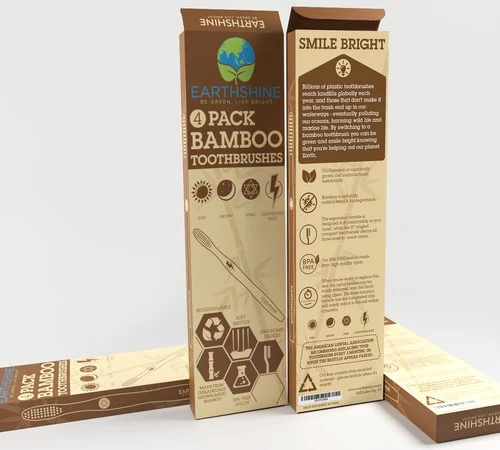
Images and visual icons serve as instant communicators. A well-placed photo, illustration, or functional symbol can replace text entirely, conveying flavor, use-case, or brand tone at a glance. These visual shortcuts reduce reliance on literacy or language, making products more accessible and intuitive. They also enhance emotional association, whether through aspirational lifestyle imagery or nostalgic references. Strong visual metaphors or category symbols help consumers quickly position the product in their mental map and reinforce recognition across contexts.
Size and Proportion
The scale of a package affects both attention and perceived value. Larger packaging naturally stands out more, while proportion can signal product type or intent. Oversized formats may imply generosity or affordability, whereas small, precise dimensions suggest luxury or specialization. Balance between product volume and packaging footprint also impacts environmental perception. Consumers notice when packaging feels excessive or dishonest, which can erode trust. Proportionality, when well-calibrated, supports credibility and aligns expectations with reality.
How Packaging Psychology Influences Consumer Behavior?
Psychology-informed packaging design does more than make a product look good. It actively shapes how people engage with it, often in ways they are not even aware of. From catching the eye on a crowded shelf to leaving a lasting impression after the purchase, packaging plays a silent but powerful role in driving consumer behavior.
This section explores how design rooted in psychological principles affects what people notice, how they feel, how quickly they decide, and whether they return to the brand again.
Attracting Attention
In a competitive retail environment, the first goal of any package is to be seen. Shoppers do not analyze every product. They scan, often subconsciously, and respond to what interrupts the visual flow.
Psychology-based design uses visual contrast, pattern disruption, or unexpected structure to guide the eye. A color that stands out from the category norm, a shape that breaks symmetry, or a layout that feels cleaner than the surrounding noise can all make a product pop. These micro-interruptions do not require effort from the shopper. They simply work by making the brain pause.
That pause creates a chance for the product to be noticed. Without it, even the best product may never make it off the shelf.
Triggering Emotion
Once a product earns a glance, emotion becomes the bridge between noticing and considering. Consumers rarely evaluate packaging analytically. Instead, they sense whether it feels right.
Design details like color temperature, material texture, or the tone of the language trigger emotional reactions such as comfort, curiosity, confidence, or joy. A soft-touch finish can feel honest and human. A metallic edge might feel premium or futuristic. These are not just visual or tactile choices. They are emotional signals that align a product with a consumer’s mood or mindset.

Emotion also connects through identity. When a product’s design reflects the shopper’s lifestyle or values, it creates a sense of recognition. This is what turns attention into desire. The product does not just stand out. It feels personal.
And when emotion is involved, decisions tend to happen faster and with less doubt.
Speeding Up Decisions
Attention and emotion bring the shopper closer, but clarity is what converts. A package that looks good but fails to communicate its purpose quickly will still lose the sale.
People make most purchase decisions under time pressure or cognitive load. If information is buried in fine print or scattered without order, the brain moves on. Effective packaging presents the essentials up front: what it is, why it matters, and who it is for.
Good design does this by using visual hierarchy, clean typography, and intuitive layouts. It answers questions without asking the shopper to think. When a product is easy to understand, it becomes easier to choose.
Building Memory
Not every purchase is immediate. Sometimes a product is seen, remembered, and chosen later. For that to happen, packaging must leave an imprint.
Memory is shaped by repetition and distinctiveness. A consistent color scheme, a recognizable shape, or a signature image can all help a product stay in the shopper’s mind. Emotion plays a role here too. When the experience of encountering the packaging feels enjoyable or meaningful, it reinforces recall.
This is where brand equity begins to grow. Packaging becomes more than a selling tool. It becomes part of the brand’s identity in the mind of the consumer. That is how one-time purchases turn into long-term loyalty.
How Businesses Can Apply Packaging Psychology
Turning insights from packaging psychology into real-world results means more than understanding theory. It requires building that understanding into your design process. Brands that apply psychological principles effectively do not just make packaging that looks good. They make packaging that works, attracting the right audience, triggering the right emotion, and delivering the right message in the shortest possible time.
Here are five practical ways businesses can use packaging psychology to design more effectively and sell more confidently.
Know Your Consumer First
Every packaging decision begins with understanding who the product is for. A color that feels premium to one audience may feel cold to another. A playful illustration might appeal to young families but alienate a luxury-minded shopper.
Psychology-based design is not about what looks good in general. It is about what resonates with your specific audience. What do they care about? What are they anxious about? What do they aspire to? The answers shape how your packaging should feel, not just what it should say.
Make Packaging Part of the Brand
Packaging is not separate from branding. It is often the most tangible brand touchpoint a customer interacts with, especially for first-time buyers.
Colors, fonts, logo placement, tone of voice, these need to work together to reinforce brand memory. Over time, consistent packaging builds recognition, trust, and loyalty. This is especially powerful in categories where product quality is hard to judge before purchase. In these cases, visual consistency becomes a signal of reliability.
Bring Psychology Into Every Takeout Box
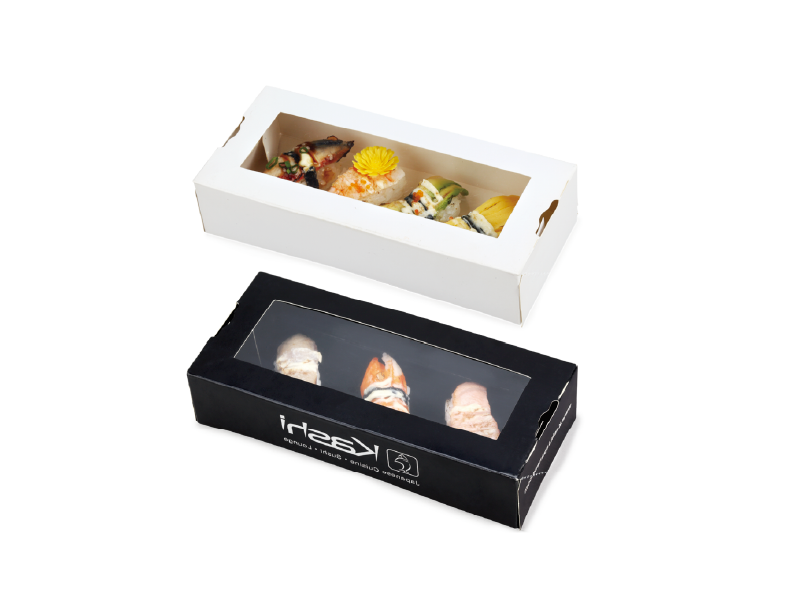
Want packaging that speaks to your customer’s mind and emotions? Explore our custom takeout boxes designed with behavior-driven principles to help your food brand stand out and sell more.
 Explore Takeout Solutions →
Design for Emotion, Not Just Style
Too often, packaging design starts with visual trends or competitor benchmarking. But what matters more is the emotional tone you want to set. Do you want the product to feel safe, exciting, artisanal, or modern?
That emotional intent should guide every visual decision, from layout and texture to color and imagery. People are more likely to choose a product that makes them feel something than one that simply looks trendy.
Communicate Fast and Clearly
Shoppers rarely read packaging. They scan. That means your design must deliver key information instantly.
Product name, purpose, benefit, and brand should all be obvious at a glance. Use typography hierarchy, white space, and visual cues to direct attention. If your packaging makes the shopper work to understand it, they will move on.
Think of every design decision as a time-saving device for the brain. The easier you make it, the more likely the decision will be in your favor.
Test, Don’t Guess
Great packaging is not only creative. It is validated.
A B testing, eye-tracking studies, in-store trials, or even quick surveys can reveal how people actually respond to your design. Sometimes, small tweaks like shifting a label or increasing contrast make a measurable difference in sales or shelf impact.
Psychology offers the framework. Testing ensures your design aligns with real behavior, not assumptions.
Conclusion: Designing With Psychology From Here On
As markets grow more competitive and consumers more selective, packaging will continue to serve as one of the most powerful tools in shaping purchase behavior. It is no longer just a container or a branding element. It is a behavioral interface, a bridge between intention and action.
The future of packaging psychology lies in deeper integration between design, consumer insight, and data. As technologies like AI-driven personalization, sustainability tracking, and behavioral analytics become more accessible, brands will be able to design packaging that adapts not just to segments but to individual contexts and moments.
For businesses, the opportunity is clear. By treating packaging as a strategic touchpoint, not a final step but a behavioral trigger, you unlock new potential in marketing, loyalty, and product experience. The brands that win tomorrow will be those that combine creativity with behavioral intelligence.
Packaging that understands people does more than sell. It connects, converts, and stays remembered.