Did you know that in the United States, one standard cup equals 8 fluid ounces? Despite this simple rule, many foodservice professionals still struggle when trying to compare common packaging sizes like 12 oz, 16 oz, or 32 oz to cup measurements.
This confusion can lead to incorrect purchasing decisions, wasted storage space, and inconsistent portion sizes. It affects cafés, restaurants, and packaging suppliers who depend on accurate capacity planning every day.
To solve this, we’ve created a practical oz to cups conversion guide that covers key sizes commonly found in food packaging. Whether you’re a packaging supplier or a food business operator, this guide is designed to bring clarity to your sizing decisions.
Understanding Oz and Cups
Before you can accurately convert ounces to cups, it’s important to understand what each unit actually represents. Packaging suppliers often work with both measurements, especially when sizing containers for liquids. Misunderstanding the difference between an ounce and a cup can lead to inconsistent packaging results and customer confusion.
What is an Ounce?
An ounce is a unit of measurement used to describe either volume or weight, depending on the context. It is primarily used in the United States, remains widely recognized in Canada, and several Caribbean countries.
These regions continue to rely on the imperial measurement system, so ounces, cups, quarts, and gallons are more familiar to consumers than milliliters or liters. Because of this cultural and industrial habit, the food service industry in North America almost always uses ounces for beverage cups, soup bowls, and many takeaway containers.
There are two types of ounces used in measurement:
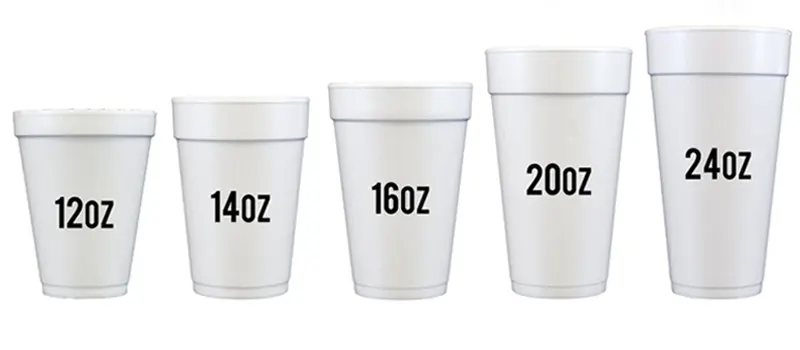
- Fluid ounce: A fluid ounce measures liquid volume. It tells you how much space a beverage or liquid ingredient occupies. This is the ounce used on drink cups, soup containers, and most foodservice packaging.
- Dry ounce: A dry ounce measures weight rather than volume. It is used for solid ingredients such as flour, nuts, or grains, and does not directly translate to fluid ounce measurements because weight and volume behave differently.
In the food packaging industry, the fluid ounce is especially important. It helps restaurants, manufacturers, and brand owners specify container sizes clearly and consistently. A cup labeled as twelve ounces or a bowl labeled as sixteen ounces instantly communicates the portion size to both the buyer and the customer. This clarity also makes it easier and more accurate when comparing packaging options, developing new products, or planning portion control systems.
What is a Cup?
A cup is a standard unit of volume measurement most commonly used in cooking, serving, and packaging within the United States and a few other countries. In the United States measurement system, 1 cup equals 8 fluid ounces, or about 240 milliliters. This definition is widely applied in recipe development, portion control, and the labeling of liquid food products. But it’s also important to note that the meaning of a “cup” can vary slightly depending on location.
How to Measure Fluid Ounces to Cups?
For packaging suppliers, accurately converting fluid ounces to cups is key to matching product volume with the right container. Whether you’re working with a 12 oz juice bottle or a 32 oz soup container, using the correct measurement formula ensures you avoid underfilling or wasting space. This section provides both the standard formula and practical examples that make oz to cups conversion fast and foolproof.
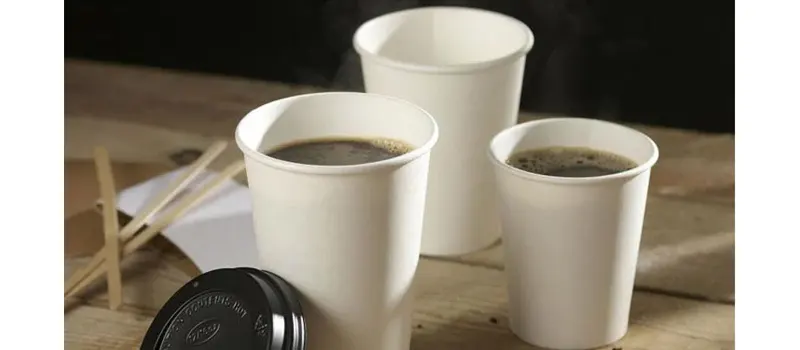
Oz to Cups Conversion Formula
To convert fluid ounces to cups, you can use this simple formula:
Number of cups = Fluid ounces ÷ 8
This formula is based on the U.S. measurement system, where 1 cup equals 8 fluid ounces. It’s important to note that this applies only to liquid volume and not weight. For packaging, this helps determine exactly how much liquid fits into a cup-sized container, which can guide both product labeling and container selection.
Example Fluid Ounce to Cups Conversion
12 Oz Beverage Bottle:
To find out how many cups this equals:
12 ÷ 8 = 1.5 cups
So, a 12 oz drink fits into one and a half cups.
How to Measure Cups to Fluid Ounces?
For packaging suppliers, converting cups to fluid ounces is just as important as the reverse. Whether you’re designing containers for portion-controlled products or evaluating fill levels for quality checks, understanding this conversion helps maintain consistency.
Cups to Oz Conversion Formula
To convert cups to fluid ounces, you can use this simple formula:
Number of fluid ounces = Cups × 8
This calculation follows the U.S. measurement system, where 1 cup equals 8 fluid ounces. It is specific to liquid volume and should not be used for weight-based measurements. For packaging decisions, this conversion tells you exactly how much fluid a cup-sized space can hold, which helps guide both container design and content labeling.
Example Cup to Fluid Ounce Conversion
2.5 Cups of Liquid Product:
To calculate how many fluid ounces this equals:
2.5 × 8 = 20 oz
So, if you’re working with 2.5 cups of liquid, you will need a container that holds at least 20 fluid ounces. This ensures the packaging volume is sufficient without overflow.
Common Oz to Cups Conversions and Their Packaging Types
When selecting the right packaging for food and beverages, size matters, and so does clarity. In North America, fluid ounces (oz) are commonly used to describe the capacity of cups, bowls, and containers. However, many end users and international buyers are more familiar with cup measurements. By converting oz to cups, we can make portion sizes easier to understand and ensure accurate selection across various packaging types.
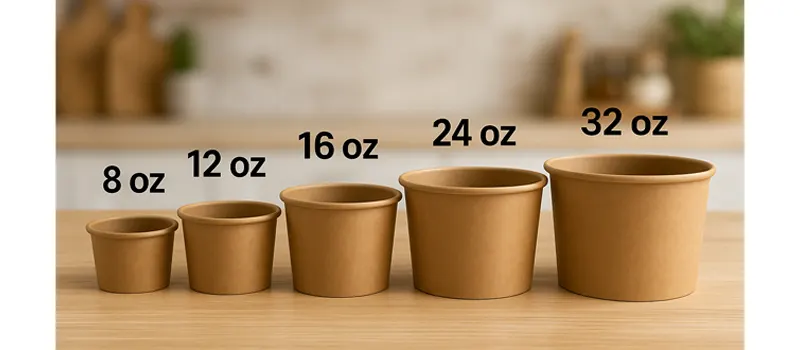
12 oz to Cups
Formula: 12 fl oz ÷ 8 = 1.5 cups
Common Packaging Types:
- 12 oz Paper Cup (hot coffee, tea, hot chocolate)
- 12 oz PLA Clear Cup (iced drinks, cold brew, lemonades)
- 12 oz Bagasse Bowl (small salad)
- 12 oz Paper Soup Cup (side soups, deli-style stews)
14 oz to Cups
Formula: 14 fl oz ÷ 8 = 1.75 cups
Common Packaging Types:
- 14 oz PLA Clear Cup (bubble tea, smoothies)
- 14 oz Paper Bowl (noodles, pasta, small lunch portions)
- 14 oz Bagasse Container (grain bowls)
16 oz to Cups
Formula: 16 fl oz ÷ 8 = 2 cups
Common Packaging Types:
- 16 oz Paper Cup (smoothies, large coffee)
- 16 oz PLA Clear Cup (milk tea, fruit juices, iced lattes)
- 16 oz Bagasse Bowl (pasta, ramen, rice bowls)
- 16 oz Soup Cup with Lid (noodle soups, chowders)
18 oz to Cups
Formula: 18 fl oz ÷ 8 = 2.25 cups
Common Packaging Types:
- 18 oz Paper Bowl (hearty soup, pasta)
- 18 oz Bagasse Round Bowl (takeaway rice, curry)
- 18 oz Clear Cup (iced milk tea, specialty drinks)
20 oz to Cups
Formula: 20 fl oz ÷ 8 = 2.5 cups
Common Packaging Types:
- 20 oz PLA Clear Cup (large cold drinks, milkshakes)
- 20 oz Paper Bowl (meal-size servings)
- 20 oz Bagasse Container (bento-style lunches)
- 20 oz Coffee Cup (oversized latte or mocha)
Find the Right Oz Size Easily
From cups to soup bowls, understanding Oz to Cups helps you choose the perfect packaging for your menu.
Million Pack offers every size you need, all in one place.
View All Packaging Sizes24 oz to Cups
Formula: 24 fl oz ÷ 8 = 3 cups
Common Packaging Types:
- 24 oz Bagasse Bowl (grain bowls, entrée salads, poke bowls)
- 24 oz PLA Clear Cup (large smoothies, protein shakes)
- 24 oz Paper Soup Container (bulk soups, chili, curry)
- 24 oz Recyclable Deli Container (prepared meals, pasta salads)
32 oz to Cups
Formula: 32 fl oz ÷ 8 = 4 cups
Common Packaging Types:
- 32 oz Compostable Paper Bucket (family-size soups, sauces)
- 32 oz PLA Clear Jug or Cup (iced tea, fresh juice, refill drinks)
- 32 oz Bagasse Bowl with Lid (meal kits, take-home entrées)
- 32 oz Reusable or Recyclable Container (bulk sides, stews, cold meals)
Complete Quick Conversion Table
| Fluid Ounces (fl oz) | Cups (US Standard) |
|---|---|
| 4 fl oz | 0.5 cups |
| 6 fl oz | 0.75 cups |
| 8 fl oz | 1 cup |
| 10 fl oz | 1.25 cups |
| 12 fl oz | 1.5 cups |
| 14 fl oz | 1.75 cups |
| 16 fl oz | 2 cups |
| 18 fl oz | 2.25 cups |
| 20 fl oz | 2.5 cups |
| 22 fl oz | 2.75 cups |
| 24 fl oz | 3 cups |
| 26 fl oz | 3.25 cups |
| 28 fl oz | 3.5 cups |
| 30 fl oz | 3.75 cups |
| 32 fl oz | 4 cups |
Why Oz to Cups Conversion Matters in the Food Packaging Industry?
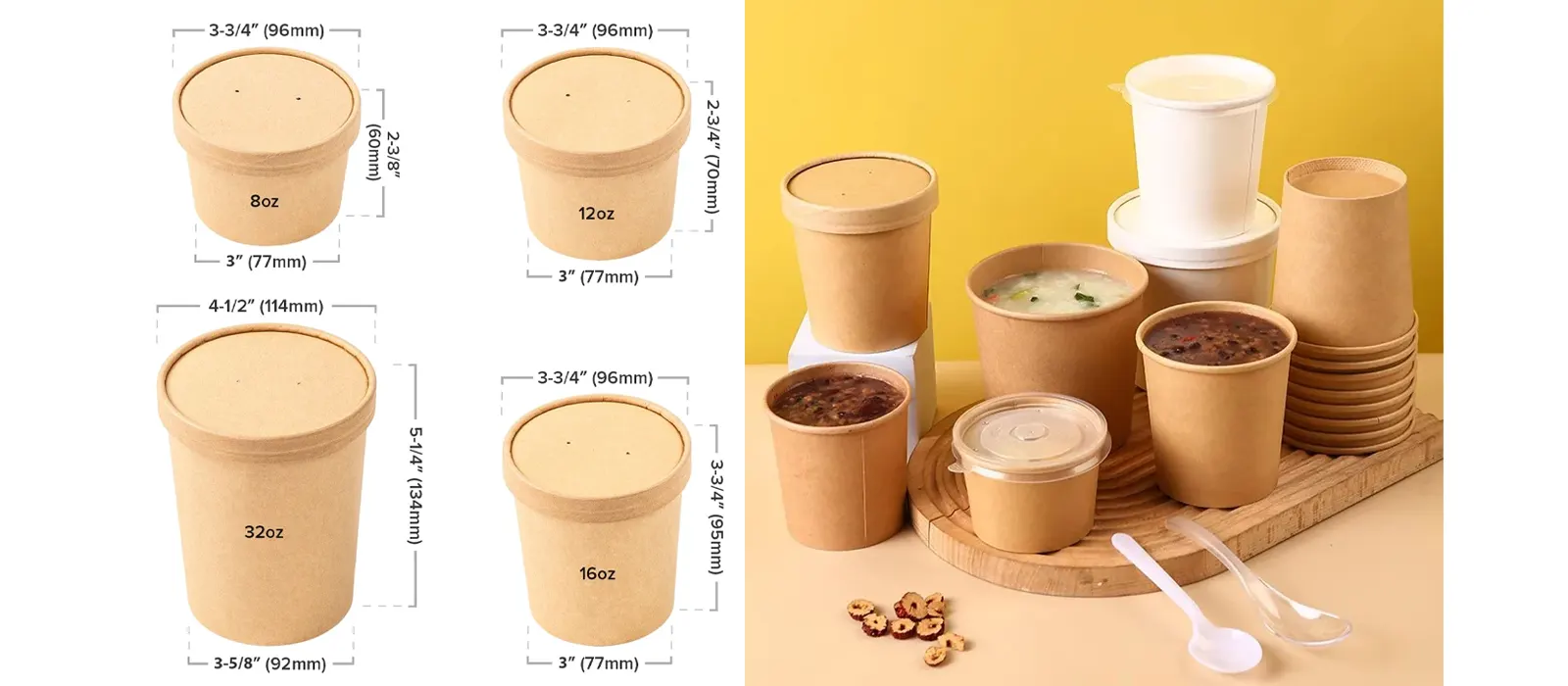
In the food packaging industry, precision in volume measurement is more than a technical detail; it directly affects product performance, customer satisfaction, and operational efficiency. While packaging is typically labeled in fluid ounces, recipes, portion guides, and customer expectations often rely on cup-based language. This gap in understanding can create confusion and lead to miscommunication between producers, foodservice operators, and consumers.
For example, a company may supply a 24-oz soup container to a meal kit brand. If the meal recipe calls for “3 cups of broth,” the packaging team must know that 24 oz equals exactly 3 US cups. Without an accurate oz to cups conversion, the serving may be overfilled or underfilled, impacting customer perception and portion accuracy.
The importance of this conversion extends across multiple sectors within the industry:
- Foodservice providers need to align cup-based recipes with packaging labeled in ounces
- Packaging designers and manufacturers must create containers that match standardized serving sizes
- Retail brands and co-packers rely on clear labeling and volume conversions to meet both nutritional and legal compliance
In addition, conversions help in supply planning and logistics. Understanding how many cups fit into each package allows for better forecasting of ingredient usage and improves shipping efficiency. For businesses working internationally, mastering oz to cups conversions also simplifies communication between teams using metric and imperial systems.
By incorporating clear oz to cups knowledge into packaging decisions, companies gain a competitive advantage. They ensure consistency, reduce errors, and improve transparency.
Conclusion
Understanding how to convert ounces to cups is more than just a math exercise; it’s a practical skill with real-world implications in the food packaging industry. From choosing the right container size to improving labeling accuracy and reducing waste, these conversions play a critical role in both daily operations and long-term efficiency.
For packaging suppliers, mastering oz to cups conversions means better communication with clients, smoother production processes, and more sustainable packaging decisions. Whether you’re designing a 12-oz paper cup or a 32-oz bagasse bowl, having a clear grasp of volume helps you deliver packaging that’s functional, compliant, and consumer-friendly.