Think about those moments when a small detail ruined your drink: struggling to pull a thick milkshake through a narrow straw, or discovering your straw is frustratingly too short for your favorite travel mug. These minor, yet common, annoyances occur because the crucial differences in Drinking Straw Sizes are often overlooked. A mismatched straw can truly detract from the simple pleasure of any beverage.
Once you understand the proper dimensions, you can choose the right straw every time.This means effortlessly enjoying a creamy smoothie with the correct wide bore option and always using a straw that sits perfectly in any tall tumbler.Selecting the correct size transforms the entire drinking experience, providing comfort, functionality, and a sense of professional quality that satisfies customers and supports consistent service.
What Are Drinking Straw Sizes?
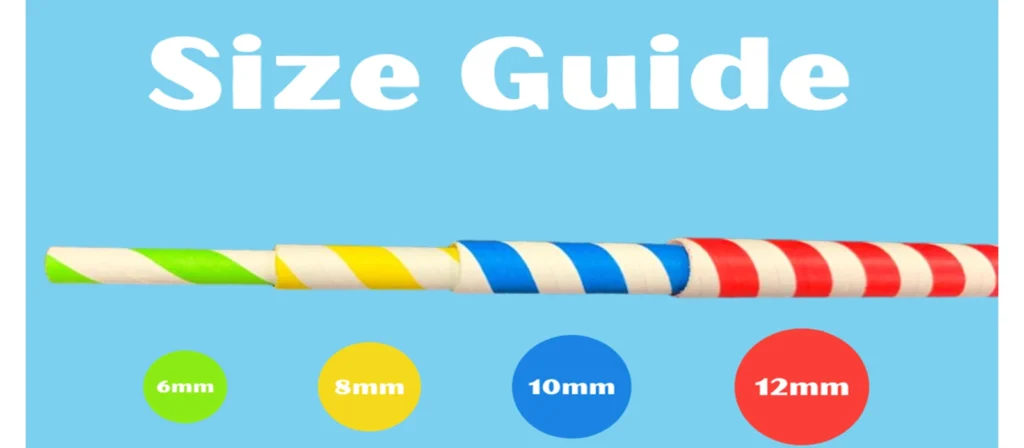
Drinking Straw Sizes refer primarily to two critical measurements: the diameter (or bore) and the length. These dimensions are not arbitrary; they are designed to optimize the user experience for specific drinks and containers.
1. The Foundation of Straw Dimensions
The diameter determines the volume of liquid that can pass through the straw per sip, directly impacting the straw’s suitability for different viscosities. A narrow diameter is ideal for thin liquids, while a wide diameter is essential for thick, chunky beverages.
Length, on the other hand, is dictated by the serving vessel. A straw must be long enough to comfortably reach the bottom of the cup or glass without requiring the user to strain, but not so long that it becomes unwieldy or unbalanced. Incorrect straw length can lead to frustration or even spill hazards.
2. Utility Differences Across Sizes

The selection of a straw size is a direct reflection of its intended use. For instance, a small, narrow straw is typically found in cocktail bars or paired with juice boxes, where the goal is a controlled, slower intake of a thin liquid. Conversely, a much larger diameter straw is mandatory for consuming bubble tea or thick milkshakes, where solid ingredients or highly viscous liquids must be accommodated. These differences in utility are fundamental to appreciating the full spectrum of Drinking Straw Sizes.
The core concept is that a well chosen straw enhances the drink, ensuring ease of consumption and safety. This involves a delicate balance between the flow rate of the liquid and the physical characteristics of the beverage, such as the inclusion of fruit pulp, crushed ice, or tapioca pearls. The industry has standardized many of these dimensions over time to ensure compatibility across various glassware and drink menus.
Standard Drinking Straw Size Chart
To navigate the vast landscape of Drinking Straw Sizes, it is helpful to establish a framework of common dimensions. The industry often measures diameter in millimeters (mm) and length in inches or millimeters, with variations existing across different regions and manufacturers. The table below presents a detailed look at standard straw sizes, correlating their dimensions with their most common applications.
| Diameter (mm) | Approximate Diameter (Inches) | Length (Inches) | Common Lengths (mm) | Typical Application | Viscosity Suitability |
| 3-5 | 0.12 – 0.20 | 5-7 | 127 – 178 | Cocktails, Small Juice Boxes, Garnishes | Very Low |
| 6-7 | 0.24 – 0.28 | 7.5 – 9 | 190 – 228 | Standard Drinks, Sodas, Water, Iced Coffee | Low to Medium |
| 8 | 0.31 | 8.5 – 10 | 216 – 254 | Tall Glasses, Large Cold Beverages, Smoothies | Medium |
| 10-12 | 0.39 – 0.47 | 8.5 – 10 | 216 – 254 | Milkshakes, Thicker Smoothies, Slushies | High |
| 12+ | 0.47+ | 8 – 9 | 203 – 228 | Bubble Tea , Very Thick Beverages, Specialty Desserts | Very High (Solids Included) |
Detailed Breakdown of Standard Diameters
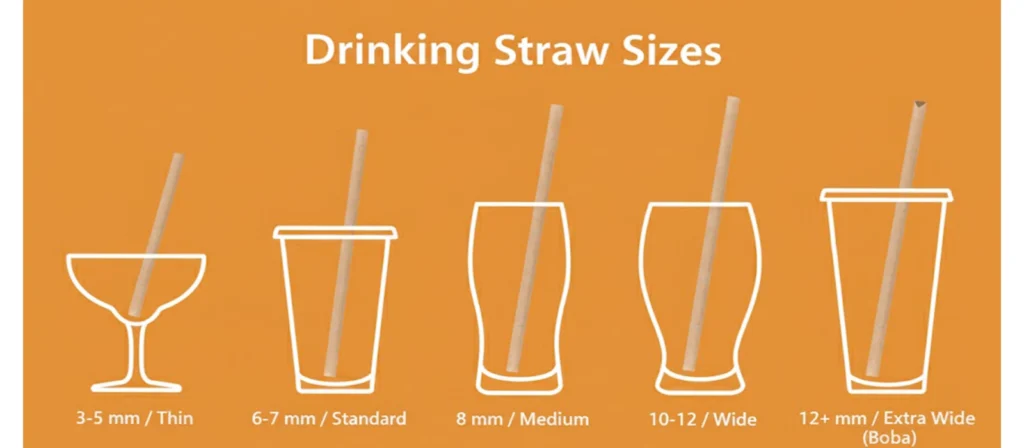
The diameter is the most critical factor determining a straw’s functionality. A small variation in diameter can dramatically change the consumption experience, influencing everything from suction comfort to how smoothly different beverages flow through the straw.
Common Straw Diameter Categories
- Narrow Bore (3-5 mm): These are the most slender options, often used as stirrers or cocktail straws. They help manage intake speed for potent drinks and allow controlled sipping. While not intended for volume drinking, they play an important role in presentation and light stirring in smaller glasses.
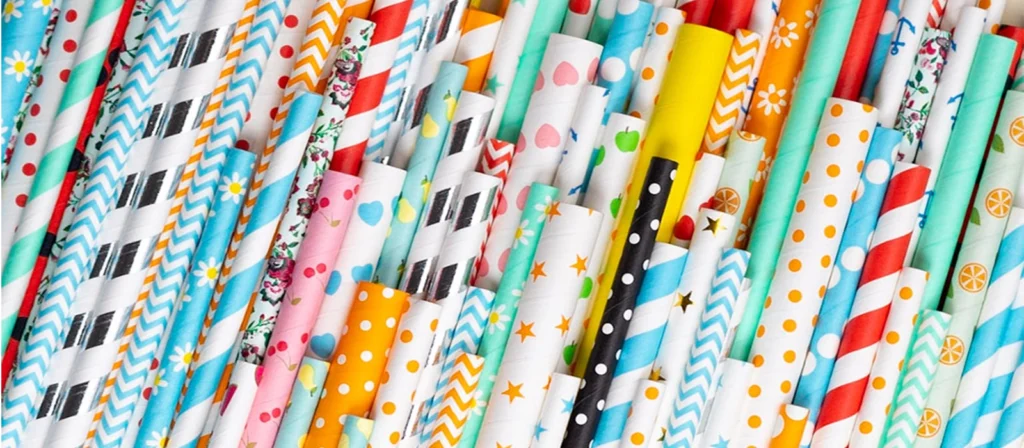
- Standard Bore (6-7 mm): This everyday, all purpose straw is commonly used for sodas and fast food beverages. The 7 mm diameter delivers an ideal flow rate for most standard cold drinks, balancing speed and control. Many paper and plastic straws are produced in this size range.
- Medium Bore (8 mm): A wider choice for drinks slightly thicker than soda but not as dense as a milkshake. This diameter works well for blended iced coffees, slushies, and medium thickness smoothies, providing a moderate increase in flow without becoming overly large.
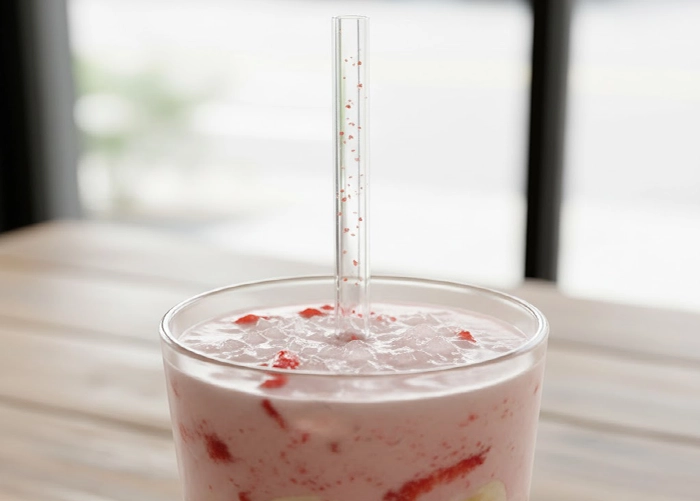
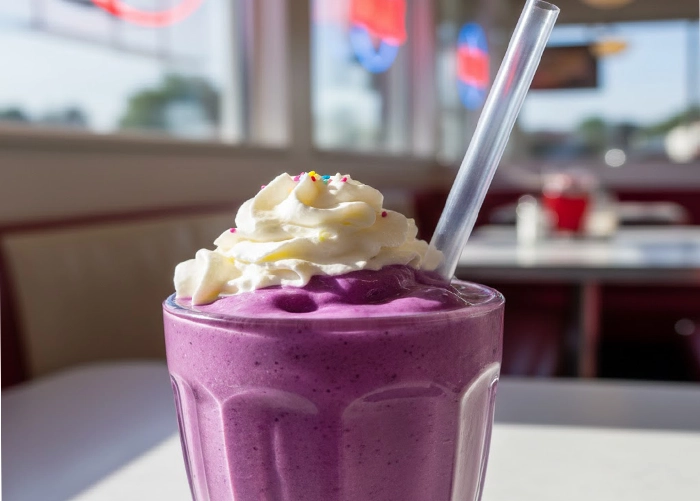
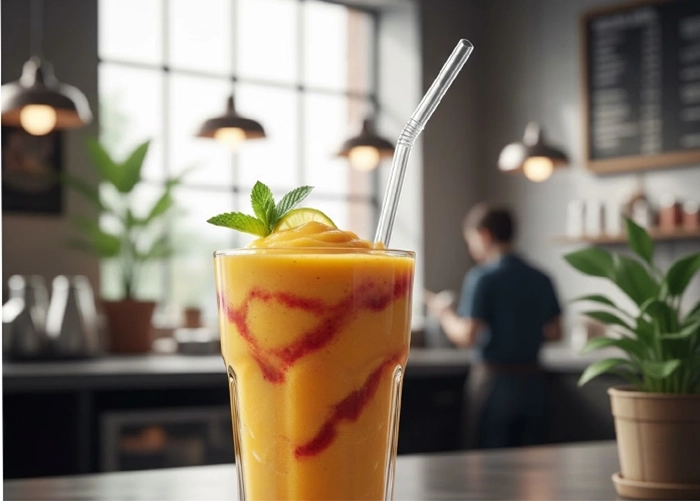
- Wide Bore (10-12 mm): Designed for milkshakes and thick smoothies with fruit or ice cream. These diameters reduce suction effort and prevent clogging. The 12 mm size is often considered the standard for thick beverages, ensuring smooth and comfortable drinking.
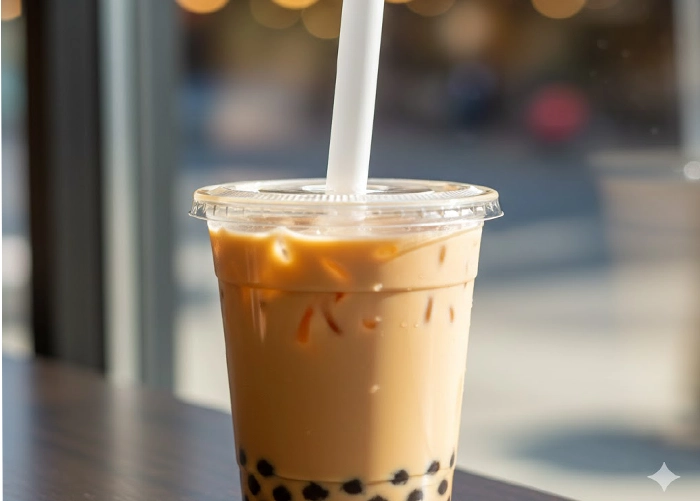
- Extra Wide Bore (12+ mm): Essential for bubble tea containing large tapioca pearls. These straws often feature a slanted or sharpened tip for piercing sealed cup films. Their width ensures pearls pass through easily, making them a specialized category within Drinking Straw Sizes.
Choosing the Right Straw Diameter
Selecting the correct straw diameter is paramount to the consumer’s satisfaction and the efficient consumption of a beverage. The choice must always align with the liquid’s viscosity and the presence of solids. Mismatching the diameter can lead to excessive effort, potential blockages, or an unpleasantly fast consumption rate.
1. The Role of Viscosity
Viscosity is the internal friction of a fluid, or its resistance to flow. Water has low viscosity; honey has high viscosity. Beverages fall on a spectrum:
- Low Viscosity Drinks Examples include water, iced tea, soda, and juice without pulp.
- Recommended Diameter: 6mm to 7mm. The standard bore is perfectly suited as it manages the quick flow rate, preventing the user from accidentally inhaling the liquid.
- Medium Viscosity Drinks Examples include milk, thin smoothies, iced lattes, and slushies.
- Recommended Diameter: 7mm to 8mm. A slightly increased diameter facilitates easier suction. An 8mm straw provides just enough extra space to comfortably pull a thicker liquid without the effort required by a 6mm straw.
- High Viscosity Drinks Examples include thick milkshakes, malted beverages, and protein shakes.
- Recommended Diameter: 10mm to 12mm. This wide bore is necessary to minimize the pressure drop required for suction. Anything smaller would make the drink a chore to consume, especially as the drink gets colder and thicker.
2. Accommodating Solids and Inclusions
When the drink contains particles, the diameter requirement shifts from being about flow rate to being about passage capacity. This is where the specialty sizes become essential to the complete spectrum of Drinking Straw Sizes.
- Crushed Ice and Fruit Pulp: A standard 8mm straw can often handle fine pulp and small ice fragments without issue. It provides sufficient space for the particles to pass while maintaining a good seal around the mouth.
- Tapioca Pearls (Boba): This is the quintessential example requiring a specialty, large diameter.Required Diameter: 12mm or wider. The pearls must pass through cleanly. A smaller diameter simply cannot work, leading to an entirely unusable straw for the drink.
Choosing the right diameter is not just a preference; it is a functional requirement. Businesses that understand this relationship ensure their customers have the best possible experience, preventing the common complaint of a straw that clogs or requires too much effort.
Common Straw Lengths and Their Uses
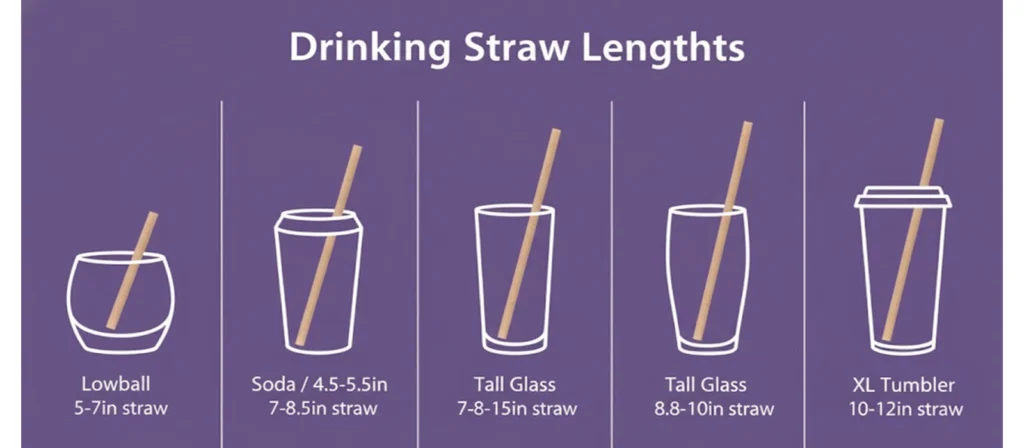
While diameter is about the drink itself, length is about the container. A general rule of thumb is that a straw should extend approximately one to two inches above the lip of the cup or glass. This height allows the user to easily grasp the straw without putting their hand into the drink and positions the end of the straw at a comfortable height for sipping.
Matching Length to Vessel Size
| Vessel Type | Typical Volume (Oz) | Vessel Height (Inches) | Recommended Straw Length (Inches) |
| Lowball Glass, Small Cocktails | 6-10 oz | 3-4 | 5-7 |
| Standard Fountain Drink/Soda Can | 12-16 oz | 4.5-5.5 | 7-8.5 |
| Standard Tall Glassware, Medium Tumblers | 16-24 oz | 6-8 | 8.5-10 |
| Extra Large Tumblers, Travel Mugs | 30-40 oz | 9-11 | 10-12 |
Common Straw Length Categories
- The Short Straw (5-7 inches): Primarily used for small volume, high value drinks. They appear in cocktail settings to deliver a small, controlled amount of liquid and complement a refined presentation in short glasses. Using a long straw here would look awkward and top heavy.
- The Medium Straw (7.5-8.5 inches): The workhorse of the fast food and casual dining industry. It pairs well with common 16 to 24 ounce cups, offering a balance of reach and stability. Most standard paper and reusable straws are made in this size because of its versatility.
- The Tall Straw (8.5-10 inches): Designed for large travel cups and insulated tumblers. These taller vessels hold cold drinks for extended periods, and a 9 or 10 inch straw ensures users can reach the bottom comfortably throughout the drinking experience.
- The Extra Long Straw (10+ inches): Used for niche needs such as beverage dispensers, oversized novelty cups, or large communal mugs. While less common, this length is essential whenever container height exceeds standard straw reach.
Inadequate length means the straw end sits too low in the cup, forcing the user to reach or tilt the cup excessively. This simple dimensional mismatch can negatively impact the user experience, underscoring the importance of proper length selection.
Specialty Straw Types
Beyond the standard dimensions, the drinking straw market features several specialty types, each engineered for a unique purpose. These variations demonstrate the adaptability within the Drinking Straw Sizes category, meeting specific consumer and market demands.
The Essential Specialty Sizes
1. Milkshake and Smoothie Straws
- Key Feature: Wide diameter, typically 10 to 12 millimeters, designed to handle thick and blended beverages with ease.
- Application: Created for high viscosity drinks such as milkshakes and smoothies. The wide bore allows a smooth, effortless draw and accommodates soft chunks of fruit or ice cream without clogging.
2. Bubble Tea (Boba) Straws
- Key Feature: Extra wide diameter of 12 millimeters or more, often paired with a slanted or sharpened tip for added functionality.
- Application: Essential for drinks containing tapioca pearls. The wide bore allows pearls to pass through easily, while the pointed tip pierces the heat sealed film used on bubble tea cups.
3. Cocktail Stirrers / Sip Straws
- Key Feature: Extremely narrow diameter of 3 to 5 millimeters paired with a short 5 inch length, designed specifically for small volume beverages.
- Application: Commonly used in refined cocktails served in lowball or rocks glasses. They are intended for gentle stirring and controlled sipping rather than volume drinking, enhancing the slow enjoyment of the drink.
4. Jumbo Straws
- Key Feature: Standard diameter of 6 to 7 millimeters, sometimes expanding to 8 millimeters, combined with a longer length for versatile use.
- Application: A widely used all purpose straw size favored by manufacturers, especially in the 8 inch range. It offers a balanced experience for iced teas, sodas, and most everyday cold beverages.
The development of these specialty types underscores the fact that Drinking Straw Sizes are a direct response to culinary innovation, ensuring that every beverage, no matter how complex its composition, can be consumed easily and safely.
Eco-Friendly Options for Drinking Straws
In response to global environmental concerns, the market for drinking straws has experienced a profound shift toward sustainable alternatives. While the focus has moved away from traditional plastic, the need for a full spectrum of Drinking Straw Sizes remains, prompting manufacturers to innovate across materials.
Biodegradable and Compostable Options
These materials are designed to break down naturally after disposal, reducing their environmental footprint. The core challenge here is achieving the desired size and strength without compromising the eco-friendly credentials.
1. Paper Straws:
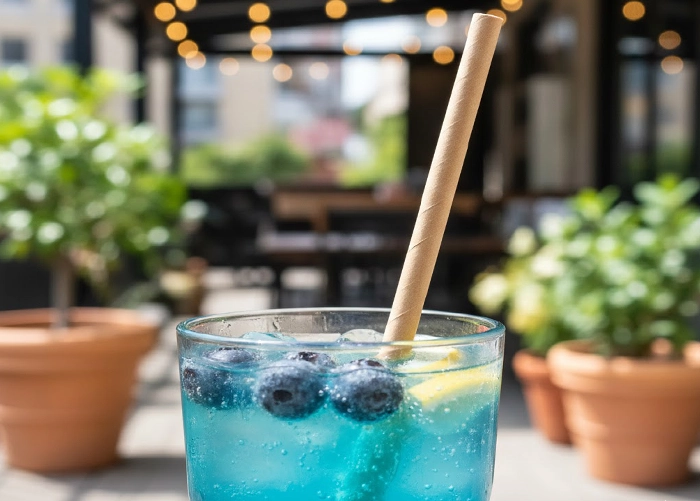
Paper straws are ideal for cafés, bakeries, juice bars, and quick service restaurants that want an affordable and eco focused option for standard cold drinks. They work well for sodas, iced teas, lemonades, and general beverage service where the drink will be consumed within a typical time frame. They are also popular at events, catering setups, and family friendly venues that value sustainability and simple waste management.
- Composition: Tightly wound layers of food-grade paper.
- Sizes: Now available in nearly all standard Drinking Straw Sizes, from cocktail to jumbo and even boba sizes.
- Pros: Widely recyclable, biodegradable, and compostable.
- Cons: Can degrade in liquid over time, affecting durability, though recent manufacturing improvements have significantly enhanced their longevity.
2. PLA Straws:
PLA straws suit businesses that need a durable, plastic like feel without using traditional plastic. They are popular in bubble tea shops, smoothie bars, and high volume take out operations because they maintain firmness in thicker drinks and pair well with sealed cup systems while still supporting sustainability goals. They are especially effective for businesses that want a premium drinking experience while meeting local environmental regulations.
- Composition: A bioplastic made from renewable resources like corn starch or sugarcane.
- Sizes: Excellent for replicating the feel and size of traditional plastic straws, available in all diameters and lengths.
- Pros: Looks and feels like plastic, compostable in commercial composting facilities.
- Cons: Requires specific industrial composting conditions to fully break down, not biodegradable in a standard landfill or marine environment.
Reusable Straw Materials
The most sustainable choice is the reusable straw, eliminating the need for single-use products entirely. These options offer excellent durability and maintain their structural integrity across all required Drinking Straw Sizes.
| Material | Key Features and Sizes | Durability/Maintenance | Best Use Cases |
| Stainless Steel | Available in all diameters , 6mm to 12mm and lengths. Often comes in bent and straight versions. | Extremely durable, dishwasher safe. Requires a small brush for internal cleaning, especially for wide diameters. | Everyday use, cold beverages, travel mugs. Excellent for maintaining drink temperature. |
| Glass | Wide range of dimensions, popular for aesthetics. | Durable borosilicate glass, but still breakable if dropped. Easy to clean as the interior is visible. | Home use, restaurants prioritizing presentation and clarity. Not ideal for travel. |
| Bamboo | Natural texture, often slightly irregular bore, available in standard and jumbo sizes. | Biodegradable, but requires careful washing and drying to prevent mold or splitting. | Warm beverages, natural or rustic themed cafes, home use. |
| Silicone | Excellent flexibility, available in all diameters. | Very durable, flexible, and soft on teeth. Dishwasher safe. | Children’s cups, travel, people with sensitive teeth or mobility issues. |
The evolution of these eco-friendly options ensures that the versatility and functional requirements provided by the full range of Drinking Straw Sizes are not lost in the move toward sustainability. Businesses must carefully assess which material meets both their operational needs and their environmental goals.
How to Select the Best Straw for Your Business
For coffee shops, restaurants, bars, and retailers, the choice of Drinking Straw Sizes is a critical purchasing decision that impacts cost, customer satisfaction, and brand image. The selection process should be systematic, balancing operational reality with customer expectation.
1. Analyze Your Beverage Menu and Vessels

The first step is a rigorous audit of what you serve and how you serve it. The straw choice must be tailored to the specifics of your offerings.
- Beverage Viscosity Segmentation:Determine the percentage of thin drinks (soda, iced tea), medium drinks (iced lattes, basic smoothies), and thick/chunky drinks (milkshakes, bubble tea). This directly dictates the required diameter mix.Example: A dedicated smoothie shop will need a high volume of 10mm to 12mm straws, while a basic diner will focus on 7mm standard sizes.
- Container Height Inventory:Measure the height of your most common serving vessels . This determines the necessary length mix. You may need to stock two to three different lengths to cover your full range of offerings. A mismatch in length is a common point of customer dissatisfaction.
- Inclusions Check:If you serve boba, you must stock the specialty 12mm boba straw. If you offer drinks with toppings, consider the 7mm diameter spoon straw.
2. Choose Material Based on Business Model and Values

The material selection is driven by local regulations, customer values, and operational cost.
- High-Volume, Low-Cost Operations:Recommendation: High quality paper straws or compostable PLA in standard 7mm diameter and 8-inch length. These balance cost-effectiveness with environmental compliance.
- Mid-to-High End Restaurants/Cocktail Bars:Recommendation: Focus on aesthetic and experience. Consider sleek stainless steel for in-house use, and thin, short glass or high-end bamboo for cocktails. For take-out, opt for premium, durable paper straws. The aesthetic quality of the straw must match the quality of the drink.
- Retail:Recommendation: Stock full reusable straw kits like stainless steel, glass, or silicone that include multiple Drinking Straw Sizes like 7mm, 10mm, 12mm and a cleaning brush. This capitalizes on the reusable market trend.
Conclusion
Choosing the right drinking straw size is ultimately about creating a smooth and enjoyable experience for every beverage. By understanding how diameter, length, viscosity, and materials work together, you can avoid common frustrations and elevate the quality of any drink you serve. Whether you are selecting straws for a café, a smoothie bar, a bubble tea shop, or everyday use at home, applying these simple guidelines ensures comfort, consistency, and customer satisfaction with every sip.
FAQs:
The ideal straw size depends on diameter, length, drink viscosity, and whether the beverage contains solids like pulp, ice, or tapioca pearls. Matching these elements ensures a smooth and comfortable drinking experience.
2. Why do thick drinks need wider straws?
Thick beverages like milkshakes or smoothies have higher viscosity, meaning they resist flow. Wider straws, typically 10 to 12 millimeters, reduce suction effort and prevent clogging.
3. How do I choose the correct straw length for my cups?
Measure the height of your cup and choose a straw that extends one to two inches above the rim. This ensures comfort, stability, and easy access to the drink.
4. Are eco friendly straw materials available in all sizes?
Yes. Paper, PLA, silicone, stainless steel, and bamboo options now come in a full range of drinking straw sizes, including standard, smoothie, and boba diameters.
5. What size straw is best for bubble tea?
Bubble tea requires extra wide straws of 12 millimeters or more so that tapioca pearls can pass through easily. Many come with angled tips for piercing sealed lids.
6. How can businesses decide which straw sizes to offer?
Businesses should review their beverage menu, container heights, drink viscosity, and customer preferences. Stocking two to four key sizes usually covers everything from sodas to smoothies and bubble tea.