Choosing the right paper plate sounds simple, but in practice, it can be surprisingly difficult. Selecting the correct paper plate size has a direct impact on workflow, food presentation, and the overall dining experience. With so many sizes, materials, and styles on the market, it’s easy to pick a plate that’s either too small for the food or too flimsy to hold up during service.
Get it wrong, and you may face more than just a few spills. Oversized plates waste materials and money. Undersized ones lead to messes and frustrated customers. If you’re serving different types of food or managing multiple meal formats, the wrong decision in plate sizing can affect both presentation and cost control. And when you’re ordering in bulk, those small miscalculations add up fast.
This guide gives you a clear, practical framework for choosing the right paper plate sizes for your operation. We break down common disposable plate sizes, match them with appropriate food types, and explain when it makes sense to consider material strength or specialty designs. By the end, you’ll be equipped to make smarter, more confident purchasing decisions that reduce waste and improve efficiency.
Common Disposable Paper Plate Sizes You Should Know
Disposable paper plate sizes vary widely, but most products used in commercial food service fall into four standard categories: dinner plates, lunch plates, platter plates, and dessert plates. These categories represent the most common paper plate sizes found across restaurants, catering operations, bakeries, and institutional dining. Understanding how these paper plate sizes differ helps buyers make informed decisions when sourcing disposable tableware for bulk supply, events, or daily service.
Each paper plate size is designed for a specific serving purpose. A standard dinner plate typically measures between 10 and 12 inches, providing sufficient space for full meals and multi-item portions. Lunch plates usually range from 8 to 9 inches and are commonly used for lighter meals, quick service, or controlled portions. Platter plates and dessert plates serve more specialized roles, but together these four paper plate sizes cover the majority of real-world food service needs. Choosing the correct paper plate size can improve portion control, reduce food waste, and ensure consistent presentation in high-volume environments.
Dinner Plates
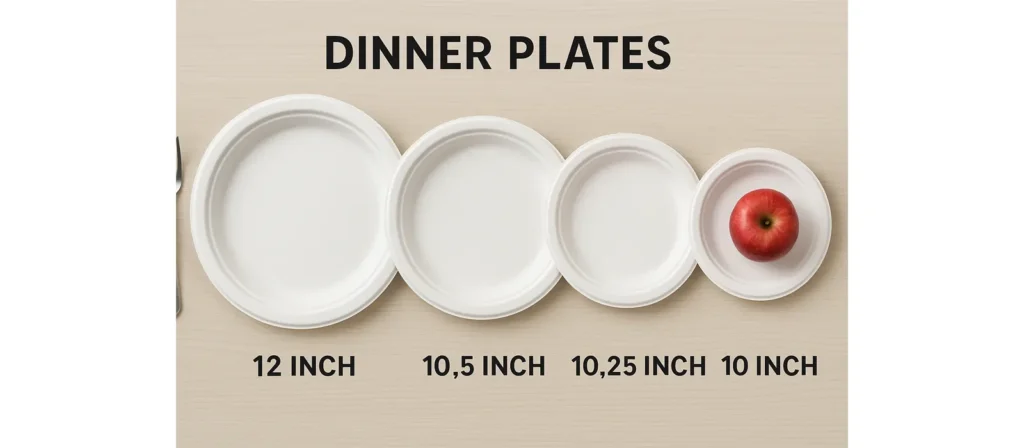
Dinner plate size are typically 10 to 12 inches in diameter. This is the largest standard size for disposable plates. The 10-inch version is more common in bulk catering and institutional use, while the 12-inch plate is often reserved for more premium or formal presentations. Some brands also offer in-between sizes, like 10.25 or 10.5 inches, to balance cost and surface area.
Lunch Plates
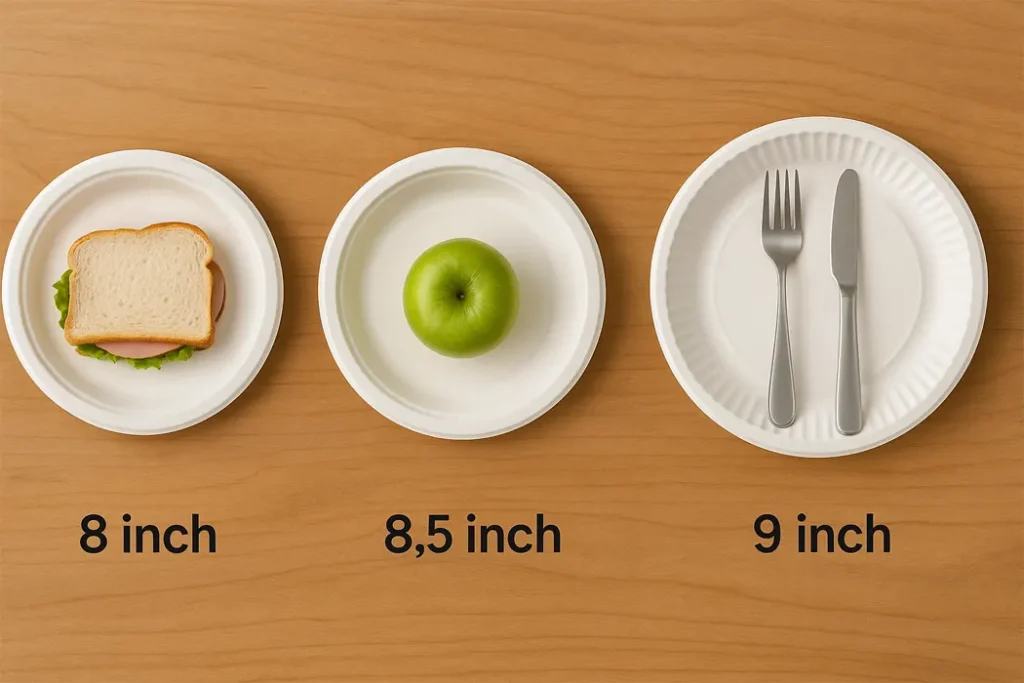
Lunch plates usually fall between 8 and 9 inches. This size is smaller than a dinner plate but still provides enough surface area for a modest meal or combination items. The 8.5-inch plate is a common middle ground that offers flexibility without taking up too much space.
Common lunch plate sizes include:
- 8 inch
- 8.5 inch
- 9 inch
Compared to dinner plates, lunch plate sizes are about 15–25% smaller in surface area.
Platter Plates
Platter plates are typically 12 to 14 inches, but the key distinction is that they are often oval or rectangular, rather than round. This gives them a larger usable area, ideal for serving multiple items together. Because of their irregular shape, their length and width may vary by manufacturer.
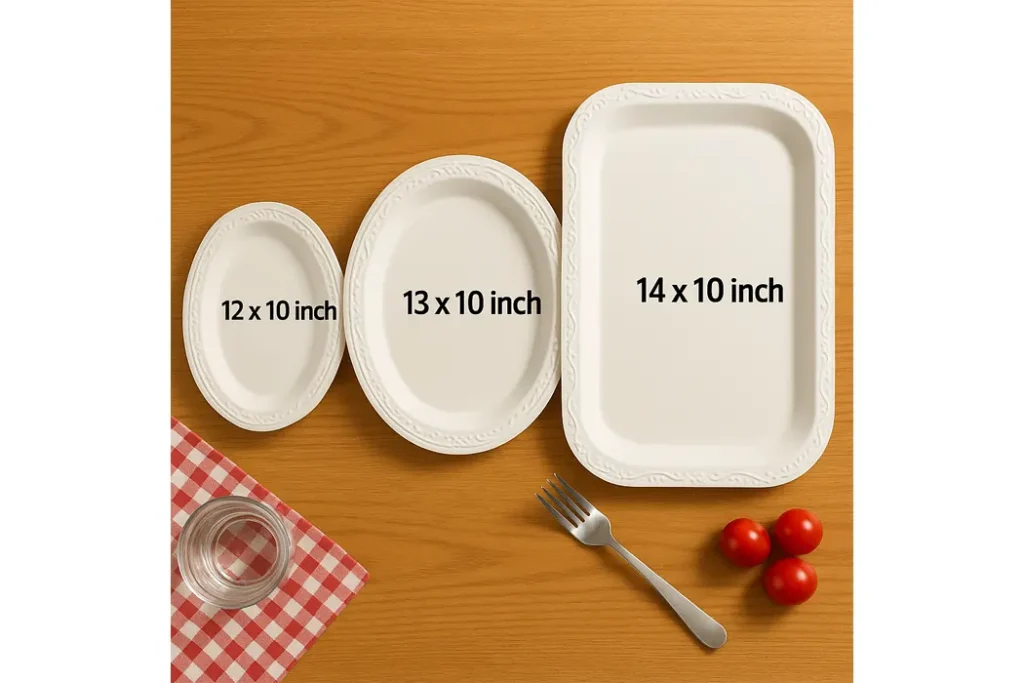
Standard platter dimensions include:
- 12 x 10 inch (oval)
- 13 x 10 inch (oval)
- 14 x 10 inch (rectangular)
Note: While the length is often emphasized, the width is just as important for load-bearing and arrangement.
Dessert Plates
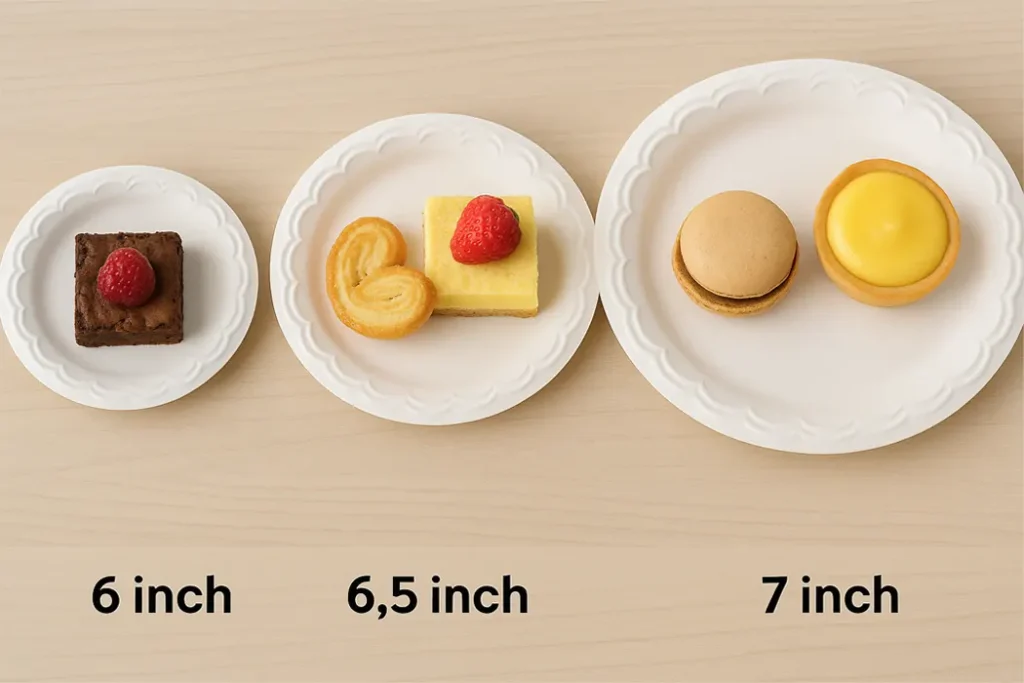
Dessert plates represent the smallest standard category within disposable dinnerware, and the typical dessert plate size falls between 6 and 7 inches in diameter. This category tends to be more consistent across manufacturers, with less variation compared to larger plate types. Among all available options, the most commonly used dessert plate size is 6.75 inches, which offers just enough surface area for portions like cake slices, pastries, or fruit without feeling oversized.
Typical dessert plate sizes:
- 6 inch
- 6.5 inch
- 6.75 inch
- 7 inch
Because of their smaller surface area, dessert plates are easier to stack, store, and transport in bulk.
Paper Plate Sizes and Their Most Practical Uses
Choosing the right paper plate size isn’t just about convenience, it directly affects food presentation, portioning, and cost efficiency. Each type of food requires a specific amount of surface area, and using the wrong size can lead to overflows, food waste, or simply an unprofessional look. Below is a detailed breakdown of recommended paper plate sizes based on the type of food being served or the occasion in which it’s used.
For Main Dishes, Use Dinner Plates 10–12 Inch
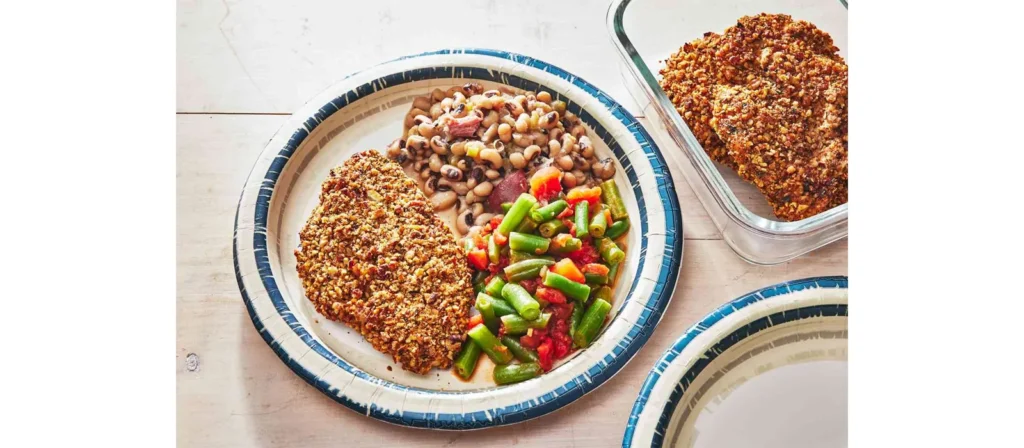
Main courses typically require the largest plate size due to the volume and variety of food items served. The ideal range for these meals is 10 to 12 inches in diameter. A 10-inch plate is standard in many institutional and fast-service environments, while 12-inch plates are often used for plated meals in formal catering or restaurant service.
This size provides enough space for proteins, sides, and sauces without crowding. It also helps with heat retention, as food can be spaced more evenly. Anything smaller than 10 inches may result in food touching or even spilling over.
For Salads and Side Dishes, Use Plates 7–8.5 Inch
Salads and side dishes are best served on 7 to 8.5 inch plates. This size offers a balanced presentation while keeping portions in check. A 7-inch plate works well for simple garden salads or basic side dishes like mashed potatoes or coleslaw. For more generous portions or loaded sides, an 8.5-inch plate offers more flexibility. This range is also useful in multi-course meals where a dedicated plate is assigned to a starter or side, keeping each course distinct and manageable.

For Desserts and Fruits, Use Plates 6–7 Inch
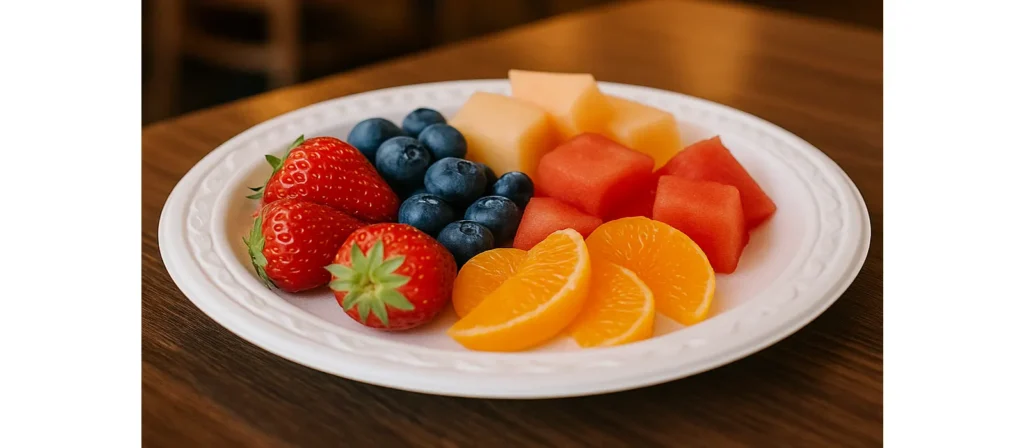
For desserts, fruit assortments, or smaller sweet items, a 6 to 7 inch plate is the go-to. A 6.75-inch option is widely used in catered events and bakeries due to its compact yet presentable surface. These sizes are perfect for slices of cake, brownies, or fruit cups, allowing just enough room without feeling oversized. Because fruits are typically lighter and lower in volume, there’s no need for larger plates. Oversizing can even make portions look smaller than they are, which is not ideal in visual presentation.
For Snacks and Appetizers, Use Plates 4–6 Inch
Small bites and finger foods belong on 4 to 6 inch paper plates. These mini sizes are ideal for hors d’oeuvres, nuts, chips, or samplers at tasting events. A 5-inch plate is often the sweet spot for individual snacks, striking a balance between too-small and too-cluttered.
In settings like cocktail hours or trade shows, these plates support easy movement while minimizing waste. Since snacks often require just a few bites, anything larger is unnecessary.
For Soups and Stews, Use Deep Plates or Bowls 6–9 Inch
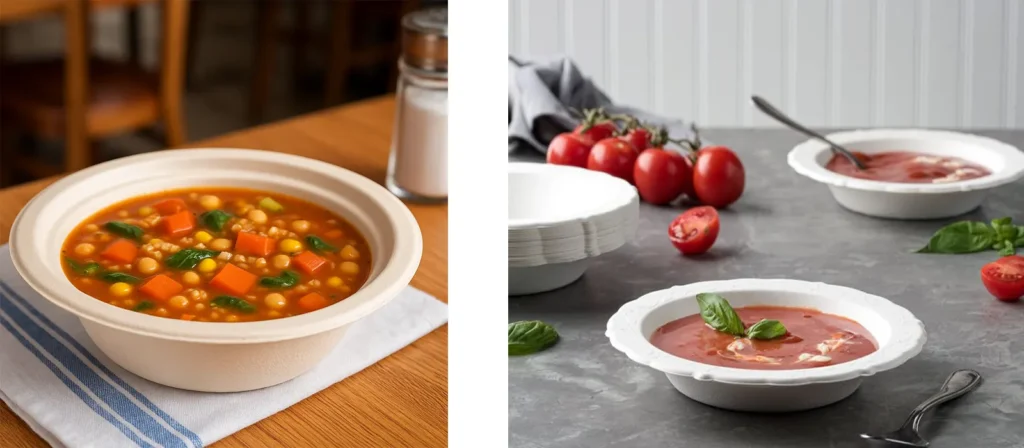
Liquid-based foods like soups and stews demand deep plates or bowls in the 6 to 9 inch range. Unlike flat plates, these are measured by both diameter and depth. A 6-inch soup bowl is ideal for side portions, while 8 to 9 inch bowls suit full servings. The extra depth prevents spills and improves insulation. For disposable options, molded fiber or coated paper bowls within this size range are preferred, especially for hot or oily contents.
For Bread and Breakfast Items, Use Plates 6–7 Inch
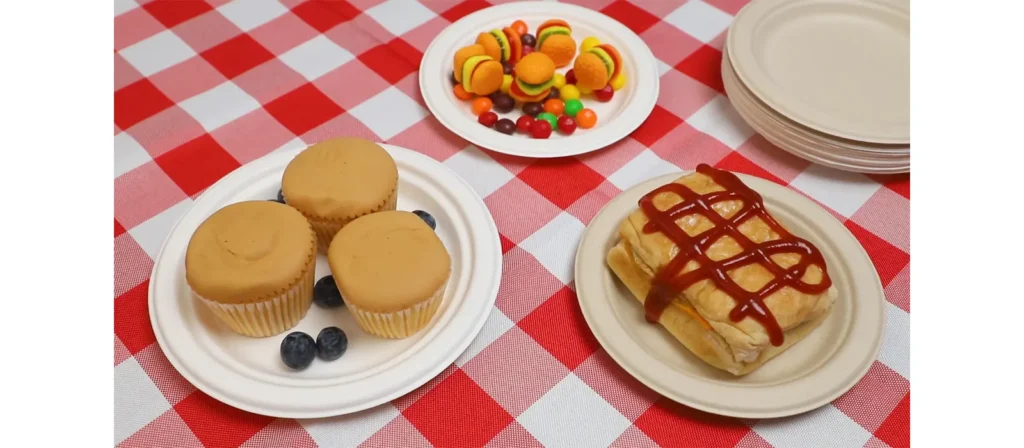
Breakfast servings such as toast, eggs, or pastries, and standalone bread portions pair best with 6 to 7 inch plates. A 6.5-inch option is a versatile standard in cafes and breakfast services. It offers enough room for one to two items without being wastefully large.
This size is also used frequently in bakeries or hotel breakfast buffets, where guests are expected to take lighter portions.
For Serving and Sharing, Use Platter Plates 12–14 Inch
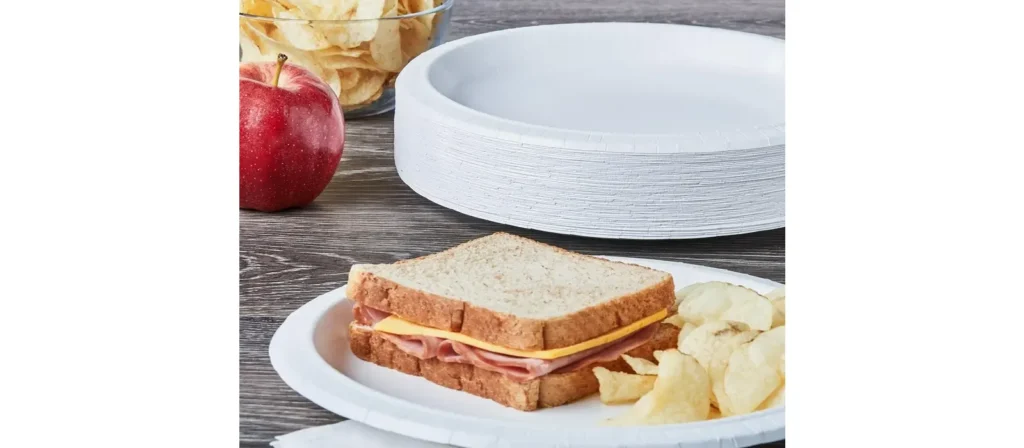
For large portions or group servings, 12 to 14 inch platter plates are essential. These are typically oval or rectangular, designed to hold multiple items or larger servings like roast meats, deli trays, or sushi platters.
While 12 inches may be sufficient for compact spreads, a 14-inch plate offers maximum flexibility for shared meals or buffet-style setups. In disposable formats, platter plates reduce the need for reusable trays without sacrificing size.
For Everyday Family Meals, Use Versatile Plates 9–10 Inch
In general-purpose food service settings, 9 to 10 inch plates are the most versatile choice. They bridge the gap between lunch and dinner sizes, making them suitable for a wide variety of meal types. A 9-inch plate is often used for combo meals or smaller entrees, while 10-inch versions suit fuller plates without overkill. This range is especially useful in food trucks, school cafeterias, and casual dining services where standardization is key.
For Formal Dinners or Holiday Meals, Use Varied Plate Sizes
Formal and holiday meals often involve multiple courses, requiring a range of paper plate sizes. A typical setup includes 10 to 12 inch dinner plates, 7 to 8 inch salad or starter plates, and 6 to 7 inch dessert plates. Charger plates, used as a base, may go up to 13 inches. Using the right sizes ensures smooth transitions between courses and a more refined dining experience.
For Picnics and Outdoor Events, Use Lightweight Plates 8–9 Inch
For casual outdoor settings, 8 to 9 inch lightweight paper plates offer the right mix of portability and capacity. They’re large enough to hold sandwiches, chips, or light entrees, yet compact enough to carry with one hand. Since these events often involve mobility, wind, and limited table space, going beyond 9 inches may be impractical. Thinner 8.5-inch plates are popular in high-volume, cost-sensitive settings like festivals or outdoor catering.
Practical Tips for Choosing the Right Paper Plate Sizes
Selecting the right paper plate sizes isn’t just a matter of measuring diameter. It also depends on several key factors that affect performance, durability, and overall usability. Whether you’re purchasing for commercial food service, planning large-scale events, or sourcing inventory for wholesale distribution, details like material type, food weight, presentation standards, and usage context all influence which paper plate sizes make the most sense. The following practical tips will help you evaluate your options and choose sizes that align with your operational needs.
Choose by Plate Material
The material of a disposable paper plate plays a major role in determining what sizes are practical for real-world use. It’s not just about sturdiness. It also affects heat resistance, grease absorption, and how well the plate holds up under pressure. When selecting a size, especially for commercial or event settings, the material should always be considered first.
Basic paperboard plates are lightweight and cost-effective, but they’re best suited to the 6 to 9 inch range. Anything larger tends to bend easily, especially under heavier or saucier foods. Coated paper plates, with a thin wax or polyethylene lining, provide better durability and can usually support sizes up to 10 inches. These are suitable for meals that involve some moisture or modest weight.

If you’re choosing larger plate sizes, such as 10 to 12 inches, it’s best to use more rigid materials like molded fiber, bagasse, or bamboo. These materials handle weight and heat well and are ideal for entrees and buffet-style meals. Molded fiber is also a good choice for buyers concerned about sustainability, especially when offering platter plates or full meal setups. On the high end, palm leaf and bamboo plates deliver both strength and an attractive presentation for formal service.
Foam plates are still widely used for sizes around 9 or 10 inches due to their low cost and light weight. However, they can crack under too much pressure and are less suitable for hot or heavy foods. Recycled paper plates are generally softer and are best kept within the 6 to 8 inch range where strength demands are lower.
📌 Summary Tip
When choosing plate sizes, always match the strength of the material to the surface area. The larger the plate, the more likely it is to flex or sag, especially when loaded with food. Heavier-duty materials like molded fiber or bamboo are best for 10+ inch plates, while paperboard or coated paper works well for smaller sizes like 6 to 8 inches.
Choose by Food Type
Different foods demand different surface areas. For example, entrees with sides require at least 10 inches, while a slice of cake needs just 6 to 7 inches. Don’t rely on a “one-size-fits-all” approach, it often results in wasted plate surface or overflow.
Consider Specialty Sizes and Shapes
While round plates dominate the market, specialty sizes and shapes can serve unique functions. Oval platter plates (12–14 inch) are ideal for shared dishes or buffets. Compartment plates, often 10 to 11 inches, offer built-in sections for separating food, perfect for cafeterias or institutional use.
For branding or themed events, custom-shaped plates (hexagonal, leaf-shaped, or branded die-cuts) may be necessary. These often fall outside standard size ranges and need to be matched carefully with packaging and storage space.
If your event or service needs something unique, specialty sizing gives you that flexibility, but it requires more precise planning than standard round plates.

Match the Occasion
The setting of use should always influence size selection. Formal dinners often need a full size range: 12-inch charger, 10-inch dinner plate, 7-inch salad plate, and 6-inch dessert plate. In contrast, casual events like picnics or food fairs may only require one mid-sized plate around 8.5 to 9 inches.
| Occasion Type | Suggested Plate Sizes |
|---|---|
| Formal dinner/catering | 6–12 inch (multiple sizes) |
| Corporate lunch | 8–9 inch |
| Buffet or sharing platters | 12–14 inch |
| School or camp food service | 9–10 inch |
| Outdoor/picnic/festival | 8–9 inch (lightweight) |
Environmental Benefits of Using Disposable Paper Plates
While disposable paper plates are often seen as single-use items, not all of them are environmentally harmful. In fact, with the right materials and responsible sourcing, paper plates can offer several ecological advantages over plastic or foam alternatives. The environmental impact of disposable products depends largely on what they’re made of, how they’re disposed of, and even which paper plate sizes are selected for a given task.
Compostable and Biodegradable Materials
Many modern disposable paper plates are made from biodegradable or compostable materials, such as bagasse (sugarcane fiber), wheat straw, and recycled paper pulp. These materials break down naturally and can be composted in industrial or even home composting systems. When selecting paper plate sizes, using appropriately sized plates for the type of meal helps reduce waste. By aligning the paper plate size to the actual portion needed, you avoid unnecessary material use and reduce the volume of compost or landfill waste generated.
Reduces Dependency on Single-Use Plastics
One of the most important environmental benefits of using disposable paper plates is their role in replacing single-use plastics. Styrofoam and plastic plates are notoriously difficult to recycle and often end up polluting oceans and ecosystems. Paper-based alternatives, when responsibly sourced and disposed of, help cut down on plastic waste dramatically. Making the switch across all standard paper plate sizes supports broader environmental goals without compromising usability.
Ensure Food Safety with Chemical-Free Materials
When it comes to disposable food service products, material safety is just as important as function. High-quality paper plates that are free from harmful chemicals like PFAS and BPA offer peace of mind for both providers and consumers. These substances, often found in coated or plastic-based disposables, have been linked to health risks when used with hot or acidic foods.
Choosing plates made with certified food-safe materials ensures they’re safe for direct contact with both hot and cold dishes. Whether you’re serving greasy entrees, chilled desserts, or anything in between, chemical-free options help maintain food integrity and meet modern health and safety standards. For businesses, this also means easier compliance with regulations and a cleaner brand image in increasingly health-conscious markets.
Conclusion
Choosing the right paper plate sizes is more than just a logistics decision, it impacts portion control, presentation, cost-efficiency, and even environmental responsibility. From compact 6-inch dessert plates to large 14-inch platters, every size serves a specific purpose in food service and event planning.
By understanding standard categories like dinner, lunch, and dessert plates, and by considering factors such as food type, material strength, and usage scenarios, businesses can make smarter, more sustainable choices. Whether you’re sourcing for catering, retail, or high-volume service, aligning your selection with the appropriate paper plate sizes ensures smoother operations and better customer experiences. Choose wisely, and your plates will do more than hold food, they’ll support your brand, your budget, and your sustainability goals.