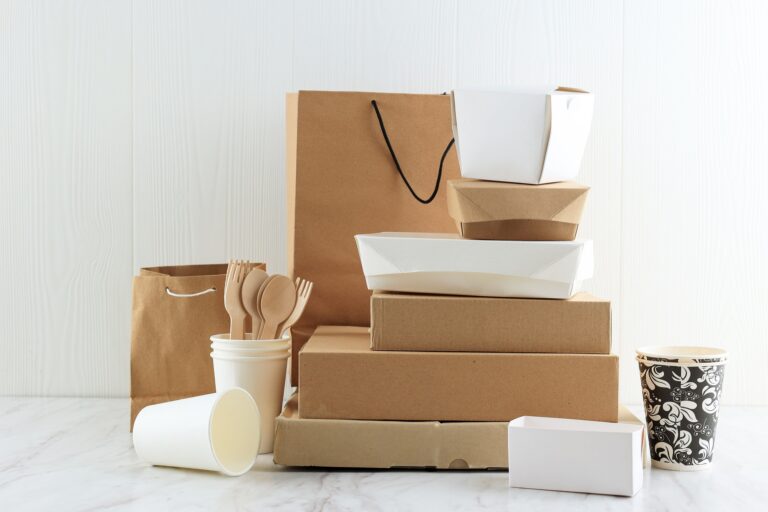
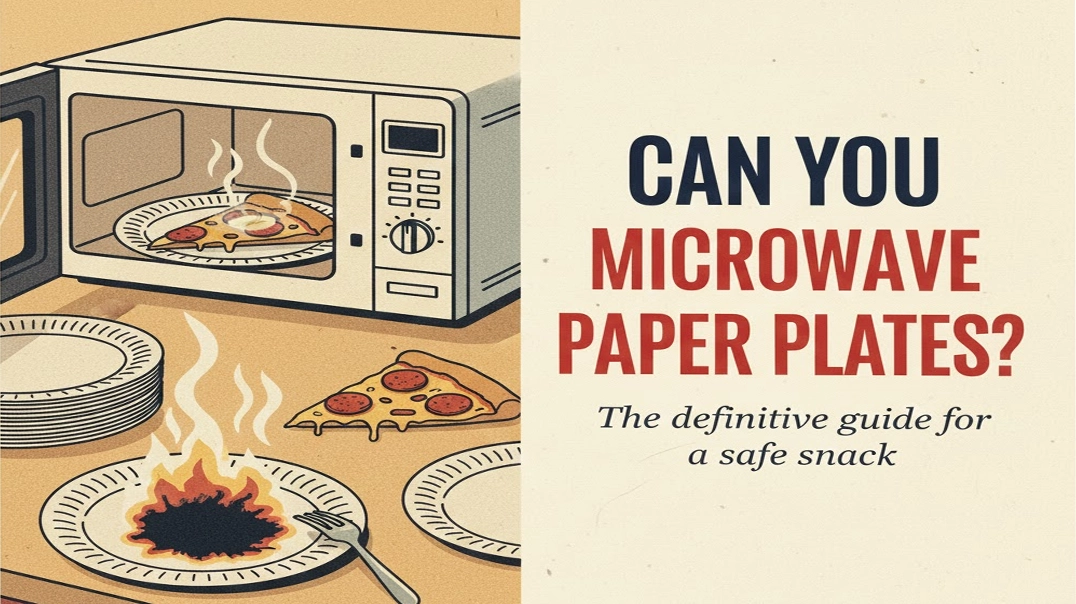
The ideal kitchen scenario is achieving convenience without compromise. Imagine heating your food quickly, knowing instantly that your choice of disposable plate is genuinely microwave-safe, guaranteeing both structural integrity and freedom from toxic contamination. This level of confidence requires clear knowledge of the specific materials you are using and which heat levels they can withstand.
This comprehensive guide serves as your essential bridge between microwave convenience and absolute kitchen safety. We will break down the molecular mechanism of heating, analyze every common plate type, detail the materials you must avoid, and provide expert recommendations, ensuring that every time you choose to microwave paper plates, you are making the safest possible choice.
Understanding How a Microwave Works

To properly assess the safety of any paper plate in a microwave, one must first possess a foundational understanding of the appliance’s core technology. Unlike a conventional oven or an air fryer, which uses circulating dry, hot air to directly heat surfaces, a microwave relies on a powerful electromagnetic mechanism known as dielectric heating. This mechanism primarily targets water molecules, and the process can be broken down into specific stages:
Understanding How a Microwave Generates Heat:
- The magnetron generates powerful electromagnetic waves, typically at a frequency of 2.45 gigahertz.
- These waves penetrate the heating food, causing polar molecules such as water, fats, and sugars to rapidly vibrate.
- This molecular vibration produces friction, which becomes the direct source of heat and cooks the food from within.
- The paper plate, made mostly of cellulose fibers, is largely transparent to microwave radiation and allows the energy to pass through.
Understanding this principle clarifies why the risk to a paper plate is highly dependent on the food item and the duration of heating food, rather than the microwave’s power setting alone.
Types of Paper Plates: Not All Paper Plates Are Created Equal
The term “paper plates” is a broad descriptor encompassing a wide variety of materials and coatings. The question of whether a plate is truly microwave-safe hinges entirely on its specific construction. Simply put, treating all paper plates the same when using them for heating food is a grave mistake that can lead to melted plastic, chemical contamination, or appliance damage.
1. Standard Uncoated Paper Plates

These plates are typically crafted from virgin or recycled wood pulp, representing the most basic and affordable choice with minimal surface treatment. They are generally considered the safest option for brief food heating, lasting under two minutes, as they lack wax or plastic coatings, minimizing the risk of leaching chemicals. However, their major limitation is poor structural integrity; they quickly absorb grease and moisture, leading to sogginess and potential collapsing, making them unsuitable for wet meals or extended heating times.
2. Wax-Coated Paper Plates
Wax coating is an absolute definitive no for microwave use. These plates incorporate a thin layer of wax, primarily designed for cold food moisture resistance, but this petroleum-based substance has a very low melting point. When exposed to heat conducted from the food, the wax rapidly melts, potentially seeping directly into your meal and altering its taste. This high contamination risk is strongly discouraged, as the wax melting further compromises the plate’s structural integrity.
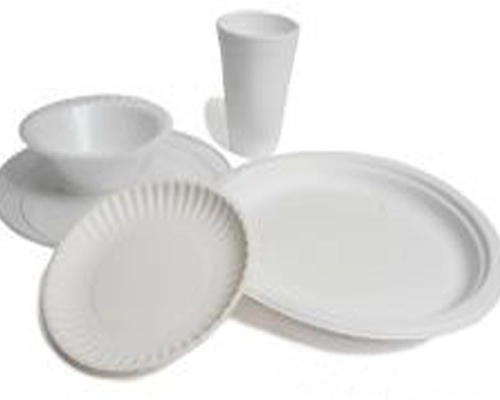
3. Plastic-Coated Paper Plates
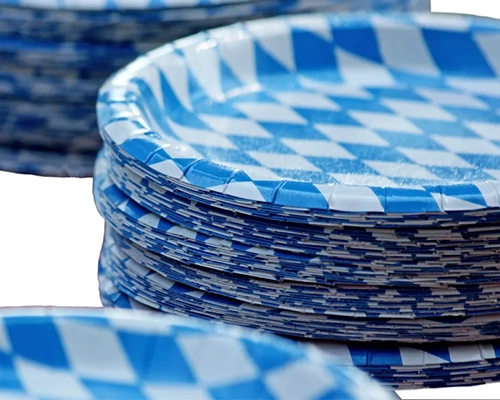
These durable plates feature a fine layer of polyethylene or a similar polymer to enhance water and oil resistance, giving them a slightly shiny finish. The safety of microwaving these items hinges entirely on explicit manufacturer labeling. If the plate is not marked as microwave-safe, the plastic coating can undergo thermal degradation, raising a significant risk of chemicals, such as phthalates, leaching into your food. Prolonged heating challenges even the certified plates’ heat limits.
4. Compostable and Bagasse Paper Plates
Driven by sustainability demands, these plates utilize alternative fibers like sugarcane bagasse or bamboo. Bagasse pulp is naturally robust and heat-resistant, often making these safer than standard coated varieties, as they typically use plant-based materials for moisture resistance instead of conventional petroleum-based wax or plastic. Always verify the manufacturer’s label for a microwave-safe certification, ensuring the product is free of potential toxic binding agents or PFAS before use.

Summary of Plate Types and Safety
| Plate Type | Coating | Microwave Safety | Primary Risk |
| Standard (Uncoated) | None | Safe for short bursts | Low structural integrity |
| Wax-Coated | Wax | Never safe | Melting wax coating into food |
| Plastic-Coated | Polymer | Only if labeled microwave-safe | Leaching chemicals if not rated |
| Compostable/Bagasse | Natural Fiber | Generally safe, verify label | Degradation if overheated |
The most responsible approach to heating food with disposable items is to assume that any paper plate without a clear “microwave-safe” designation is potentially unsafe. This simple rule dramatically reduces the risks of chemical exposure and fire.
Materials That Should Never Be Microwaved
Beyond disposable paper plates, there are several common kitchen items and containers that should never be used for heating food in the microwave due to severe safety risks. Utilizing these materials can lead to contamination, appliance damage, or a dangerous fire hazard.
| Material | Primary Hazard | Reason for Exclusion |
| Styrofoam (Polystyrene) | Chemical Leaching / Melting | This plastic is not designed for high heat. It rapidly melts or deforms, potentially releasing harmful styrene and other leaching chemicals into the heating food. |
| Cold Storage Plastic Containers | Structural Collapse / Contamination | Containers like yogurt tubs or margarine containers are made of plastic that lacks heat stabilizers. They quickly warp, melt, and contaminate the food due to loss of structural integrity. |
| Metal or Foil-Lined Takeout Containers | Appliance Damage / Fire Hazard | Any metal reflects microwave energy, causing electrical arcing. This can damage the appliance’s magnetron and is the most common cause of a direct fire hazard. |
| Brown Paper Bags | High Fire Hazard | These thin bags absorb heat quickly and can contain glues or inks that, when heated, can ignite easily. This is especially true when used for prolonged heating food. |
| Antique/Crystal Glassware | Shattering Risk | This glass is not tempered to withstand the rapid, uneven heating of a microwave and may contain lead. Thermal shock can cause the item to shatter violently, creating a dangerous situation. |
| Melamine Plastics | Chemical Contamination | Melamine is not microwave-safe. Heating causes its primary chemical component, formaldehyde, to migrate into the heating food, which poses a long-term health risk. |
When Is It Safe to Microwave Paper Plates?
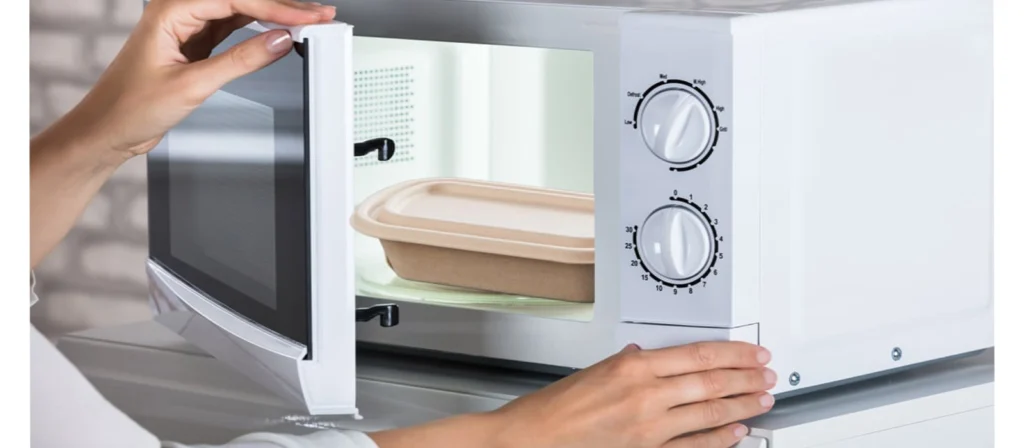
Safety begins with careful verification, which is the key to answering the question, “Can You Microwave Paper Plates?” Always confirm the plate is certified as microwave-safe; if the packaging is absent, assume the plate is unsafe. Crucially, reject any plate with a wax coating or unverified plastic coating to eliminate the risk of leaching chemicals. Only use plain, uncoated paper plates designed for food contact when heating food.
When utilizing a paper plate, limit the process to very short intervals, ideally under one minute, and avoid using the microwave’s highest power setting. Never use paper plates for cooking or prolonged reheating. This restriction is especially important when warming foods with high fat or sugar content, as these can quickly create dangerous hot spots that compromise the plate’s structural integrity.
Due to the residual fire hazard and the risk of structural failure, never leave the microwave unattended. If you observe the plate scorching, warping, or smoking, stop immediately. For any long duration cooking or when serving heavy, moist meals, switch to safe alternatives like certified ceramic or glass containers.
How to tell if a paper plate is microwave-safe?
A quick check can help you avoid melting, scorching, or chemical exposure. Use the points below to evaluate whether a plate is suitable for microwave heating.
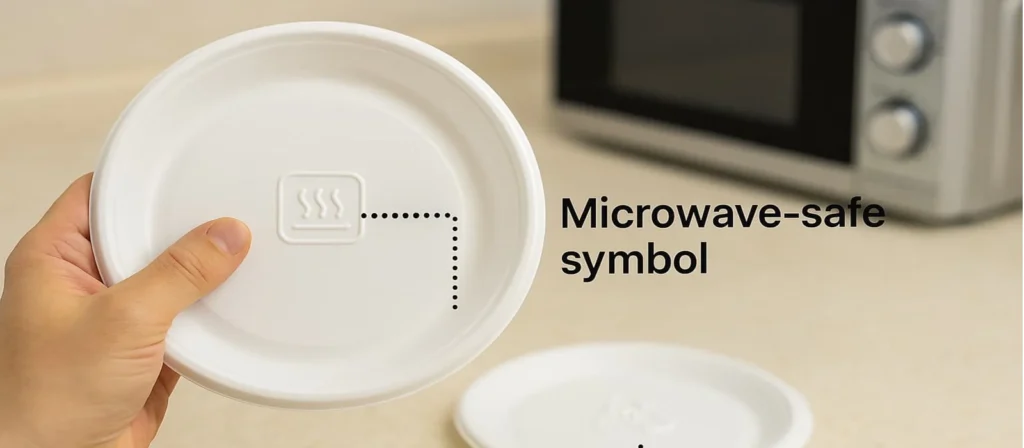
Key things to look for:
- Check for a microwave-safe label
Look for markings such as “microwave safe,” “heat safe,” or a microwave icon. If the packaging clearly states it, the plate is generally reliable for short heating times. - Avoid plates with glossy or plastic-like coating
A shiny or slick surface often indicates a polyethylene or similar plastic coating, which can warp or melt under heat. - Do the heat test
Microwave the empty plate with a cup of water for 20 to 30 seconds. If the plate becomes very hot or starts to soften, it is not microwave-safe. - Skip printed designs with metallic ink
Metallic patterns, foil accents, and decorative trims can spark inside the microwave. - Choose thick, uncoated, or compostable options
Heavier plates made of plain paper or plant fibers usually handle brief heating better than thin disposable ones.
A quick inspection and a short heat test usually give you a reliable answer. When in doubt, keep microwave time short, watch carefully, and replace the plate with a safer container if anything feels off.
The Risks of Microwaving Paper Plates
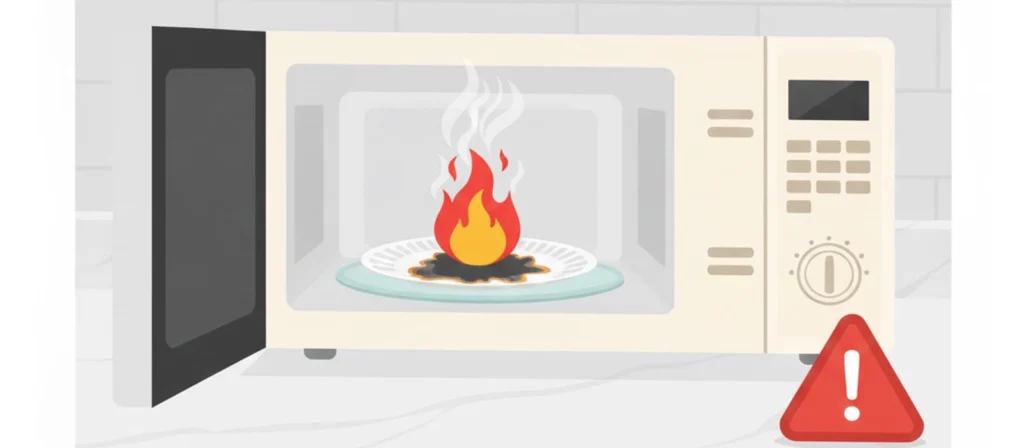
While the direct fire hazard in a microwave is lower than in an air fryer because of the heating mechanism, several other significant risks are associated with placing non-rated paper plates into the appliance. These risks extend beyond mere appliance damage and directly impact food safety and human health.
1. Chemical Leaching and Migration
The most significant risk associated with microwaving coated paper plates that are not certified as microwave-safe is the potential for leaching chemicals. This refers to the transfer of chemical substances from the packaging material into the food.
Chemical Risks Associated with Coated Paper Plates:
- Polyethylene and polystyrene coatings can degrade under high microwave heat, causing oligomers, monomers, and unintended chemical byproducts to migrate into food.
- Although many plastics are stable at room temperature, microwaving accelerates chemical movement and increases the risk of contamination.
- PFAS-based grease-resistant coatings, known as “forever chemicals,” are effective at repelling oil and water but may leach when heated.
- Growing scientific evidence supports avoiding microwaving products containing PFAS due to potential long-term health risks.
- Choosing certified compostable plates that are verified PFAS-free is one of the safest ways to reduce chemical exposure when reheating food.
2. Fire and Scorch Hazards
Although less common than in a conventional oven, a fire hazard remains a real possibility in a microwave, particularly when using paper plates.
Fire and Scorch Hazards in the Microwave:
- Recycled paper pulp may contain tiny metal fragments or foil traces that can spark when exposed to microwave energy, causing arcing and potentially igniting the paper plate.
- Placing a paper plate in the microwave with very little food, or heating food until all moisture evaporates, can cause the paper to absorb excess energy.
- When the paper becomes the primary absorber, it can overheat rapidly, scorch, or even catch fire.
- This risk increases if the plate is too close to the microwave’s waveguide, making it a direct threat to the appliance and a serious fire hazard.
3. Structural Integrity Failure and Mess
The primary purpose of a plate is to hold food securely. Non-certified paper plates often fail this basic requirement under microwave conditions.
Structural Integrity and Material Failure Risks:
- During food heating, steam and moisture are released, and standard paper plates absorb this moisture quickly, weakening their fibers.
- This results in a soggy, pliable structure that can tear or collapse when lifted, potentially spilling hot food and creating a burn hazard.
- Paper plates with non-microwave-safe plastic coatings may warp, buckle, or melt under high temperatures.
- Melted coatings can stick to the food or the microwave floor, complicating cleanup and compromising the meal’s safety and quality.
Scientific Studies and Expert Recommendations

Major food safety and appliance manufacturing bodies consistently emphasize caution regarding disposable kitchenware. Experts from organizations like the FDA and USDA stress that consumers must adhere to manufacturer guidelines, noting that if a paper plate is not explicitly labeled as microwave-safe, it should be avoided. Their primary recommendation is:
- Verify Labeling: Always check the paper plate packaging for an explicit “Microwave-Safe” designation. If the label is missing, assume the product is unsafe.
- Avoid Unknown Coatings: Never use plates with a visible wax coating or uncertified plastic coating, as these increase the risk of melting and leaching chemicals.
- Be Mindful of Material: Exercise caution when using plates made from recycled paper, as these can occasionally contain metal traces that pose a fire hazard.
- Limit High-Risk Foods: For heating food that is greasy, fatty, or requires more than 60 seconds of heating, transfer the food to a ceramic or glass container.
- Prioritize Permanent Ware: Choose certified ceramic or glass dishes for all regular heating food to eliminate the risks associated with disposable paper plates.
Conclusion
The use of paper plates in the microwave is generally safe for brief periods of heating food, provided the plate is explicitly labeled as microwave-safe and is free of metallic trim. The primary safety concerns stem from coatings: plates with a wax coating should never be microwaved as the wax will melt into the food, and those with an unlabeled plastic coating pose a risk of chemical degradation and leaching chemicals when heated. Overheating greasy or dry food on any paper plate can lead to a fire hazard. To ensure paper plate safety, always check the manufacturer’s instructions and opt for ceramic or glass containers for prolonged heating or high-fat meals.
FAQ
1. Are paper plates with a wax coating ever safe to microwave?
No. Plates with a wax coating should never be microwaved. The wax has a low melting point and will quickly melt into the food when exposed to heat, contaminating the meal.
2. Can I heat very greasy or fatty foods on a paper plate in the microwave?
It is strongly advised against. Fatty foods reach extremely high temperatures, which can easily cause the plate to scorch, increase fire hazard risks, and accelerate the release of chemicals.
3. Are compostable paper plates always safe for microwave use?
Not automatically. Compostable plates may use heat-resistant fibers, but you must still look for a microwave-safe label to ensure the binders and grease-proofing agents are suitable for high temperatures.
4. What happens if a paper plate loses its structural integrity during microwaving?
The plate may become soggy, collapse, or tear when lifted, spilling hot food and creating a burn risk. This occurs when the paper absorbs too much moisture during heating.
5. Can printed or colored paper plates cause chemical leaching?
Yes. Inks and dyes on decorative plates may not be tested for heat exposure and could break down under microwave conditions, potentially migrating into the food.
6. Why is it okay to use paper towels in the microwave but not some paper plates?
Paper towels are usually thin, pure cellulose without added coatings. Paper plates often contain wax or plastic layers for durability, which become the primary sources of melting, warping, and chemical risks.