
Recent data from the U.S. Food and Drug Administration (FDA) and the U.S. Department of Agriculture (USDA) reveal a clear upward trend in national food recalls. Between 2020 and 2023, the total number of food recalls issued by these agencies increased from 454 to 547, representing a growth of more than 20 percent. This rise, especially in Class I recalls, shows that food safety challenges are becoming more complex within modern supply chains.
Although contamination is often linked to ingredients or production processes, packaging failures are now recognized as an important contributing factor. Defective or non-compliant packaging can cause chemical migration, spoilage, or labeling errors, leading to costly recalls and loss of consumer trust. These issues demonstrate that packaging safety is not a minor technical detail but a key element in overall food protection.
Food grade packaging provides a critical safeguard against such failures. By ensuring materials meet FDA and EU safety standards, businesses can minimize contamination risks and demonstrate regulatory compliance. As this article explains, understanding what food-grade packaging means and how to implement it effectively is essential for protecting public health and building long-term trust in your brand.
What is Food Grade Packaging?
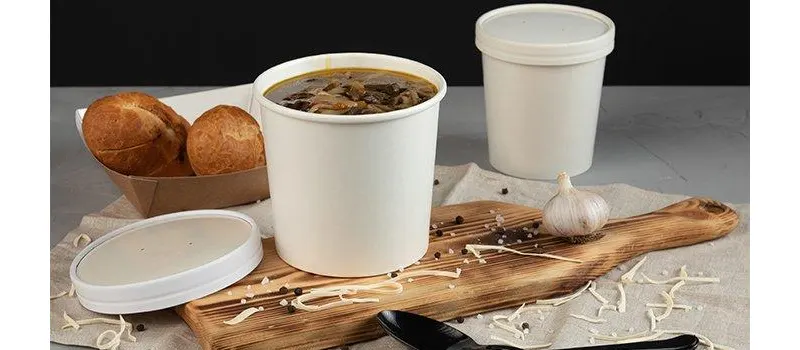
Food grade packaging refers to any packaging material that is safe for direct or indirect contact with food. It is designed to protect food from contamination and preserve its quality throughout production, storage, and transport. The term “food grade” means that the material will not release harmful chemicals, toxins, or heavy metals into the food under normal conditions of use.
The primary purpose of food grade packaging is to act as a barrier between the food and potential external contaminants, including dust, moisture, microorganisms, and chemical residues. To be considered food grade, a material must be non-toxic, odorless, tasteless, and incapable of reacting with the food it contains. It should also resist degradation when exposed to oils, acids, or heat, which are commonly found in various food types.
To qualify as food grade, a material must meet specific standards set by regulatory agencies such as the U.S. Food and Drug Administration (FDA), the European Union (EU) under Regulation 1935/2004, or other national authorities. These standards ensure that the material does not chemically interact with food or alter its taste, smell, or nutritional value.
Common Materials Used in Food Grade Packaging
- Kraft Paper
Kraft paper is made from virgin wood pulp and is widely used in eco-friendly food packaging. It is strong, biodegradable, and naturally free from harmful chemicals. When lined with PLA or PE, it becomes moisture-resistant and suitable for packaging sandwiches, baked goods, or dry snacks. - Polypropylene (PP)
Polypropylene is a lightweight, heat-resistant plastic that is approved for food contact. It is often used in containers, yogurt cups, bottle caps, and microwaveable trays. PP is non-reactive and maintains its shape under high temperatures, making it ideal for reheatable packaging. - Polyethylene (PE)
Polyethylene, including LDPE and HDPE, is another common food grade plastic. It is used for plastic wraps, pouches, squeeze bottles, and inner linings. PE is flexible, moisture-resistant, and widely accepted in global food safety standards. - Polylactic Acid (PLA)
PLA is a plant-based biodegradable plastic derived from cornstarch or sugarcane. It is used as a lining or film in compostable cups, trays, and food containers. PLA is a popular choice for sustainable packaging solutions, although it is best suited for cold or room temperature foods. - Aluminu
Aluminum is non-toxic, non-porous, and provides an excellent barrier against light, moisture, and oxygen. It is commonly used in foil wraps, trays, and beverage cans. Because it does not rust or react with acidic foods, it is ideal for long-term food preservation. - Glass
Glass containers are inert and completely safe for all types of food and beverages. They do not leach chemicals and are easily sterilized. While heavier and more fragile than other materials, glass remains a preferred choice for high-end packaging and reusable food storage. - Food Grade Silicone
Silicone is a flexible and reusable material often used for baking molds, lids, and food storage products. It resists heat and does not absorb odors or flavors. Certified food grade silicone is ideal for contact with hot foods and liquids. - Stainless Steel
Used mainly in food service and storage, stainless steel is durable, corrosion-resistant, and easy to clean. It is often used in lunchboxes, insulated bottles, and commercial kitchen equipment. Only specific grades, such as 304 or 316 stainless steel, are approved for food contact.
Why is Food Grade Packaging Important?
Food grade packaging is much more than a regulatory requirement; it is a foundation for safety, trust, and sustainability in the food industry. Understanding its importance helps businesses protect consumers, reduce risks, and strengthen their market position.
Protects Consumer Health
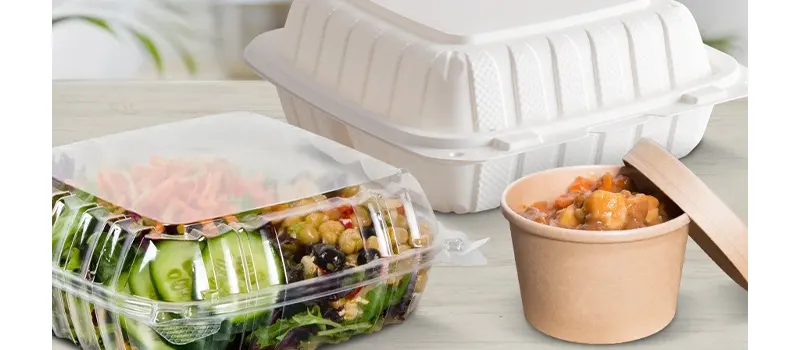
The most important reason for using food grade packaging is to protect the health of your customers. Non-compliant materials may leach harmful substances such as phthalates, lead, or industrial chemicals into food products. These substances can cause serious health problems, especially when consumed over time. Food grade packaging eliminates this risk by ensuring that only safe, non-toxic materials come into contact with food, preventing contamination and supporting public health.
Preserves Food Quality and Shelf Life
Food grade packaging is designed not only to be safe but also to be functional. It helps preserve the original quality of food by preventing exposure to air, moisture, light, and bacteria. Whether you’re dealing with perishable items like dairy or long-life products like snacks, appropriate packaging plays a critical role in maintaining flavor, aroma, texture, and nutritional content. This preservation helps extend the product’s shelf life and reduces spoilage and waste.
Ensures Regulatory Compliance
Governments and food safety authorities enforce strict regulations regarding materials used in food packaging. Failing to meet these regulations can lead to product recalls, legal penalties, or even bans on selling your product. By using certified food grade packaging, businesses show their compliance with national and international safety standards, including those from the FDA, EFSA, or ISO. This not only protects the business legally but also adds an extra layer of credibility to your product.
Builds Brand Trust and Reputation
Customers are becoming more informed and cautious about food safety and packaging materials. Brands that use food-grade packaging send a clear message: we care about your health and we comply with industry standards. This transparency builds trust and encourages repeat purchases. In contrast, one negative incident related to packaging can damage a brand’s reputation and take years to repair.
Reduces Financial and Operational Risks
When food packaging fails to meet safety standards, the consequences can be costly. Recalls, lawsuits, damage control, and lost sales all come with a heavy financial burden. Food grade packaging minimizes these risks by acting as a proactive safety measure. By investing in quality from the start, businesses can avoid reactive crisis management and focus instead on growth and innovation.
What’s the Difference Between Food Safe and Food Grade Packing?
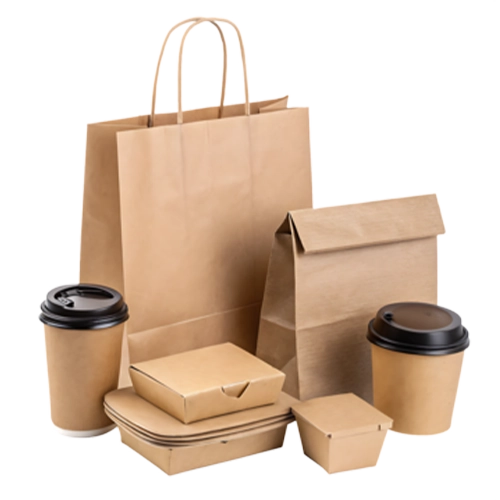
Although the terms food safe and food grade are often used interchangeably, they refer to different aspects of packaging safety. Understanding this distinction is important for choosing the right materials and ensuring full compliance in your business.
- Food grade packaging refers to materials that are suitable for contact with food. These materials are non-toxic and manufactured in controlled environments using processes that avoid contamination. However, being food grade does not automatically mean the material is ready to be used with food in its current form.
- Food safe packaging, on the other hand, goes a step further. It means that the final product—after manufacturing, processing, and any additional treatments—is safe for direct food contact. It must not release harmful substances under expected conditions of use, such as changes in temperature, moisture, or storage duration.
Food Grade vs. Food Safe Packaging
| Aspect | Food Grade | Food Safe |
|---|---|---|
| Definition | Material is suitable for food contact | Final product is proven safe for direct food use |
| Focus | Material composition and base-level safety | Real-use performance including heat, moisture, and migration risks |
| Testing Required | Ingredient and material-level approval (e.g., virgin kraft pulp) | Product-level testing under actual conditions (e.g., microwave, refrigeration) |
| Example | Certified virgin kraft paper used to make a food container | Finished kraft paper bowl with PLA lining and food-safe ink, tested for safety |
How to Identify Food Grade Packaging?
Knowing how to identify food grade packaging is essential for any business in the food and beverage industry. It helps ensure product safety, regulatory compliance, and customer trust. Below are key ways to determine whether packaging meets food grade standards:
1. Look for Certification Marks or Symbols
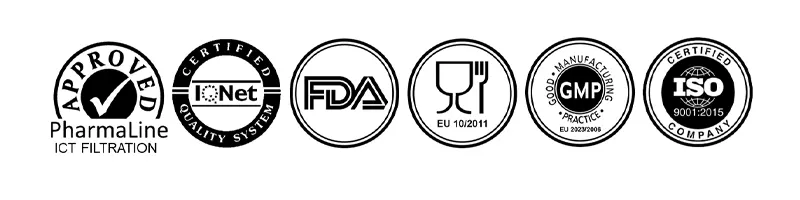
Packaging that is certified for food contact often carries identifiable symbols. These may include a glass and fork symbol, the FDA food contact compliant mark, or regional standards such as EU 10/2011 for plastic materials. These icons signal that the material has passed safety assessments for direct contact with food.
2. Review Regulatory Statements
Suppliers should provide official documentation confirming food grade status. This may include declarations of compliance (DoC), test reports, or product specification sheets. Look for mentions of relevant standards such as FDA 21 CFR, EU regulations, or GB standards in China.
3. Confirm with Material Type and Application
Certain materials are generally considered food grade when properly processed, such as virgin kraft paper, PE, PP, PLA, and food grade stainless steel. However, the specific application matters—for example, not all plastics are suitable for hot food or acidic ingredients. Make sure the material is intended for your exact use case.
4. Ask for Migration or Safety Test Reports
Trusted manufacturers or suppliers can provide migration test results showing that the packaging does not release harmful substances under expected conditions. These tests often simulate real-life storage situations, including heat, oil exposure, or long-term contact with moisture.
5. Check for Traceability and Batch Codes
Reputable suppliers mark each packaging batch with traceable codes. This allows manufacturers and regulators to track materials back to their origin in case of any safety concerns.
6. Check for Clean Manufacturing Practices
Even a food grade material can become unsafe if produced in an unclean environment. Confirm that the supplier follows Good Manufacturing Practices (GMP) and that packaging is produced in facilities with hygienic controls and food safety audits such as ISO 22000 or BRC certifications.
7. Examine the Packaging Surface
Inspect the inner surface that comes into contact with food. It should be smooth, clean, and free of cracks, odors, or greasy residue. Any irregularities may indicate contamination or low production standards.
8. Use Trusted Suppliers with Transparent Policies
Work with suppliers who are experienced in food-grade production and can clearly explain their compliance process. Look for companies that specialize in food packaging and can offer third-party test results, sample reports, or batch traceability.
Food Grade Packaging Tests and Certifications
To ensure that materials are safe for direct contact with food, food grade packaging must undergo a variety of scientific tests. These tests evaluate whether any substances from the packaging could potentially migrate into food, how materials react under different conditions, and whether they meet strict international standards. Testing is essential for regulatory compliance, quality assurance, and consumer safety.

Migration Testing
Migration testing is one of the most critical assessments for food grade packaging. It determines whether any chemicals from the packaging material can leach into the food it contains. These tests simulate real-world storage and usage conditions, including temperature, time, and the type of food involved.
There are two main types of migration testing:
- Overall migration: Measures the total amount of substances that can migrate from the packaging into food.
- Specific migration: Focuses on individual harmful substances such as heavy metals, plasticizers, or formaldehyde.
Regulatory authorities like the FDA and EFSA set strict limits for both overall and specific migration to ensure consumer safety.
Chemical Resistance Testing
This test checks how well the packaging material resists reactions when exposed to acidic, fatty, or alcoholic foods. Food products come in many forms, and not all packaging materials can safely handle strong acids (like in citrus juice) or high fat content (like in oils or cheese).
Chemical resistance testing ensures the packaging maintains integrity and does not degrade or allow contaminants to enter the food over time.
Temperature Stability Testing
Many food items are stored under extreme conditions, including freezing, heating, or microwaving. Temperature stability testing evaluates whether the packaging material can withstand various temperatures without melting, warping, or releasing harmful substances.
For instance, a microwave-safe container must not release toxins when heated, while freezer-safe packaging should resist cracking at low temperatures.
Mechanical Strength Testing
This test examines the physical durability of the packaging. Food grade packaging must protect contents during transportation, handling, and storage. Mechanical strength tests assess factors such as tensile strength, puncture resistance, and flexibility to ensure that packaging will not fail under stress.
A strong package prevents contamination due to tears, punctures, or leaks, which is especially important for ready-to-eat and perishable food products.
Microbial Barrier Testing
Some types of packaging, particularly for sterile or long-shelf-life foods, must function as effective microbial barriers. Microbial barrier testing checks whether packaging materials can prevent the entry of bacteria, mold, and other pathogens.
This is especially critical in vacuum-sealed, aseptic, or modified atmosphere packaging where the food is stored in sterile conditions.
Compliance and Certification Testing
Finally, packaging manufacturers must submit their materials for compliance testing in accordance with food safety regulations. Depending on the region, this may involve testing under:
- FDA 21 CFR standards (United States)
- EU Regulation 10/2011 (European Union)
- ISO 22000 standards (International)
These tests ensure that the packaging materials have been evaluated by accredited laboratories and meet the regulatory requirements for food safety.
Conclusion
Choosing the right packaging materials is more than a technical choice. It directly impacts product freshness, customer satisfaction, and long-term brand value. In a market that values transparency and safety, using certified food grade packaging is both a necessity and a competitive advantage.
For any company involved in food production or service, prioritizing safe and compliant packaging is an essential step toward long-term success. Million Pack is here to support your journey with certified, sustainable, and fully customized food grade packaging solutions you can trust.