
Have you ever taken a sip from a paper straw only to find it falling apart halfway through your drink? Or perhaps you’ve felt guilty using a plastic straw, knowing it could take hundreds of years to decompose. These everyday moments highlight a growing tension in the world of single-use products.
The shift from plastic to paper straws has become a symbol of environmental responsibility. Countries, corporations, and consumers are increasingly favoring biodegradable options. But does this switch truly solve the problem, or is it merely a feel-good gesture?
In the debate of paper straws vs plastic straws, environmental benefits often clash with functionality and cost. While paper is promoted as eco-friendly, many question its durability and carbon footprint. Meanwhile, plastic offers convenience but carries a heavy ecological burden.
In this article, we’ll break down both sides of the argument. From production methods to user experience, we’ll explore whether paper straws are a genuine solution or if plastic still holds its ground in certain scenarios.
Material Composition: Paper Straws Vs Plastic Straws
When comparing paper straws vs plastic straws, one of the most fundamental differences lies in their material composition. The raw materials and manufacturing processes behind each type of straw directly influence their environmental impact, durability, recyclability, and cost. Understanding what each straw is made of helps clarify their strengths, weaknesses, and suitability for different applications.
Paper Straws:
Paper straws are primarily made from layers of food-grade paper, often derived from sustainably sourced wood pulp or recycled paper materials. To ensure they hold their shape during use, multiple sheets of this paper are tightly wound into a cylindrical shape using non-toxic, water-based adhesives. This bonding process is carefully regulated to meet food safety standards while maintaining biodegradability.
To improve resistance to liquids, some paper straws are coated with a thin layer of natural wax or a biodegradable liner. These coatings are designed to delay disintegration without compromising the eco-friendly profile of the straw. The paper itself is usually free from harmful dyes or bleaching agents, and many manufacturers seek third-party certifications for compostability, such as ASTM D6400 or EN13432 standards.
Plastic Straws:
Plastic straws are made primarily from polypropylene, a synthetic thermoplastic polymer derived from crude oil. This material is chosen for its strength, flexibility, and high resistance to moisture, making it ideal for single-use items that need to maintain their shape in both hot and cold beverages. Polypropylene has a smooth texture and allows straws to be produced in various sizes, colors, and designs with minimal cost.
During manufacturing, the plastic is melted and formed into thin tubes through extrusion processes, which are then cut into individual straws. Additives such as colorants, UV stabilizers, or plasticizers may be included to enhance appearance and performance. The end result is a highly uniform, lightweight product that offers consistent rigidity and drinkability.
Production Process and Energy Consumption: Paper Straws vs Plastic Straws
When analyzing paper straws vs plastic straws, it is important to evaluate how each type is produced and how much energy and carbon output is involved. The environmental performance of a straw begins long before it reaches a café counter. From raw material extraction to manufacturing and transportation, every stage adds to its overall carbon footprint. Understanding these production dynamics provides a realistic picture of which option is truly more sustainable and energy-efficient over its full life cycle.

Paper Straws:
Paper straws are made primarily from wood pulp, a renewable material sourced from managed forests or recycled paper. The production process includes pulping, bleaching, pressing, and layering the material into rolls before forming the straws with food-safe adhesives. While this method eliminates dependence on fossil-based raw materials, it involves multiple stages that require substantial water and energy input, especially during pulping and drying.
The carbon footprint of paper straw manufacturing depends largely on the source of energy used in paper mills. When powered by renewable sources such as biomass, hydro, or wind, the emissions are significantly lower than those of plastic straw production. In facilities that still rely on fossil fuels, the initial energy use can be higher, but the total life cycle impact remains smaller because paper products decompose naturally without releasing microplastics or long-term pollutants.
One ton of paper straws produces roughly one ton of carbon dioxide equivalents, which is less than half the footprint of an equivalent volume of plastic straws. Additionally, paper straw waste can be composted or used in bioenergy recovery systems, which further offsets emissions. As technology advances, improvements in pulp efficiency, adhesive formulation, and low-temperature drying are reducing both energy consumption and carbon intensity across the industry.
Plastic Straws:
Plastic straws are manufactured from synthetic polymers such as polypropylene and polyethylene. These materials are produced from crude oil or natural gas through energy-intensive processes that include extraction, refining, polymerization, and pellet formation. Each stage consumes large quantities of fossil fuel energy and generates considerable greenhouse gas emissions.
Once the plastic pellets are created, they are melted and shaped into straws using extrusion or injection molding machines. These machines operate at high temperatures and rely mainly on nonrenewable electricity sources, adding further emissions to the production cycle. The entire process is efficient in terms of speed and unit cost but extremely resource-intensive.
According to several life cycle assessments, producing one ton of plastic straws typically emits between two and three tons of carbon dioxide equivalents, depending on energy sources and transportation distance. Because plastic straws do not biodegrade, their carbon impact extends beyond manufacturing. Waste management, landfill accumulation, and marine pollution add additional indirect emissions through long-term degradation processes. Even though automation and improved process control can reduce waste during production, the overall carbon footprint of plastic straws remains among the highest within the disposable packaging category.
The Environmental Impact: Paper Straws Vs Plastic Straws
The debate between paper straws vs plastic straws is largely driven by their environmental impact. As more consumers and regulators demand sustainable alternatives, it’s essential to understand how each type of straw affects the planet throughout its life cycle—from production to disposal.
1. Biodegradability and Decomposition
Paper straws are biodegradable and compostable. When disposed of properly, they can break down in as little as 2 to 6 weeks under industrial composting conditions or even faster in marine environments. Since they are made from natural fibers, paper straws do not persist in nature and pose minimal long-term environmental risk.
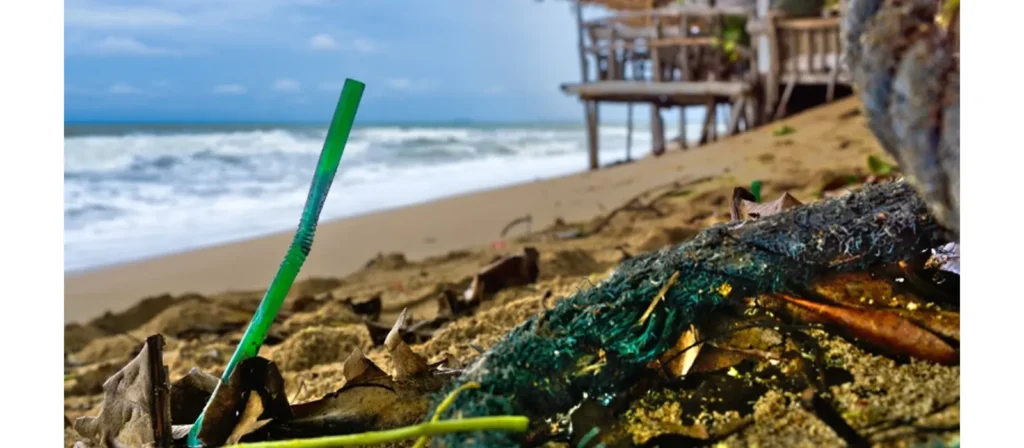
Plastic straws, by contrast, do not biodegrade. Instead, they break down into smaller fragments known as microplastics, which persist in soil and water for hundreds of years. These microplastics can be ingested by marine life and eventually make their way into the food chain, raising concerns for both environmental and human health.
2. Pollution and Marine Impact
Plastic straws are among the top 10 most common items found in ocean cleanups worldwide. Because they are lightweight, they are easily carried by wind and water, often ending up in waterways and marine ecosystems. Once there, they can entangle marine animals or be mistaken for food by fish, turtles, and seabirds.
While paper straws are less harmful in this regard, they must still be properly disposed of. If coated with plastic or other synthetic finishes, they may take longer to decompose or may not break down completely. However, even in the worst-case scenario, paper straws are far less likely to cause physical harm to wildlife.
3. Carbon Footprint and Energy Use
This is where the comparison becomes more nuanced. The production of paper straws generally requires more energy and water than plastic straw manufacturing. From sourcing trees to pulping, bonding, and drying, the process is resource-intensive. Transporting paper straws can also be less efficient due to their bulk and weight.
On the other hand, plastic straws have a lower initial carbon footprint due to the efficiency of plastic production. But their environmental cost grows significantly after disposal, especially when factoring in long-term waste management, pollution control, and ecological damage.
Ultimately, paper straws may have a slightly higher carbon footprint upfront but offer a dramatically smaller environmental burden in the long run, especially when composted or managed correctly.
4. Waste Management Challenges
Neither product is perfect when it comes to disposal. Plastic straws are rarely recycled, as their small size causes them to slip through sorting machinery. They usually end up in landfills or, worse, the natural environment. Paper straws, while compostable, are often contaminated with food or drink residue, which can disqualify them from recycling streams.

Cost Comparison: Paper Straws Vs Plastic Straws
One of the most decisive factors in the paper straws vs plastic straws debate is cost. While environmental concerns often take center stage, businesses (especially in the foodservice industry) must also weigh the financial implications of switching from plastic to paper. From manufacturing expenses to shipping, bulk procurement, and long-term value, here’s how the two compare.
1. Unit Price and Manufacturing Process
Plastic straws are significantly cheaper to produce. They are made from petroleum-based materials like polypropylene, using high-speed automated machinery that allows for mass production with minimal labor. The raw materials are inexpensive, and the manufacturing process is highly efficient, resulting in a very low cost per unit.
Paper straws, on the other hand, involve more complex production. They require food-grade paper, adhesives, and often a water-resistant coating. The paper must be rolled and bonded into multiple layers, which increases both production time and energy usage. As a result, paper straws can cost two to five times more per unit compared to plastic straws, depending on quality and volume.
2. Packaging and Transportation Costs
The structural properties of paper straws lead to additional packaging requirements. They are more fragile and susceptible to damage from moisture and compression. This often means using protective, moisture-resistant packaging and increasing the volume of space needed for transportation. Although individual paper straws may be light in weight, they take up more room in shipping and storage.
Plastic straws are more compact and durable, which allows suppliers to ship larger quantities in smaller packages. This reduces per-unit transportation and storage costs and minimizes waste due to damage in transit.
3. Shelf Life and Storage Conditions
Plastic straws have an extended shelf life. They are not affected by temperature or humidity and can be stored for years without quality loss. This makes them ideal for businesses that order in bulk and need long-term storage solutions.
Paper straws are more sensitive to storage conditions. Exposure to humidity or fluctuating temperatures can weaken their structure before use. Businesses must ensure dry, climate-controlled storage environments, which may require additional infrastructure or handling precautions.
4. Regulatory Pressure and Hidden Costs
Although plastic straws are cheaper upfront, many countries and regions now have bans or taxes targeting single-use plastics. Failing to comply with these regulations can lead to fines, operational disruptions, or reputational damage. Businesses may also face last-minute costs when forced to switch materials under time pressure.
Paper straws offer a safer alternative in this regard. They align with most sustainability policies and can be used confidently in markets that are transitioning away from plastic. While they are more expensive, their use may protect businesses from future legal or financial risks.
5. Brand Value and Consumer Expectations
There is also value in perception. Consumers increasingly prefer brands that demonstrate a commitment to environmental responsibility. Using paper straws can improve a company’s image, attract eco-conscious customers, and enhance trust. In many cases, this perceived value justifies the higher cost and strengthens long-term customer loyalty.
User Experience and Durability: Paper Straws Vs Plastic Straws
When customers use a straw, they immediately notice its comfort, strength, and how long it lasts before softening or losing shape. These small details shape how consumers perceive product quality and brand responsibility. In the debate over paper straws vs plastic straws, durability and overall user experience remain central to choosing the right option.

Paper Straws:
Paper straws have become a visible symbol of environmental awareness in cafés, restaurants, and global food chains. They are made from layers of biodegradable paper bonded with food-safe adhesive, often certified by FSC or similar sustainability programs. From a user’s perspective, paper straws offer a light, natural feel and convey a sense of eco-consciousness that aligns with modern consumer values.
However, their durability still poses practical limitations. When exposed to liquid for extended periods, paper fibers begin to soften, leading to a change in shape or texture. In cold beverages, they generally maintain form for 30 to 60 minutes, but in hot or acidic drinks, they can degrade more quickly. Some users also report a slight change in taste or rougher mouthfeel compared to plastic straws. Manufacturers are now improving designs through multi-layer reinforcement and water-resistant coatings that preserve usability without adding plastic components.
Despite these limitations, paper straws deliver strong emotional and ethical value. Customers recognize them as an active step toward sustainability, often accepting minor compromises in performance for the sake of environmental responsibility. For many brands, this shift supports a positive, future-oriented image that resonates with eco-minded audiences.
Plastic Straws:
Plastic straws have long been favored for their superior durability, flexibility, and smooth drinking experience. Made primarily from polypropylene (PP), they are resistant to moisture, maintain structural integrity for hours, and work well with both cold and hot beverages. Their neutral taste and smooth texture contribute to a consistent user experience that has set the standard for convenience over the past decades.
From a functional perspective, plastic straws outperform paper in nearly every performance category. They do not soften, lose shape, or affect flavor, making them ideal for milkshakes, smoothies, or frozen drinks that require prolonged use. Consumers often appreciate the predictable comfort of plastic straws, especially in settings where usability and cost efficiency take priority.
However, this advantage comes with a growing environmental cost. Because plastic straws are non-biodegradable, they persist in landfills and marine environments for centuries, raising serious ecological concerns. As regulations tighten and consumer expectations evolve, many businesses are transitioning away from plastic despite its performance benefits. The long-term goal is to find materials that replicate plastic’s strength and feel while meeting modern sustainability standards.
Advantages and Disadvantages of Paper Straws vs Plastic Straws
Each material offers its own strengths and weaknesses that affect cost, user experience, and environmental performance. Plastic straws remain common because of their durability and affordability, while paper straws appeal to those seeking a more sustainable option. The following sections explain the specific advantages and disadvantages of both materials to help readers make informed choices.

Plastic Straws: Practical but Environmentally Problematic
Advantages: Plastic straws are lightweight, flexible, and highly durable. They can be produced at a very low cost and used for long periods without softening or breaking. Their smooth surface provides a comfortable drinking experience, and they are suitable for both hot and cold beverages. Because of their consistent quality and long shelf life, plastic straws have been the standard choice for decades across restaurants, cafés, and households.
Disadvantages: Despite their practicality, plastic straws have significant environmental drawbacks. They are non-biodegradable and can remain in landfills or oceans for hundreds of years. Recycling options are extremely limited because their small size and light weight make them difficult to process. As a result, most plastic straws end up as waste, contributing to marine pollution and harming wildlife. In addition, growing environmental awareness and stricter government regulations have made the continued use of plastic straws less acceptable for many brands and consumers.
Paper Straws: Eco-Friendly but Less Durable
Advantages: Paper straws are made from renewable materials and are fully biodegradable. They naturally decompose within a few months, which helps reduce long-term environmental impact. Most paper straws are produced from FSC-certified sources, ensuring responsible forest management. They are safe for direct contact with beverages and can be easily customized with colors, patterns, and logos, making them a strong branding tool for cafés and restaurants that value sustainability.
Disadvantages: The main drawback of paper straws is their limited durability. When exposed to liquid for an extended time, they may soften or lose shape. Their production cost is usually higher than plastic, and they may not perform well in thick drinks such as milkshakes or smoothies. Some users notice a slightly rough texture or paper taste, although modern designs are improving in this area. Storage conditions also matter because humidity can affect their firmness and quality. For these reasons, paper straws are more suitable for short-term use or for drinks consumed quickly.
Government Regulations and Market Trends
The discussion surrounding paper straws vs plastic straws is influenced by both environmental awareness and government policy. Around the world, regulations restricting single-use plastics have reshaped how businesses in the food and beverage industry operate. At the same time, changing consumer expectations have pushed manufacturers to adopt more sustainable materials. Understanding these legal frameworks and market patterns is essential for companies that plan to grow responsibly and remain competitive in an environmentally conscious marketplace.

Government Regulations
During the past decade, many national and regional governments have enacted policies that target single-use plastics, and straws are often among the first items affected. In the United States, several states including California, New York, and Washington have introduced restrictions or complete bans on plastic straws in restaurants and retail outlets. These policies encourage the use of paper or other compostable alternatives.
The European Union has implemented the Single-Use Plastics Directive, which prohibits the sale of most disposable plastic products, including straws, across all member countries. Australia and Canada have also launched nationwide programs to phase out plastic straws as part of their waste reduction strategies.
Such regulations have set a global standard for sustainability. Businesses are now expected to provide evidence of environmental compliance through certifications such as FSC, BPI, or EN13432. For straw manufacturers, adapting production lines to meet these standards has become essential for maintaining market access and brand reputation. This global shift has accelerated innovation in the paper straw industry, encouraging improvements in strength, coating technology, and overall product quality.
Market Trends
Market data show that consumers are becoming increasingly supportive of eco-friendly products. Modern customers, especially younger generations, prefer to purchase from brands that reflect their environmental values. As a result, paper straws have moved beyond a regulatory requirement and become a positive symbol of corporate responsibility. Businesses that adopt sustainable packaging often enjoy stronger brand loyalty and a better public image.
Manufacturers have responded to this change by developing more advanced paper straw options. These include improved moisture resistance, smoother finishes, and customizable branding features. Industry reports indicate that the global market for paper straws is expected to grow rapidly in the coming years, driven by demand from quick-service restaurants, cafés, and hospitality businesses. At the same time, research continues into new materials such as PLA, PHA, and bamboo that aim to provide the durability of plastic while maintaining full biodegradability.
Overall, market trends reveal a long-term transformation in both production and consumer habits. The move from plastic to paper straws represents a broader cultural shift toward sustainable living and responsible business practices. As environmental standards continue to evolve, companies that embrace these changes will be best positioned for long-term success.
Conclusion
The discussion of paper straws vs plastic straws reflects the larger global challenge of balancing convenience with environmental responsibility. Government regulations, technological innovation, and growing consumer awareness are all driving the shift toward eco-friendly materials. Businesses that respond to these changes early will not only meet compliance requirements but also strengthen their reputation as responsible and forward-thinking brands. Choosing the right type of straw depends on individual business goals, customer expectations, and regional policies, but the global direction is clear: sustainable materials are becoming the new standard.
Government regulations, technological innovation, and growing consumer awareness are all driving the shift toward eco-friendly materials. Businesses that respond to these changes early will not only meet compliance requirements but also strengthen their reputation as responsible and forward-thinking brands. With years of manufacturing experience, advanced production technology, and certified sustainable materials, Million Pack helps brands reduce their environmental footprint while maintaining product quality and visual appeal.