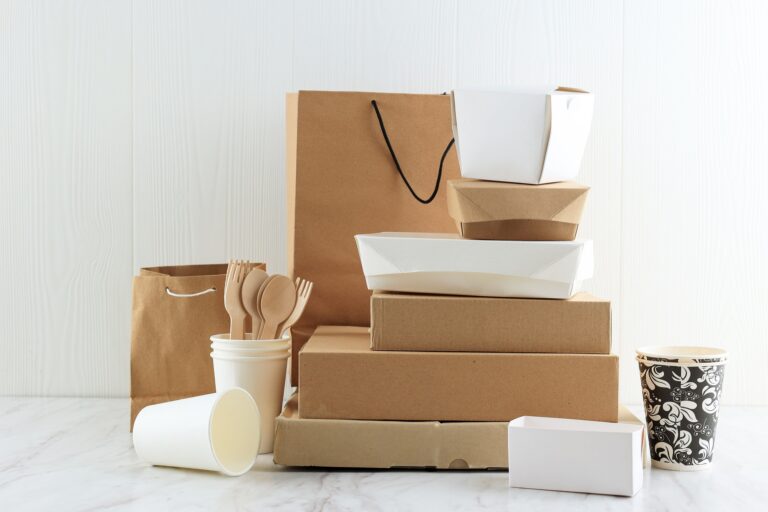
Sustainable food packaging refers to packaging solutions made from environmentally friendly, biodegradable, or recyclable materials designed to minimize the negative impact on the environment.
Did you know that over 300 million tons of plastic packaging are produced globally every year, with a significant portion being used for food packaging? The environmental impact of this plastic waste has become a pressing issue, especially considering how long it takes for plastic to decompose. As the world becomes more environmentally conscious, sustainable food packaging is gaining traction.
In this article, we will take a deep dive into the essential elements of sustainable food packaging. We will cover the key materials commonly used, the environmental benefits of switching to sustainable options, real-world applications in the food industry, and practical tips for businesses on choosing the right sustainable packaging solutions. Whether you are a business owner, a consumer, or simply curious about the future of food packaging, this guide will give you everything you need to know.
What Is Sustainable Food Packaging?
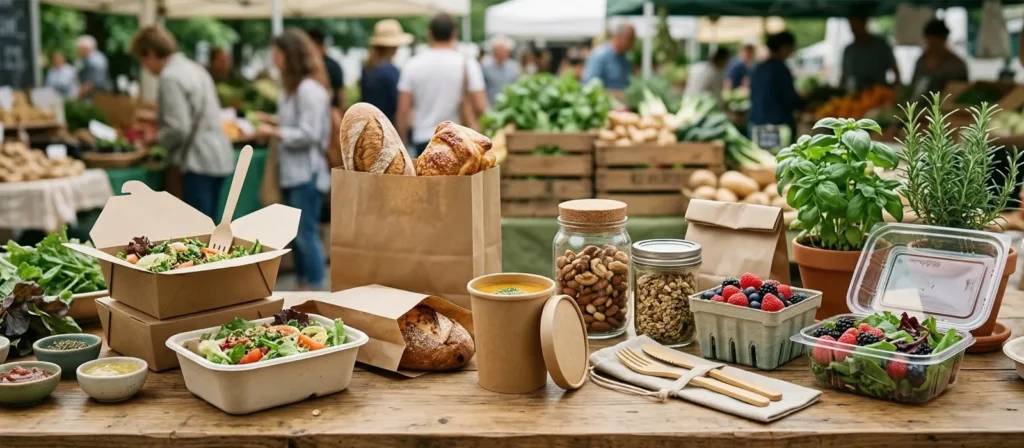
Sustainable food packaging refers to packaging materials and systems designed to minimize the environmental impact of packaging throughout its lifecycle—before, during, and after use. This can include a variety of elements, such as how the materials are sourced, how they are processed, how long they last, and how they can be disposed of or recycled.
The key goal is to ensure that packaging is designed to reduce waste, prevent pollution, and be environmentally friendly at all stages. This means looking at everything from raw material sourcing to end-of-life disposal, aiming to create a circular system where materials are reused, recycled, or composted rather than ending up in landfills.
Why Is Sustainable Packaging Important?
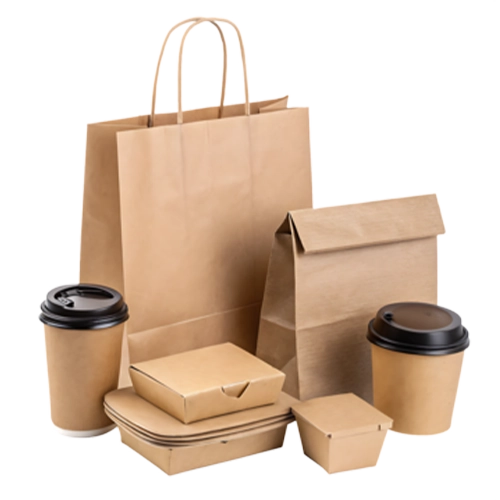
The environmental impact of food packaging is immense. Consider that according to a 2018 study by the Environmental Protection Agency (EPA), packaging accounts for nearly 30% of total waste in the U.S. alone, and a large portion of that is plastic. Single-use plastics, especially, have become notorious for their negative effects on marine life, ecosystems, and human health.
Sustainable food packaging offers a solution to this problem by reducing the reliance on materials that take centuries to decompose and often end up in landfills or oceans. Moreover, as consumers become more environmentally conscious, there is a growing demand for brands to adopt sustainable practices, including packaging. Brands that fail to meet these expectations risk alienating eco-conscious consumers and potentially losing market share.
Beyond environmental concerns, sustainable packaging also benefits businesses. It can improve a brand’s image, reduce costs associated with waste management, and even tap into new markets driven by consumer demand for sustainable products.
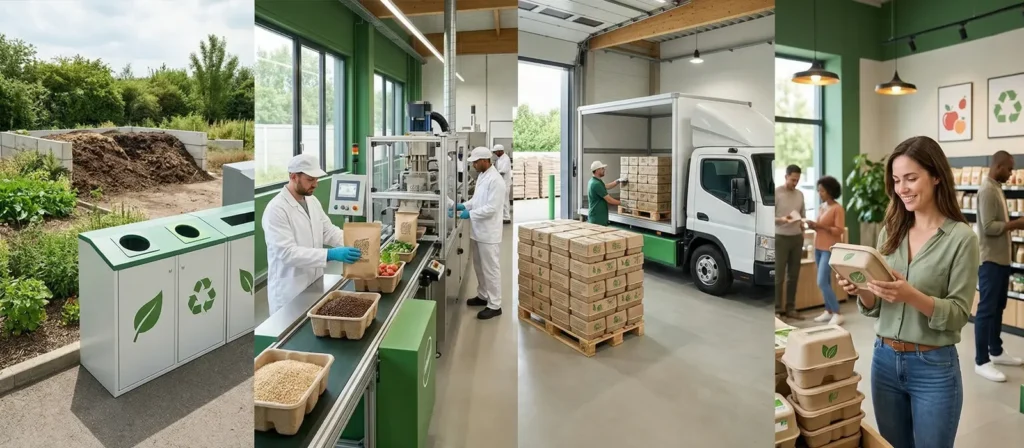
Benefits of Sustainable Food Packaging
Sustainable food packaging isn’t just about the environment—it has several key benefits that can also drive consumer loyalty, cost savings, and business growth.
1. Environmental Impact
The most immediate benefit is a reduced environmental footprint. Sustainable packaging helps reduce pollution, minimize waste, and conserve natural resources, contributing to the fight against climate change. The shift toward sustainable food packaging can also help improve soil health by reducing toxic waste that would otherwise end up in landfills.
2. Consumer Preference
Consumers are increasingly prioritizing sustainability. According to a 2021 survey, 62% of consumers said they prefer brands that offer sustainable packaging options. By adopting eco-friendly packaging, businesses can meet consumer demand and align themselves with an environmentally responsible ethos.
3. Cost Savings
In the long run, sustainable packaging can lead to significant cost savings. Materials like recycled paper or biodegradable plastic are often more affordable than traditional options, and reducing waste can lead to more efficient operations. Additionally, sustainable packaging can help businesses avoid fines or fees associated with plastic waste and regulations.
4. Brand Image
Sustainability is a major selling point. Companies that embrace eco-friendly packaging can improve their brand image, gaining trust and loyalty from environmentally conscious consumers. This can be a competitive advantage, as more and more customers are making purchasing decisions based on sustainability.
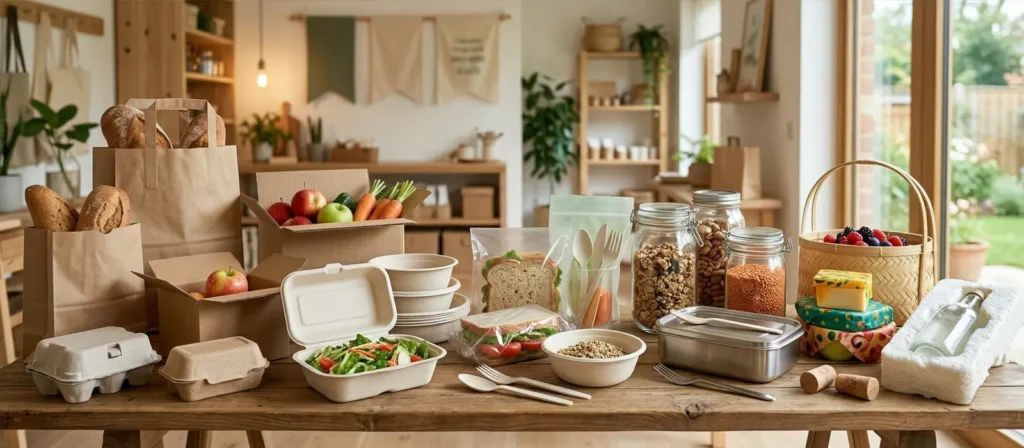
Types of Sustainable Food Packaging Materials
There are several types of sustainable food packaging materials commonly used, including:
- Biodegradable Plastics: Made from renewable resources like corn starch or sugarcane, these plastics can break down under specific conditions, reducing long-term environmental impact.
- Recycled Paper and Cardboard: Made from recycled paper, these materials are commonly used for dry food packaging and takeaway boxes. Paper packaging is biodegradable and easy to recycle.
- Glass Containers: While heavier than plastic, glass is fully recyclable and doesn’t leach harmful substances into food, making it a reliable long-term choice.
- Plant-Based Packaging: Made from materials like bamboo or palm leaves, these are biodegradable and compostable, providing a more eco-friendly option for various food packaging.
- Mushroom Packaging: An emerging eco-friendly material made from mycelium (mushroom roots), which is fully biodegradable and non-toxic.
These materials have the potential to reduce environmental impact, but the feasibility and effectiveness of each depends on its application and available disposal infrastructure.
For a more detailed breakdown of the different types of sustainable food packaging materials, you can read my other article here: Sustainable Food Packaging Materials.

Examples of Sustainable Food Packaging Applications
Sustainable food packaging has found its place across various sectors of the food industry, offering eco-friendly solutions to reduce waste and minimize environmental impact. Below are some key examples of sustainable food packaging applications:
- Compostable Takeout Containers
Many restaurants and food delivery services are transitioning to compostable containers made from materials like bamboo, sugarcane (bagasse), and cornstarch. These containers break down naturally in composting environments, providing a sustainable alternative to single-use plastic containers. - Edible Packaging for Snacks
Some snack brands have begun using edible packaging, such as seaweed wraps for sushi or rice-based films for wraps. These edible options eliminate waste and offer a fun, innovative way to package food, particularly for snacks and ready-to-eat meals. - Plant-Based Plastics for Beverage Bottles
Companies in the beverage industry are adopting plant-based plastics, such as those made from sugarcane or cornstarch, for bottles and containers. These bio-plastics are compostable and offer a renewable alternative to traditional petroleum-based plastics used for packaging drinks. - Recycled Paper for Fast Food Wrapping
Fast food chains are increasingly using recycled paper to wrap sandwiches, burgers, and wraps. This type of packaging is both recyclable and biodegradable, helping to reduce the overall plastic waste produced by the food industry. - Glass Jars for Preserves and Condiments
Glass containers are often used for preserves, sauces, and condiments as they are recyclable, reusable, and non-toxic. Many brands are opting for glass packaging, as it is a sustainable option that also offers excellent protection for the food inside. - Mushroom-Based Packaging for Fresh Produce
Some innovative companies have begun using mycelium (mushroom root) packaging for fresh produce and other food items. This type of packaging is biodegradable, lightweight, and compostable, providing a sustainable solution for fragile items like fruits and vegetables. - Paper Straws and Wraps
In response to the environmental concerns surrounding plastic straws, many foodservice businesses are using paper straws as a sustainable alternative. Additionally, wraps made from recyclable or compostable paper are gaining popularity as a substitute for plastic wraps. - Reusable Glass or Metal Containers
Reusable containers, such as glass or stainless steel jars and bottles, are being adopted by consumers and businesses alike. These containers can be used multiple times, reducing the need for single-use packaging and helping to cut down on waste over time.
These applications represent just a fraction of the many ways sustainable food packaging is being utilized to reduce environmental harm and promote more eco-friendly practices within the food industry.
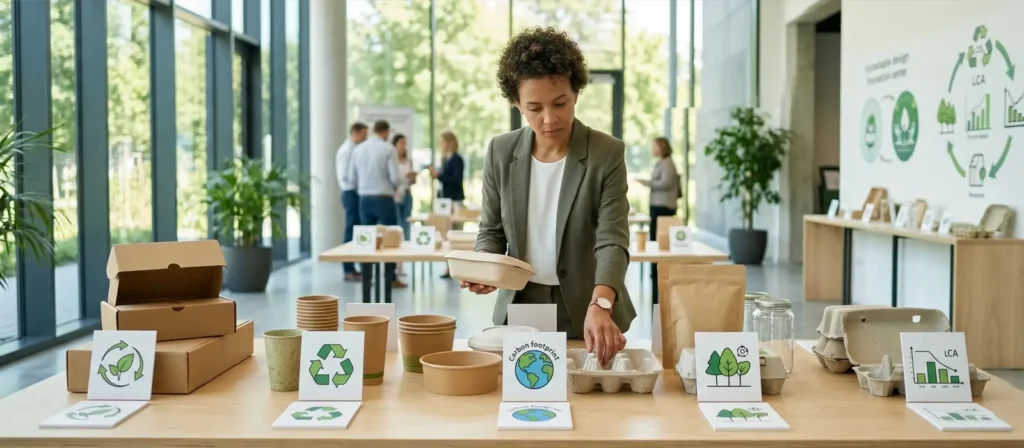
Key Considerations When Choosing Sustainable Food Packaging
When selecting sustainable packaging, several factors need to be considered to ensure that the packaging truly reduces environmental impact. These considerations include:
- Material Source: The origin of the raw material used for packaging is crucial. Renewable resources such as plants or agricultural by-products generally have a lower environmental footprint than petroleum-based products like traditional plastics. Sourcing materials from sustainable, certified sources is key.
- End-of-Life Impact: Not all “eco-friendly” materials are equal. Packaging that is biodegradable in theory might require industrial composting or special conditions to break down properly, making it less effective in some regions without the proper facilities. Recyclability is also an essential factor—materials should be easy to recycle in standard municipal recycling systems.
- Functionality and Safety: Sustainable packaging must still serve its primary function, which is to protect the food. It should preserve food freshness, prevent contamination, and ensure that the food inside remains safe for consumption. Moreover, sustainable packaging should be non-toxic and free of harmful chemicals like BPA (bisphenol A), which is often found in traditional plastic packaging.
- Cost-Effectiveness: While sustainable options may sometimes come with a higher upfront cost, the long-term benefits, such as reduced waste management costs and improved brand reputation, can outweigh the initial investment. For many companies, sustainable packaging is seen as a worthwhile investment that aligns with customer expectations.
Traditional Food Packaging vs. Sustainable Food Packaging
The key differences between traditional and sustainable food packaging can be summarized as follows:
| Aspect | Traditional Food Packaging | Sustainable Food Packaging |
|---|---|---|
| Materials | Primarily plastic (PET, PVC, LDPE) | Biodegradable plastics (PLA), paper, glass, edible materials |
| Environmental Impact | High pollution, long decomposition time, contributes to waste | Lower environmental impact, recyclable, biodegradable, compostable |
| Durability | Strong, long-lasting, resistant to contamination | May have limited durability, but advances are improving this |
| Recycling/Disposal | Limited recyclability, often ends up in landfills | Designed for recycling, composting, or reuse |
| Cost | Generally low cost due to mass production | Typically higher initial cost, but can offer long-term savings |
| Consumer Preference | Widely used, but increasingly unpopular due to environmental concerns | Growing consumer demand, especially from eco-conscious shoppers |
| Food Protection | Highly effective at protecting food from spoilage and contamination | Some materials may not offer the same level of protection, but improvements are being made |

The Future of Sustainable Food Packaging
The future of sustainable food packaging looks promising, driven by innovation and increasing consumer demand for more sustainable choices. As the technology for creating biodegradable and recyclable materials continues to evolve, we will likely see more innovative packaging solutions in the food industry.
Emerging trends include biodegradable food films that protect food without relying on harmful plastics, and intelligent packaging that signals when food is spoiled, reducing the need for excessive packaging. Furthermore, edible packaging may become a more common solution for products that require individual wrappers, further eliminating waste.
The continued growth of the sustainable packaging market is also driven by regulatory pressure. Governments worldwide are implementing bans on single-use plastics and introducing regulations that encourage companies to adopt more sustainable practices. This regulatory environment will likely fuel innovation and the adoption of sustainable packaging solutions in the coming years.
Challenges Facing Sustainable Food Packaging
Despite the clear benefits of sustainable food packaging, there are several challenges that both businesses and consumers face:
- High Costs: Sustainable materials, especially those made from renewable resources or requiring specialized production processes, can be more expensive than traditional packaging. This cost can be a barrier for small businesses or industries with tight margins.
- Limited Infrastructure: In many regions, recycling and composting infrastructure is still underdeveloped. Sustainable packaging materials like PLA, which require industrial composting facilities, may not be easily disposed of in areas without the necessary infrastructure, reducing their overall effectiveness.
- Performance Issues: Some sustainable materials may not yet match the durability or convenience of plastic. For instance, biodegradable plastics may not offer the same shelf-life or protection against contamination as traditional plastic packaging. Research and innovation in material science are essential to overcoming these limitations.
- Consumer Awareness: Many consumers are unaware of the proper disposal methods for certain sustainable packaging materials, which can lead to contamination in recycling or composting streams. Education is crucial to ensure that sustainable packaging can be disposed of in the correct manner.
FAQs
- Can sustainable packaging be recycled?
Yes, many forms of sustainable packaging, such as recycled paper, glass, and certain plant-based plastics, are recyclable. However, proper disposal and the availability of recycling facilities are key factors in ensuring the packaging is effectively processed. - How does sustainable food packaging impact food safety?
Sustainable packaging can still provide adequate food protection, although some materials may have limitations in terms of durability or shelf-life compared to traditional plastic. Advances in technology are making these materials more effective at safeguarding food from contamination. - What role does sustainable packaging play in reducing food waste?
Sustainable packaging can help reduce food waste by providing better preservation methods, such as improved airtight seals or better temperature control. Packaging that enhances the shelf life of food reduces spoilage and encourages consumers to use products before they expire. - How can I identify sustainable packaging when shopping for food?
Look for packaging labeled with eco-friendly certifications, such as “compostable,” “biodegradable,” or “made from recycled materials.” Many brands also include recycling instructions to guide consumers on how to dispose of the packaging properly. - Can sustainable packaging be used for all types of food products?
Sustainable packaging is versatile, but it may not be suitable for all food products. For instance, highly perishable items like fresh meat may require packaging with specific protective qualities, which some eco-friendly materials might not fully provide. As technology improves, more sustainable options will likely emerge for such products. - How can businesses transition to sustainable packaging without significantly increasing costs?
Businesses can begin by prioritizing materials that offer both environmental and cost benefits, like recycled paper or cardboard. They can also explore bulk purchasing and work with suppliers who offer sustainable options at scale, which helps reduce overall expenses. Gradually transitioning over time allows businesses to manage costs effectively. - What certifications should I look for in sustainable food packaging?
Look for certifications like the Compostable logo from the Biodegradable Products Institute (BPI), the Forest Stewardship Council (FSC) certification for paper products, or Global Recycle Standard (GRS) for recycled materials. These certifications ensure the packaging meets specific environmental and ethical standards. - Can sustainable packaging be made using 100% renewable energy?
While it’s technically possible, most sustainable packaging is still produced with a mix of energy sources, including fossil fuels. However, many companies are striving to reduce their carbon footprints by investing in renewable energy for their production processes. Companies that use green energy or implement energy-efficient technologies in manufacturing are becoming increasingly common, and this practice is expected to grow.
Conclusion
Sustainable food packaging is more than just a trend – it’s a vital shift toward reducing environmental impact and promoting a circular economy. As consumers demand more eco-friendly options, businesses must adopt packaging solutions that minimize waste, conserve resources, and support recyclability. While challenges remain, the growing availability of sustainable materials and innovations in packaging technologies present promising solutions. Embracing sustainable packaging not only benefits the planet but also aligns businesses with consumer expectations, ultimately contributing to a more sustainable future.