
When we talk about what goes in landfill, we’re usually referring to non-hazardous solid waste that can’t be reused or recycled easily. This includes general household waste, industrial waste, construction and demolition debris, and certain types of organic waste. Most of what ends up in landfill comes from everyday activities and consumer habits, often involving materials that are too complex, contaminated, or low-value to sort for recycling. While some of this waste might seem harmless, much of it is slow to break down and contributes to long-term environmental impacts once buried in landfill sites.
What goes in landfill often reflects how society manages waste as a whole. Materials that lack clear recycling pathways or are too costly to process usually end up there by default. In many cases, this includes mixed waste that combines different materials in one product, making separation difficult. As landfill space becomes limited and environmental concerns grow, understanding what goes into these sites is no longer just a technical issue. It becomes a practical one. The more we understand about landfill waste, the easier it becomes to rethink how to reduce it from the start.
The amount of waste we generate every year is staggering, and not all of it ends up in the right place. While recycling and composting have improved in many areas, a large portion of waste still goes straight to landfill. This doesn’t just apply to households. Businesses and industries contribute millions of tonnes as well. It’s easy to lose track of where our rubbish actually ends up, and what should happen to it instead. To make better choices, we first need to understand what landfills are, what they accept, and what better options might exist. That’s exactly what this article breaks down.
What is a landfill?
A landfill is a designated site where waste is buried and kept separate from the surrounding environment. Unlike open dumping, modern landfills are carefully designed to control pollution, manage gases such as methane, and prevent harmful materials from reaching the soil or water supply. While the idea sounds simple, just burying rubbish, the reality involves strict planning, regulation, and long-term oversight.
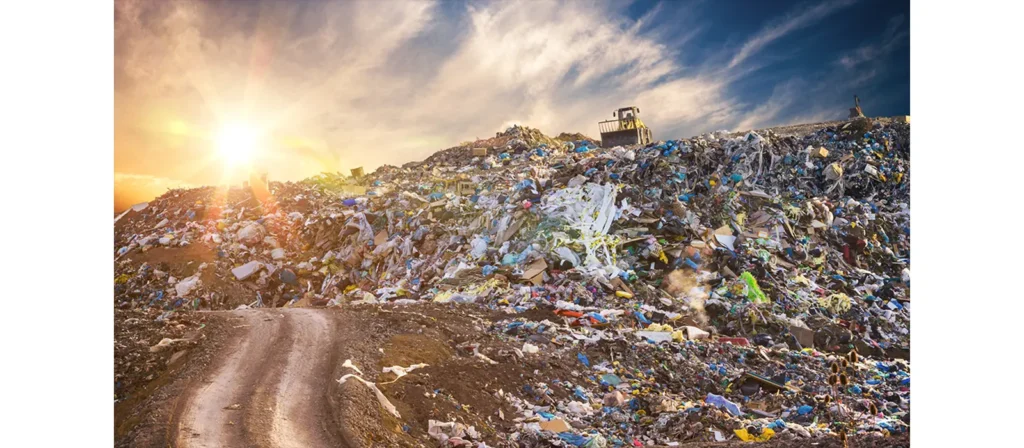
Landfills are built with more than just storage in mind. They are engineered systems designed to isolate waste from the environment, particularly groundwater and surrounding soil. To prevent harmful substances from leaking, the base of a landfill is lined with layers of compacted clay and protective materials. These layers help stop toxic liquid, known as leachate, from seeping into natural water systems. While landfills are mainly used for disposal, some facilities also carry out basic sorting or treatment processes before burial. Still, storing waste in this way is not without consequence. Organic waste releases methane during decomposition, a greenhouse gas significantly more harmful than carbon dioxide, which adds to the environmental cost of landfilling.
Landfills are a standard part of waste management systems across the world. While their primary role is disposal, they also serve to contain waste in a way that limits immediate harm to people and the environment. Their design and use may vary by region, but the goal remains the same: to manage non-recyclable waste in the most controlled way possible.
Types Of Landfills
Common Types of Landfills and What They Handle
- Municipal Solid Waste (MSW) Landfills: These accept general household and commercial waste such as food scraps, product packaging, and other non-recyclable items.
- Construction and Demolition (C&D) Landfills: Used for waste from construction sites including bricks, concrete, drywall, and other building materials.
- Industrial Waste Landfills: Handle non-hazardous waste from industrial processes, such as textiles, rubber, or manufacturing debris.
- Hazardous Waste Landfills: Specially designed to isolate dangerous substances like chemicals or asbestos under strict environmental controls.
How Modern Landfills Operate
Modern landfills are more than large pits filled with rubbish. They follow a controlled process designed to manage waste safely, reduce environmental harm, and comply with strict regulations. The operation begins long before the first load of waste arrives. Engineers select sites based on geography, soil type, and distance from water sources, ensuring minimal risk to local ecosystems.
Once the site is approved, a protective lining system is installed at the bottom. This usually includes layers of compacted clay and synthetic material to prevent toxic liquids, called leachate, from leaking into the soil. As waste is delivered, it is compacted in layers to save space and reduce air pockets that can cause instability. At the end of each day, a layer of soil or other cover material is spread over the waste to reduce odours, keep pests away, and prevent wind from blowing litter off the site.
Throughout its operation, a landfill must monitor gas emissions, especially methane produced by decomposing organic material. Many modern sites collect this gas through a network of pipes and either burn it off or convert it into energy. Leachate is also collected and treated to avoid pollution. Even after a landfill is full and closed, it must be monitored for decades to ensure no long-term damage to the environment.
What Goes in Landfill Explained Simply
Landfills are designed to handle specific types of waste that cannot be reused, recycled, or composted in a practical way. These are materials that pose low immediate risk and are accepted as part of general or industrial disposal streams. Below is a breakdown of what fully belongs in landfill, organised by category.
Household Waste
This includes general domestic rubbish that has no recovery value and is safe to bury in landfill.
- Non-recyclable plastics such as cling film, snack wrappers, and plastic bags
- Used hygiene products like tissues, nappies, and sanitary items
- Broken ceramics or mirrors that are not recyclable
- Old clothing, textiles, or shoes beyond repair or donation
- Household cleaning waste such as used sponges and mop heads
- Food waste that is not collected for composting
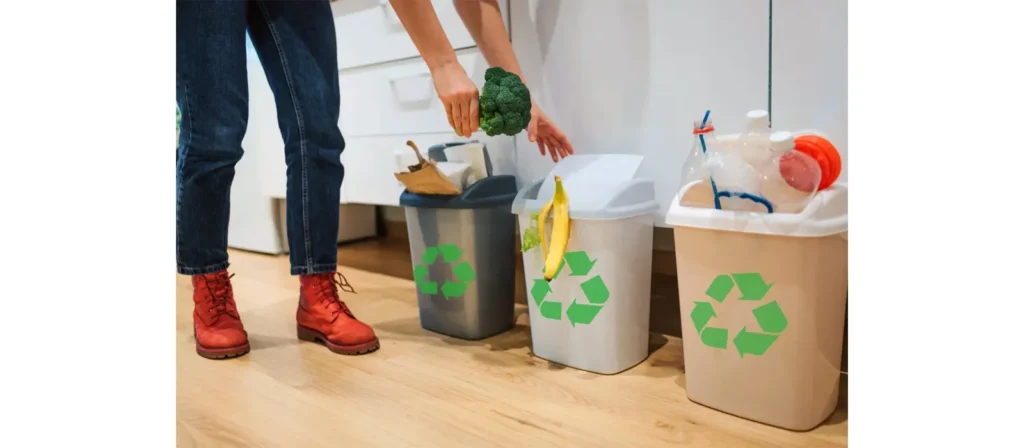
These items are commonly disposed of in household bins and are accepted at municipal landfill sites without restriction.
Construction and Demolition Waste
Large volumes of inert or low-risk building materials end up in landfill when reuse or recycling is not feasible.
- Plasterboard and drywall that is too damaged for reuse
- Painted or treated timber that cannot be chipped or composted
- Bricks, tiles, and concrete debris that are mixed or contaminated
- Asphalt and rubble from roadworks or site clearances
- Small quantities of non-hazardous mixed debris from renovation projects
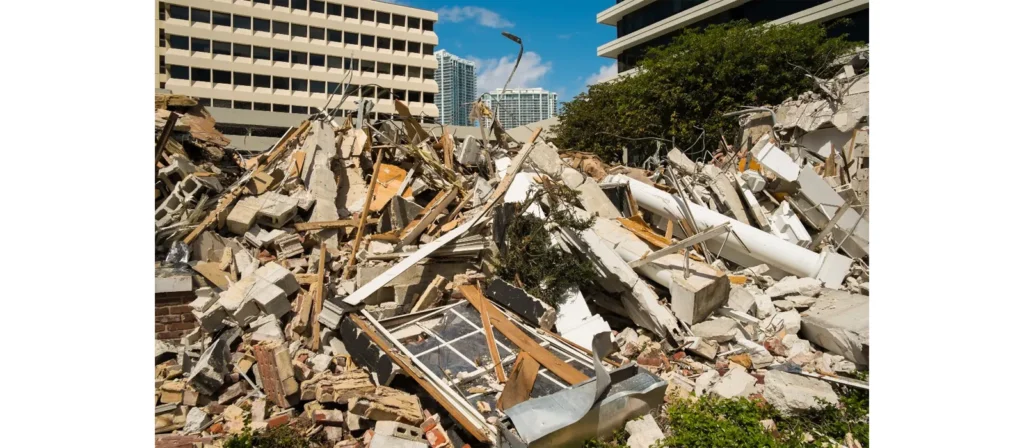
This type of waste is a major contributor to landfill volume, especially on commercial or large-scale building sites.
Industrial and Commercial Waste
Businesses and factories produce non-hazardous waste that often lacks viable recycling routes and is safely disposed of in landfill.
- Contaminated cardboard or soft plastics from packaging
- Foam and rubber offcuts from production lines
- Unusable product samples or defective goods
- Fabric scraps from textile manufacturing that are synthetic or too small to recover
- Food waste from commercial kitchens not managed through composting systems
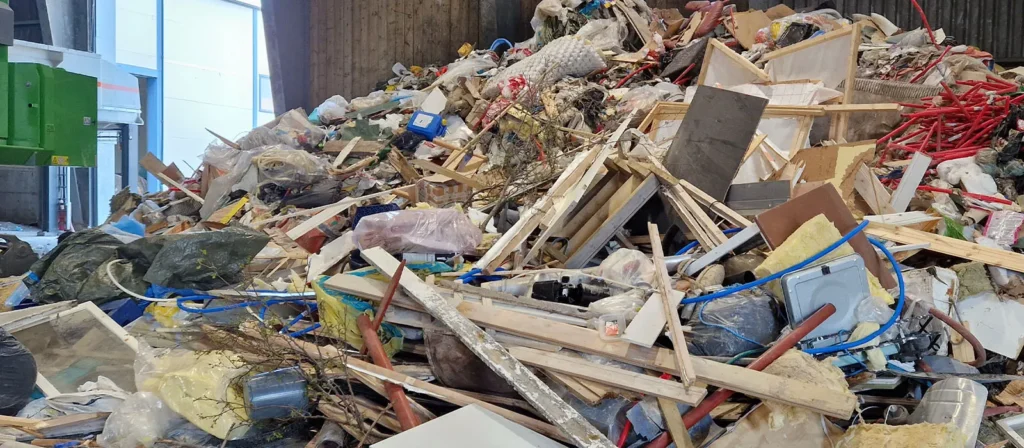
These waste types are typically approved for landfill as long as they do not contain restricted substances or hazardous materials.
Organic Waste
Only certain organic waste types that are not viable for composting or separate collection are directed to landfill.
- General food waste from households mixed with non-organic matter
- Garden waste like weeds, branches, and grass when composting is unavailable
- Processed food or leftovers that are not accepted in green bins
- Organic material from commercial sources where no organic diversion program exists
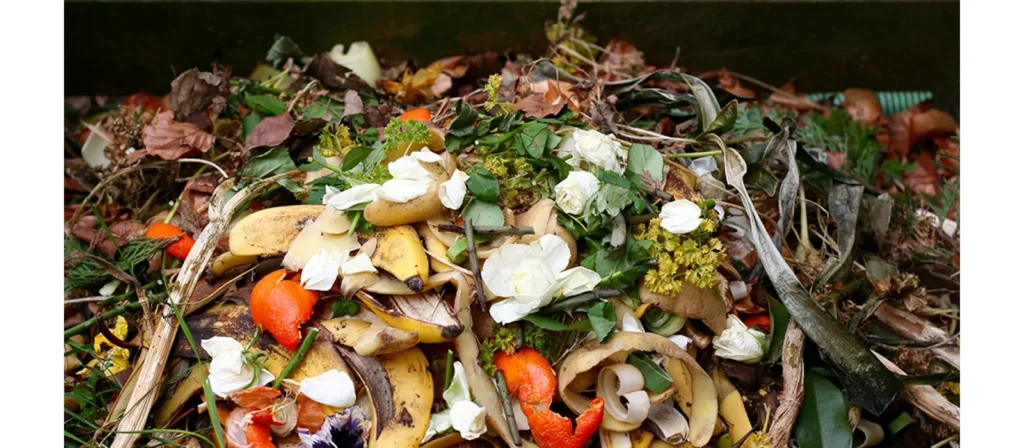
While many organic materials can be composted, these examples often end up in landfill due to lack of infrastructure or contamination during disposal.
Waste That Should Not Be Sent to Landfills
Hazardous Household Waste
Hazardous household waste should never be placed in landfill because it contains chemicals or substances that can contaminate soil and water. Items such as solvents, paints, cleaning agents, and pesticides can release toxins that quickly migrate through soil layers, threatening groundwater quality and harming plant and animal life. These materials require dedicated collection points or chemical recovery facilities that are equipped to neutralise or safely store them.
Even small quantities of hazardous liquids can create long-lasting damage once buried. Landfills are not designed to break down these chemicals, and the liners used to protect the environment can degrade over time, increasing the risk of leaks.
Batteries and Electronic Waste
Batteries and electronic devices are strictly prohibited in landfill because they contain metals and chemicals that become dangerous when crushed or exposed to moisture. Items like lithium-ion batteries, phone batteries, and even small household electronics can leak lead, mercury, or cadmium. These substances are highly toxic and accumulate in ecosystems, making disposal in general waste a serious environmental risk.
Modern waste systems offer e-waste drop‑off points or recycling programs capable of extracting valuable metals and safely handling harmful components. Sending these materials to landfill not only wastes recoverable resources but also increases the potential for fires caused by damaged batteries.
Medical and Clinical Waste
Medical waste is unsuitable for landfill due to the risk of infection, contamination, and biohazard exposure. Materials such as syringes, bandages, and anything contaminated with bodily fluids must be treated through specialised disposal systems that sterilise or incinerate medical waste. When these items enter landfill, they pose direct risks to landfill workers and can spread pathogens through pests or surface runoff.
Healthcare waste requires strict handling and tracking to prevent public health risks, and landfill sites are not equipped to provide the necessary containment or sanitary controls to manage biological hazards safely.
Chemical and Industrial Hazardous Waste
Chemical waste from industrial processes, laboratories, or workshops is banned from landfill because many chemicals react unpredictably when mixed with other waste. These reactions can generate toxic fumes, fires, or corrosive substances that compromise landfill infrastructure. Substances like solvents, fuels, adhesives, and corrosive agents require regulated hazardous waste facilities that can stabilise or neutralise them before final disposal.
Allowing chemical waste into a landfill undermines the protective systems engineered to contain ordinary non-hazardous waste. Over time, the chemicals can break down liners, contaminate groundwater, or release volatile compounds into the air.
Asbestos and Other Highly Regulated Materials
Asbestos must never be sent to a general landfill due to its severe health risks. When disturbed, asbestos releases microscopic fibres that cause chronic respiratory diseases and cancers. Only licensed facilities can receive asbestos, and it must be sealed, labelled, and handled by trained professionals.
Placing asbestos in a standard landfill puts workers and the surrounding community at risk. The material does not decompose, and once fibres become airborne, they remain harmful indefinitely, making strict isolation the only safe disposal method.
Alternatives to Traditional Landfilling
Landfills are still part of how we manage waste, but they should not be the first solution we reach for. Better options exist that are cleaner, more sustainable, and more aligned with long-term environmental goals. Three of the most practical approaches include recycling, reducing waste from the beginning, and composting.
Recycling as a Primary Waste Management Option
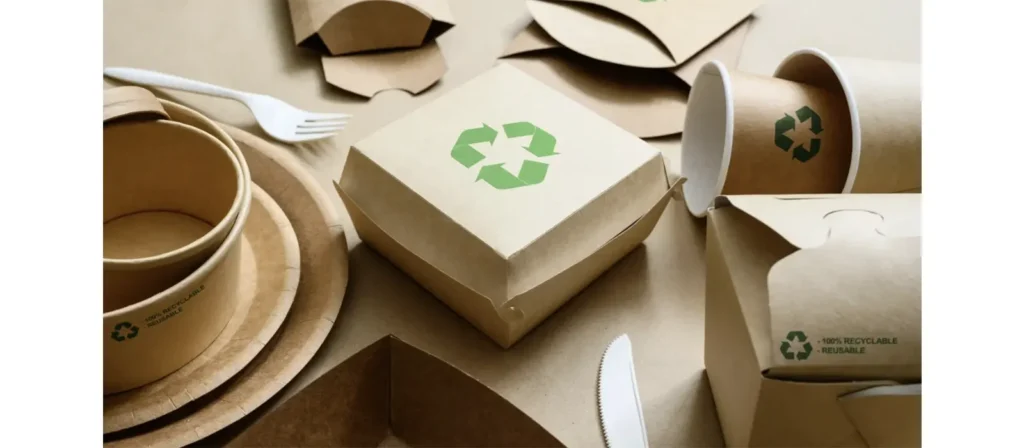
Recycling is one of the most well-known ways to keep waste out of landfills, but it is not always straightforward. What can or cannot be recycled often depends on the local council, and that leads to confusion. Many items that look recyclable, like greasy food containers or sauce-soaked cardboard, are usually rejected by sorting facilities.
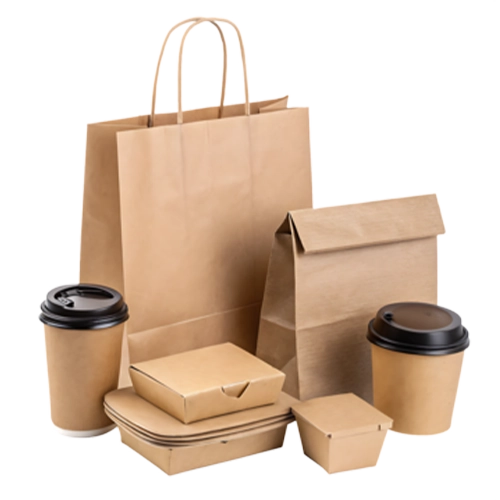
For example, when packaging is made with recycling in mind, it is easier to process and more likely to be accepted. For example, clean paper-based containers or single-material packaging stand a much better chance of being recycled successfully. In the food service industry, this means choosing packaging that avoids unnecessary layers or plastic coatings. Packaging that is designed to work with existing recycling systems plays a real part in reducing landfill waste.
Reducing Waste
The most effective way to manage waste is by avoiding it altogether. Waste reduction starts with smart decisions during design and production. Asking questions like whether packaging is needed, whether it can be smaller or more efficient, or whether it performs more than one function helps cut down unnecessary materials.
In restaurants, cafes, and takeaway services, this can mean using right-sized food containers, simplifying packaging formats, or choosing materials that support low-waste operations. When packaging is lightweight, functional, and avoids mixing materials that cannot be separated later, it reduces the chance of ending up in landfill.
From a customer point of view, choosing products with less packaging or supporting businesses that focus on sustainable materials also plays a role. When both sides think about waste before it is created, landfill becomes less of a necessity.
Composting Organic Materials to Minimize Landfill Use
Many households now have access to composting through green bins or garden compost setups. For businesses, composting becomes more efficient when packaging and food waste can be collected together. This is possible when the packaging is compostable and breaks down safely with organic materials.
However, not all compostable items are the same. Industrial composting requires special facilities that are not always available. Home compostable materials, such as sugarcane-based packaging or certified compostable bioplastics, offer a practical alternative. These materials can break down in backyard compost bins alongside food scraps. This helps reduce landfill waste without relying on large-scale infrastructure.
The Importance of Responsible Waste Disposal
How we manage waste directly affects the health of our environment, communities, and future resources. When waste is sorted and disposed of properly, it helps reduce pollution, conserves natural materials, and cuts down greenhouse gas emissions. On the other hand, sending recyclable or compostable items to landfill puts unnecessary pressure on already limited space and contributes to long-term environmental harm. Responsible disposal is not just about doing the right thing; it is about making systems work better for everyone.
Businesses, especially in the food service industry, play a key role in shifting how waste is handled. At Millionpack, we see this responsibility as part of our everyday work. By using recyclable, compostable, and responsibly sourced materials across our packaging range, we help reduce the amount of waste that ends up in landfill. From cups and lids to takeaway boxes and tableware, every product we design is meant to support a cleaner, simpler waste stream.
Conclusion
Responsible waste disposal is becoming increasingly important as the volume of global waste continues to rise. Understanding what belongs in landfill, what should be kept out, and what alternatives exist helps create a clearer and more sustainable approach to waste management. Landfills still play a role, but they function best when supported by recycling, reduction, and composting efforts that keep valuable materials in circulation and organic waste out of the ground.
By making thoughtful choices about how we discard everyday items and by supporting systems that prioritise resource recovery, we can reduce the pressure placed on landfills and limit long‑term environmental impacts. Better habits, smarter materials, and practical alternatives collectively shape a more responsible waste future.