
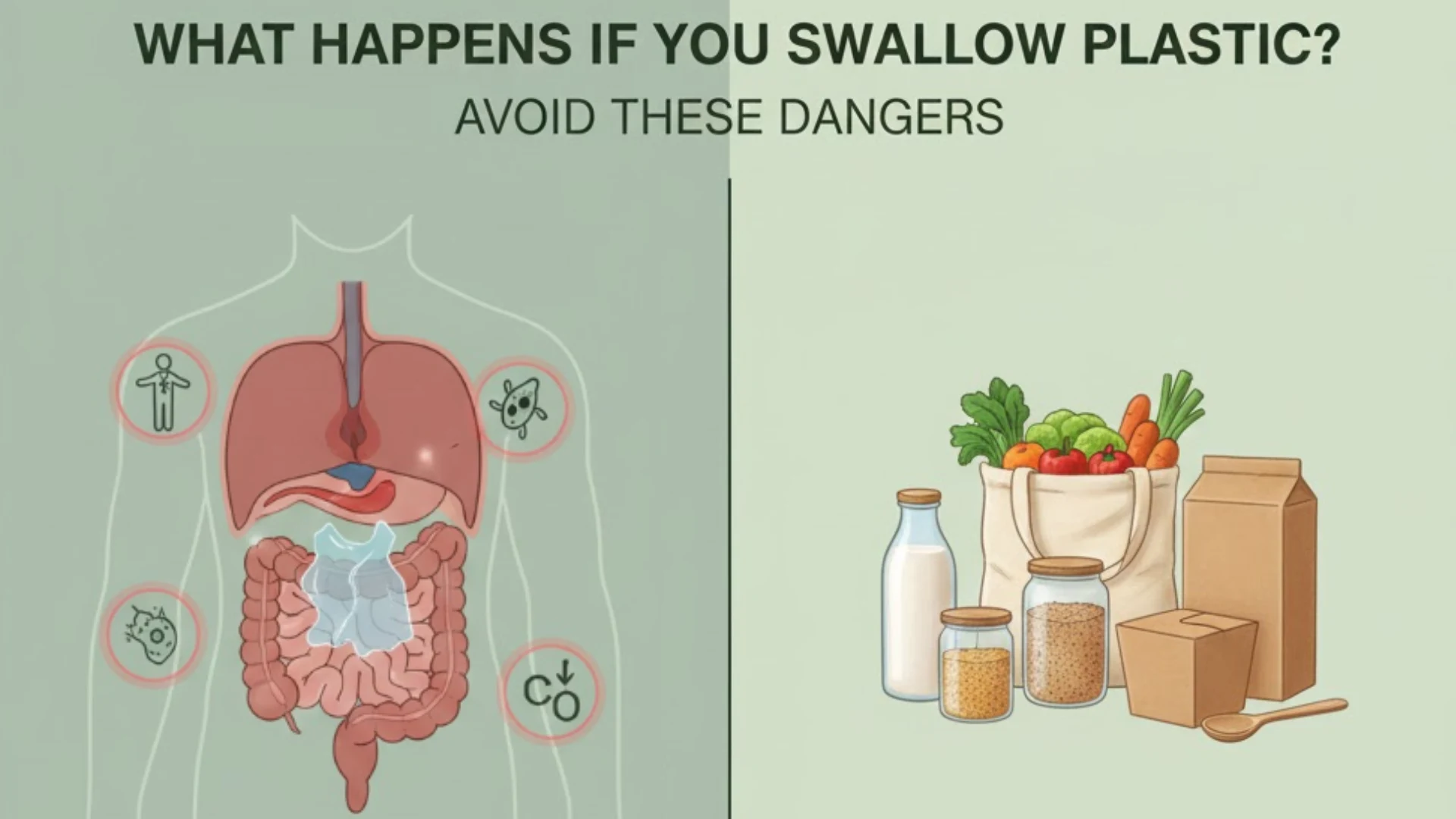
If you swallow a small piece of plastic by accident, it usually passes through your digestive system without causing harm. Most minor cases do not require treatment and resolve naturally. However, certain types of plastic can still lead to irritation, discomfort, or in rare cases, medical complications.
Plastic cannot be digested or absorbed by the body. When swallowed, it moves through the gastrointestinal tract as a foreign object. Depending on its size, shape, and chemical makeup, it may pass without symptoms or cause issues such as mild pain, bloating, or blockage. Children and adults alike are exposed to this risk through food packaging, utensils, or microplastic-contaminated foods.
This article explains what happens if you swallow plastic, the symptoms that may follow, how doctors diagnose and treat plastic ingestion, and practical ways to avoid plastic exposure in daily life. It also explores growing concerns around long-term microplastic accumulation in the human body.
How Does Plastic Enter the Human Body?
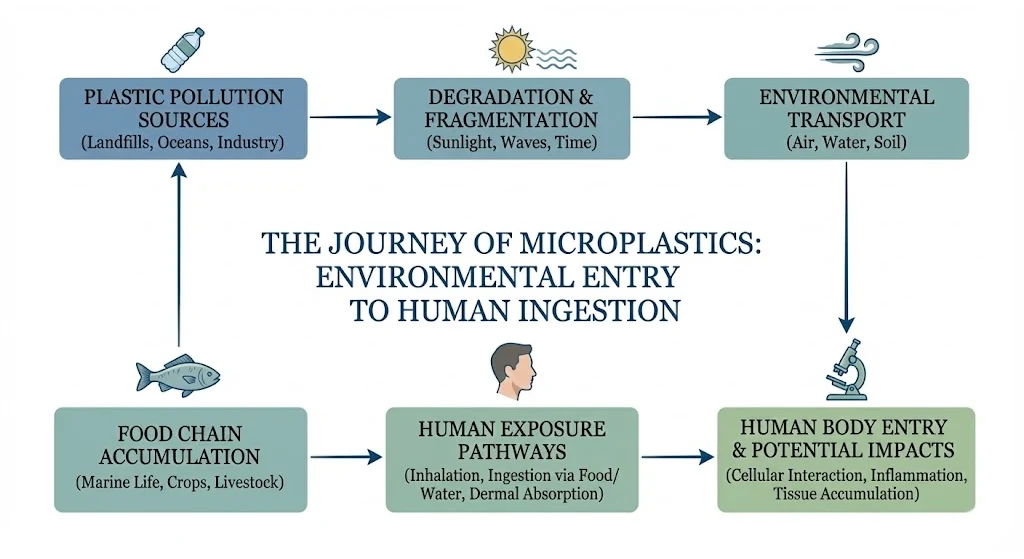
Swallowing plastic usually happens without warning. Whether it comes from food packaging, broken utensils, or tiny fragments in processed products, both adults and children can ingest little plastic without even noticing. Understanding the most common sources helps explain what happens if you swallow plastic and why prevention starts with awareness.
Plastic from packaged or processed foods
Thin plastic film from sandwich wrappers, cheese slices, or ready-to-eat meals can stick to food and go unnoticed during eating. It is especially risky when food is consumed quickly or when children eat unsupervised, increasing the chance of swallowing packaging fragments by mistake.
Accidental ingestion during chewing or eating
Hard plastics from straws, forks, or food containers can break off during use. Adults and kids alike may chew on plastic items such as pen caps or bottle lids out of habit, causing small pieces to enter the mouth and be swallowed before anyone realizes it happened.
Plastic contamination in food manufacturing
Plastic shavings from machinery or packing tools may end up in processed food during manufacturing. Though usually microscopic, these fragments are swallowed with the food, leading to gradual build-up of plastic in the human body over time, especially in households that rely heavily on packaged meals.
Microplastics in water, seafood, and salt
Bottled water, table salt, and ocean-sourced seafood often contain microplastics, which are invisible but widely present. Regular consumption of these everyday items means that both adults and children are constantly ingesting small amounts of plastic, contributing to long-term exposure and possible health risks.
What Happens When You Swallow Plastic: Inside Your Body
Swallowed plastic usually passes through the digestive system without serious harm, especially if it is small and smooth. However, depending on the type, shape, and quantity, it can cause injury, blockage, or longer-term health effects. What happens if you swallow plastic depends on many factors, ranging from the material’s size to its chemical composition.
Once plastic enters the body, it moves through the esophagus into the stomach and intestines. Most small pieces, such as food packaging film or little plastic fragments, are not absorbed. They typically pass out of the body in stool within a few days. According to Seattle Children’s Hospital, the majority of non-toxic, small foreign objects exit the body naturally without the need for medical treatment.
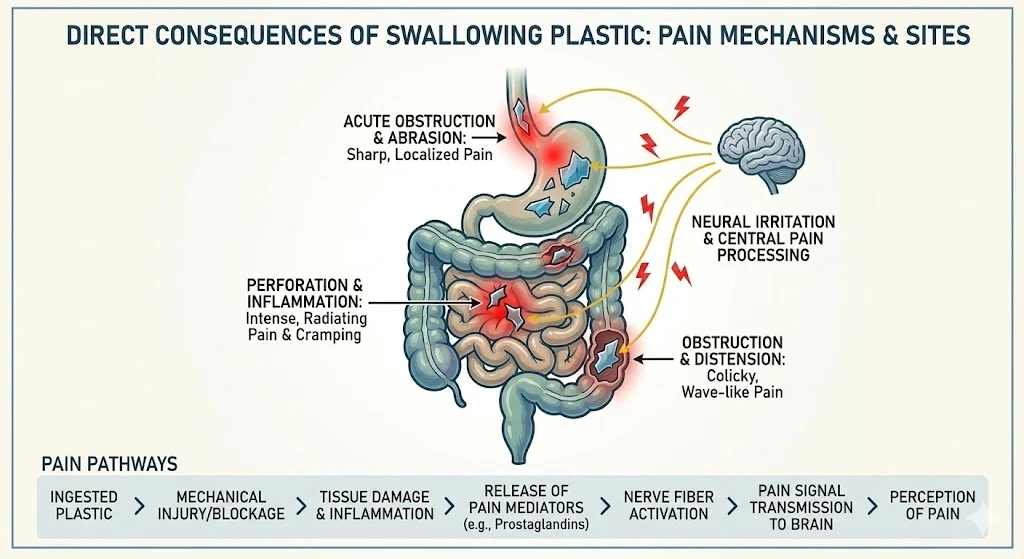
Complications occur when the plastic is sharp, large, or chemically treated. Jagged edges can damage the lining of the digestive tract, while oversized pieces may cause intestinal blockages. These blockages may result in pain, vomiting, or more severe outcomes that require endoscopic or surgical removal, as noted by MedlinePlus.
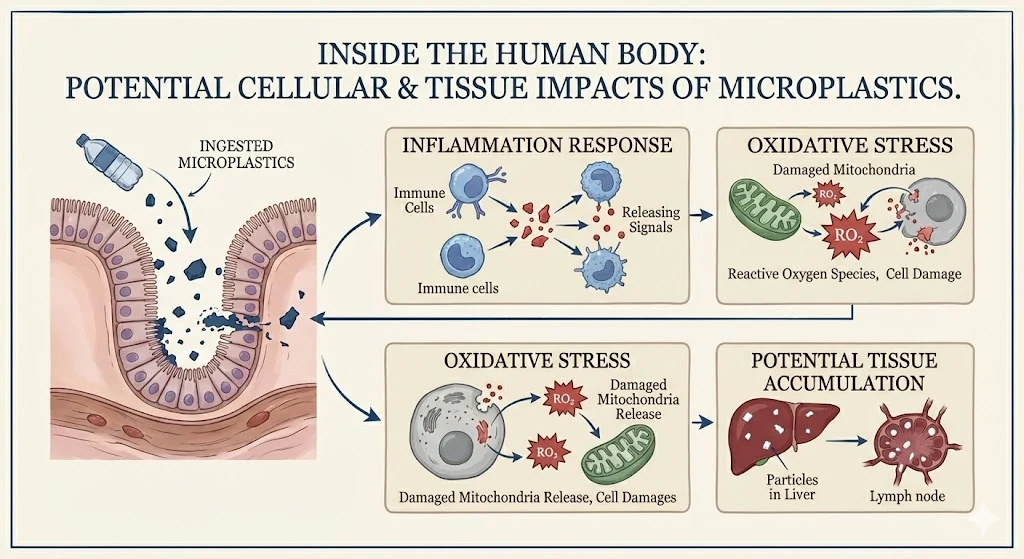
At the microscopic level, researchers have turned their attention to microplastics, which are present in bottled water, seafood, salt, and other everyday foods. These tiny plastic particles can build up in the human body over time. Preliminary studies suggest they may affect the immune system, gut lining, and even enter the bloodstream. Research published in the Science of The Total Environment and the National Institutes of Health confirms that plastic in the human body may cause oxidative stress, inflammation, or cellular changes under certain conditions.
Direct Consequences of Swallowing Plastic
- Temporary stomach pain, nausea, or bloating
- Scratches or irritation in the throat, stomach, or intestines
- Digestive blockage requiring medical attention
- Vomiting or abdominal discomfort
- Internal bleeding from sharp plastic edges
- Microplastic buildup in tissues over time
- Possible disruptions to gut bacteria and immune function
How to Diagnose Plastic Ingestion?
If someone swallows plastic — whether it’s a small piece of packaging or something larger — the first step is figuring out if it is still inside the body and whether it is causing any problems. Often, people are unsure what exactly was swallowed or if it has already passed naturally. Here are simple and effective ways to check.

Look for symptoms
The body often gives early signs that something is wrong. Common symptoms include:
- A feeling of something stuck in the throat
- Stomach discomfort or pain
- Nausea or vomiting
- Trouble swallowing
- Bloating or unusual bowel movements
These signs may suggest that plastic is still in the digestive tract or has caused irritation.
Use X-ray or scanning if necessary
Many types of plastic do not appear clearly on standard X-rays, but doctors may still use them to check. If symptoms are more serious, a CT scan or ultrasound may give a better view of where the plastic is and how the body is reacting to it.
Physical examination
Doctors may gently press on the stomach to look for pain, swelling, or signs of blockage. They might also check the mouth and throat if the plastic piece is suspected to be stuck higher up.
Monitor and wait
If the plastic object was small and smooth, doctors often suggest waiting 24 to 72 hours. In many cases, swallowed plastic passes naturally in the stool without causing harm. During this time, it is important to stay hydrated and observe any changes.
Endoscopy if needed
If the object does not pass or causes discomfort, a doctor may recommend an endoscopy. This procedure uses a small camera to look inside the digestive tract and, if necessary, remove the plastic safely.
What to Do After Swallowing Plastic?
If you or someone else has accidentally swallowed plastic, the most important thing is to stay calm and take the right steps. In many cases, the plastic passes through the body without causing harm. But depending on what was swallowed and how the body reacts, some situations need medical attention.
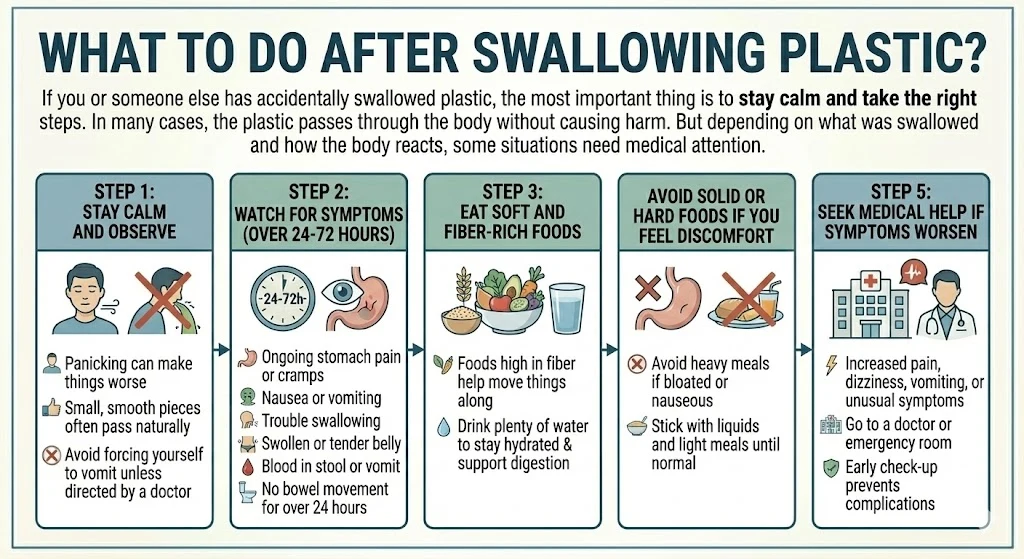
Step 1: Stay calm and observe
Panicking can make things worse. If the plastic piece was small, smooth, and swallowed without choking, it may pass naturally. Avoid forcing yourself to vomit unless a doctor tells you to do so.
Step 2: Watch for symptoms
Pay attention to your body over the next 24 to 72 hours. Signs to monitor include:
- Ongoing stomach pain or cramps
- Nausea or vomiting
- Trouble swallowing
- Swollen or tender belly
- Blood in stool or vomit
- No bowel movement for over 24 hours
If none of these symptoms appear, it is likely the plastic will exit your body without problems.
Step 3: Eat soft and fiber-rich foods
Foods high in fiber, like fruits, vegetables, and whole grains, may help move things along in your digestive system. Drink plenty of water to stay hydrated and support digestion.
Step 4: Avoid solid or hard foods if you feel discomfort
If you are feeling bloated or nauseous, it may help to avoid heavy meals until the discomfort passes. Stick with liquids and light meals until your body feels normal again.
Step 5: Seek medical help if symptoms worsen
If pain increases, you feel dizzy, start vomiting, or have other unusual symptoms, go to a doctor or emergency room. The earlier you get checked, the easier it is to prevent complications.
How to Avoid Swallowing Plastic?
Preventing plastic ingestion is easier than dealing with its effects later. With just a few small changes in daily habits, you can lower the chances of accidentally swallowing little plastic from food packaging or utensils.

Be careful when opening packaged food
Plastic wraps, seals, and containers can easily leave behind small fragments if opened too quickly or carelessly. Always check your food for any bits of plastic that may have stuck to it, especially with fast food, frozen meals, and snacks.
Slow down when eating
Eating too quickly increases the risk of not noticing plastic pieces that may be mixed in with your food. Take time to chew and check your food before swallowing, especially if you are eating in low light or while distracted.
Supervise children during meals
Young children are more likely to put plastic objects in their mouths or chew on packaging. Keep small items like straws, wrappers, and toy parts out of reach. Always supervise young kids when they are eating or playing with anything that might break into small plastic pieces.
Choose safer food packaging
Whenever possible, use food stored in glass, paper, or BPA-free containers. Avoid heating food in plastic containers that are not microwave-safe, as heat can weaken the material and increase the chance of plastic breaking into your food.
Why Choose Our Paper-Based Eco-Friendly Food Packaging
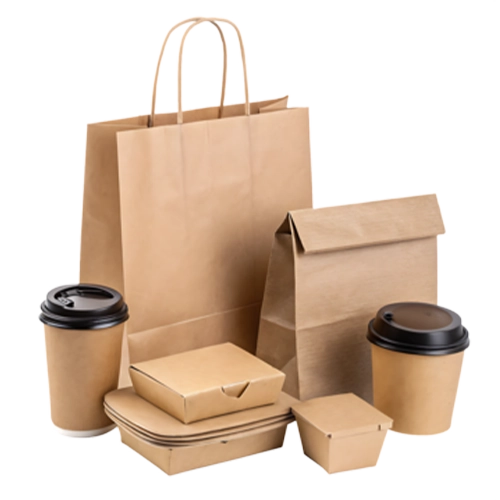
With so many concerns around plastic exposure and health, switching to safer packaging is one of the easiest ways to protect yourself and others. Our paper-based food packaging offers a cleaner, safer, and more sustainable alternative to traditional plastic containers. Here is why it matters.

Reduces the risk of plastic contamination in food
Plastic food containers can crack, chip, or shed small fragments during storage, transportation, or heating. These fragments often go unnoticed and may be swallowed accidentally. By using paper-based packaging, you greatly lower the chances of eating plastic without realizing it.
Safe for use with hot or oily foods
Unlike some plastics that break down when heated, our eco-friendly paper packaging is designed to handle high temperatures without leaching chemicals or melting. That means no hidden plastics mixing with your food, especially when reheating meals or serving hot dishes.
Environmentally friendly and biodegradable
Plastic waste is one of the world’s biggest pollution problems. Most plastics take hundreds of years to break down, and many end up in oceans or food chains as microplastics. Our paper-based materials are compostable and biodegradable, helping reduce long-term pollution and plastic in the environment.
Trusted by health-conscious consumers
More families and food service providers are choosing plastic-free options to minimize health risks. Our packaging is made from responsibly sourced materials, with no added chemical coatings that could transfer to food.
Aligned with food safety standards
We follow strict safety and hygiene standards to ensure our paper-based containers are food-safe, moisture-resistant, and durable. This makes them a smart and practical choice for takeout, catering, and home use.
Conclusion
Accidental plastic ingestion is more common than many people realize. While small and smooth pieces of plastic often pass through the digestive system without causing harm, certain cases involving large, sharp, or chemically treated plastic can lead to serious medical complications such as gastrointestinal blockage, internal injury, or inflammation.
Understanding what happens if you swallow plastic helps individuals respond appropriately when it occurs and take preventive steps to reduce future exposure. Simple habits such as checking packaged food carefully, avoiding low-quality plastic utensils, supervising children during meals, and choosing safer materials can significantly lower the risk of plastic ingestion.
In a world where plastic use is widespread, switching to paper-based food packaging provides both a healthier alternative and an environmentally responsible choice. Prevention begins with awareness, and small adjustments in daily life can lead to better long-term health and reduced exposure to harmful materials.