
Soy ink, a plant-based printing alternative made from soybean oil, is gaining momentum as the food packaging industry pushes toward safer and more sustainable materials. In contrast to conventional petroleum-based inks, which often contain heavy metals and volatile organic compounds, soy ink offers a cleaner composition that aligns better with modern environmental standards and food safety protocols. This shift is particularly relevant in the context of takeaway packaging, where ink comes into direct or indirect contact with items meant for consumption.
Your lunch might come in a recyclable-looking box, but if that box is printed with harsh chemical inks, it could contaminate the recycling process. Worse, when packaging is exposed to heat, grease, or moisture, some of that ink might rub off or leach into your food. As consumers grow more aware of what touches their meals, the pressure is on to find safer alternatives.
Here comes soy ink, a plant-based alternative that claims to be safer for people and gentler on the planet. But is it just a trendy green label, or does soy ink truly make a difference in takeaway packaging? In this article, we will look at what soy ink is, how it compares to conventional inks, and whether it genuinely makes food packaging safer and greener. You will also see how some major brands are already using it and what this shift means for the future of sustainable food packaging.
Soy ink basics: what it is and why it matters
The Composition and Origins of Soy Ink
Soy ink is fundamentally defined by its use of soybean oil as the primary liquid component, replacing the petroleum-based solvents found in conventional printing inks. This plant-derived oil is extracted and refined from soybeans, forming the carrier fluid that allows pigments and other components to be evenly distributed and applied during printing.
The typical soy ink formula consists of several key elements. First, there is the soybean oil, which generally makes up 20 to 40 percent of the total composition, depending on the ink’s intended use and color. Black inks tend to contain more soybean oil, while colored inks may include stabilizers to manage pigment behavior. The pigments themselves can be either organic or inorganic and are chosen based on the desired visual effect and durability.
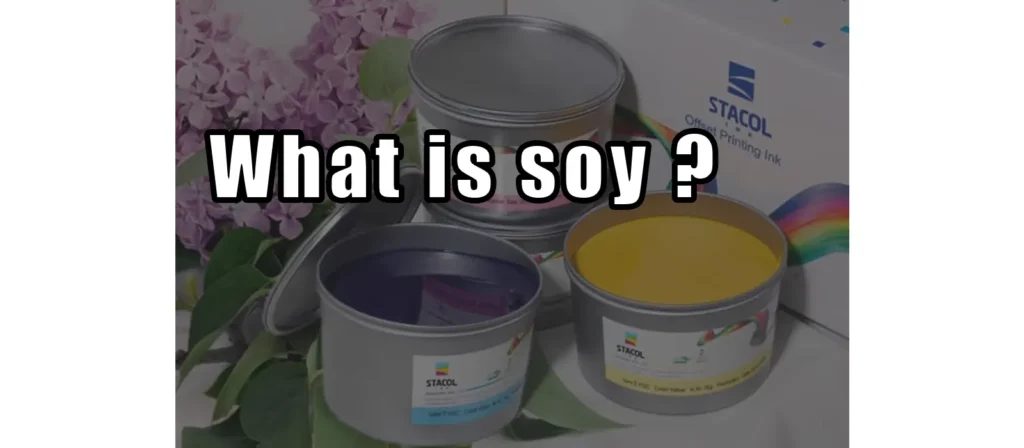
The development of soy ink can be traced back to the 1970s, when the Newspaper Association of America initiated research into alternatives to petroleum ink. At the time, soaring oil prices and growing environmental concerns made traditional ink both economically and ethically problematic. Newspapers, which consume large volumes of ink daily, were particularly vulnerable to these pressures. Researchers began experimenting with soybean oil as a renewable base, and after extensive testing, the first commercial soy inks were introduced into newspaper printing by the mid-1980s.
What began as an industry-driven cost-saving measure quickly evolved into a broader innovation in sustainable printing. The success of soy ink in large-scale newspaper production proved its viability, leading to adoption across other sectors, including packaging and labeling. Today, soy ink continues to be refined and customized for modern printing needs, offering both environmental advantages and high-quality performance across a variety of surfaces.
Why food packaging cares about soy ink
Food packaging today carries more responsibility than ever before. Beyond simply protecting what is inside, it also serves as a visual representation of quality, safety, and brand values. In a market where sustainability is increasingly influencing consumer choices, the materials and even the ink used in packaging are under growing scrutiny.
Soy ink stands out for its environmental advantages and impressive print performance. It produces sharper and more vibrant colors than many conventional inks, helping brands maintain a premium appearance without compromising their commitment to sustainability. This is especially valuable for takeaway packaging, where visual branding on items like coffee cups, burger boxes, and paper bags can shape the entire customer experience.
Another reason soy ink is gaining attention in the packaging world is its compatibility with eco-friendly materials. As more containers are made from recyclable or compostable substrates like kraft paper or plant-based fiber, the need for an ink that complements these materials is more important than ever. Soy ink supports this effort by breaking down more cleanly during recycling and composting, leaving behind fewer chemical residues.
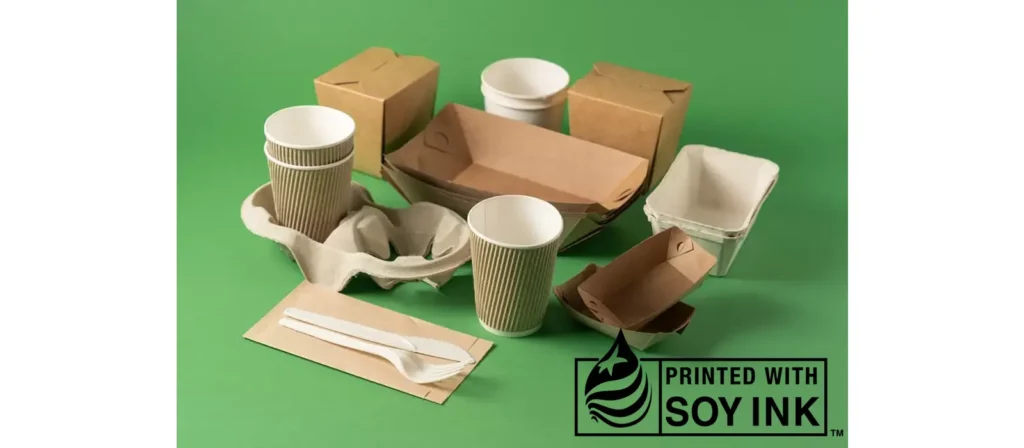
Another notable feature is its lower VOC (volatile organic compound) emission. Petroleum inks release significant amounts of VOCs during drying, contributing to air pollution and health hazards in industrial settings. Soy ink, in contrast, emits far fewer VOCs, making it safer for workers, end-users, and the planet.
For companies striving to meet environmental goals, choosing soy ink is a meaningful step. While it may not be visible to the average customer, informed consumers are increasingly paying attention to every detail. Opting for soy ink sends a clear message about a brand’s values and strengthens credibility in a market that demands both quality and responsibility.
Is soybean ink safe for direct contact with food products?
When it comes to takeaway packaging, one of the most critical concerns is food safety. It is not enough for packaging to be recyclable or compostable. If the ink printed on it poses a risk when it comes into contact with food, that becomes a serious issue. So the question is, where does soybean ink stand in terms of direct or incidental food contact?
First, it is important to clarify that not all soy inks are automatically safe for direct food contact. While soybean oil itself is a plant-based ingredient commonly used in cooking, the full formulation of soy ink also includes pigments, resins, and other compounds that may not be suitable for food contact. The safety of soy ink depends on how it is produced and whether it complies with food safety regulations.
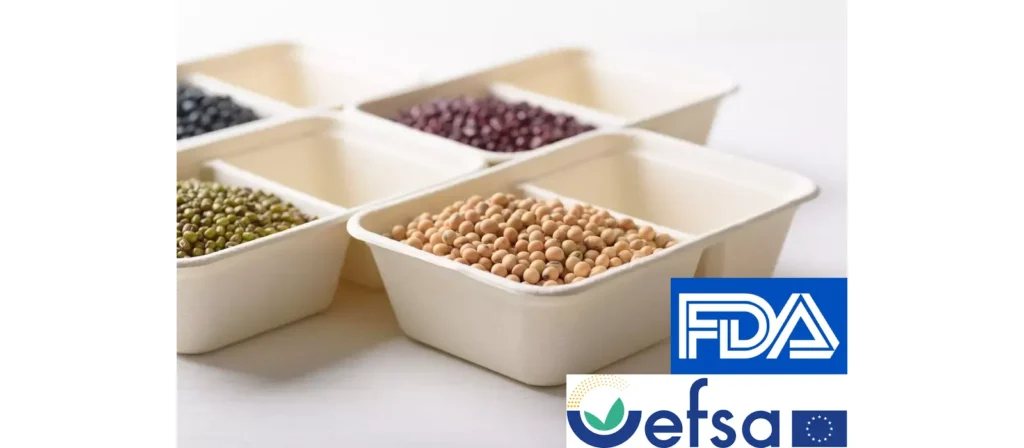
In many regions, food packaging inks must meet specific standards set by health and safety authorities such as the U.S. Food and Drug Administration or the European Food Safety Authority. These regulations define which substances are allowed and how much of them can migrate into food under various conditions such as heat or moisture. Some soy inks are manufactured to meet these strict guidelines and are certified for either direct or indirect contact with food.
Soy ink is not a one-size-fits-all solution. Certain food types like oily or acidic items, and conditions such as high temperatures, can increase the chances of chemical migration from the ink into the food. This is why food packaging producers often work directly with ink manufacturers to ensure that the ink they use is appropriate for the specific materials and use cases involved.
In short, soy ink can be safe for direct contact with food, but only when it is the right type. Just because an ink is labeled as plant-based or soy-based does not automatically mean it meets food safety standards. Businesses should always verify that any ink used in food packaging is certified for its intended purpose.
Environmental Benefits of Using Soy Ink on Packaging
Imagine a landfill site on the edge of a busy city. Mountains of used takeaway containers are buried layer upon layer. Paper cups, sandwich boxes, and bags are all printed with colorful logos and branding. Over time, heat, pressure, and moisture begin to break these materials down. When the ink used is petroleum-based, it often releases small amounts of toxic substances that mix with rainwater and seep into nearby soil. These residues can eventually flow into drainage systems, rivers, and underground water sources, where they disrupt plant growth and harm aquatic ecosystems.
Soy ink behaves differently in this environment. Made from soybean oil and containing fewer synthetic compounds, it breaks down into simpler and less harmful substances. The chance of long-term contamination is much lower. While soy ink does not render packaging completely harmless, it does significantly reduce the environmental impact of printed materials that end up in landfills.
The same applies in waste incineration facilities, where a large share of food packaging is eventually processed. When petroleum-based inks are burned, they can emit smoke and toxic gases, which demand heavy filtration systems to protect air quality. Soy ink, in contrast, burns more cleanly and produces fewer harmful emissions. This results in reduced strain on air treatment systems and safer working conditions for incineration plant staff.
Soy Ink Enhances Packaging Recyclability and Compostability
In sustainable packaging, it is easy to focus on the material itself, whether it is kraft paper, sugarcane fiber, or biodegradable film. But what often gets overlooked is the ink. Even the most eco-friendly packaging can lose its recyclability or compostability if printed with the wrong type of ink. This is where soy ink stands out as a quiet but critical solution.
In paper recycling facilities, printed packaging goes through a process called pulping. This involves soaking and shredding the material in water to separate the fibers from contaminants, including ink. If the ink is petroleum-based, it tends to cling to fibers more stubbornly, making it harder to remove. This results in lower-quality recycled paper, often with grayish tones or ink specks.

Soybean ink is easier to remove from paper fibers. Its molecular structure allows for more complete release during the pulping process. This increases the yield of clean, reusable fibers and reduces the need for harsh chemical treatments. Recycling facilities are more efficient at processing soybean ink-printed materials, which helps improve the overall quality and availability of recycled paper products.
Soy ink, being plant-based and typically lower in toxic compounds, breaks down more naturally in composting environments. It allows organic materials like bagasse bowls, kraft boxes, and molded fiber trays to decompose without introducing unwanted residues. Many soy ink formulations have passed compostability certifications such as ASTM D6400 or EN 13432, proving they meet the requirements for safe biological breakdown.
In real-world composting operations, both industrial and community-scale, this means less risk of contamination, fewer rejected batches, and cleaner compost for agricultural or landscaping use. For packaging designers and food service brands, this compatibility with compostable materials makes soy ink a strategic choice that supports zero-waste initiatives and meets consumer expectations for greener solutions.

These environmental advantages are not just theoretical or confined to lab testing. They are actively shaping how brands design and produce their takeaway packaging. To better understand the real-world impact, let us look at how soy ink is being used across different packaging formats in the food service industry.
Real-world use cases from takeaway packaging
Soy ink is not just a concept on a spec sheet. It is already in action across a wide variety of takeaway packaging formats used by global food chains, independent cafes, and sustainable packaging suppliers. These examples show how soy ink performs in the field under the real demands of handling, transport, food contact, and branding.
Coffee cups— soy ink on PE-lined cupstock
Many takeaway coffee cups are made with paperboard lined with polyethylene to resist moisture and heat. Printing logos and sleeve branding on this surface demands ink that adheres well and holds up under high temperatures. Soy ink has proven reliable for this task, maintaining color clarity without smearing or flaking. Its smooth finish also helps reinforce the brand’s professional image while reducing chemical exposure during printing.

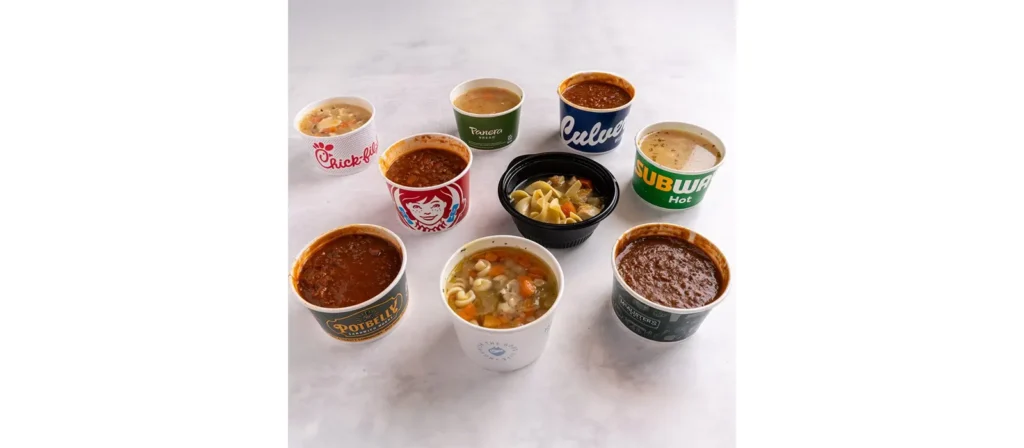
Soup bowls (US fast-casual) — soy ink on kraft
Fast-casual restaurants in the United States have adopted kraft-based paper bowls for hot soups and broths. These bowls often feature soy ink printing for menus, logos, or cooking instructions. Soy ink performs well on rougher kraft surfaces, providing sharp legibility and resisting bleed even with steamy contents inside the bowl. Consumers appreciate the natural look, and businesses benefit from a cleaner supply chain story.
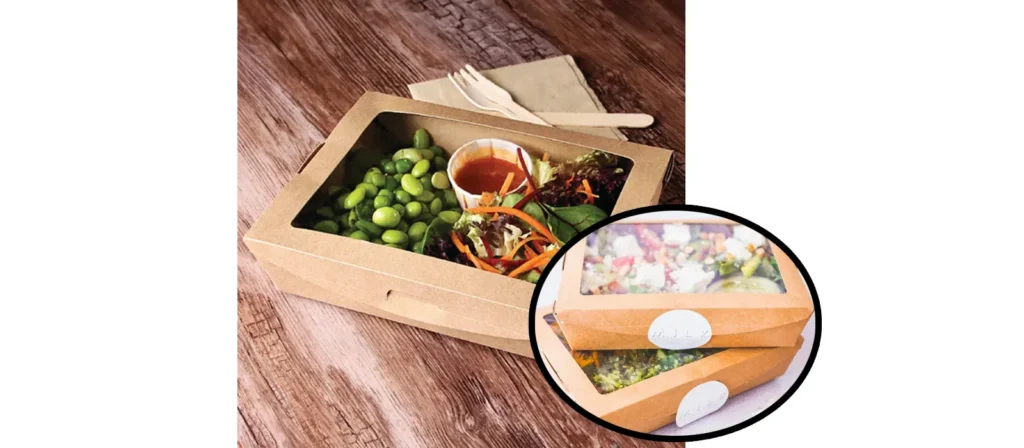
Salad boxes
Salad boxes, typically made from folded kraft paper with clear plant-based windows, are a perfect match for soy ink. The ink adheres well even to folded seams and textured surfaces. Because salads are often eaten cold and handled directly, customers tend to notice the packaging more closely. Clear, smudge-resistant soy ink branding reinforces the product’s fresh and healthy positioning.
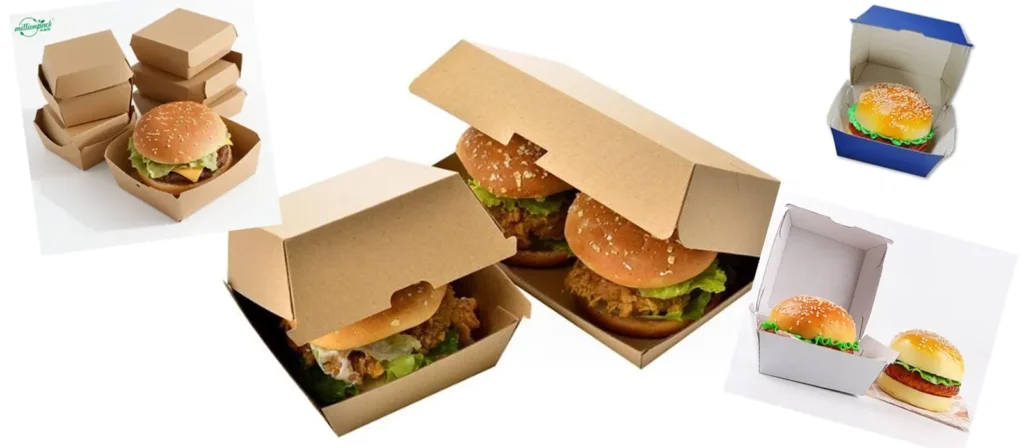
Burger boxes
Burger boxes need strong visual branding to stand out in a crowded market. Soy ink provides rich color contrast against brown kraft or whiteboard packaging. Whether it’s fast-food franchises or boutique burger joints, soy ink helps create a high-impact brand presence while meeting sustainability requirements. It also holds up well under greasy or high-moisture conditions, especially when combined with oil-resistant coatings.
French Fries Packaging
French fries packaging, such as open-top sleeves or cartons, is often exposed to high temperatures, oil, and constant handling. These conditions can easily cause traditional ink to smudge, fade, or leach into the packaging surface. Soy ink offers a more stable alternative. Specially formulated for food service use, it adheres well to both coated and uncoated paperboard and resists oil penetration. This helps maintain sharp, legible branding throughout the customer experience, even after prolonged contact with hot, greasy food. For fast-food chains aiming to reduce petroleum-based chemicals in high-turnover packaging, soy ink provides a safer, more reliable option without compromising visual impact.

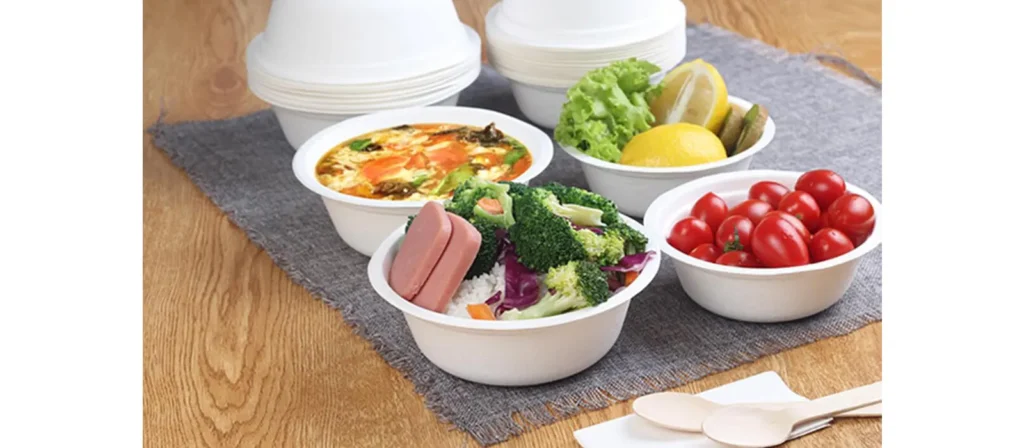
Bagasse bowls
Bagasse, a byproduct of sugarcane processing, is now widely used for compostable food containers. Since the surface is porous and naturally off-white, minimal soy ink printing is usually preferred to maintain compostability. Logos or product labels are often printed in a single-color soy-based ink to meet both branding and environmental goals without compromising breakdown in waste processing.
Paper bags — soy ink scuff-resistant logos
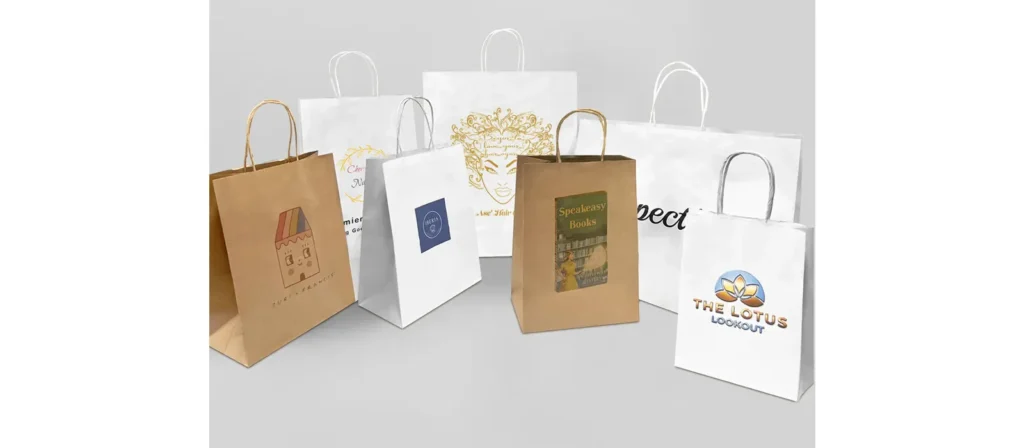
Paper takeaway bags are one of the most commonly used packaging items in food delivery. They are handled frequently, folded, and stacked, meaning printed elements are prone to wear. Soy ink used on these bags is typically designed to be scuff-resistant, maintaining logo visibility even after transport. This durability, combined with its environmental advantages, makes it ideal for branding paper bags in high-volume food service environments.
Conclusion
From its renewable soybean oil base to its lower toxicity and cleaner breakdown in landfill or incineration environments, soy ink supports a packaging lifecycle that aligns with modern environmental standards. Its compatibility with recycling and composting systems further enhances its value, helping brands close the loop on single-use packaging waste.
More importantly, soy ink is already proving its reliability in the real world, from coffee cups and burger boxes to salad containers and French fries packaging. It meets the demanding conditions of takeaway service without compromising on performance or presentation. For businesses aiming to reduce environmental impact while maintaining a strong, responsible brand image, soy ink is not just a nice-to-have. It is a smart, scalable step forward.
In short, soy ink is safer, greener, and ready for everyday use in takeaway packaging. It is one of those rare innovations that work behind the scenes, quietly helping businesses make packaging that delivers on quality, safety, and sustainability all at once.