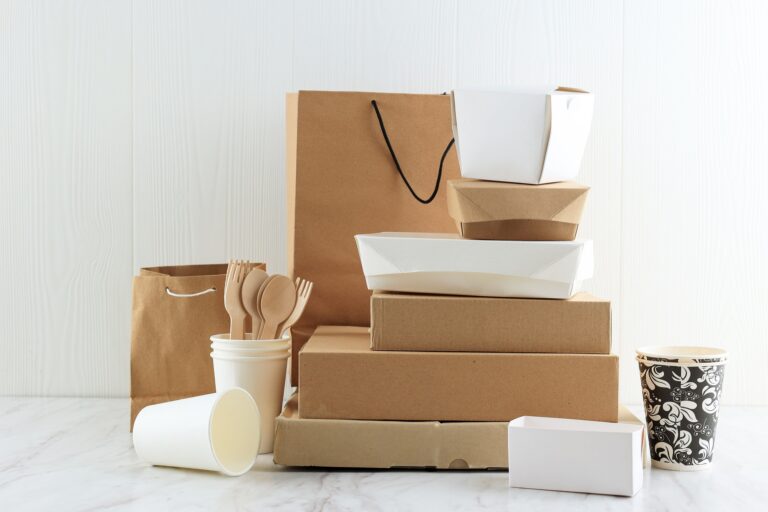
Sustainable packaging refers to the use of materials and design strategies that reduce environmental impact throughout a product’s lifecycle. It prioritizes renewability, recyclability, biodegradability, and efficient resource use while maintaining product protection and usability.
Sustainable packaging has become a familiar phrase, but familiarity has not brought clarity. Businesses hear pressure from customers, retailers, and regulators, yet the guidance is fragmented. One source says switch materials, another says redesign systems, while real-world constraints like cost, food safety, and waste infrastructure are rarely addressed together. The result is hesitation, confusion, and decisions delayed not by lack of intent, but by lack of certainty.
That uncertainty carries its own risk. Packaging choices made without a full understanding of tradeoffs can lead to higher costs, failed performance, or accusations of greenwashing. A package that claims sustainability but cannot be recycled locally, or compromises shelf life, creates problems instead of solving them. For many businesses, the fear of choosing wrong now outweighs the pressure to change at all.
This is where a more grounded approach matters. Sustainable packaging works best when viewed as a series of practical decisions rather than a single transformation. Understanding core principles, material realities, and system limits allows businesses to reduce risk while moving forward deliberately. The goal is not perfection, but alignment between packaging, infrastructure, and long-term business stability.
Definition and Core Principles of Sustainable Packaging
Sustainable packaging is a comprehensive approach to designing, producing, and distributing packaging materials with minimal environmental impact. Unlike traditional packaging that often relies on non-renewable resources like petroleum-based plastics, sustainable packaging focuses on resource efficiency, environmental compatibility, and end-of-life recoverability.
Sustainable packaging is often treated as if it were a label you can simply apply. In reality, it is more like a boundary. You step inside it only when certain conditions are met. Miss one, and the whole idea starts to wobble.
At a basic level, sustainable packaging tries to answer a simple but uncomfortable question: what happens to this package after it has done its job? Not in theory. Not on a brand slide. In the real world, with real waste systems, real costs, and a very imperfect recycling infrastructure.
That is why sustainable packaging is not defined by a single material or certification. It is defined by a set of principles that work together, sometimes in tension with one another. When one principle is pushed too far, another usually pushes back.
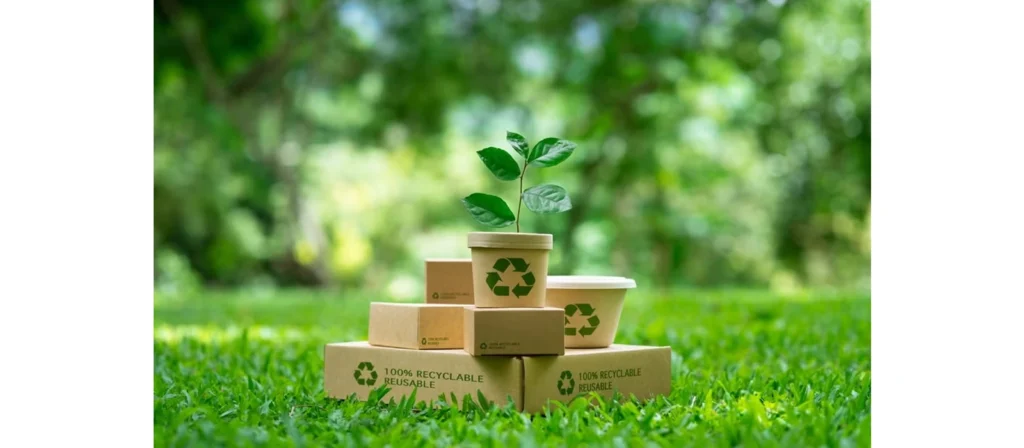
Core Principles of Sustainable Packaging
- Resource Efficiency
Sustainable packaging aims to minimize the use of raw materials by optimizing design and utilizing lightweight, durable structures. This reduces not only material consumption but also transportation-related emissions and energy costs. - Renewable and Recycled Content
Materials used in sustainable packaging typically include renewable resources such as paper, bamboo, or sugarcane, and high-recycled-content components like post-consumer recycled paperboard or plastic. By reducing reliance on virgin materials, the environmental footprint of the packaging is significantly decreased. - Recyclability and Compostability
A hallmark of sustainable packaging is its ability to either be recycled back into the production cycle or composted under industrial or home composting conditions. This helps prevent landfill accumulation and supports circular economy models. However, not all compostable materials are recyclable, and vice versa—making material selection crucial for effective disposal. - Toxic-Free Composition
Sustainable packaging avoids the use of harmful inks, adhesives, and coatings that can contaminate recycling streams or pose risks to human health. Food-grade, water-based, or soy-based inks are now widely preferred in sustainable packaging design. - Design for Lifecycle Thinking
Rather than evaluating environmental impact at a single point, sustainable packaging considers the entire lifecycle, from raw material sourcing to manufacturing, distribution, use, and disposal. This cradle-to-cradle mindset encourages continuous improvement and accountability.
Importantly, sustainable packaging doesn’t compromise on functionality. It must protect the product, provide barrier properties when needed, and meet regulatory and safety standards. When executed effectively, it aligns ecological responsibility with logistical practicality.
International organizations like the Sustainable Packaging Coalition (SPC) and ISO provide detailed frameworks for defining and measuring packaging sustainability, ensuring a standardized approach across global markets.
As the packaging industry continues to evolve, sustainable packaging is increasingly becoming a trend, and more importantly, it represents a fundamental shift towards responsible production and supply chain management practices. Today, the principles of sustainable packaging are integrated into various product lines, industries, and regions, signifying a systemic transformation in how people perceive and produce packaging.

Key Materials Used in Sustainable Packaging Solutions
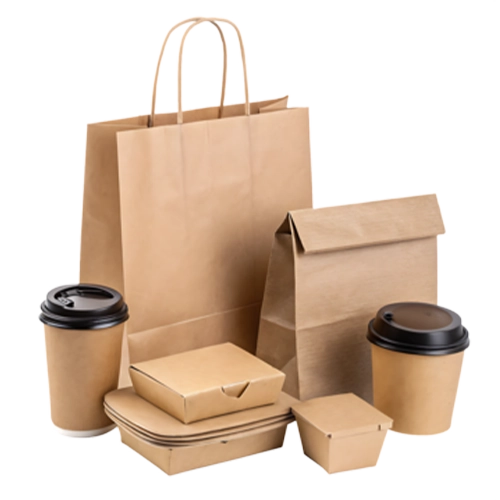
Sustainable packaging solutions depend heavily on the selection of eco-friendly materials that align with environmental and performance goals. These materials are chosen not only for their low ecological footprint but also for their functionality, durability, and compliance with food safety and transportation regulations.
Here are the primary categories of materials commonly used in sustainable packaging:
Paper and Cardboard
Paper-based packaging, especially when sourced from responsibly managed forests or recycled paper stock, is one of the most popular forms of sustainable packaging. Paper and cardboard are:
- Biodegradable under natural conditions
- Recyclable through standard municipal systems
- Lightweight and easily printable using non-toxic inks
Kraft paper, corrugated cardboard, and molded fiber are frequently used for packaging food products, electronics, and cosmetics. Additionally, certifications like FSC (Forest Stewardship Council) ensure that the paper comes from sustainable sources.
Bioplastics
Bioplastics are derived from renewable biomass sources such as cornstarch, sugarcane, or potato starch. The most common types used in sustainable packaging include:

PLA (Polylactic Acid): Compostable and transparent, used in cups, containers, and trays
PHA (Polyhydroxyalkanoates): Biodegradable even in marine environments
PBS (Polybutylene Succinate): Stronger and heat-resistant, often blended with other materials
While bioplastics offer reduced dependency on fossil fuels, not all are compostable at home, and some require industrial composting facilities [placeholder link].
Bagasse and Agricultural Waste Fibers
Bioplastics promise a kind of reconciliation between plastic performance and environmental responsibility. Some are made from renewable resources, others are designed to compost under specific conditions. The problem is rarely the chemistry. It is the context.
Many bioplastics require industrial composting facilities that do not exist everywhere. When they end up in conventional recycling streams, they can contaminate batches. When they go to landfill, they behave much like traditional plastics. Bioplastics can be useful, but only when disposal pathways are clearly defined and realistically available.
Mushroom and Seaweed-Based Packaging
These materials attract attention because they feel radically different. Grown rather than manufactured, they challenge the idea that packaging must be industrial. Mushroom-based packaging can replace protective foams, while seaweed-based films offer alternatives for certain flexible uses.
The challenge is not concept, but maturity. Production scale, cost stability, and performance consistency are still evolving. These materials often work best as targeted solutions rather than mainstream replacements, at least for now.
Recycled Plastics (rPET, rHDPE)
Recycled plastics sit in an uncomfortable middle ground. They are still plastic, yet they reduce the need for virgin material and keep waste in circulation longer. For many applications, especially where durability and safety are non-negotiable, recycled plastics remain one of the most practical options available.
Their sustainability depends heavily on collection quality and recycling rates. Contamination, color limitations, and supply fluctuations can all affect performance. Recycled plastics are not a perfect answer, but in many real-world scenarios, they are a workable one.
Why Use Sustainable Packaging?
The decision to use sustainable packaging is rarely driven by a single reason. It usually comes from a mix of pressure, opportunity, and a quiet sense that old choices no longer hold up the way they used to. For most businesses, the shift is less about making a statement and more about staying aligned with a changing landscape.
Environmental Benefits
This is often where the conversation starts, but it is not where it should end. Sustainable packaging can reduce waste, lower carbon impact, and slow resource depletion. Those benefits matter. Still, they only become meaningful when they translate into measurable outcomes rather than abstract intentions.
Reducing material use, increasing recyclability, or extending reuse cycles often does more than switching to a trend-driven material. The environmental gain tends to come from design restraint rather than material novelty.
📊 From a business angle, this reads as risk reduction:
- Lower exposure to future carbon pricing and waste-related taxes
- Less dependence on volatile virgin material markets
- Stronger alignment with climate targets already pushed by investors and large retailers
Brand Reputation and Trust
Packaging is one of the few brand touchpoints every customer encounters. When sustainability claims feel grounded and transparent, they reinforce trust. When they feel exaggerated or unclear, they create skepticism. Consumers are increasingly comfortable questioning labels and symbols. They notice when instructions do not match reality. Brands that treat sustainable packaging as a communication tool rather than a performance choice often lose credibility faster than they gain attention.
Versatile Use
Sustainable packaging is no longer confined to niche products or premium categories. It has moved into everyday applications, from food service to retail to logistics. This versatility makes it easier for businesses to adopt changes incrementally instead of all at once. That flexibility matters. It allows companies to test, adjust, and scale without locking themselves into fragile systems. Sustainable solutions that cannot adapt tend to disappear quietly.
Long-Term Business Resilience
Regulations change. Material costs fluctuate. Consumer expectations shift. Sustainable packaging helps buffer against some of that uncertainty. Designs that use fewer materials, rely on recycled inputs, or fit existing waste systems tend to age better over time. Resilience rarely looks dramatic. It shows up when supply chains tighten or rules change and a packaging choice does not suddenly become a liability.
Contribution to a Circular Economy
The circular economy is often described in sweeping terms, but its practical impact is simple. Materials are kept in use longer, waste is treated as a resource, and disposal becomes a last option rather than the default. Sustainable packaging supports this model when it is designed with recovery in mind. Not every package needs to be circular on its own, but it should not actively work against the system it enters.
For a business, contributing to this shift is partly about responsibility and partly about self-interest. A functioning circular system makes it easier and cheaper to source recycled content, comply with regulations, and show progress against climate and waste targets.
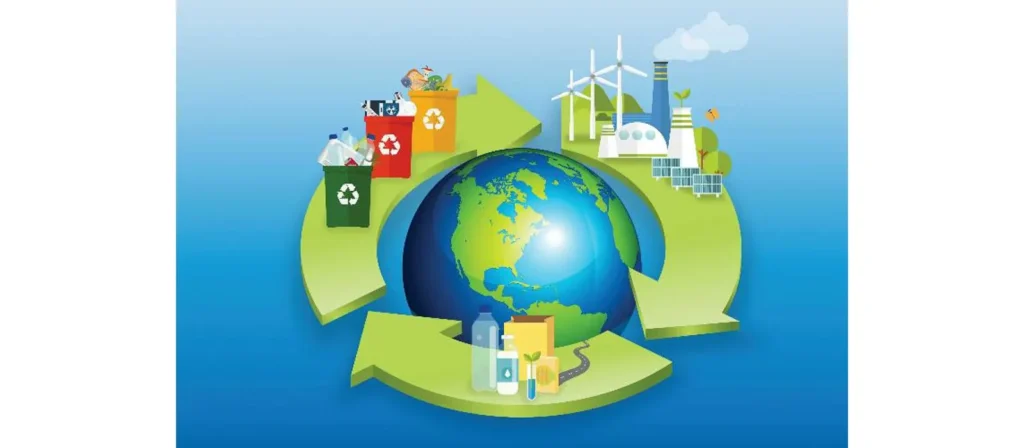
Ignoring it means operating in a world where waste costs keep climbing, regulatory pressure tightens, and customers grow more impatient with “single-use everything.”
Sustainable packaging is not the whole circular economy, but it is one of the most visible and direct ways a business steps into that direction.
Traditional vs Sustainable Food Packaging
Food packaging is where sustainability claims face their hardest test. Safety, shelf life, and cost are not flexible requirements. Because of that, the difference between traditional and sustainable food packaging is rarely as clear as marketing language suggests.
This comparison is not about replacing one system with another overnight. It is about understanding how each approach performs under real conditions, where protection, logistics, and disposal all matter at the same time.
| Dimension | Traditional Food Packaging | Sustainable Food Packaging |
|---|---|---|
| Material Source | Primarily virgin plastics and multilayer composites | Recycled materials, renewable fibers, alternative substrates |
| Food Protection | Strong barriers and long shelf life | Effective protection when properly designed, sometimes shorter shelf life |
| End-of-Life Outcome | Frequently landfilled or incinerated | Designed for recycling, composting, or reuse depending on the system |
| Infrastructure Compatibility | Fully aligned with existing waste systems | Highly dependent on local recycling or composting availability |
| Cost Predictability | Stable and scalable in most markets | Can vary due to material supply and processing limits |
| Environmental Impact | High resource extraction and long persistence | Lower impact when disposal pathways function as intended |
| Labeling Requirements | Simple, often minimal | Requires clear and accurate disposal instructions |
| Key Risks | Environmental burden and regulatory pressure | Misuse, greenwashing, or system mismatch |
This comparison does not point to a universal winner. It shows where tradeoffs appear and why food packaging sustainability depends as much on systems and behavior as on materials.
Sustainable Packaging Development Trends
Trends in sustainable packaging tend to sound optimistic. New materials, smarter systems, cleaner futures. Some of that optimism is justified. Some of it is borrowed from concepts that are not ready to carry real volume yet. The useful question is not what is emerging, but what is actually sticking.
One clear direction is simplification. Many newer packaging designs focus less on replacing materials and more on using fewer of them. Reducing layers, eliminating unnecessary coatings, and designing for easier separation often delivers faster environmental gains than introducing unfamiliar substrates. This trend is quiet, but it shows up consistently in successful packaging transitions.
Another shift is designing for existing systems rather than ideal ones. Early sustainable packaging assumed that waste infrastructure would adapt. More recent approaches work the other way around. Packaging is increasingly shaped to fit current recycling and collection realities, even if that means choosing imperfect but compatible materials. Practical alignment has started to matter more than theoretical purity.
Finally, reuse and refill models are evolving from experiments into structured systems. Where logistics, incentives, and user behavior align, these models begin to show stability. Where they do not, they quietly retreat. The trend here is not universal adoption, but a clearer understanding of where reuse actually works.
Taken together, these developments suggest that sustainable packaging is becoming less about bold promises and more about disciplined choices. The future seems less flashy than expected, but more grounded.
Conclusion
Sustainable packaging does not arrive as a finished solution. It takes shape through decisions that feel small on their own but add up over time. A lighter material here, a clearer label there, a design that works with the system instead of against it. None of these moves is dramatic, yet together they change how packaging behaves in the real world.
For businesses, sustainable packaging is not a destination. It is an ongoing adjustment to constraints that keep shifting. Regulations tighten, infrastructure evolves unevenly, and expectations change faster than materials do. The companies that handle this well are usually the ones willing to reassess their packaging quietly and often, without waiting for a headline-worthy breakthrough.
In that sense, sustainable packaging is no longer a trend to follow. It is a working condition. One that rewards clarity, restraint, and an honest understanding of tradeoffs.