
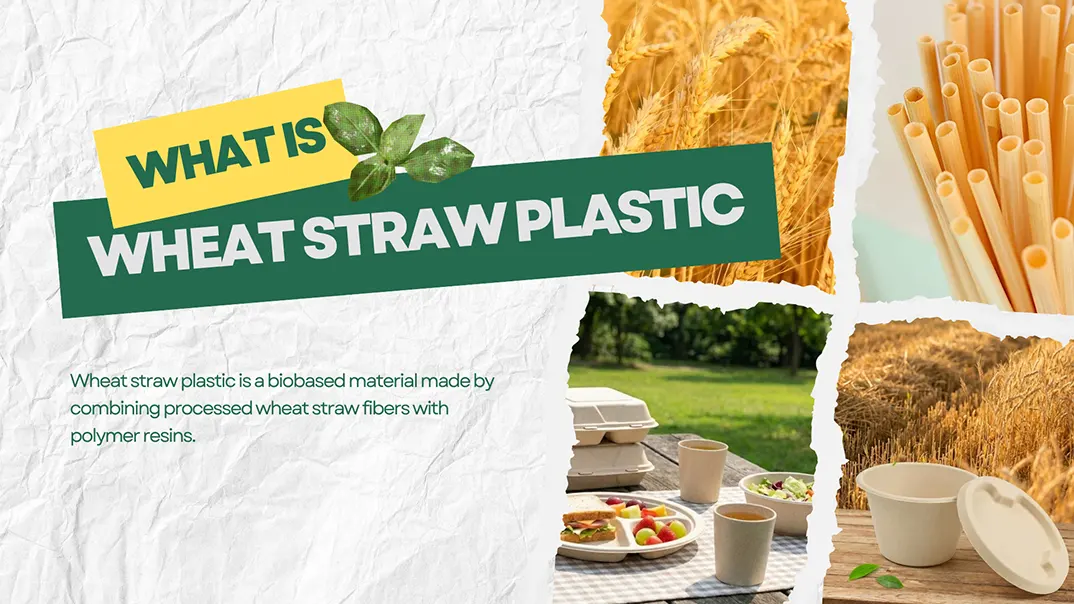
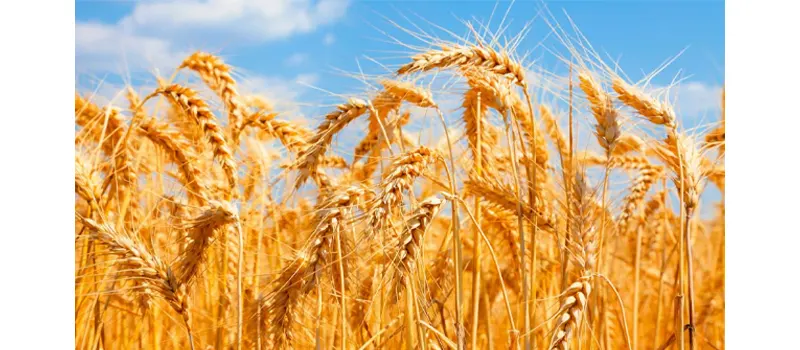
Wheat straw plastic is a biobased material made by combining processed wheat straw fibers with polymer resins. These stalks, normally discarded or burned, are processed into a durable material that can replace traditional plastic in many products.
Traditional plastic pollution is a growing global problem. Most conventional plastics are made from petroleum and can take hundreds of years to break down. This leads to overflowing landfills, ocean waste, and serious environmental damage. People and companies are actively searching for alternatives that are safer for the planet.
That’s where wheat straw plastic comes in. It’s renewable, biodegradable under certain conditions, and can be molded into everyday products like plates, cups, or packaging. It feels similar to regular plastic but comes with a significantly lower environmental impact.
In the sections below, we’ll dive deeper into the production process, environmental impact, and practical uses of wheat straw plastic.
How is Wheat Straw Plastic Made?
Wheat straw plastic is created through a process that turns leftover wheat stalks into usable plant fiber and then blends those fibers with compatible polymer resins. The goal is to reduce the amount of virgin fossil based plastic by replacing part of the material with natural agricultural by products. While the exact formula can vary among manufacturers, the overall production process follows several key steps that ensure strength, stability, and safe performance for daily use products.

1. Collecting and Preparing the Wheat Straw
The process begins with wheat straw that remains after grain harvesting. The stalks are cleaned to remove soil and debris, then dried to stabilize moisture levels. Once prepared, the straw is chopped into smaller pieces and ground into fine fibers or powder. Reducing the size of the straw increases its surface area, which helps the plant fibers bond more effectively with plastic resins during compounding.
2. Refining and Treating the Plant Fibers
After grinding, the wheat straw fibers are refined to improve purity and performance. They are sifted to remove oversized particles and any remaining impurities. Some manufacturers apply treatments such as steam sterilization or surface conditioning to enhance bonding with polymers. These steps help create a consistent and smooth composite while supporting stability and strength in the final product.
3. Compounding Wheat Straw with Polymer Resins
The refined fibers are combined with plastic resins in a heated compounding machine. Common resin choices include food grade polypropylene or suitable biodegradable polymers, depending on the purpose of the final product. Under controlled heat and mixing, the materials blend into a uniform composite. Colorants and functional additives may be added to enhance durability or achieve specific visual qualities.
4. Molding the Final Products
Once the composite material is ready, it is shaped into practical items through injection molding or thermoforming. These methods allow the material to form cups, bowls, containers, plates, utensils, and other products. After cooling, each item is trimmed, inspected, and prepared for packaging. This stage ensures that the finished products meet quality and safety standards while showcasing the smooth and natural appearance that wheat straw plastic is known for.
Pros and Cons of Wheat Straw Plastic
As consumers and manufacturers seek sustainable alternatives to petroleum-based plastics, wheat straw plastic has emerged as a promising option. However, like any material, it comes with both advantages and limitations. Understanding these can help you decide whether it fits your product, lifestyle, or business needs.

Benefits of Wheat Straw Plastic
1. Environmentally friendly
Wheat straw plastic repurposes agricultural waste that would otherwise be discarded or burned, reducing air pollution and landfill use. It promotes a circular economy by giving wheat byproducts a second life.
2. Biodegradable and compostable
Many wheat straw plastic products can break down naturally in composting conditions, unlike conventional plastics that may persist for hundreds of years. This makes them a popular choice for single-use items in eco-conscious industries.
3. Lightweight and durable
Despite being plant-based, wheat straw plastic is surprisingly strong and heat-resistant. It holds up well for food containers, tableware, and other daily-use items, offering a good balance between sturdiness and weight.
4. Safe for food contact
Wheat straw plastic is generally BPA-free and often manufactured without harmful chemicals, making it suitable for food-related products like cups, plates, and cutlery.
5. Versatile in design
The material is easy to mold, color, and shape, which allows for stylish, practical, and customizable product designs. Many consumers appreciate its natural, speckled look and matte finish.
Drawbacks of Wheat Straw Plastic
1. Limited industrial standards
Compared to traditional plastics, wheat straw plastic lacks consistent global certification standards. This can make it harder to evaluate product safety, performance, or recyclability across markets.
2. Heat and pressure sensitivity
Although durable under normal use, wheat straw plastic may deform or degrade under high heat or pressure, making it less ideal for applications that require extreme temperature resistance.
3. Higher cost than conventional plastics
The cost of producing wheat straw plastic can be higher, especially at smaller scales. This might be a barrier for businesses looking for low-cost solutions unless balanced by environmental goals or consumer demand.
4. Not suitable for all recycling systems
In many regions, recycling facilities are not yet equipped to handle wheat straw composites, meaning products may end up in general waste unless specifically composted.
Popular Applications of Wheat Straw Plastic for Packaging
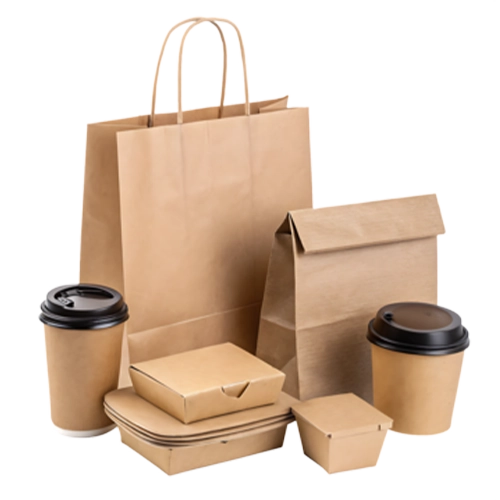
Wheat straw plastic has become widely used across many industries because it offers a balance of sustainability, durability, and visual appeal. Its composite structure makes it suitable for both reusable and disposable items, especially those designed for everyday use.

Takeout Food Containers
Wheat straw plastic is widely used to produce takeout boxes, compartment containers, and lunch boxes. These containers hold a variety of meals such as rice dishes, salads, sandwiches, noodles, and warm snacks. The material offers smooth surfaces and secure lid options that help prevent leaks and protect food during delivery. Restaurants choose these containers to improve sustainability while maintaining a clean and professional presentation.
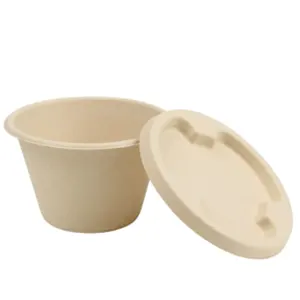
Soup Bowls and Lidded Containers
Many food businesses use wheat straw plastic bowls for salads, pasta, grain bowls, desserts, and light soups. The bowls are available with matching lids that seal well for transport. Their natural speckled look supports eco-friendly branding and enhances the dining experience for customers who prefer sustainable packaging choices.
Cups and Beverage Containers
Smoothie shops, cafes, and bakeries often adopt wheat straw plastic cups for cold beverages, fruit teas, milk drinks, and specialty coffees. These cups are lightweight and comfortable to hold. With proper lid design, they work well for both takeaway and dine-in service. Although not suitable for very hot drinks, they perform reliably for cold and room temperature beverages.
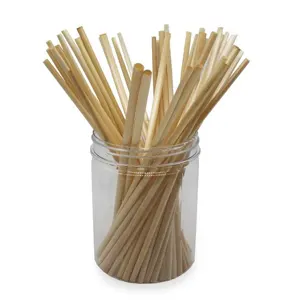
Cutlery, Stirrers, and On-the-Go Accessories
Wheat straw, plastic cutlery, and accessory items such as forks, spoons, knives, tea stirrers, and mini salad tongs are commonly used in takeout and catering packaging. Their firm structure and smooth finish make them suitable replacements for single-use plastic utensils. Food businesses appreciate that these items align with environmental messaging without compromising functionality.
Wheat Straw Vs Plastic
Wheat straw plastic is often seen as a greener alternative to traditional plastic, but what are the actual differences? To help you make an informed choice, here’s a comparison that breaks down how these two materials differ in key aspects like sustainability, safety, and functionality.
| Aspect | Wheat Straw Plastic | Traditional Plastic |
|---|---|---|
| Source Material | Made from agricultural waste (wheat stalks) | Made from non-renewable fossil fuels |
| Biodegradability | Biodegradable under certain conditions (e.g., industrial composting) | Not biodegradable; takes hundreds of years to break down |
| Toxicity | Generally non-toxic and BPA-free | May contain harmful additives like BPA or phthalates |
| Recyclability | Limited; not always accepted in standard recycling systems | Widely recyclable, but varies by type (e.g., PET, HDPE) |
| Durability | Durable for everyday use but sensitive to high heat | Highly durable; resistant to heat and chemicals |
| Carbon Footprint | Lower energy required for production | Higher energy use and emissions during production |
| End-of-Life Impact | Breaks down into organic matter if composted properly | Contributes to long-term landfill and ocean pollution |
| Cost | Often slightly more expensive due to lower production scale | Usually cheaper due to mass production and infrastructure |
Things to Consider When Using Wheat Straw Plastic for Takeout Packaging
Wheat straw plastic is widely used in the takeout and delivery industry because it combines a natural look with reliable performance. However, food businesses need to understand several important factors before fully adopting this material. These considerations help ensure that the packaging meets safety requirements, protects food quality, and aligns with sustainability goals.

Heat Tolerance and Food Temperature
Wheat straw plastic has moderate heat resistance. It works well with warm and room temperature foods, but very hot dishes may cause softening or deformation. Businesses that serve soups, steaming rice, or high-temperature meals should test containers in real conditions to confirm they remain stable and safe to handle.
Microwave and Dishwasher Suitability
Not all wheat straw plastic products are microwave safe. Some can warp or change shape when exposed to strong heat. Similarly, dishwashers with high heat settings may affect product stability. It is important to check manufacturer instructions and choose certified microwave and top rack dishwasher safe options if needed.
Leak Resistance for Sauces and Liquids
Takeout food often contains sauces, oils, or dressings. Wheat straw plastic containers vary in their ability to prevent leaks. Containers with tight-fitting lids and reinforced edges are better suited for liquid-based dishes. Food businesses should select containers designed specifically for secure transport.
Stacking Strength for Delivery Handling
Delivery services require packaging that can withstand stacking, movement, and pressure during transport. Thicker wheat straw plastic containers offer improved rigidity and reduce the risk of crushing. This is especially important for multi-item orders or meals carried in large delivery bags.
Compatibility with Branding and Labels
Restaurants often add labels, stickers, or branded sleeves to their packaging. Wheat straw plastic has a slightly textured surface that may affect how labels adhere. Testing different labeling materials helps ensure that branding stays in place throughout the delivery process.
Storage Conditions and Shelf Life
Wheat straw plastic should be stored in cool and dry conditions to maintain its quality. Humid environments may affect the structural integrity over time. Businesses that keep large inventory volumes need to maintain proper storage standards to preserve performance.
Waste Management and Customer Education
Although wheat straw plastic contains plant fiber, it is not fully biodegradable unless paired with specific biodegradable resins. It cannot be recycled with pure plastics and is often disposed of with general waste. Restaurants should provide simple instructions to customers so they understand how to handle the packaging after use.
Cost and Supply Availability
Wheat straw plastic is slightly more expensive than traditional plastic containers, but it is still affordable for eco-conscious restaurants. Supply availability may vary by region. It is wise for businesses to maintain reliable supplier partnerships to ensure stable stock during high order periods.
Market Trends for Wheat Straw Plastic
The market for wheat straw plastic continues to expand as global demand for sustainable packaging and environmentally responsible materials increases. Businesses in food service, retail, and consumer goods are actively exploring plant based alternatives to reduce the use of traditional plastic. Several key trends are shaping the growth and direction of wheat straw plastic in today’s market.
Rising Demand for Sustainable Food Packaging
The strongest growth comes from the food service and takeaway industry. Restaurants, cafes, bakeries, and meal delivery brands are adopting wheat straw plastic containers, bowls, and cutlery to meet customer expectations for cleaner and greener packaging. This demand is driven by increasing awareness of plastic waste and a preference for packaging that includes natural materials. Wheat straw plastic provides a smooth transition for businesses that want to reduce plastic consumption without sacrificing performance.
Expansion of Plant Based Materials in Retail Channels
Retailers now offer a broader range of wheat straw plastic products, including reusable storage boxes, tableware, snack containers, and household organizers. These items fit well with the current consumer interest in plant based materials and soft natural color palettes. Major retail chains have begun introducing wheat straw plastic products as part of their sustainable home and kitchen collections, increasing visibility and mainstream acceptance.
Support from Government Policies and Corporate Sustainability Goals
Governments in many regions are encouraging the reduction of single use plastics through taxes, restrictions, or public sustainability initiatives. At the same time, companies have adopted internal goals focused on lowering carbon emissions and increasing renewable content in packaging. Wheat straw plastic aligns with these goals by incorporating agricultural waste and reducing reliance on virgin fossil based materials. As a result, businesses view wheat straw plastic as a practical step toward meeting environmental commitments.
Improved Manufacturing Technology and Material Quality
Advances in fiber processing and compounding have made wheat straw plastic stronger, smoother, and more consistent. Manufacturers can now create containers with better durability, higher clarity, and improved heat resistance. These improvements allow the material to enter new markets and replace traditional plastics in more demanding applications.
FAQs
- Does Wheat Straw Contain Plastic?
Wheat straw itself does not contain plastic, but wheat straw plastic may be blended with biodegradable polymers or small amounts of traditional plastic for durability. Always check the product label for exact composition. - Is Wheat Straw Plastic Safe?
Yes, wheat straw plastic is generally considered safe. It’s typically BPA-free, non-toxic, and food-grade, making it suitable for everyday use in tableware, packaging, and containers. - Can I Microwave or Heat Wheat Straw Plastic Containers?
Many wheat straw plastic containers are microwave-safe on low to medium heat, but avoid high temperatures or extended heating. Always follow the manufacturer’s instructions to prevent warping or damage. - Does Wheat Straw Plastic Have a Smell or Texture?
Wheat straw plastic has a smooth matte finish and a natural, slightly speckled look. It doesn’t usually have any odor and feels similar to conventional plastic with a softer touch.
Conclusion
Wheat straw plastic represents a promising step toward more sustainable materials in everyday life. By repurposing agricultural waste into functional bioplastic products, it reduces dependence on fossil fuels and offers an eco-friendlier alternative to traditional plastic. Whether used in food packaging, cutlery, household goods, or office supplies, wheat straw plastic balances environmental benefits with practical usability.
As more consumers and businesses seek out greener solutions, wheat straw plastic is becoming a go-to material across industries. Whether you’re switching to eco-friendly takeout packaging or simply curious about plant-based plastics, understanding their benefits and drawbacks will help you make informed, sustainable choices. Small changes in material choices can lead to big wins for the planet.