Plastic straws perform better in durability, cost, and drinkability. Paper straws are easier to position as a plastic-free option and create less persistent litter, but they cost more and perform worse in long drinks.
The sections below compare their performance, environmental impact, cost, and suitability for different drinks.
Material Composition: Paper Straws Vs Plastic Straws
Paper straws and plastic straws use different raw materials, which affects their durability, cost, disposal, and environmental impact.
Paper Straws:
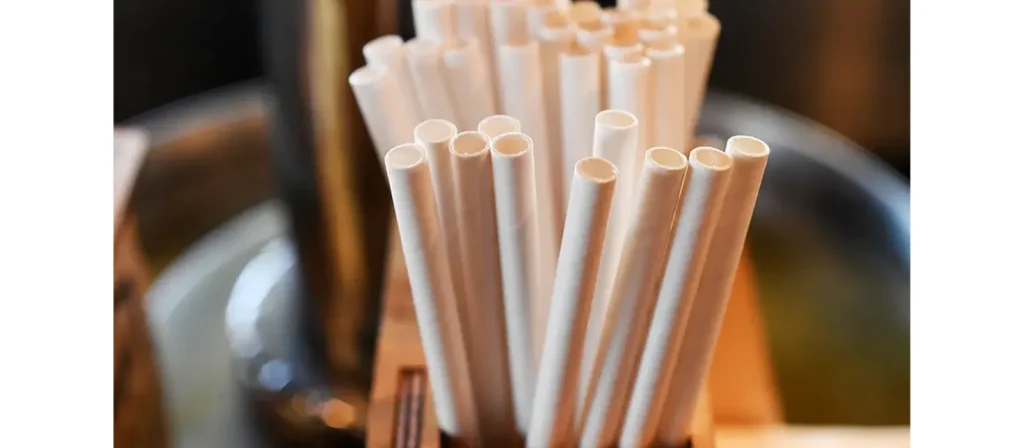
Paper straws are primarily made from layers of food-grade paper, often derived from sustainably sourced wood pulp or recycled paper materials. To ensure they hold their shape during use, multiple sheets of this paper are tightly wound into a cylindrical shape using non-toxic, water-based adhesives. This bonding process is carefully regulated to meet food safety standards while maintaining biodegradability.
To improve resistance to liquids, some paper straws are coated with a thin layer of natural wax or a biodegradable liner. These coatings are designed to delay disintegration without compromising the eco-friendly profile of the straw.
Plastic Straws:
Plastic straws are usually made from polypropylene, a petroleum-based thermoplastic. Polypropylene is lightweight, moisture-resistant, flexible, and inexpensive, which helps the straw maintain its shape in both hot and cold drinks.
During manufacturing, the plastic is melted and formed into thin tubes through extrusion processes, which are then cut into individual straws. Additives such as colorants, UV stabilizers, or plasticizers may be included to enhance appearance and performance. The end result is a highly uniform, lightweight product that offers consistent rigidity and drinkability.
The Environmental Impact: Paper Straws Vs Plastic Straws
The environmental impact of paper and plastic straws depends on how they are produced, used, and disposed of.
1. Biodegradability and Decomposition
Paper straws are biodegradable and compostable. When disposed of properly, they can break down in as little as 2 to 6 weeks under industrial composting conditions or even faster in marine environments. Since they are made from natural fibers, paper straws do not persist in nature and pose minimal long-term environmental risk.
Plastic straws, by contrast, do not biodegrade. Instead, they break down into smaller fragments known as microplastics, which persist in soil and water for hundreds of years. These microplastics can be ingested by marine life and eventually make their way into the food chain, raising concerns for both environmental and human health.
2. Pollution and Marine Impact
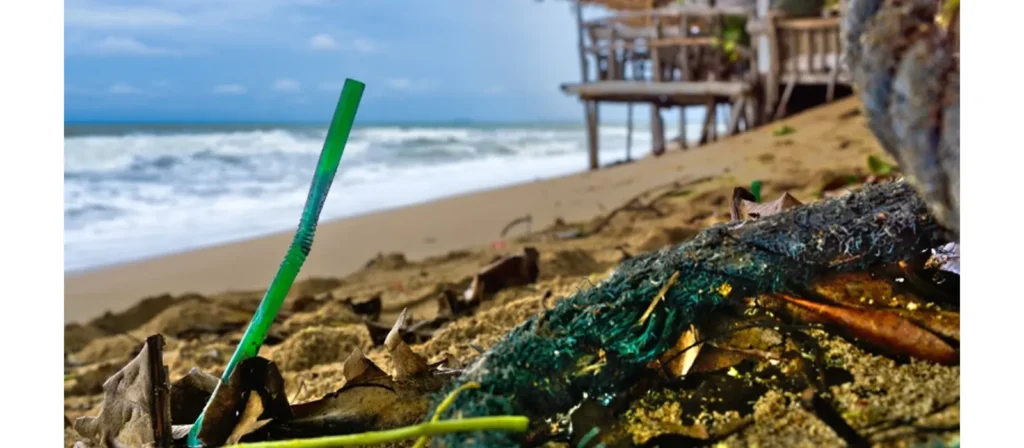
Plastic straws are among the top 10 most common items found in ocean cleanups worldwide. Because they are lightweight, they are easily carried by wind and water, often ending up in waterways and marine ecosystems. Once there, they can entangle marine animals or be mistaken for food by fish, turtles, and seabirds.
While paper straws are less harmful in this regard, they must still be properly disposed of. If coated with plastic or other synthetic finishes, they may take longer to decompose or may not break down completely. However, even in the worst-case scenario, paper straws are far less likely to cause physical harm to wildlife.
3. Carbon Footprint and Energy Use
This is where the comparison becomes more nuanced. The production of paper straws generally requires more energy and water than plastic straw manufacturing. From sourcing trees to pulping, bonding, and drying, the process is resource-intensive. Transporting paper straws can also be less efficient due to their bulk and weight.
On the other hand, plastic straws have a lower initial carbon footprint due to the efficiency of plastic production. But their environmental cost grows significantly after disposal, especially when factoring in long-term waste management, pollution control, and ecological damage.
Ultimately, paper straws may have a slightly higher carbon footprint upfront but offer a dramatically smaller environmental burden in the long run, especially when composted or managed correctly.
4. Waste Management Challenges
Neither product is perfect when it comes to disposal. Plastic straws are rarely recycled, as their small size causes them to slip through sorting machinery. They usually end up in landfills or, worse, the natural environment. Paper straws, while compostable, are often contaminated with food or drink residue, which can disqualify them from recycling streams.
Cost Comparison: Paper Straws Vs Plastic Straws
Cost is often the clearest difference between paper straws and plastic straws. Businesses need to compare unit price, packaging, shipping, storage, and long-term operating costs before choosing between them.
1. Unit Price and Manufacturing Process
Plastic straws are significantly cheaper to produce. They are made from petroleum-based materials like polypropylene, using high-speed automated machinery that allows for mass production with minimal labor. The raw materials are inexpensive, and the manufacturing process is highly efficient, resulting in a very low cost per unit.
Paper straws, on the other hand, involve more complex production. They require food-grade paper, adhesives, and often a water-resistant coating. The paper must be rolled and bonded into multiple layers, which increases both production time and energy usage. As a result, paper straws can cost two to five times more per unit compared to plastic straws, depending on quality and volume.
2. Packaging and Transportation Costs
The structural properties of paper straws lead to additional packaging requirements. They are more fragile and susceptible to damage from moisture and compression. This often means using protective, moisture-resistant packaging and increasing the volume of space needed for transportation. Although individual paper straws may be light in weight, they take up more room in shipping and storage.
Plastic straws are more compact and durable, which allows suppliers to ship larger quantities in smaller packages. This reduces per-unit transportation and storage costs and minimizes waste due to damage in transit.
3. Shelf Life and Storage Conditions
Plastic straws have an extended shelf life. They are not affected by temperature or humidity and can be stored for years without quality loss. This makes them ideal for businesses that order in bulk and need long-term storage solutions.
Paper straws are more sensitive to storage conditions. Exposure to humidity or fluctuating temperatures can weaken their structure before use. Businesses must ensure dry, climate-controlled storage environments, which may require additional infrastructure or handling precautions.
4. Regulatory Pressure and Hidden Costs
Although plastic straws are cheaper upfront, many countries and regions now have bans or taxes targeting single-use plastics. Failing to comply with these regulations can lead to fines, operational disruptions, or reputational damage. Businesses may also face last-minute costs when forced to switch materials under time pressure.
Paper straws offer a safer alternative in this regard. They align with most sustainability policies and can be used confidently in markets that are transitioning away from plastic. While they are more expensive, their use may protect businesses from future legal or financial risks.
5. Brand Value and Consumer Expectations
There is also value in perception. Consumers increasingly prefer brands that demonstrate a commitment to environmental responsibility. Using paper straws can improve a company’s image, attract eco-conscious customers, and enhance trust. In many cases, this perceived value justifies the higher cost and strengthens long-term customer loyalty.
User Experience and Durability: Paper Straws Vs Plastic Straws
User experience depends mainly on comfort, drink performance, and how long the straw keeps its shape.

Paper Straws:
Paper straws feel firmer and slightly rougher than plastic straws. Their performance depends on the paper thickness, number of layers, adhesive, coating, and drink type.
In cold drinks, a well-made paper straw can remain usable for a reasonable period. However, it may soften faster in hot, acidic, or thick beverages. Lower-quality paper straws may also affect taste, become rough at the opening, or lose shape before the drink is finished.
Paper straws are generally suitable for water, juice, soft drinks, and short serving times. Thick drinks such as smoothies and milkshakes require stronger paper straws with a wider diameter and reinforced structure.
Plastic Straws:
Plastic straws provide a smooth mouthfeel and maintain their shape throughout use. They do not absorb liquid, soften, or affect the taste of the drink.
Their flexibility and moisture resistance make them suitable for both short and long drinking periods. They also perform better with thick beverages, frozen drinks, and products that require stirring or repeated use.
Government Regulations and Market Trends
The discussion surrounding paper straws vs plastic straws is influenced by both environmental awareness and government policy. Around the world, regulations restricting single-use plastics have reshaped how businesses in the food and beverage industry operate. At the same time, changing consumer expectations have pushed manufacturers to adopt more sustainable materials. Understanding these legal frameworks and market patterns is essential for companies that plan to grow responsibly and remain competitive in an environmentally conscious marketplace.
Government Regulations
During the past decade, many national and regional governments have enacted policies that target single-use plastics, and straws are often among the first items affected. In the United States, several states including California, New York, and Washington have introduced restrictions or complete bans on plastic straws in restaurants and retail outlets. These policies encourage the use of paper or other compostable alternatives.
The European Union has implemented the Single-Use Plastics Directive, which prohibits the sale of most disposable plastic products, including straws, across all member countries. Australia and Canada have also launched nationwide programs to phase out plastic straws as part of their waste reduction strategies.
Such regulations have set a global standard for sustainability. Businesses are now expected to provide evidence of environmental compliance through certifications such as FSC, BPI, or EN13432. For straw manufacturers, adapting production lines to meet these standards has become essential for maintaining market access and brand reputation. This global shift has accelerated innovation in the paper straw industry, encouraging improvements in strength, coating technology, and overall product quality.
Market Trends
Market data show that consumers are becoming increasingly supportive of eco-friendly products. Modern customers, especially younger generations, prefer to purchase from brands that reflect their environmental values. As a result, paper straws have moved beyond a regulatory requirement and become a positive symbol of corporate responsibility. Businesses that adopt sustainable packaging often enjoy stronger brand loyalty and a better public image.
Manufacturers have responded to this change by developing more advanced paper straw options. These include improved moisture resistance, smoother finishes, and customizable branding features. Industry reports indicate that the global market for paper straws is expected to grow rapidly in the coming years, driven by demand from quick-service restaurants, cafés, and hospitality businesses. At the same time, research continues into new materials such as PLA, PHA, and bamboo that aim to provide the durability of plastic while maintaining full biodegradability.
Overall, market trends reveal a long-term transformation in both production and consumer habits. The move from plastic to paper straws represents a broader cultural shift toward sustainable living and responsible business practices. As environmental standards continue to evolve, companies that embrace these changes will be best positioned for long-term success.
Conclusion
Plastic straws offer lower cost, better durability, smoother drinking, and easier storage. Their main disadvantages are poor recyclability, persistent waste, and increasing restrictions in some markets.
Paper straws create less persistent litter and are more suitable for plastic-free packaging programs. However, they cost more, require dry storage, and may soften during longer use.
Overall, plastic straws perform better, while paper straws are more suitable when plastic reduction or local compliance is the main priority. Million Pack can help businesses choose the right straw material, size, packaging, and customization for their market.