PFAS-free means a product has been manufactured without the use of per- and polyfluoroalkyl substances (PFAS), ensuring that none of these synthetic chemicals are intentionally added or present at detectable levels. It’s a claim that signals the product has avoided a group of substances widely scrutinized for their persistence in the environment and potential health risks.
Today, seeing “PFAS-free” on labels from food packaging and cookware to cosmetics and raincoats has become increasingly common. It reflects both consumer demand for cleaner, safer products and growing pressure from regulations around the world. But not all PFAS-free claims are created equal. Some refer only to the most well-known compounds while others exclude the entire chemical class. That’s why understanding what “PFAS-free” really covers is key when making informed choices.
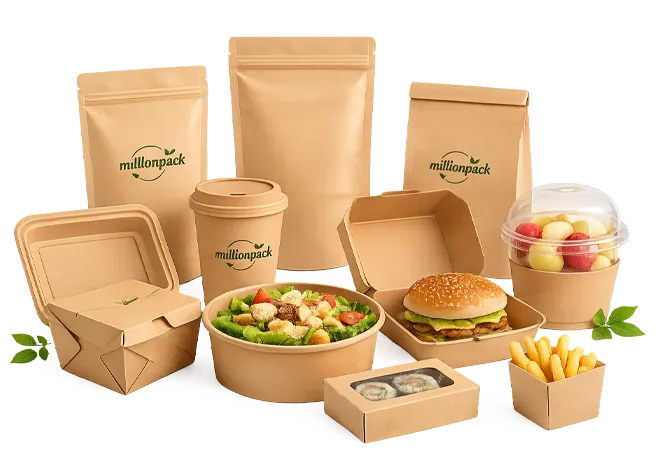
While the term sounds straightforward, the science and standards behind it can get murky. Definitions differ across countries and industries, and testing methods aren’t always transparent. In many cases, PFAS-free means the product has been tested to meet current regulatory thresholds but that doesn’t always mean zero presence.Take food packaging for instance. PFAS-free options often use plain paper wrappers or compostable plant fiber containers instead of the shiny grease resistant packaging commonly treated with fluorinated chemicals.
Understanding PFAS and Their Impact
PFAS, short for per and polyfluoroalkyl substances, refers to a massive class of synthetic chemicals that have been manufactured and used globally since the 1940s. Their popularity comes from their unique resistance to heat, water, grease, and stains. These properties make them incredibly useful across industries, from firefighting foams and stain resistant fabrics to fast food packaging and even dental floss. What makes PFAS particularly concerning is not only their versatility but their persistence. The carbon fluorine bond that defines these chemicals is one of the strongest in organic chemistry, meaning PFAS do not degrade easily in the environment or in the human body.
Because they do not break down, PFAS tend to accumulate over time in natural ecosystems and within living organisms. This persistence allows them to travel far beyond their original point of use. They have been detected in groundwater, rainwater, remote wildlife habitats, and human blood samples around the globe. Their widespread presence has earned PFAS the informal label of forever chemicals and raised serious concerns about the long term implications of ongoing exposure.
Health Impacts of PFAS Exposure
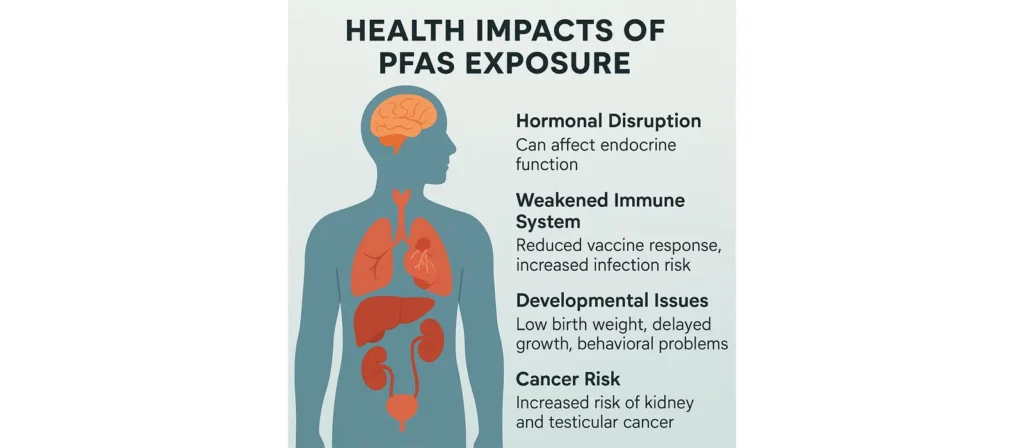
The scientific community has increasingly raised concerns over the health risks associated with PFAS exposure. Although research continues to evolve, decades of studies have created a clear pattern of potential harm. One of the most significant issues is the impact of PFAS on the human hormonal system. These substances can interfere with endocrine function, which may influence metabolism, growth, and reproductive health. Even relatively low levels of exposure can contribute to imbalances that affect overall well being.
📊 Research Shows
Some studies suggest that people with higher PFAS exposure may have reduced responses to vaccines…
Based on findings from Environmental Health (2013), Environmental Health Perspectives (2010), and Obesity Journal (2016).
These risks vary based on factors such as age, health condition, duration of exposure, and the specific type of PFAS involved. Still, the overall findings have prompted health agencies around the world, including the United States Environmental Protection Agency and the European Chemicals Agency, to call for stronger oversight and encourage consumers to limit unnecessary exposure whenever possible. In this context, products labeled PFAS free represent more than a marketing choice. They reflect an important effort to reduce personal risk and support a healthier environment.
Most Common PFAS
PFAS chemicals are widely used in many everyday products, often appearing in unexpected places. These substances are favored for their oil, heat, and moisture resistance, but it is precisely these properties that make them virtually impossible to break down in the environment or the human body. The following are products that may contain PFAS:
Recognizing these sources is the first step in reducing exposure. By being aware of which everyday items are most likely to contain PFAS, you can start making more intentional choices. Opting for PFAS-free products, particularly those that come into contact with your food, drinking water, or skin, can significantly lower the risk of long-term accumulation. While eliminating PFAS entirely may not be realistic, even small changes in what you buy and use can add up over time and contribute to better health and a cleaner environment.
How to Reduce PFA Consumption
Limiting your PFAS exposure often starts with filtering your drinking water, since it is one of the most direct sources of contamination. While PFAS are difficult to remove using standard filters, several technologies have proven effective. Here are three commonly used methods:
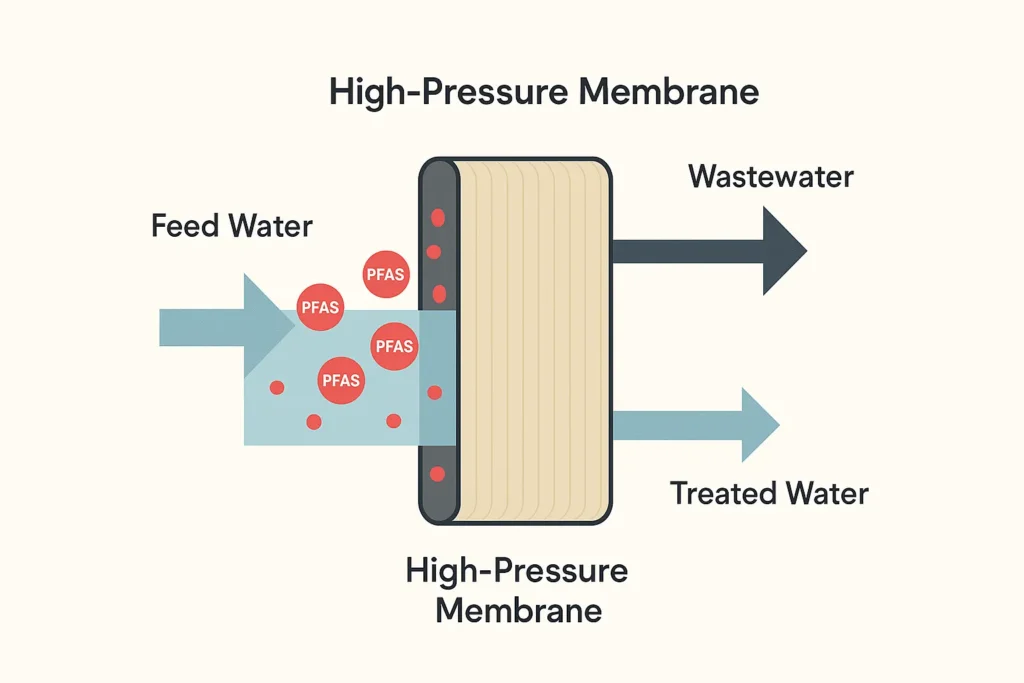
High-Pressure Membranes
High pressure membranes, especially those used in reverse osmosis systems, can remove a large percentage of PFAS from water. These systems work by pushing water through a fine membrane that blocks PFAS molecules. They are highly effective but can be expensive, require strong water pressure, and may produce wastewater.
Activated Carbon
Activated carbon filters work by adsorbing PFAS molecules onto a porous carbon surface. They are widely available, relatively affordable, and used in many household water filter products. While effective for many types of PFAS, their performance depends on water quality and regular filter replacement.
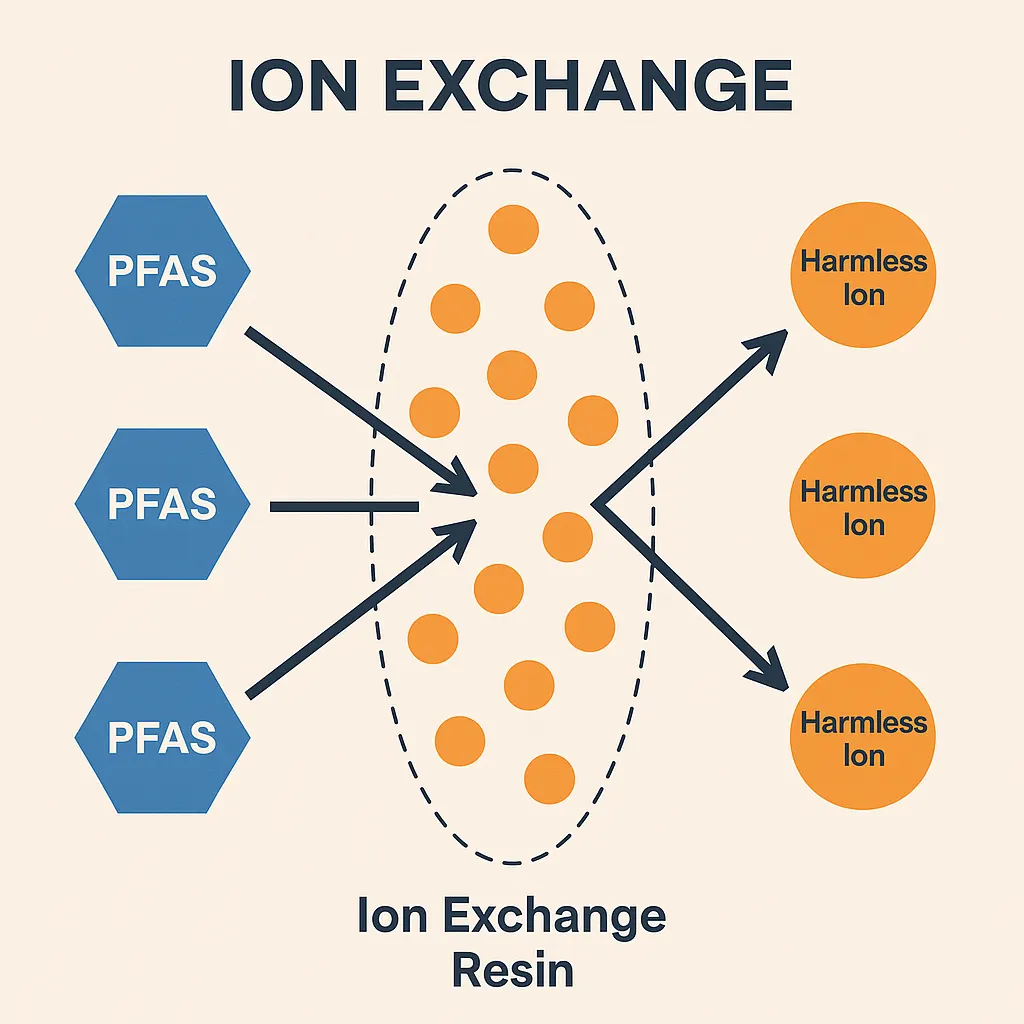
Ion Exchange
Ion exchange systems use special resins that attract and trap PFAS molecules, replacing them with harmless ions. This method is precise and effective even at low PFAS concentrations. Though more costly than basic filters, it is efficient and generates minimal waste.
Exploring PFAS Free Products
As more people ask what is PFAS free and why it matters, the demand for safer alternatives has sparked a wave of innovation across industries. Today, it is easier than ever to find PFAS-free options if you know where to look. Below are some of the most common product categories now offering PFAS-free choices, along with what to consider when making a purchase.
- Fast food wrappers and microwave popcorn bags often contain PFAS to resist grease.
- Compostable takeout containers may still be treated with fluorinated coatings.
- Nonstick pans and bakeware made with Teflon or other fluoropolymers may release PFAS when scratched or overheated.
- Outdoor jackets, carpets, and school uniforms sometimes contain PFAS-based stain or water resistance.
- Waterproof makeup, such as mascara and foundation, can include PFAS for smooth, long-lasting wear.
PFAS Free Cookware
Many consumers are switching from traditional nonstick pans to PFAS-free cookware made from materials like ceramic, cast iron, or stainless steel. These options are free from fluorinated coatings such as Teflon and do not release harmful fumes when overheated. Look for labels that clearly state “PFAS-free” or “free from PTFE and PFOA.”

PFAS Free Food Packaging
PFAS-free food packaging refers to containers, wraps, and serviceware made without the use of fluorinated chemicals. These products are designed to safely hold greasy, wet, or hot food without relying on synthetic coatings. As more consumers learn what is PFAS free and seek safer options, packaging manufacturers are turning to natural and plant-based alternatives that perform well without chemical tradeoffs.
Common PFAS-free packaging materials include uncoated paperboard, clay-coated paper, natural wax paper, and plant-based bioplastics such as PLA (polylactic acid). These materials resist moisture and oil through their structure or through naturally derived barriers that do not persist in the environment. For example, a PFAS-free burger wrapper might use a thicker kraft paper treated with beeswax, while compostable bowls could be made from molded fiber with a corn-starch barrier.

PFAS Free Clothing and Outdoor Gear
Waterproof jackets, boots, and stain-resistant fabrics are often treated with PFAS. New technologies now allow manufacturers to offer high-performance alternatives without these chemicals. Brands committed to clean manufacturing will often advertise PFAS-free coatings or finishes in their sustainability details.

PFAS Free Cosmetics
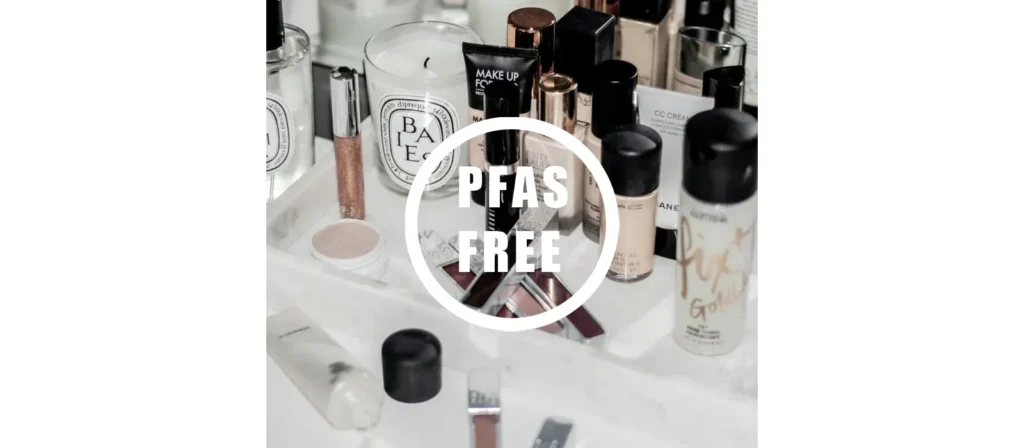
PFAS free cosmetics are formulated without any fluorinated chemicals and rely instead on natural or safe synthetic ingredients to achieve long wear, smooth application, or water resistance. As more consumers learn what is PFAS free and start paying closer attention to product labels, the beauty industry has begun offering cleaner alternatives across makeup, skincare, and personal care products.
A growing number of brands now produce PFAS free options such as mascaras made with plant waxes, foundations that use mineral pigments for long lasting coverage, and lip products formulated with natural oils and butters rather than fluorinated slip agents. These products are designed to perform well while maintaining ingredient transparency and cleaner formulations.
PFAS Free Water Filters
For households concerned about PFAS contamination in tap or well water, installing an effective filtration system is one of the most impactful steps you can take. PFAS are not removed by standard carbon filters used in most pitcher or faucet-mounted systems. To truly reduce exposure, you need a system specifically designed to target these chemicals.
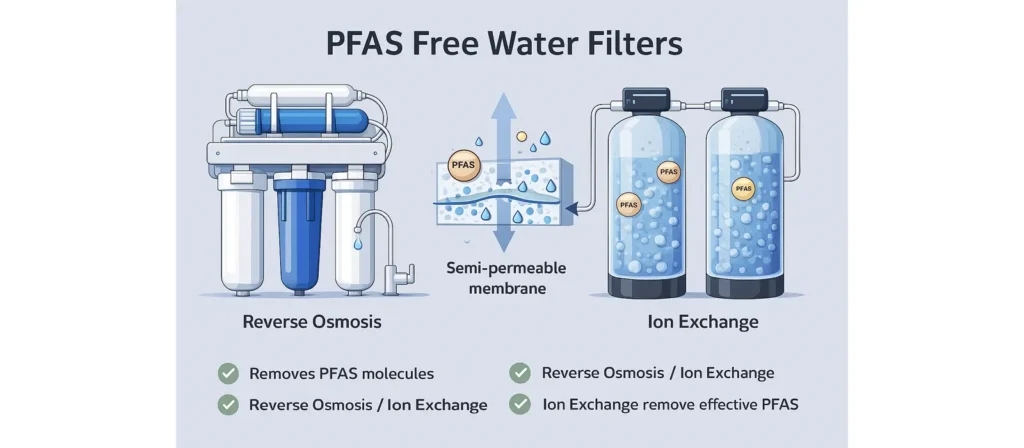
The most effective PFAS free water filters typically fall into two categories: reverse osmosis and ion exchange. Reverse osmosis systems use a semi-permeable membrane that blocks PFAS molecules along with other contaminants, offering removal rates above 90 percent when properly maintained. Ion exchange filters use specially designed resins that bind to PFAS compounds and remove them from the water before it reaches your tap.
Regulatory Actions and Industry Responses
As public awareness grows and scientific evidence mounts, governments and industries worldwide are being forced to take PFAS more seriously. Over the past decade, regulations have begun to tighten, focusing both on the most harmful legacy compounds like PFOA and PFOS and on the broader class of PFAS chemicals. In the United States, for example, the Environmental Protection Agency (EPA) has proposed enforceable limits for six PFAS compounds in drinking water, aiming to protect communities from long-term exposure. The European Union has gone further, pushing to restrict the entire class of PFAS under its REACH chemical safety regulation.
These actions are not just symbolic. They are reshaping the market. Many companies, especially in food packaging, cosmetics, and apparel, are reformulating products to meet new safety standards or to avoid regulatory scrutiny altogether. Major retailers and global brands have also started banning PFAS in their supply chains, not only to comply with law but to align with consumer expectations around health and sustainability.
This is where the term PFAS-free has gained importance. As shoppers ask, what is PFAS free, brands are under pressure to provide clear answers. However, because regulatory definitions vary by region, the meaning of PFAS-free is not always consistent. Some manufacturers may label a product PFAS-free if it excludes only a few well-known substances, while others eliminate the entire class. Without global standards, verifying PFAS-free claims often depends on third-party certifications or lab testing.
To respond to this confusion, independent organizations and regulatory bodies are beginning to define minimum requirements for PFAS-free claims. For example, some certifications now require that no intentionally added PFAS be present and that testing shows nondetectable levels within strict thresholds. These developments are helping bring more accountability to the market and giving consumers a better way to trust what they buy.
In short, growing regulatory oversight and industry shifts are giving real weight to the concept of what is PFAS free. It is no longer just a marketing term, but part of a larger movement toward safer products, cleaner manufacturing, and stronger environmental responsibility.
Frequently Asked Questions
Conclusion
As awareness of chemical safety grows, understanding what is PFAS free has become essential for making smarter, healthier decisions in everyday life. PFAS chemicals are persistent, widespread, and linked to various health and environmental concerns. They are found in places many people would not expect, from food packaging and water filters to cosmetics and clothing.
Choosing PFAS free products is not just a personal health choice, but a proactive step toward reducing overall chemical exposure and supporting cleaner manufacturing practices. While eliminating PFAS completely may not be possible today, focusing on areas like drinking water, food contact materials, and skincare can make a measurable difference. Thankfully, more brands are responding to consumer demand with transparent labeling, safer materials, and independently certified PFAS free alternatives.
Ultimately, what is PFAS free represents more than a label, it’s part of a broader shift toward accountability, sustainability, and protecting public health. And as more people ask the right questions, the easier it becomes to demand better, safer options for ourselves and for future generations.
At Million Pack, we proudly support this shift by offering a full range of PFAS free and eco friendly food packaging solutions, designed, produced, and delivered with over 20 years of trusted industry experience.