Yes, some paper bowls are microwave safe, but not all of them. The key lies in the materials used, the presence of coatings, and whether the manufacturer has explicitly labeled the bowl as safe for microwave use. Consumers often assume that all disposable paper bowls can withstand heat, but the reality is more nuanced.
Microwaving the wrong type of paper bowl can lead to structural breakdown, chemical leaching, or even fire risk. That’s why it’s important to understand what makes a paper bowl suitable for microwave use and how to spot potential hazards. Whether you’re reheating soup or warming up leftovers, taking a few seconds to check the bowl’s specifications can make a big difference in both safety and performance.
In the following sections, we examine are paper bowls microwave safe by looking at how to recognize microwave-appropriate designs, reviewing common materials and coatings, and offering practical tips for safe heating with disposable bowls.
What Does Microwave Safe Mean?
Microwave safe means that a container or material can be used in a microwave oven without warping, melting, catching fire, or leaching harmful substances into food. When a paper bowl is labeled microwave safe, it indicates that the product has been tested to remain stable under typical microwave conditions.
The term does not simply refer to a bowl’s ability to resist heat without deforming. It also includes the material’s chemical safety when exposed to microwave radiation. For example, some paper bowls may appear perfectly intact after heating, but the inner coatings or glues can begin to break down at high temperatures. This can cause harmful substances to leach into the food, even though the bowl looks undamaged from the outside. A truly microwave-safe bowl must remain both physically stable and chemically inert, ensuring that it does not affect the food’s taste, smell, or safety.
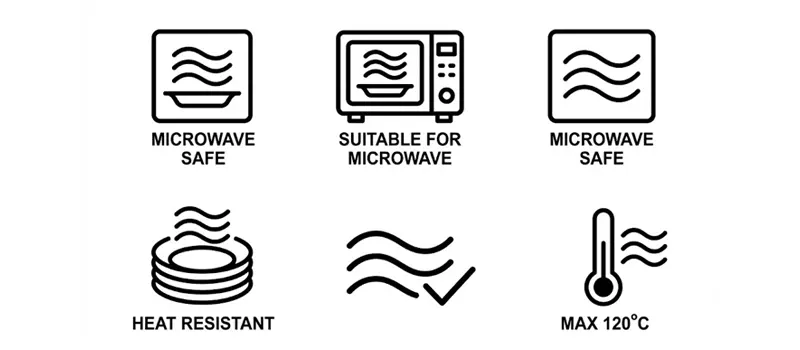
Manufacturers usually determine microwave safety through standardized tests that evaluate structural performance, heat tolerance, and material migration. Products that pass these tests are marked with a microwave-safe label or symbol, often accompanied by usage instructions. This labeling helps consumers make informed decisions and avoid accidents.
Safety Concerns When Microwaving Paper Bowls
Microwaving paper bowls can be convenient, but it also involves specific safety risks related to heat, moisture, and material performance. Understanding these concerns helps users recognize warning signs early and avoid spills, burns, or food quality issues.
- Risk of Structural Failure
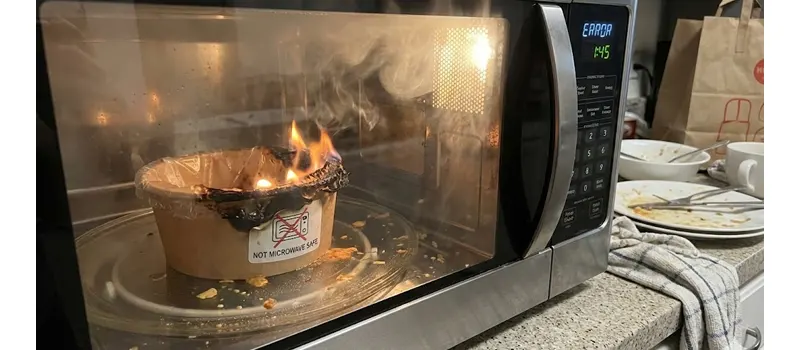
Some paper bowls may begin to soften, warp, or collapse when exposed to high temperatures, especially if they lack a heat-resistant lining. This is more common with thin-walled or uncoated bowls. When a bowl fails structurally, hot food or liquid can spill, increasing the risk of burns or damage to the microwave. - Chemical Leaching from Coatings
Many disposable bowls have internal coatings made of polyethylene (PE), wax, or bioplastics like PLA. If the bowl is not certified as microwave safe, these materials may break down under heat and release chemicals into the food. This is particularly concerning with fatty or oily foods, which can accelerate chemical migration. - Fire Hazard from Non-Microwave Materials
Paper bowls that include metallic ink, foil trim, or plastic components can spark or ignite inside a microwave. Even a small amount of metallic detail can cause arcing, which may damage the microwave or start a fire. Always avoid heating bowls with any reflective or shiny elements. - Steam Pressure Build-Up
If a paper bowl is sealed with a tight-fitting or non-vented lid, steam from hot food may accumulate and create pressure. This can force the lid to pop off violently or cause the bowl to burst. For safety, always leave lids slightly open or use microwave vented covers. - Inconsistent Heating or Hot Spots
Unlike glass or ceramic containers, paper bowls do not always heat evenly. This can result in hot spots that overheat parts of the bowl or cause food to cook unevenly. Stirring the contents during reheating and limiting heat duration can help reduce this risk.
How to Determine Whether a Paper Bowl Is Microwave Safe?
To determine whether a paper bowl is microwave safe, you need to check how it is labeled, what materials and coatings it uses, and whether it is designed to handle heat and moisture during reheating. Microwave-safe paper bowls are specifically made to withstand short microwave heating cycles without leaking, deforming, or affecting food safety. By examining a few key indicators, consumers and food businesses can quickly identify whether a paper bowl is suitable for microwave use.
Check for Microwave Safe Symbols or Manufacturer Guidance
The most direct way to determine whether a paper bowl is microwave safe is to look for clear labeling or official guidance from the manufacturer. Many microwave-safe paper bowls state microwave safe or suitable for microwave reheating on the packaging, product listing, or technical specifications. Some brands also print a small icon that looks like a microwave or a set of wavy lines to show that the bowl can handle microwave heat. If this label is present, the bowl has usually been tested for short microwave use.
If no microwave-related information is provided, the bowl has likely not been designed or tested for microwave use. In such cases, using it in a microwave carries a higher risk of softening, leaking, or structural failure, especially with hot or liquid foods.
Evaluate the Coating and Moisture Barrier
Paper bowls rely heavily on surface coatings to perform safely in the microwave. Microwave safe paper bowls typically use food grade coatings that resist heat, steam, and moisture during reheating. These coatings help prevent liquids and oils from penetrating the paper fibers, which can otherwise weaken the bowl when heated. If the coating type is unclear or the bowl has an overly shiny or plastic like surface without documentation, caution is advised.
Inks, Dyes, and Printed Designs
Some printing inks and dyes used in food packaging are not formulated to withstand high temperatures and may contain trace substances that are not intended for heating. When exposed to microwave heat, especially in contact with moist, oily, or acidic foods, elevated temperatures can increase the likelihood of ink components migrating from the printed surface into the food. This risk is higher when printing appears on the interior of the bowl or when no protective food contact coating is present.
For this reason, the USDA suggests using plain, white paper containers without interior printing when heating food in a microwave. Unprinted or lightly printed paper bowls reduce the potential for chemical transfer during heating and are generally considered a safer choice. Selecting products made with certified food contact inks and materials further helps minimize exposure risks when using disposable tableware for reheating.
Assess the Thickness and Structural Strength of the Bowl
Thickness and rigidity are strong physical indicators of microwave suitability. A microwave safe paper bowl is usually made from thicker paperboard or molded fiber that can maintain its shape when exposed to heat and moisture. When gently pressed, the bowl should feel firm rather than flimsy.
Thin or lightweight paper bowls are more likely intended for dry snacks or cold foods. These bowls may quickly lose strength in the microwave, leading to bending, leaking, or collapse when holding hot soups or sauces.
Evaluate Lid Compatibility and Venting
When a paper bowl is used with a lid, the lid must also be microwave safe. Lids are often made from different materials than the bowl and may respond differently to heat. A suitable lid should tolerate microwave temperatures and allow steam to escape. If the lid lacks microwave guidance or venting features, it is safer to loosen or remove it during heating to prevent pressure buildup and deformation.
Perform a Short and Controlled Test if Information Is Unclear
When labeling and specifications are unavailable, a short microwave test can help assess suitability. Heat food in the paper bowl for a brief period while closely observing its performance. A microwave safe paper bowl should retain its shape, show no signs of leaking, and produce no strong odors.
If the bowl warps, becomes overly soft, leaks liquid, or emits an unusual smell, it should not be used again in the microwave. This type of reaction indicates that the bowl is not designed for microwave heating and may compromise both safety and usability.
Are Paper Bowls Microwave Safe? (Classified by Type)
Disposable paper bowls are usually microwave safe only when they are clearly labeled for microwave use, made from sturdy food grade paper or plant fiber, and designed for short reheating rather than long cooking. Below are the most common types of disposable paper bowls and an overview of their microwave safety.

Paper Bowls Without Coating
Plain paper bowls without any lining are typically not microwave safe. These bowls can quickly absorb moisture, causing them to weaken or fall apart when exposed to heat. In some cases, the paper may overheat and scorch, especially if the food inside is dry or minimal. Although uncoated bowls are often compostable and eco-friendly, they lack the structural integrity required for safe microwave use unless specifically tested and labeled as such.
PLA Coated Paper Bowls
PLA (polylactic acid) is a plant-based biodegradable coating often used in environmentally friendly packaging. However, PLA has a low melting point and tends to soften when exposed to high temperatures. Most PLA coated paper bowls are not microwave safe because the lining can begin to degrade, leading to leaks or distorted shape. Unless the product is clearly marked as microwave safe, PLA-coated options should be avoided for hot food reheating.
PE Coated Paper Bowls
PE (polyethylene) coated paper bowls are among the most widely used in food service. They offer strong resistance to oil and moisture, making them ideal for soups, curries, and saucy foods. Some PE coatings are engineered to tolerate microwave heat for short durations. However, traditional PE is a type of plastic that may break down under high temperatures. As such, only PE-coated paper bowls that are explicitly labeled as microwave safe should be used in this way.
Bagasse and Molded Fiber Bowls
Bagasse and molded fiber bowls are made from natural plant fibers, such as sugarcane pulp. These bowls are generally microwave safe and are a popular alternative for both eco-conscious and food-safe applications. They can handle heat well without releasing chemicals or losing form too quickly. Still, overexposure to microwave heating may cause them to soften if used with very moist or greasy foods. Among all types, these are often considered the safest disposable paper bowls for microwave use.
Dual-Layer Microwave-Safe Paper Bowls
Dual-layer microwave-safe paper bowls are constructed with two layers of food-grade paperboard, often separated by an insulating layer of air or treated fiber. Unlike standard single-wall paper bowls, dual-layer bowls are typically coated with heat-resistant materials that do not degrade under microwave radiation. Some versions use advanced water-based coatings or modified polyethylene that are certified for food contact and thermal stability. The double-wall design also offers better insulation, reducing the risk of burns when handling hot contents.
Key Features of the Best Microwave Safe Paper Bowls
The best microwave-safe paper bowls are designed to handle heat, steam, and moisture during reheating without losing strength or affecting food safety. These bowls are not defined by a single feature, but by a combination of materials, structure, and tested performance.
Key characteristics of the best microwave safe paper bowls include:
- Clear microwave safe labeling
- Food contact approved coatings
- Adequate thickness and rigidity
- Designed for hot and liquid foods
- Compatible microwave safe lids or venting options
- Consistent performance under short heating cycles
How to Use Paper Bowls Safely in the Microwave?
Using paper bowls safely in the microwave requires following basic handling rules and understanding the limits of paper based materials. Even when a paper bowl is labeled microwave safe, proper use is essential to prevent leaks, deformation, or uneven heating. The guidelines below help ensure safe and effective reheating while protecting both food quality and user safety.
Follow the Manufacturer’s Heating Instructions
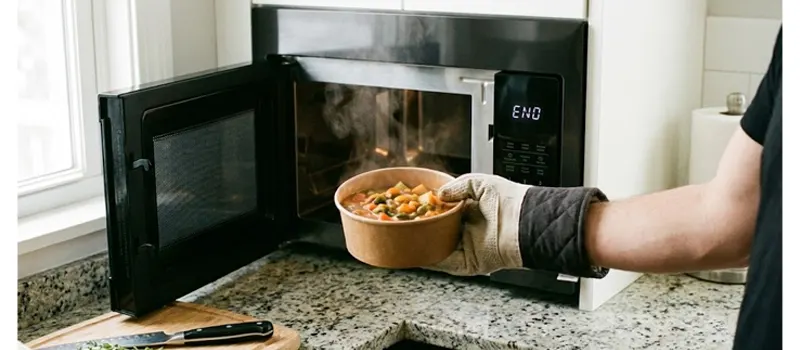
Always start by checking any heating instructions provided by the manufacturer. Microwave safe paper bowls are typically tested for short reheating cycles rather than long cooking times. Instructions may specify maximum heating duration, recommended power level, or whether the bowl is suitable for reheating only. Staying within these limits reduces the risk of structural weakening or coating failure.
Avoid Overheating and Extended Heating Times
Paper bowls are not designed for prolonged microwave exposure. Overheating can cause the paper fibers to soften, coatings to break down, or the bowl to lose shape. It is safer to heat food in shorter intervals, stir or rotate when possible, and check the bowl’s condition between cycles. This approach helps control temperature buildup and minimizes stress on the material.
Be Cautious with Hot, Oily, or Liquid Foods
Soups, sauces, and oily foods generate steam and retain heat more intensely than dry foods. When heating these items, paper bowls are exposed to higher moisture and thermal stress. Using microwave safe paper bowls with adequate thickness and moisture resistance is important, and placing the bowl on a stable plate can help prevent spills if the bowl softens slightly.
Handle Lids Properly During Microwave Use
If a paper bowl is used with a lid, confirm that the lid is also microwave safe. Lids that trap steam can cause pressure buildup, leading to warping or sudden spills when removed. In many cases, it is safer to loosen the lid or remove it entirely during heating. Allowing steam to escape supports even heating and reduces stress on both the bowl and lid.
Place the Bowl on a Microwave Safe Support
Setting a paper bowl on a microwave safe plate or tray adds stability and insulation. This practice helps distribute heat more evenly and provides extra support if the bowl softens during reheating. It also makes it easier to remove the bowl safely from the microwave, especially when handling hot liquids.
Inspect the Bowl After Heating
After microwaving, take a moment to inspect the paper bowl before handling or serving the food. Signs such as excessive softening, leaking, or unusual odors suggest that the bowl may not be suitable for future microwave use. Discontinue use if any of these issues appear, as repeated heating can increase the risk of failure.
Monitor the Bowl While Heating
Paper bowls can react quickly to heat and steam, especially during microwave use. Monitoring the bowl while heating helps identify early signs of deformation, softening, or leaking before they become safety issues. This is particularly important when heating liquids, oily foods, or dense meals that retain heat unevenly.
A Few Extra Safety Tips:
- Remove any plastic covers or wraps not marked microwave safe
- Avoid microwaving empty bowls
- Don’t reuse single use paper bowls
- Use a microwave safe plate underneath to catch leaks or spills
FAQs
Can you put a paper bowl in the microwave?
Yes, but only if the paper bowl is labeled as microwave safe. Not all paper bowls can handle heat. Those without proper certification may warp, leak, or release harmful substances when exposed to microwave energy.
Are compostable or eco-friendly paper bowls safe for the microwave?
Not always. Many compostable bowls, such as those coated with PLA (a plant-based bioplastic), are not heat resistant. Unless the bowl is explicitly marked as microwave safe, it should not be used in a microwave, even if it is environmentally friendly.
How can I tell if a bowl is microwave-safe?
Check the bowl or its packaging for a “microwave safe” label or symbol. This indicates that the bowl has been tested for heat resistance and chemical safety. If there is no marking, it’s best not to assume the bowl is safe for microwave use.
Can You Microwave an Empty Paper Bowl?
No, it is not safe to microwave an empty paper bowl. Without food or liquid to absorb the microwave energy, the bowl itself may overheat quickly. This can cause the paper to scorch, deform, or even catch fire in extreme cases. Always ensure there is food or liquid inside the bowl before placing it in the microwave.
How long can you safely microwave a paper bowl?
You should only microwave a paper bowl for short durations, typically 30 to 90 seconds at a time. Prolonged heating may weaken the bowl’s structure or cause its lining to degrade. Always check the food temperature in stages, and avoid heating oily or dry foods for too long, as they can generate more heat and increase the risk of burning or warping.
Conclusion
So, are paper bowls microwave safe? The answer is yes, but only if they’re designed for it. The type of coating, the quality of the paper, and whether the packaging labels it as microwave-safe all play a role in how safely it handles heat. Not all disposable bowls are created equal, and a quick glance at the label can save you from melted messes or worse.
Whenever you’re unsure, it’s always best to err on the side of caution. Transferring food to a glass or ceramic dish may take an extra few seconds, but it ensures both your food and microwave stay in good shape. Understanding what makes a paper bowl microwave-safe empowers you to reheat smarter, waste less, and keep your kitchen running smoothly.