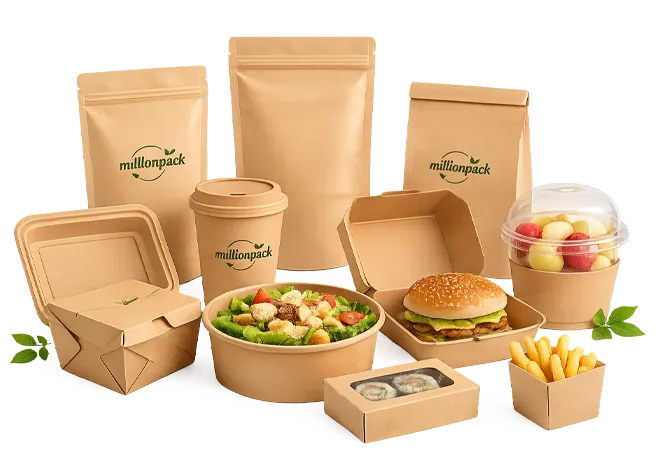
Zero waste packaging is a sustainable solution. It’s an approach that helps businesses reduce their environmental footprint while meeting consumer demand for eco-conscious practices. Unlike conventional packaging, which often ends up in landfills or oceans, zero waste alternatives are designed with end-of-life in mind. They prioritize responsible sourcing and materials that can safely reenter the production cycle or decompose naturally.
By transitioning to zero waste packaging, you can future-proof your operations, comply with regulatory shifts, and demonstrate leadership in sustainability.
What Is Zero Waste Packaging?
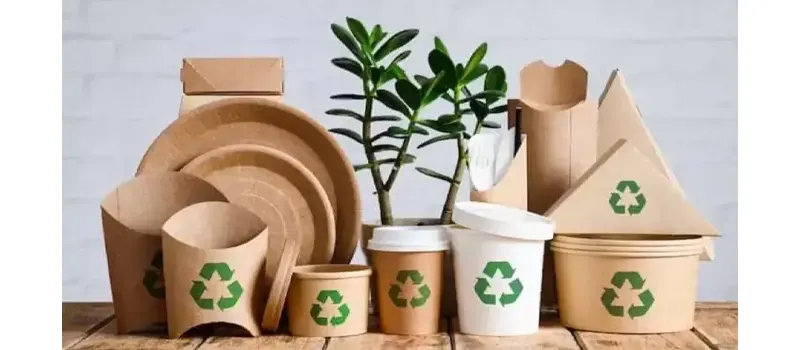
Zero Waste Packaging refers to packaging systems designed to prevent waste from entering landfills, incinerators, or the natural environment. Rather than focusing solely on whether packaging is reusable or disposable, it evaluates how materials are designed, used, collected, and recovered after use. The core objective is waste prevention across the entire packaging lifecycle.
A common misconception is that zero waste packaging must always be reusable and that single use products cannot be part of a zero waste approach. In reality, zero waste is not defined by the number of times a product is used, but by whether its materials can be effectively recovered and returned to productive use. Packaging becomes waste only when it has no viable recovery pathway.
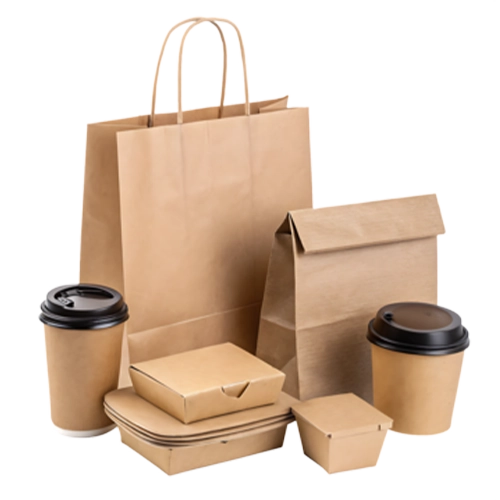
For example, disposable packaging made from compostable materials like PLA, sugarcane bagasse, or bamboo pulp can break down in industrial or home compost environments, returning safely to the earth without leaving harmful residue. Similarly, recyclable paper or cardboard packaging can be reprocessed into new materials, reducing the need for virgin resources. These all fall under the category of zero waste packaging.
Examples of Zero Waste Packaging
Zero waste packaging comes in many forms, ranging from reusable systems to responsibly designed single-use products. What unites these different formats is their alignment with circular economy principles. They are made from renewable or recyclable materials, designed for easy disposal, and created with minimal environmental impact. Below are several key examples that show how zero waste packaging works in practice.
Compostable Packaging Made from Plant-Based Materials
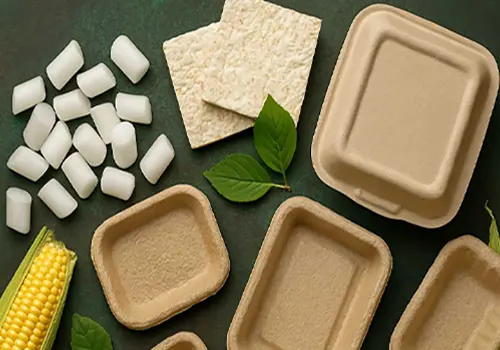
Compostable packaging is created from renewable resources such as cornstarch, sugarcane fiber, bamboo, or PLA. These materials are designed to break down into natural elements under composting conditions, leaving no toxic residue behind. Before choosing them, confirm whether your market has industrial or home composting facilities. We also recommend checking the correct certification and clearly telling customers how to dispose of the packaging.
Recyclable Paper-Based Solutions
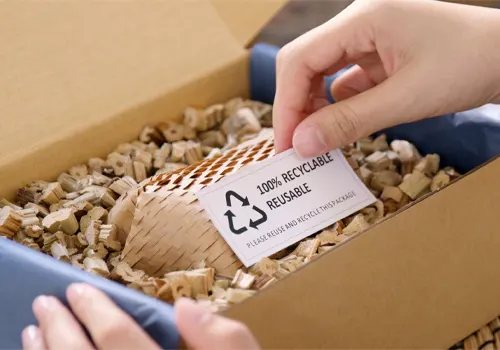
Paper-based materials, including cardboard, kraft paper, and molded fiber, are among the most accessible and widely recycled packaging types. When designed without plastic laminates or synthetic coatings, these materials can be recycled multiple times. They also work well for custom printing and brand presentation. To improve recyclability, choose simple structures with fewer plastic linings, coatings, windows, and mixed materials. Million Pack can help you balance recyclability with grease resistance, leak protection, and heat performance.
Reusable or Refillable Systems
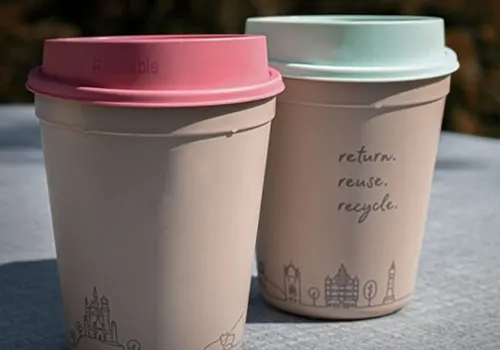
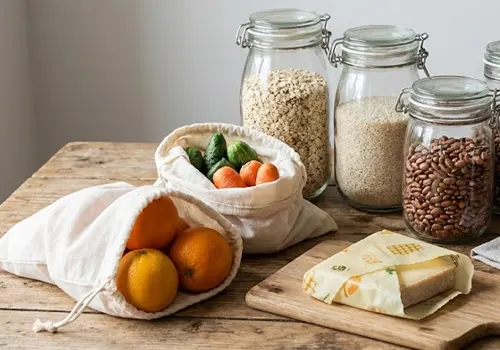
Reusable packaging focuses on durability and extended life. Examples include glass jars, metal tins, and fabric bags that can be cleaned and reused multiple times. These approaches are especially effective in reducing the demand for single-use packaging materials. You should consider cleaning, return rates, storage, transport, and hygiene before adopting this model. The packaging only creates value when customers use it enough times.
Minimalist or Naked Packaging
You can reduce waste by removing unnecessary trays, sleeves, inner bags, inserts, or oversized boxes. Some products can also be sold through bulk or refill systems without individual packaging. We recommend removing only the parts that do not protect the product. Your products still need proper packaging protection to prevent damage, contamination, and leakage.
What Are the Key Drivers of Zero Waste Packaging?
The shift toward zero waste packaging is not driven by a single factor. It is the result of overlapping pressures from environmental reality, policy changes, market expectations, and operational considerations. Together, these drivers are reshaping how packaging is designed, produced, and evaluated.
Environmental Pressure and Waste Visibility
Packaging waste has become one of the most visible symbols of environmental impact. Landfills are expanding, marine pollution is increasing, and recycling systems are struggling with volume and material complexity. This growing visibility has pushed waste prevention higher on sustainability agendas, making zero waste packaging a response to measurable environmental strain rather than a theoretical concept.
Regulatory and Policy Influence
Governments and local authorities are tightening regulations around packaging waste, landfill use, and material recovery. Extended producer responsibility policies, waste reduction targets, and restrictions on certain materials are accelerating the move toward packaging solutions that minimize waste at the source. Zero waste packaging aligns with these regulatory trends by focusing on prevention, material efficiency, and recoverability.
Limitations of Traditional Recycling Systems
Recycling alone has proven insufficient to address packaging waste at scale. Contamination, mixed materials, low collection rates, and limited end markets reduce the effectiveness of recycling programs. These limitations have highlighted the need for packaging designs that reduce reliance on imperfect systems. Zero waste packaging emphasizes reduction, reuse, compostability, and simpler material structures to overcome these constraints.
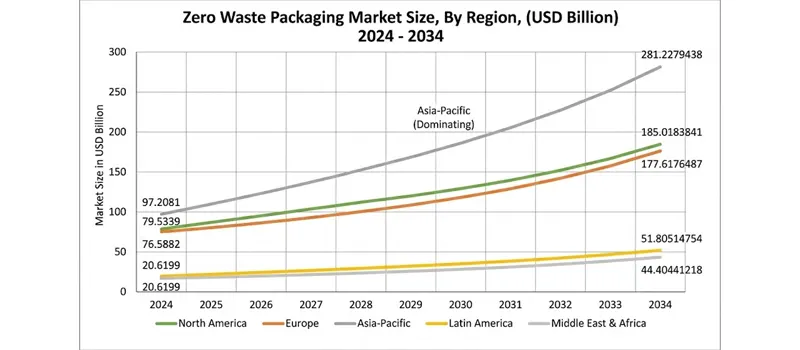
Changing Customer and Market Expectations
Customers, both consumers and businesses, are increasingly evaluating brands based on environmental responsibility. Packaging choices are now linked to brand trust, purchasing decisions, and long term reputation. Zero waste packaging responds to this shift by offering a clearer, more credible approach to waste reduction than surface level sustainability claims.
Business Efficiency and Resource Optimization
Beyond environmental concerns, zero waste packaging is also driven by operational logic. Reducing excess materials, simplifying packaging structures, and improving recovery pathways can lower material costs, reduce waste handling expenses, and improve supply chain efficiency. For many organizations, zero waste principles support both sustainability goals and cost control.
Advancement of Materials and Packaging Technologies
Improvements in compostable materials, fiber based packaging, mono material structures, and packaging design tools have made zero waste strategies more achievable. These advancements allow businesses to move away from complex, hard to recover packaging without sacrificing performance, safety, or functionality.
Alignment with Long Term Sustainability Strategies
Zero waste packaging fits into broader sustainability frameworks focused on circular economy thinking, lifecycle responsibility, and long term resource management. Rather than treating waste as an unavoidable outcome, it reframes packaging as a temporary use of materials that should remain within productive systems.
Benefits of Zero Waste Packaging
Zero waste packaging offers a wide range of benefits that extend beyond environmental protection. It supports sustainability goals, reduces long-term costs, aligns with consumer expectations, and prepares businesses for future regulations. Whether the packaging is designed for single use or reuse, what defines its value is how it fits into a responsible, circular system.

Reduced Environmental Impact
Zero waste packaging reduces the overall environmental footprint by keeping materials circulating in biological or technical cycles instead of sending them to landfill or uncontrolled disposal. When packaging is designed to be compostable or recyclable, it can be collected, processed and returned as a useful resource. This supports healthier soil, lower demand for virgin raw materials and less pollution in waterways and natural habitats.
Enhanced Brand Image and Consumer Trust
Sustainability has become a core expectation among modern consumers. Packaging is often the first thing customers see and touch, which makes it a powerful signal of your brand values. Choosing zero waste options shows that your business is thinking about more than just profit; it’s thinking long-term. This reinforces credibility and can boost customer loyalty.
Long-Term Cost Efficiency
Although sustainable materials may sometimes come with a slightly higher upfront cost, they can save money over time. Businesses that implement zero waste strategies often experience reduced waste disposal fees. Additionally, streamlined packaging solutions can lead to savings in logistics and storage. Many markets are introducing stricter rules for single-use packaging. By improving your packaging early, you can reduce future redesign costs.
Regulatory Preparedness and Future-Proofing
Zero waste packaging helps businesses stay ahead of tightening regulations. Many countries and local governments are phasing out non-compostable plastics and implementing extended producer responsibility laws. By adopting packaging that meets composting or recycling standards, companies reduce their legal risk and position themselves as leaders in sustainable innovation.
As infrastructure for composting and recycling continues to expand, companies already using compliant materials will be better equipped to adapt to new waste management systems.
Tips to Implement Zero Waste Packaging
Adopting zero waste packaging is not only a matter of choosing the right materials. It requires careful planning across design, sourcing, and disposal. The following tips can help guide you through a smooth and effective transition.

1. Choose Certified Compostable or Recyclable Materials
Choosing the right materials is a key step in building a zero waste packaging strategy. Materials should either be compostable, widely recyclable, or reusable, with certifications that support their safe end-of-life handling. Below are some of the most commonly used materials that support zero waste goals:
- Compostable Plant-Based Materials
Includes bagasse (sugarcane fiber), PLA (polylactic acid), bamboo pulp, and palm leaf. These are often used for disposable food containers, cutlery, and trays. When certified and disposed of properly, they return to the soil without leaving harmful residues. - Recyclable Paper and Cardboard
FSC-certified or post-consumer recycled paperboard and kraft paper are widely accepted in recycling systems. They are used for cups, cartons, sleeves, and shipping boxes, especially when coatings are compostable or water-based. - Glass
Durable and infinitely recyclable without losing quality. Commonly used in jars, bottles, and food storage, glass is ideal for refill systems and reusable packaging models. - Aluminum
Lightweight and 100 percent recyclable, aluminum is used in cans, trays, and wraps. It can be recycled repeatedly without degrading and is accepted in most municipal recycling systems. - Reusable Textiles and Silicone
For non-disposable applications, materials like organic cotton, canvas, and food-grade silicone are used in refill bags, pouches, or wraps. These materials support long-term reuse and reduce packaging demand.
2. Avoid Mixed Materials That Complicate Disposal
Even sustainable packaging can become problematic if it combines incompatible materials. For example, a paper box with a plastic lining may not be recyclable unless the liner is certified compostable or water-soluble. Design your packaging with single-material structures when possible, or ensure components can be easily separated by users.
3. Label Clearly for Proper End-of-Life Handling
Packaging should include clear disposal instructions to help consumers understand whether it should be composted or recycled. Use easy-to-read icons, standardized wording, and, when applicable, include disposal directions in multiple languages. Clear labeling reduces contamination in waste streams and supports the effectiveness of your sustainability efforts.
4. Work With Waste Management Partners
Zero waste packaging only works when supported by a compatible disposal infrastructure. Engage with local composting or recycling facilities to understand what materials they accept and under what conditions. This will help you design packaging that fits into existing systems and avoids being rejected due to non-compliance.
5. Train Your Staff and Inform Customers
Internally, your team should be fully aware of the materials being used and how they should be handled. Externally, consider offering educational content or customer-facing FAQs about your packaging’s environmental value. When people understand how to dispose of packaging correctly, participation rates increase and your sustainability goals become more achievable.
6. Start With High-Impact Products First
If you have a large product line, begin with packaging categories that are most frequently used or most visible to customers. Transitioning your core items, such as takeout containers, cups, or trays, to compostable or recyclable versions can deliver immediate impact and set a strong foundation for broader adoption.
FAQs
What is the zero waste design concept?
Zero waste design means creating packaging and products that generate little or no waste. It focuses on using materials that can be reused, recycled, or composted, so nothing ends up in landfills. The goal is to keep resources in use for as long as possible.
What are the 5 principles of zero waste?
The five key principles are: Refuse what you don’t need, Reduce what you use, Reuse when possible, Recycle correctly, and Rot (compost) organic materials. These steps help minimize waste and support a circular economy.
What are the barriers to zero waste?
Common barriers include limited composting or recycling facilities, higher upfront costs, confusion about disposal, and lack of suitable materials. Education, better infrastructure, and clear labeling can help overcome these challenges.
Can single-use packaging be considered zero waste?
Yes. As long as the materials are certified compostable or recyclable and properly disposed of, single-use packaging can support zero waste goals. The key is in material selection and end-of-life planning, not just how many times the product is used.
Does zero waste packaging cost more than traditional packaging?
In some cases, upfront costs may be slightly higher. However, long-term savings often result from reduced waste disposal fees, improved logistics, and stronger customer loyalty. It is also a valuable investment in brand reputation and regulatory compliance.
Can compostable packaging be thrown into regular trash bins?
No. Compostable packaging should be sent to appropriate composting facilities. If disposed of with regular trash, it may not break down properly and will lose its environmental benefit.
Conclusion
As waste reduction expectations continue to rise, zero waste packaging offers a practical direction for businesses seeking to improve sustainability without compromising performance or responsibility. When applied thoughtfully, it supports both environmental goals and operational realities, making it a credible and achievable path toward more sustainable packaging systems.
At Million Pack, we help you choose and customize food packaging that balances sustainability, performance, cost, and compliance.