In recent years, the global food industry has undergone significant changes, and packaging has become a central focus of this transformation. Environmental concerns, evolving consumer expectations, and increasingly strict government regulations are reshaping how food packaging is designed, produced, and used. As a result, understanding emerging Food Packaging Trends has become essential for food brands, restaurants, retailers, and packaging suppliers alike.
For many years, sustainability in food packaging was often treated as an added value, something that helped brands improve their environmental image. Today, that situation is rapidly changing. Governments around the world are introducing stricter policies on plastic use, recyclability, and chemical safety. At the same time, consumers are paying closer attention to packaging materials, waste reduction, and product transparency. These combined forces are pushing the food packaging industry toward new materials, smarter technologies, and more efficient design strategies.
As we move into 2026, several key Food Packaging Trends are beginning to shape the direction of the industry. From the rise of fiber-based and PFAS-free materials to the growing adoption of smart packaging technologies and minimalistic design approaches, companies are rethinking packaging not only as protection for food but also as part of a broader sustainability and brand strategy.
Why Food Packaging Trends Are Changing?
Food packaging is evolving as the industry responds to several major forces. These factors are reshaping how packaging is designed, produced, and used across the food sector. Key drivers behind current food packaging trends include:
- Stricter environmental regulations are pushing companies to reduce packaging waste and adopt more sustainable materials.
- Rising consumer awareness around sustainability, transparency, and responsible packaging choices.
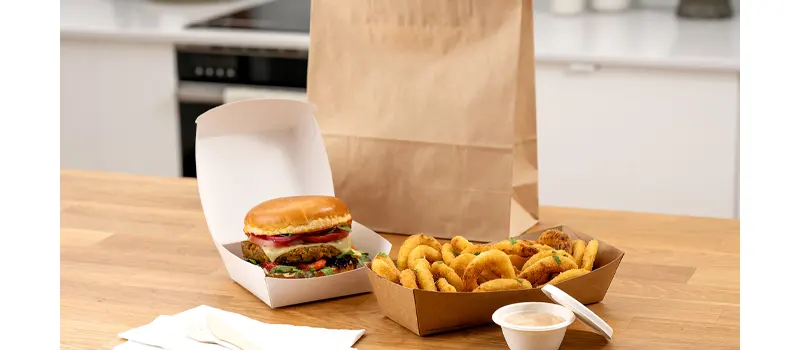
- The growth of food delivery and takeaway services requires packaging to perform well during transportation.
- Advances in packaging technology enable smarter materials, improved protection, and better product traceability.
- Increasing competition among food brands is making packaging an important tool for differentiation and communication.
Trend 1: Sustainable Packaging Becomes the Standard
For many years, sustainability in food packaging was often treated as a competitive advantage. Companies promoted eco-friendly food packaging as a way to differentiate their brand or appeal to environmentally conscious consumers. However, sustainability is no longer optional. Instead, it is rapidly becoming a baseline requirement driven by regulation, supply chain pressures, and changing consumer expectations.

Regulations & Plastic Bans
The regulatory landscape of 2026 is expected to be defined by the enforcement of the EU’s Packaging and Packaging Waste Regulation (PPWR) and widening PFAS bans across North America and Europe. These policies are likely to phase out “forever chemicals” and non-recyclable multi-layer plastics, forcing brands to re-engineer their supply chains toward non-toxic, legally compliant alternatives to maintain global market access.
Paper-Based Packaging Replacing Plastic
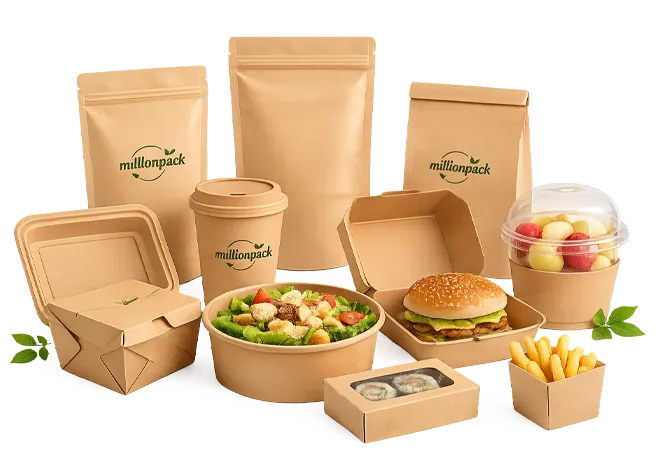
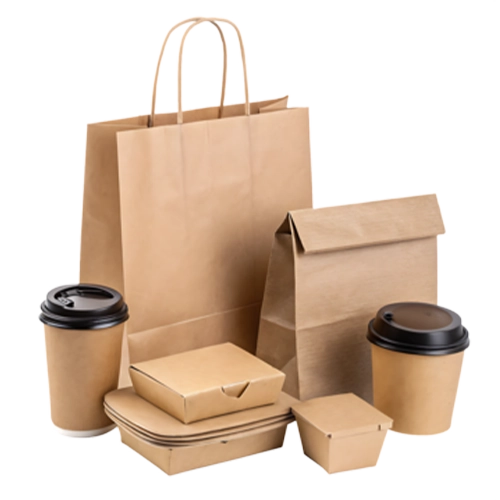
One of the most visible shifts in recent food packaging trends is the growing adoption of fiber-based packaging as an alternative to traditional plastic materials. Paper bowls, paper plates, molded fiber containers, and paper takeaway boxes are increasingly used across food service operations because they are derived from renewable resources and widely recyclable in many markets.
Advances in barrier technologies are also expanding the capabilities of paper packaging. Modern coatings such as water-based and dispersion coatings can improve resistance to grease, moisture, and oxygen, allowing paper packaging to perform in applications that previously relied on plastic. These technological improvements are enabling fiber-based materials to meet the functional requirements of takeaway food, ready-to-eat meals, and quick-service restaurant packaging.
In the future, fiber-based packaging is expected to replace plastic in a growing number of food service applications. As coating technologies continue to improve and sustainability regulations become stricter, paper packaging will likely become the preferred solution for many disposable food packaging formats.
Compostable Packaging
Another important direction within sustainable Food Packaging Trends is the development of compostable packaging materials. Compostable packaging is designed to break down into natural components under controlled composting conditions, helping reduce the accumulation of long-term waste. Compostable packaging is poised to become the preferred solution for environments where food residue makes traditional recycling difficult, such as catering and food delivery.
Although compostable packaging still faces challenges related to composting infrastructure and standardization, its adoption is gradually increasing in markets where waste reduction policies are becoming stricter. In the coming years, compostable packaging is expected to expand in sectors such as food delivery, catering, and takeaway services. We expect to see a surge in materials like bagasse, bamboo fiber, and Home Compostable films, which are designed to break down into natural components, offering a decentralized waste management path that aligns with stricter global waste reduction goals.
Trend 2: Smart Packaging and Digital Technology
Traditionally, food packaging was designed primarily to protect food and extend shelf life. Today, however, packaging is increasingly being used as a tool for communication, monitoring, and supply chain transparency. Advances in sensor technology, data connectivity, and digital labeling are allowing packaging to play a more active role in the food ecosystem. From tracking product freshness to providing consumers with detailed product information, smart packaging is gradually transforming how food products are monitored and managed throughout the supply chain.
Freshness Indicators and Smart Sensors
Freshness indicators and sensor-based technologies are beginning to appear in certain food packaging applications. These technologies can monitor factors such as temperature or gas levels inside packaging and provide visual signals that indicate whether the food is still fresh.
For example, time–temperature indicators can show whether a product has been exposed to improper storage conditions during transportation. Although these technologies are currently used mainly for high-value or perishable foods, they demonstrate how packaging can help improve food safety. In the future, as technology becomes more affordable, freshness-monitoring packaging is likely to be used more widely in cold-chain logistics and perishable food products.
QR Codes and Digital Product Information
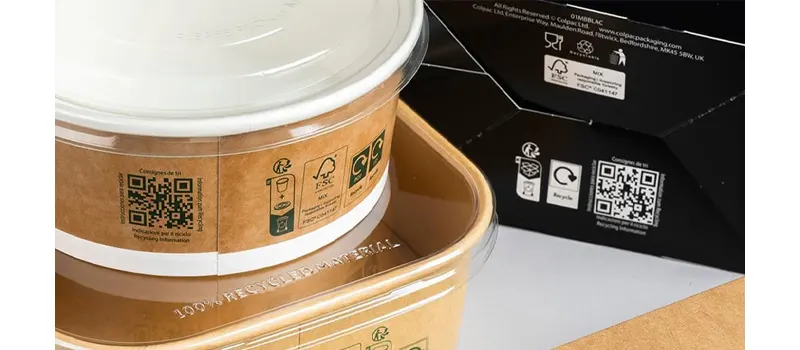
QR codes have become one of the most common forms of smart packaging. Many food brands now use QR codes on packaging to provide consumers with additional information, such as product origin, ingredient sourcing, or sustainability initiatives.
For companies, QR codes also improve product traceability by helping track batches and supply chain data. This can be useful for quality control and product recalls. As consumer demand for transparency continues to grow, QR-enabled packaging is expected to become a standard feature in many food products.
Trend 3: Minimalism in Food Packaging Design & Material
As recycling rules become stricter, material costs continue to rise, and companies face more pressure to cut carbon emissions, food brands and packaging manufacturers are taking a closer look at how much packaging is truly necessary. Many are now moving toward simpler structures, less material use, and more efficient production.
This is why minimalist and material-efficient packaging has become an important trend in the food packaging industry. To achieve lighter, more precise, and more stable packaging designs, manufacturers often need more accurate mold structures, which also increases the demand for high-precision industrial machine tools.
Clean Label Aesthetic and Transparency
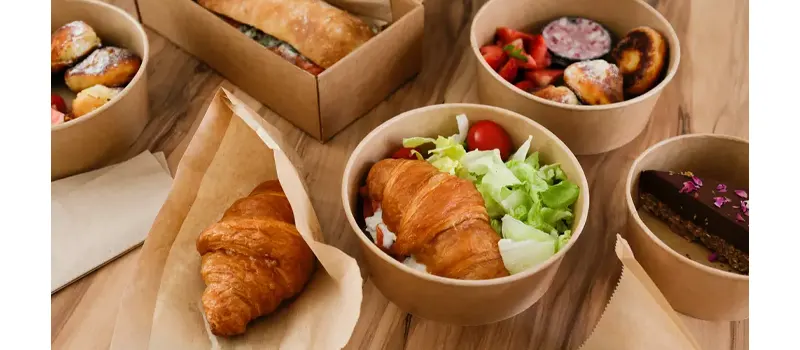
Another emerging direction in minimalist food packaging trends is the growing preference for “clean label” visual design. As consumers pay closer attention to ingredient lists and product sourcing, many brands are simplifying packaging graphics to emphasize clarity and transparency. Designs increasingly feature transparent windows, neutral color palettes, and clear typography that allow the product itself to remain the focal point. This approach reflects a broader shift toward packaging that communicates authenticity and straightforward product information rather than relying on complex visual decoration.
Material Reduction and Lightweighting
Material reduction is becoming a practical strategy for both sustainability and cost efficiency. Many manufacturers are redesigning packaging structures to achieve lightweighting, using improved structural engineering to reduce material usage while maintaining strength and protection. By lowering the amount of paper, plastic, or composite materials used in each package, companies can reduce production costs, decrease transportation weight, and support carbon reduction goals. As environmental regulations and cost pressures continue to increase, lightweight packaging solutions are expected to become more widely adopted across the food industry.
The End of Over-Packaging
Another development within minimalist packaging is the gradual reduction of unnecessary packaging layers. In the past, products were often packaged with multiple decorative or protective layers that added little functional value. Today, many brands are moving toward packaging designs where each component serves a clear purpose. This shift encourages integrated packaging structures in which the primary container provides the necessary protection, barrier properties, and branding. As sustainability expectations grow, excessive packaging is likely to decline as companies prioritize efficiency and material responsibility.
Trend 4: Convenience-Driven Packaging
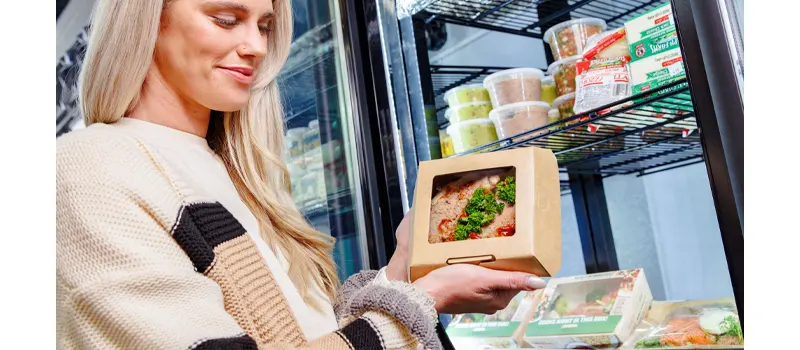
The rapid growth of food delivery, takeaway services, and ready-to-eat meals is reshaping how food packaging is designed. Consumers increasingly expect packaging that is easy to carry, simple to open, and convenient to dispose of. As lifestyles become more fast-paced, convenience is becoming a key factor influencing food packaging decisions. In response, many food brands and packaging manufacturers are developing packaging solutions that improve portability, usability, and food protection during transport.
On-the-Go and Resealable Solutions
Changing eating habits are increasing the demand for packaging that supports flexible consumption. Many consumers now eat meals while commuting, working, or traveling, which encourages packaging designs that are easier to handle and reopen.
Resealable lids, portion-controlled containers, and ergonomic packaging shapes are becoming more common in takeaway food packaging. These solutions allow consumers to store unfinished food more easily and help prevent spills during movement. As mobile dining continues to grow, packaging designed for on-the-go use is likely to become more widely adopted across takeaway food categories.
Tamper-Evident and Safety Features
Food safety and consumer trust are also becoming more important in delivery-based food systems. To address these concerns, many restaurants and packaging suppliers are adopting tamper-evident packaging features that make it clear if a container has been opened during transport.
Common solutions include sealed lids, tear strips, and locking tabs that provide visible proof that the package has remained closed after leaving the kitchen. As delivery services continue to expand, tamper-evident features are likely to become a standard expectation for takeaway food packaging.
Trend 5: Packaging as a Strategic Branding Tool
By 2026, the strategic role of packaging in brand building is expected to reach new heights. As markets become increasingly crowded, packaging serves as a critical “silent salesman,” using tactile experiences and value-driven narratives to forge a deeper emotional connection with consumers.
The Unboxing Experience and Sensory Branding
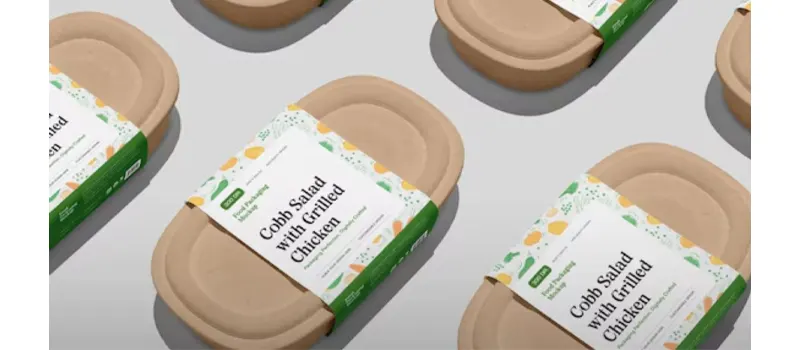
The rise of social media and online food delivery has made the “unboxing” moment more visible than ever before. When customers receive a delivery order, the packaging itself becomes part of the overall experience.
To create a stronger impression, some brands are experimenting with packaging details that enhance the tactile and visual experience. Textured surfaces, embossed logos, or carefully designed interior printing can make packaging feel more premium and memorable. As food brands compete for consumer attention, packaging that creates a distinctive sensory experience is likely to play a greater role in strengthening brand loyalty.
Values-Driven Design and Sustainability Messaging
Many consumers today expect brands to demonstrate clear environmental and social responsibility. Packaging provides a direct way for companies to communicate these values.
Food packaging increasingly includes visual elements such as recycling icons, sustainability certifications, or short messages explaining the materials used. These design elements help brands show transparency about their environmental choices while also helping consumers understand how to dispose of packaging properly. As sustainability awareness continues to grow, packaging that clearly communicates environmental commitments is expected to become more common.
Customization & Limited Edition Agility
Advancements in digital printing technology are expected to allow brands to offer unprecedented levels of customization and localization in 2026. This trend points toward a rise in short-run, limited-edition packaging that can be rapidly pivoted for seasonal events, regional festivals, or even individual customer names, allowing brands to remain agile and highly relevant in a fast-moving retail environment.
FAQs
What are the most urgent regulations impacting food packaging in 2026?
The two primary regulatory shifts in 2026 are the EU’s Packaging and Packaging Waste Regulation (PPWR) and the widespread enforcement of PFAS bans across North America and Europe. These mandates require businesses to phase out single-use plastics in specific sectors and ensure that all food-contact materials are free from “forever chemicals”.
Is paper-based packaging durable enough to replace plastic entirely?
With 2026 technology, paper packaging is no longer limited to dry goods. The maturity of Water-Based Barrier Coatings (WBBC) allows fiber-based containers to provide the necessary grease, moisture, and oxygen resistance for demanding applications like hot takeaway meals and frozen foods. While it may not replace plastic in 100% of scenarios, it is now a highly functional and recyclable alternative for most food service needs.
What is the difference between Industrial and Home Compostable packaging?
Industrial compostable packaging is designed to break down in commercial composting facilities where high temperatures, controlled humidity, and active microorganisms accelerate decomposition. Home compostable packaging, by contrast, can decompose in backyard compost systems without requiring industrial conditions, meaning it must break down at lower temperatures and in less controlled environments. As a result, industrial compostable materials are more common in foodservice packaging, while home compostable products are designed for smaller-scale household composting.
Conclusion
As we look toward 2026, the food packaging industry is clearly entering an era defined by Responsible Innovation. Sustainability is no longer a niche luxury; it is the fundamental baseline for any brand seeking longevity in the global supply chain.
However, the future is not just about material replacement. The rise of Smart Packaging and Minimalist Design illustrates a move toward “Integrated Value.” Packaging in 2026 must do more with less. For businesses, the key to success lies in viewing packaging not as a mere cost center, but as a Strategic Branding Tool that communicates trust, transparency, and convenience to a more discerning consumer base.
To thrive in this evolving landscape, companies must act now to audit their supply chains, invest in compliant fiber-based or compostable materials, and embrace the digital tools that will define the next decade of food service.