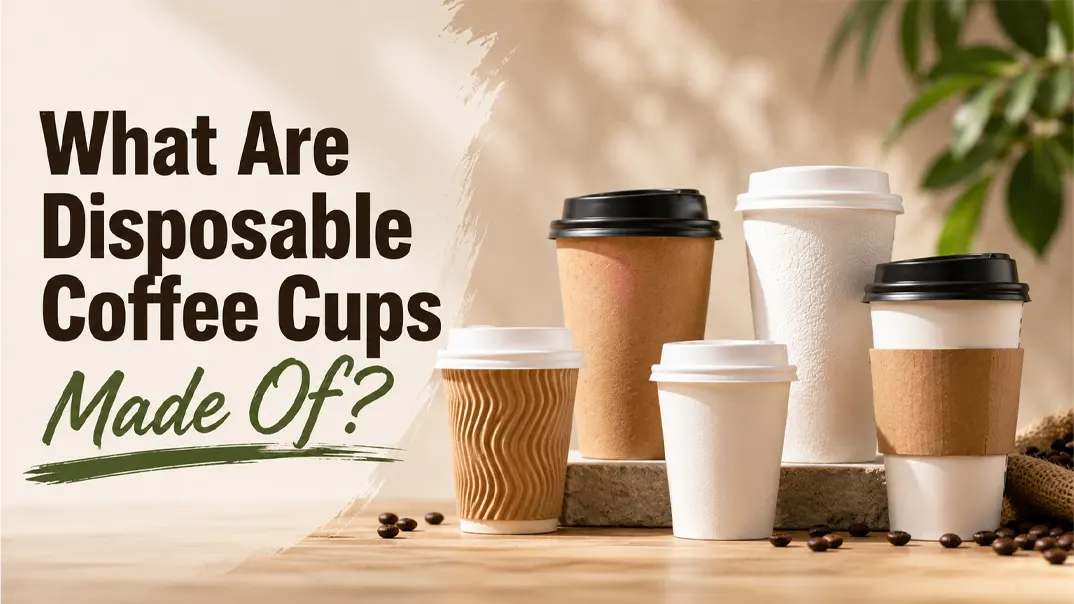
Disposable coffee cups are usually made from paper, plastic, foam, or compostable plant-based materials. Among them, paper coffee cups are the most common choice for hot drinks, but most paper cups are not made from paper alone. They normally include a thin inner lining made from PE plastic, PLA bioplastic, or water-based coatings to help prevent leaks and hold hot liquids safely.
Different cup materials are designed for different uses. A small café serving hot lattes may choose double-walled paper cups for better insulation, while cold coffee brands often use PET plastic cups because they are clear and lightweight. Some food service businesses prefer compostable coffee cups to reduce plastic use and support sustainability goals. Foam cups are still used in some markets because they retain heat well and cost less, although environmental concerns have reduced their popularity in many countries.
The structure of a disposable coffee cup is more technical than most people expect. Factors like heat resistance, insulation, durability, lid compatibility, printing quality, stacking efficiency, and recycling requirements all influence the material choice. Even cups that look similar on the outside may use completely different production methods and inner coatings.
In this guide, we’ll break down what are disposable coffee cups made of, how they are manufactured, the different types available on the market, and how to choose the right option based on your business needs, drink type, and sustainability goals.
What Are Disposable Coffee Cups Made Of?
Disposable coffee cups are usually made from paperboard, plastic, foam, or plant-based materials. Most disposable coffee cups are made from more than one material. Even a standard paper coffee cup usually includes both paperboard and an inner coating layer.
Paperboard
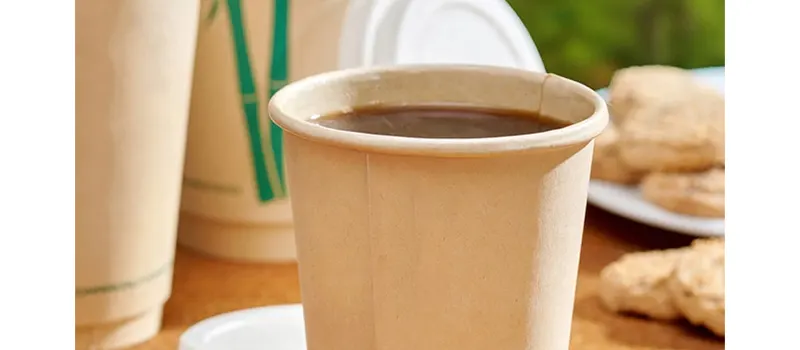
Paperboard is the main material used for many hot drink cups. It gives the cup its structure and strength. Compared with regular paper, coffee cup paperboard is thicker and more durable, allowing it to hold hot liquids without collapsing easily.
Inner Coating Materials
Paper alone cannot safely hold coffee for long periods because heat and moisture will soften the material. To solve this, manufacturers add a thin inner barrier coating inside the cup. This layer helps prevent leaking and improves liquid resistance.
Common coating materials include:
- PE plastic coating
- PLA bioplastic coating
- Water-based coating
Different coatings affect recyclability, compostability, and heat resistance.
Plastic Materials
Cold coffee cups are often made from plastic instead of paper. PET plastic is commonly used for iced coffee because it is clear and lightweight. PP plastic provides better heat resistance, while PS plastic is usually chosen for lower-cost cold drink packaging. Different plastic materials affect transparency, flexibility, durability, and temperature performance.
Plant-Based Materials
Some disposable coffee cups use renewable plant-based materials instead of traditional plastic-heavy structures. Bagasse coffee cups are made from sugarcane fiber, while some compostable cups use PLA made from plant starch. These materials are increasingly used in sustainability-focused packaging.
Foam Materials
Foam coffee cups are made from expanded polystyrene. They are lightweight and provide strong insulation, helping drinks stay hot for longer while keeping the outer surface comfortable to hold. However, foam cups are becoming less common in some markets because of environmental restrictions.
How Are Disposable Coffee Cups Made?
Disposable coffee cups are made through a multi-step manufacturing process that combines material preparation, protective coatings, printing, shaping, and sealing. The goal is to create a cup that can safely hold hot drinks without leaking, softening, or losing its shape during use.
Raw Material Preparation
Paper coffee cups are usually made from food-grade paperboard, while plastic cups use materials such as PET, PP, or PS resin pellets. For paper cups, manufacturers often add an inner coating layer to improve leak resistance and heat protection. This lining may be PE plastic, PLA bioplastic, or a water-based coating, depending on the cup type.
Printing the Cup Design
Before the cups are formed, the outer material is usually printed with logos, patterns, brand colors, or product information. Large printing machines apply the artwork onto flat paper rolls or plastic sheets using food-safe inks. This step is important for custom-branded coffee cups because printing quality directly affects the final appearance.
Cutting the Material
After printing, the material is cut into specific shapes needed for cup production. For paper cups, the sidewall paper is cut into fan-shaped pieces, while separate circular pieces are prepared for the cup bottom.
Cup Forming and Shaping
During this stage, machines shape the material into the final cup structure. For paper coffee cups, the sidewall is rolled into a cylinder and sealed along the side edge. The bottom piece is then attached and heat-sealed to prevent leakage. The cup rim is rolled to create a smoother and stronger drinking edge. Plastic cups are typically produced through thermoforming or injection molding processes, depending on the material type.
Quality Inspection
Finished cups are checked for leakage, sealing strength, print quality, cup size accuracy, and overall durability. Manufacturers usually test cups with hot liquids to ensure the structure remains stable during normal beverage use.
Types of Disposable Coffee Cups
Disposable coffee cups can be divided by material and cup structure. Each type has different strengths and limitations. Some cups focus on heat insulation, while others are designed to improve cold drink presentation or reduce packaging costs. Understanding the differences between disposable coffee cup types can help you choose more suitable packaging for your drinks.
1. Paper Coffee Cups
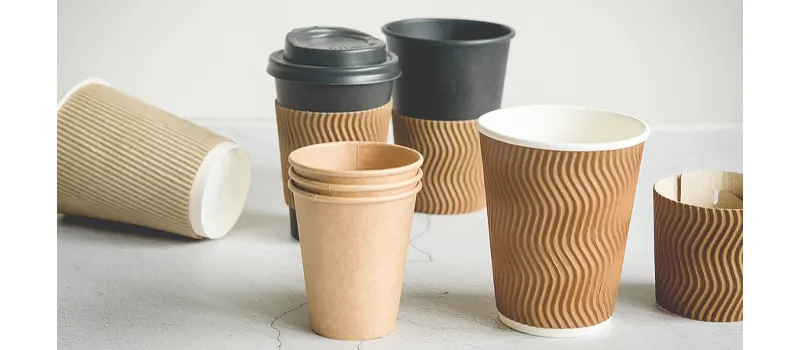
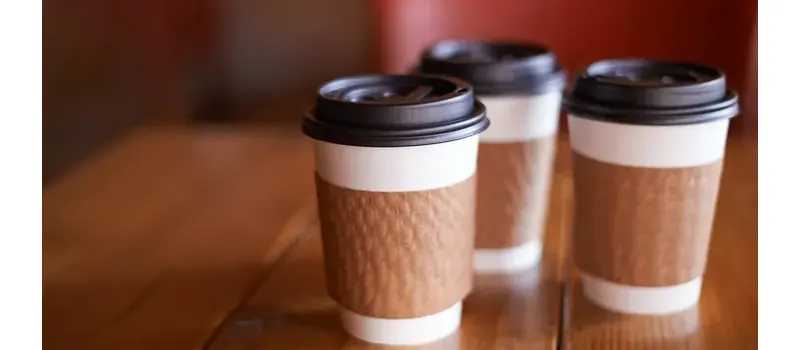
Paper coffee cups are usually made from food-grade paperboard with an inner lining that helps prevent leaks. Depending on the structure, paper cups can be made as single-wall, double-wall, or ripple-wall cups for different heat protection and cost needs.
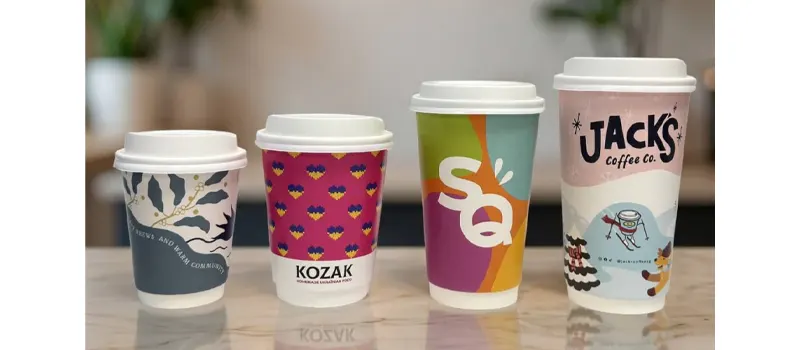
- Advantages: Paper coffee cups are suitable for hot drinks, easy to customize with logos, comfortable for branding, and available in many sizes and structures. Double-wall and ripple-wall versions also offer better heat protection.
- Disadvantages: Most paper coffee cups still need an inner coating to prevent leaking, so they are not always easy to recycle. Single-wall cups may also feel too hot to hold without a sleeve.
Single-Wall Paper Coffee Cups
Single-wall paper cups use one layer of paperboard, making them lightweight and cost-effective. They are suitable for short serving times and beverages that are not held for too long. For very hot coffee, they are often used with a cup sleeve to protect the customer’s hand.
Double-Wall Paper Coffee Cups
Double-walled paper cups have an extra outer paper layer that improves insulation. This makes hot drinks more comfortable to hold and helps reduce the need for a separate sleeve. They are a good choice for cafés that want a cleaner, more premium takeaway presentation.
Ripple-Wall Paper Coffee Cups
Ripple-wall paper coffee cups have a textured outer layer with a wave-like surface. This structure gives the cup a better grip and stronger heat protection. They are often used for premium takeaway coffee because they feel more comfortable in the hand and have a more noticeable appearance on the counter.
2. Compostable Coffee Cups
Compostable coffee cups are designed to break down under industrial composting conditions. Unlike traditional paper cups that often use plastic linings, compostable cups usually use plant-based coatings or natural fiber materials. However, compostable cups usually need proper commercial composting conditions, so businesses should check local disposal systems before choosing them.
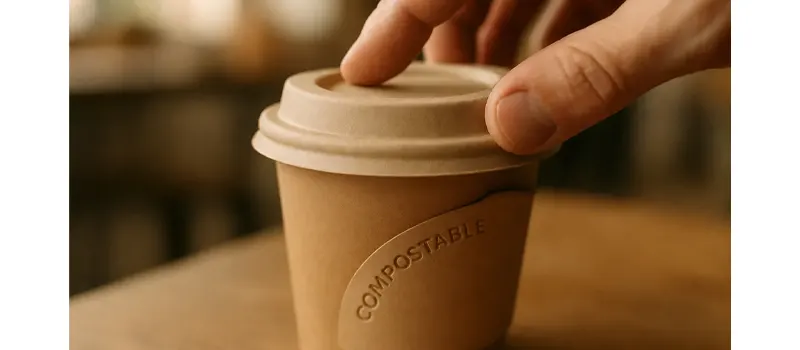
- Advantages: These cups help reduce reliance on traditional plastic coatings and support a more eco conscious brand image. They are useful for businesses that want to promote compostable or lower plastic packaging options.
- Disadvantages: Compostable does not always mean easy to dispose of. PLA lined cups usually need commercial composting facilities, and disposal rules vary by region. If local composting systems are not available, the real environmental benefit may be limited.
PLA Lined Compostable Cups
PLA-lined compostable cups are made from paperboard with a plant-based inner lining derived from renewable materials such as corn starch. The PLA layer helps the cup resist leaks while maintaining a structure similar to standard paper coffee cups.
Water-Based Coating Cups
Water-based coating cups use a thin water-based barrier instead of traditional PE plastic lining, helping reduce plastic content while still protecting the paperboard from heat and moisture. They are increasingly used as an alternative to recyclable coffee cup packaging because the coating integrates more easily with some paper recycling processes.
Bagasse Coffee Cups
Bagasse coffee cups are made from sugarcane fiber, which is the leftover plant material after sugar extraction. The material forms a thicker and more natural-looking cup structure with good heat resistance. Compared with traditional paper cups, bagasse cups usually contain less plastic and are often used as an alternative for eco-conscious takeaway packaging.
3. Plastic Coffee Cup
Plastic coffee cups are commonly used for cold coffee drinks and other chilled beverages. They offer high clarity, strong lid matching, and good display value for drinks with layers, toppings, or colors.
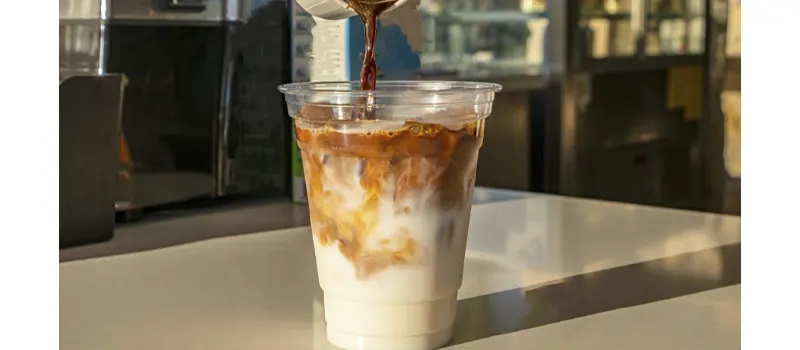
- Advantages: Plastic cups have excellent transparency, which makes cold drinks look more attractive. They are also lightweight, strong, and easy to pair with flat or dome lids.
- Disadvantages: Most plastic coffee cups are not ideal for hot coffee unless the material is designed for heat resistance. They may also face restrictions in markets with strict plastic packaging regulations.
PET (RPET) Cups
PET cups are clear and lightweight. They show the drink’s colour, foam, ice, and toppings clearly, which helps improve product presentation. RPET cups include recycled PET content, making them a better option for businesses looking to reduce virgin plastic use.
PP Injection Plastic Cups
PP injection plastic cups have better heat resistance than PET cups. They are stronger, more flexible, and suitable for some warm beverages, depending on the cup design. Their solid structure also works well for drinks that need stronger sealing or higher durability during takeaway.
PS Thermoforming Cups
PS thermoforming cups are usually lightweight and cost-efficient. They are commonly used for cold drinks where high transparency is not the main priority. Compared with PET, PS is more brittle, so it is often selected for lower-cost applications.
4. Foam Coffee Cups
Foam coffee cups are made from expanded polystyrene and are known for strong heat insulation. They keep hot drinks warm and make cups comfortable to hold without an extra sleeve. However, many markets use them less today because of recycling difficulty and environmental restrictions.
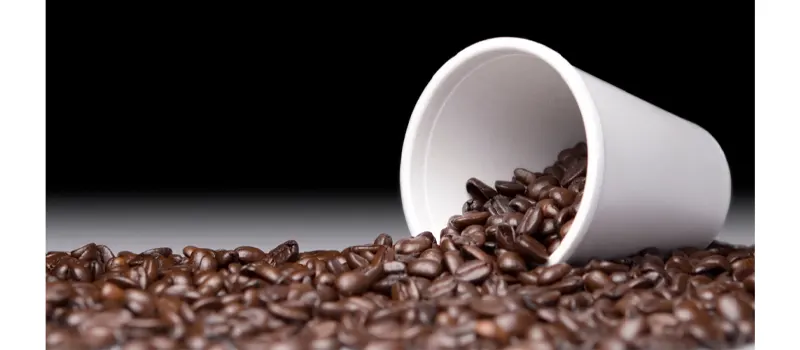
- Advantages: Foam cups keep drinks warm and protect hands from heat without needing a sleeve. They are also light, low cost, and easy to stack.
- Disadvantages: Foam coffee cups are less accepted in many markets because of environmental concerns and local packaging restrictions. They also offer limited branding value compared with printed paper cups.
Benefits of Using Disposable Coffee Cups
Disposable coffee cups have become a standard part of modern coffee service. They are lightweight and easy to store. Modern disposable coffee cups also come in different materials and structures, giving businesses more choices for insulation, branding, and sustainability.
Cleaner and More Hygienic
Disposable coffee cups are used once and discarded after use, which helps avoid repeated contact between different customers. Disposable coffee cups also reduce the need to wash and sanitize large numbers of reusable cups, helping staff save time during peak hours.
More Convenient for Takeaway
Disposable coffee cups are lightweight, portable, and easy to carry while commuting or traveling. Customers can drink coffee on the go without needing to return the cup or carry it after finishing the drink. Lids, sleeves, and secure cup structures also make hot drinks easier to transport with less risk of spilling.
Lower Daily Operating Costs
Reusable drinkware requires washing equipment, cleaning supplies, water, labor, and storage space. Disposable coffee cups reduce much of this extra operational work, helping businesses simplify daily management.
Better Heat Protection
Many disposable coffee cups are designed with insulated structures such as double-wall or ripple wall layers. These designs help reduce heat transfer and make hot drinks more comfortable to hold.
Easier Brand Promotion
Disposable coffee cups are often used as part of a brand’s visual identity. Logos, colors, slogans, and seasonal graphics can be printed directly onto the cup surface. For coffee shops and beverage brands, custom-printed cups also help increase visibility when customers carry drinks in public spaces.
Easy Bulk Storage and Supply
Disposable coffee cups are stackable and lightweight, making them easier to store, transport, and manage in large quantities. This is especially useful for coffee shops and food service businesses that require a stable daily supply.
Different Material Options for Different Needs
Disposable coffee cups are available in several material types, including PE-coated paper cups, PLA-coated compostable cups, and water-based coated paper cups. Businesses can choose different options depending on budget, local packaging regulations, environmental goals, and the type of drinks being served.
How to Choose the Right Disposable Coffee Cup?
Choosing the right disposable coffee cup needs to match the drink type, serving temperature, and takeaway style. Factors such as insulation, material strength, lid compatibility, branding, and cost all affect the final choice.
Choose Based on Drink Temperature
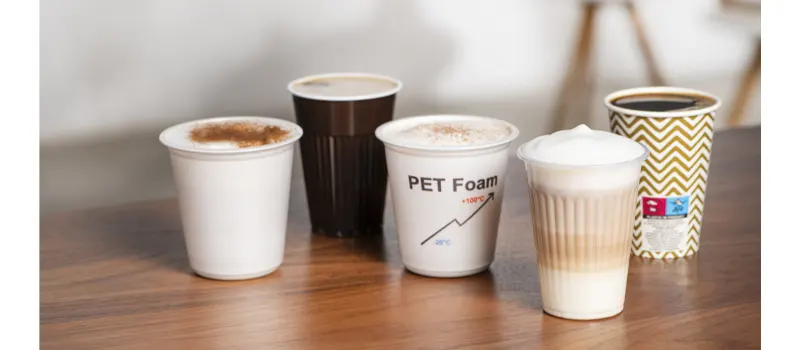
Hot and cold beverages require different cup materials and structures. Paper coffee cups are commonly used for hot drinks because they provide better insulation and a more comfortable holding experience. For extra heat protection, many cafés choose double-wall or ripple-wall cups. Cold drinks such as iced coffee and cold brew are usually served in PET plastic cups because the clear material improves drink presentation.
Consider the Takeaway Experience
If customers mainly drink coffee on the go, the cup should be easy to carry and resistant to leakage. Lid fit, cup strength, and insulation become especially important for takeaway and delivery orders. Weak cup structures may soften over time, while poor lid sealing can increase the risk of spills during transport.
Match the Cup to Your Business Positioning
Different cup styles create different brand impressions. Single-wall cups are more economical and often used for high-volume beverage sales. Double-wall and ripple-wall cups usually create a more premium appearance and improve customer comfort. Compostable coffee cups are often chosen by brands that want to emphasize sustainability-focused packaging.
Think About Printing and Branding
Disposable coffee cups are often part of the customer experience. Printed logos, colors, and cup designs can make a coffee brand more recognizable, especially for takeaway service. Paper cups are usually better for custom logos, seasonal graphics, and promotional designs because they provide a larger printable area.
Check Lid Compatibility
Not all cups use the same lid system. Before choosing a cup type, make sure matching lids are available for your required sizes and drink styles. Sip lids, flat lids, dome lids, and sealing film systems all require different cup structures.
Consider Storage and Supply Efficiency
Cup size and structure also affect storage and transportation. Ripple wall and double wall cups take up more space than single wall cups. Businesses with limited storage may prefer stackable designs that reduce warehouse and countertop pressure.
Check Local Packaging Requirements
Some regions have restrictions on plastic packaging and foam cups. Before choosing disposable coffee cups, businesses should check local regulations related to recycling, compostable packaging, or single-use plastics.
Balance Cost and Performance
The cheapest cup is not always the best long-term option. Low-cost cups may reduce insulation, leak resistance, or overall customer experience. Choosing the right balance between price, durability, appearance, and functionality is usually more important for long-term business use.
Conclusion
As coffee culture continues to grow, coffee cups are also changing from purely functional products into part of the overall brand experience. A cup that feels cheap can lower the perceived value of the drink itself. Even small packaging details can quietly affect repeat purchases and customer trust.
This is also why more businesses are moving beyond standard stock packaging and looking for coffee cups that better match their drinks, service style, and branding needs.
At Million Pack, we provide a wide range of disposable coffee cup solutions for our partners. By combining stable production, flexible customization, and practical packaging solutions, we help businesses create coffee packaging that works better for both operations and customer experience.
FAQs
Are Disposable Coffee Cups Recyclable?
Some disposable coffee cups can be recycled, but it depends on the cup material and the local recycling system. Standard paper coffee cups usually contain an inner lining that helps prevent leaks, and this extra layer can make recycling more complicated. Cups with food residue or liquid remaining inside may also be rejected during recycling.
Why Do Disposable Coffee Cups Need a Coating?
Paper alone cannot safely hold hot liquids for long periods because moisture and heat can weaken the material. The inner coating creates a protective barrier that helps prevent leaking, softening, and deformation. Different coatings are used depending on the cup type, including PE plastic, PLA bioplastic, and water-based coatings.
What is the difference between PE lining and PLA lining?
PE lining is a traditional plastic coating commonly used for leak resistance. PLA lining is made from plant-based materials and is often used in compostable coffee cups. The two materials look similar, but their disposal methods and environmental performance are different.
Why do some coffee cups feel hotter than others?
The heat protection depends on the cup structure. Single wall cups transfer heat more easily, while double wall and ripple wall cups include extra layers that improve insulation and make hot drinks more comfortable to hold.
Do Disposable Coffee Cups Affect Coffee Taste?
Cup material can slightly affect the drinking experience, especially temperature retention and mouthfeel. High-quality coffee cups with stable inner coatings are designed to minimize flavour transfer and maintain the original taste of the beverage more effectively.
What Sizes Are Disposable Coffee Cups Available In?
Disposable coffee cups are available in many sizes, including small espresso cups, standard takeaway coffee cups, and large cups for iced beverages. Common sizes include 4 oz, 8 oz, 12 oz, 16 oz, and 20 oz, but custom sizes are also available for different beverage programs.