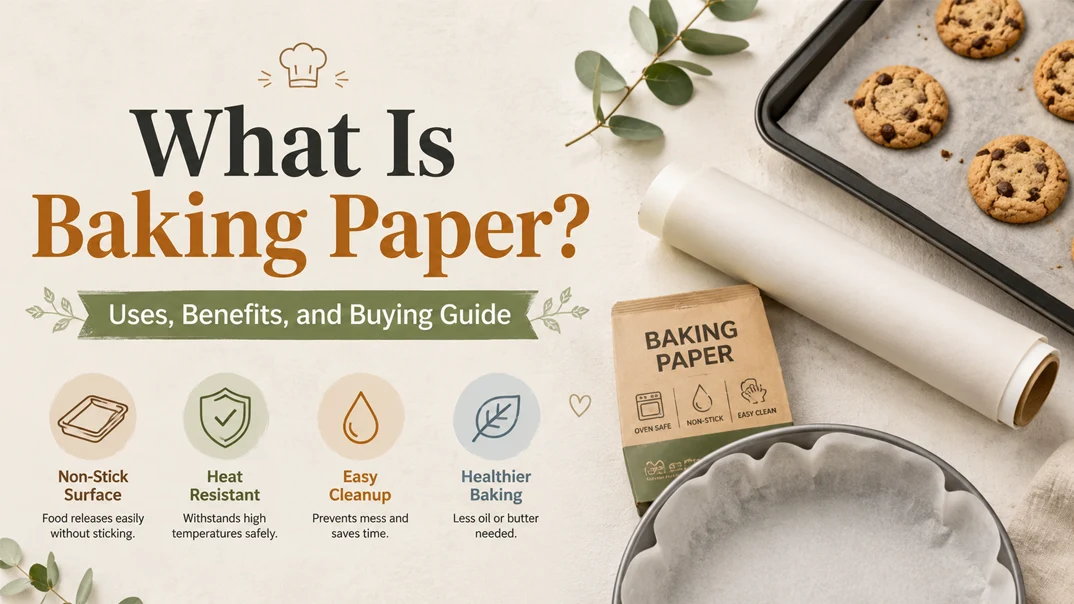
Nowadays, whether in food manufacturing plants, restaurants, or home kitchens, there is an increasing emphasis on safe and efficient cooking methods. Baking paper is one of the essential tools for enhancing baking results. This versatile kitchen staple, often referred to as parchment paper, offers numerous benefits that can improve both baking performance and food handling. In this article, we will explain what baking paper is, its common names, its advantages, and how to use it correctly.
What Is Baking Paper?
Baking paper is a type of kitchen paper used for baking bread or steaming food; it features a smooth surface and is both heat-resistant and non-stick. For bakeries, restaurants, and similar establishments, baking paper serves as a practical food-contact material that helps maintain food hygiene and aesthetic presentation, while also facilitating ease of handling and service.
How Does Parchment Paper Work?
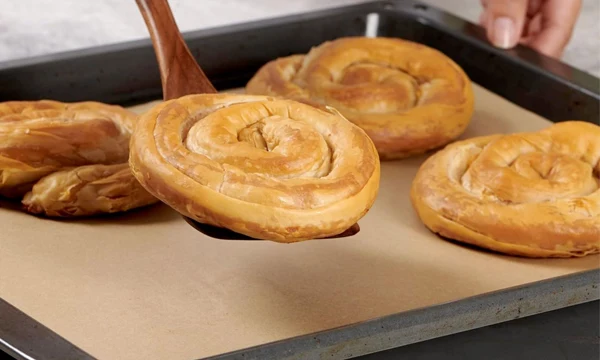
Parchment paper owes its effectiveness to a combination of heat-resistant surface treatments and a dense paper structure. It is designed to create a clean barrier between food and the baking sheet, thereby effectively preventing food from sticking or grease from seeping through, and avoiding direct contact between the food and the scorching metal surface.
Its non-stick properties stem primarily from its surface coating. Most parchment papers are treated with a layer of food-grade silicone, which gives the paper a smooth, slippery finish. This coating prevents dough, pastries, and meats from adhering to the paper’s surface during the baking process. Consequently, once baking is complete, the food can be easily removed without tearing or crumbling, and without leaving behind stubborn, heavy residue on the baking sheet that would be difficult to clean.
Furthermore, parchment paper is typically manufactured from dense cellulose fibers. During production, the raw paper base material may undergo special processing to ensure the fibers are packed more tightly, resulting in lower porosity. This treatment endows parchment paper with superior resistance to grease, moisture, and heat compared to ordinary paper.
High-quality parchment paper is typically designed to withstand high oven temperatures ranging from approximately 420°F to 450°F (though the specific temperature tolerance varies depending on the brand and product specifications). It can easily handle the standard dry-heat environment found within an oven without melting when heated—unlike wax paper. However, when using parchment paper, one should avoid allowing it to come into direct contact with open flames, heating elements, or extremely high-temperature environments; if its rated heat resistance limit is exceeded, the paper may scorch or even catch fire.
How Is Baking Paper Made?
The manufacturing process for baking paper consists of four main stages.
Pulping and Papermaking
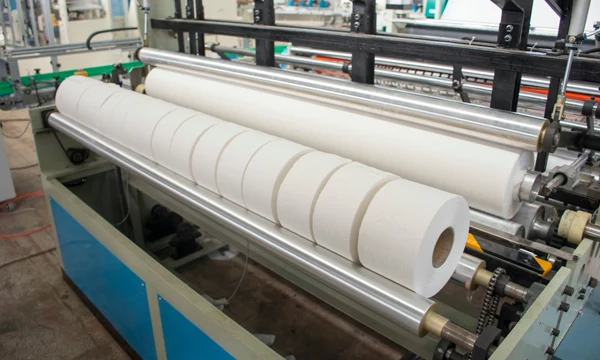
The raw material for baking paper typically comes from wood pulp, such as spruce or pine, or other suitable fibrous materials. These fibers are broken down and mixed with water to form a wet pulp. The pulp is then processed through large papermaking machines, where it is spread, pressed, and dried, ultimately forming a continuous roll of base paper.
Parchmentizing Treatment
Once the base paper has been formed, it typically enters the “parchmentizing” stage. During this stage, the paper is briefly subjected to a chemical treatment using sulfuric acid or zinc chloride within a controlled industrial environment. This treatment partially alters the molecular structure of the cellulose fibers, causing them to swell and fuse together. The purpose of this process is to seal the tiny pores within the paper’s structure. Once the fibrous structure becomes denser and its porosity is reduced, the paper’s resistance to oil, moisture, and heat is significantly enhanced.
Washing and Drying
After the parchmentizing treatment is complete, the paper must undergo a thorough washing process to remove residual chemical reagents and halt the chemical reaction. In some production processes, a neutralization treatment is also applied to ensure the paper possesses sufficient safety and stability before proceeding to subsequent processing stages. The washed paper is then dried using heated rollers; this process removes moisture while simultaneously flattening the paper’s surface and improving its smoothness and consistency.
Silicone Coating
The final stage is the silicone coating process. Depending on the specific application of the product, one or both sides of the paper are coated with a thin layer of food-grade silicone. It is this silicone coating that gives baking paper its signature smooth surface and ensures that food does not stick to it during baking, cooking, freezing, or food preparation. Finally, the coated paper undergoes drying and curing treatments to ensure that the silicone layer adheres firmly to the paper’s surface. Upon completion of production, the finished baking paper can undergo further processing—being converted into rolls, flat sheets, baking pan liners, or baking cups—or cut to specific dimensions as required, thereby meeting the diverse needs of various settings such as bakeries and restaurants.
Types of Baking Paper
Choosing the right baking paper depends on the type of food, temperature, cooking method, and end use. There are three main types of baking paper:
Parchment Paper
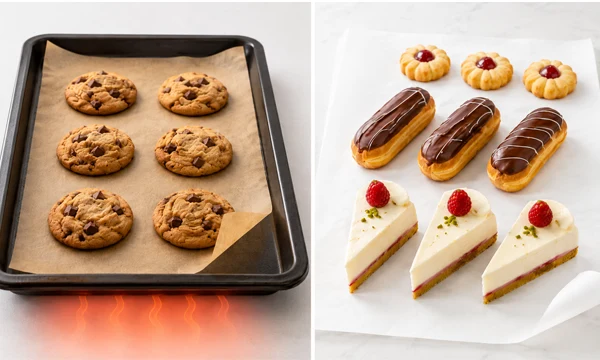
Parchment paper is the main type of baking paper used for oven baking and cooking. It is usually coated with food grade silicone, which gives it a non stick surface and allows it to withstand oven temperatures of around 425°F to 450°F, depending on the product specification. It is also grease resistant, making it suitable for lining baking sheets, cake pans, roasting trays, and food preparation surfaces.
For bakeries, restaurants, cafés, and food production businesses, parchment paper is often the safest and most practical choice when heat is involved. It helps prevent cookies, pastries, bread, cakes, and roasted foods from sticking to the tray, while also reducing cleanup time and improving product release.
Bleached Parchment Paper
Bleached parchment paper is white in color and has a clean, uniform appearance. It is often chosen for bakeries, dessert shops, and food brands that care about neat presentation. The white surface can make cookies, cakes goods look cleaner and more refined.
Unbleached Parchment Paper
Unbleached parchment paper is usually brown or natural colored. It is not whitened in the same way as bleached parchment paper, so it gives a more natural and eco friendly appearance. This type is often used by artisan bakeries that want a more natural packaging style.
Pre Cut Parchment Sheets
Pre cut parchment sheets are flat sheets that are already cut to standard tray or pan sizes. They save preparation time because users do not need to measure, tear, or trim paper from a roll. They also lie flatter on baking trays and do not curl as much as roll paper.
Wax Paper
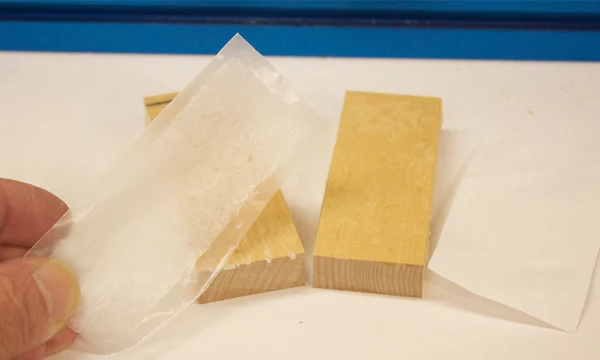
Wax paper is coated with a thin layer of paraffin wax or soybean wax. It has a smooth, moisture resistant, and non stick surface, but it is not heat resistant. When exposed to oven temperatures, the wax coating may melt, smoke, or burn, so wax paper should not be used as a replacement for parchment paper in baking.
Wax paper is better suited for cold preparation, wrapping, and storage. It can be used for rolling out dough, separating burger patties, wrapping sandwiches, storing candy, covering countertops, or separating food layers. For food service businesses, it is useful for handling and packaging cold or room temperature foods.
Pan Liners and Specialty Papers
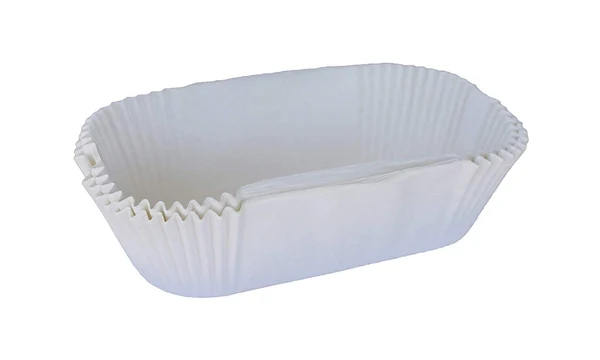
Pan liners and specialty papers are designed for more specific baking, preparation, or packaging needs. Some pan liners are made from parchment paper and cut into special shapes for baking trays, cake pans, air fryers, and molds. These products reduce manual cutting and make food preparation faster and cleaner.
Glassine paper is another specialty option. It is smooth, thin, and resistant to air and moisture, so it is often used for pastry boxes, candy wrapping, baked goods packaging, and delicate food presentation. However, not all specialty papers are suitable for oven use, so buyers should always check the product specification before using them with heat.
Key Features and Advantages of Baking Paper
Baking paper is widely used because it makes the baking process cleaner, easier, and more efficient. Its value comes from several practical features, including non-stick performance, heat resistance, moisture resistance, and improved food presentation. These characteristics help home bakers handle food more easily and also support commercial food businesses in improving workflow, product consistency, and daily operating efficiency.
Non-Stick Surface
One of the most important features of baking paper is its non-stick surface. This makes it much easier to remove food after baking, helping to prevent crumbling, tearing, or surface damage during the release process. For bakeries and food manufacturers, reliable non-stick performance can improve the appearance of baked goods and reduce product waste during large-scale production.
Heat Resistance
Baking paper is specifically designed to withstand standard oven temperatures. Depending on the product specification, it can typically tolerate temperatures ranging from 425°F to 450°F, approximately 218°C to 232°C. This makes it suitable for lining baking trays, cake pans, bread molds, and other baking surfaces where direct heat contact needs to be reduced.
Moisture Resistance
High-quality baking paper usually has a certain level of moisture resistance. It helps slow down the absorption of moisture from dough, fillings, sauces, or food juices, making it useful for ingredient preparation, baking, food wrapping, and short-term food storage. This feature helps keep both the food and the baking surface cleaner during handling.
Enhancing Food Presentation
Baking paper can also improve the visual presentation of food when it is served or packaged. Clean white baking paper gives baked goods a neat and refined appearance, while unbleached brown baking paper creates a more natural and eco-conscious look. For bakeries, cafés, and food packaging brands, the right paper can make products look cleaner, more professional, and better aligned with the brand image.
Reducing the Need for Additional Oil
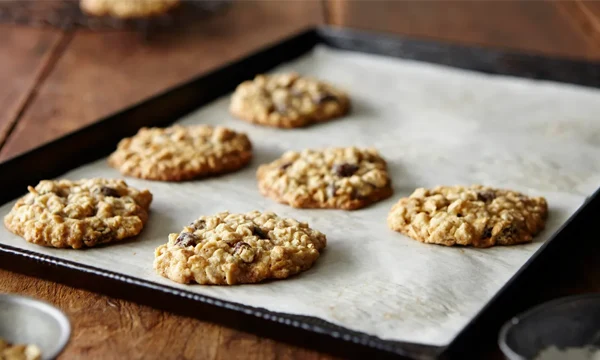
Because baking paper has a non-stick surface, it can reduce the need for extra oil, butter, margarine, or cooking spray in many baking applications. This helps prevent food from becoming overly greasy while also keeping pans and trays easier to clean. For commercial kitchens, using baking paper can also make production more consistent, because each batch is placed on a similar release surface instead of depending on manually applied oil.
Helping Reduce Uneven Browning
Baking paper creates a thin protective layer between the food and the hot metal surface. While it does not completely change the heating process, it can help reduce direct contact with hot spots on the tray and lower the risk of excessive browning, sticking, or burning on the bottom of baked goods. This is especially useful for cookies, pastries, cakes, and other delicate baked items that require a cleaner release and a more even finished appearance.
Baking Paper vs Greaseproof Paper
Baking paper and greaseproof paper are often used in similar food service situations, so many people confuse them. Both can help keep food cleaner and reduce oil stains, but they are designed for different purposes. Baking paper is mainly used for baking and heat applications, while greaseproof paper is mainly used for wrapping, serving, and packaging oily foods.
| Comparison Point | Baking Paper | Greaseproof Paper |
|---|---|---|
| Main Function | Provides a non-stick surface for baking and cooking. | Helps resist oil and grease penetration during wrapping or serving. |
| Surface Treatment | Usually coated with food-grade silicone for better release performance. | Usually treated to slow down grease absorption, but not always silicone coated. |
| Heat Resistance | Generally suitable for oven use, often around 425°F to 450°F depending on the product specification. | Not always suitable for oven use unless clearly marked as heat resistant. |
| Non-Stick Performance | Stronger non-stick performance, suitable for cookies, cakes, pastries, bread, and roasted foods. | Limited non-stick performance, mainly focused on keeping grease from soaking through. |
| Best Uses | Baking tray lining, cake pans, bread molds, cookies, pastries, and roasted foods. | Burgers, sandwiches, fried snacks, pastries, takeaway foods, and food basket liners. |
| Best Choice When | Food needs to be baked, heated, or removed cleanly from a tray or pan. | Food needs to be wrapped, served, separated, or packed with better oil control. |
How to Use Baking Paper Correctly
Using baking paper correctly can help prevent sticking, protect baking trays, and keep baked goods in better shape after baking. The following steps are especially useful when lining trays, cake pans, and molds.
Step 1: Cut the Paper to the Right Size
Before baking, cut the baking paper according to the shape and size of the tray or mold. For cake pans, the paper should cover the bottom neatly, and it can be slightly larger if you need extra support when lifting the cake out. A well-fitted sheet helps prevent batter from sticking to the pan edges and makes removal easier after baking.
Step 2: Keep the Paper Flat and Stable
Place the baking paper flat inside the tray or mold before adding batter or dough. If the paper moves or curls, use a small amount of butter, oil, water, or batter to hold it in place. This helps the paper stay smooth and prevents wrinkles from affecting the shape of cakes, cookies, or pastries.
Step 3: Use It Within the Recommended Heat Limit
Always check the heat resistance of the baking paper before placing it in the oven. Most baking paper can handle regular baking temperatures, but it should not touch open flames, heating elements, oven walls, or grill surfaces. Direct high heat can cause the paper to scorch or burn.
Step 4: Let Cakes Cool Before Removing the Paper
When baking cakes, do not remove the baking paper immediately after taking the cake out of the oven. Let the cake cool in the pan for a short time first, usually around 15 to 20 minutes. Cooling helps the cake structure become more stable, reducing the risk of cracking, tearing, or breaking during removal.
Step 5: Peel the Paper Away Slowly
After the cake has cooled, turn it out carefully onto a clean sheet of baking paper or another clean surface. Remove the pan first, then gently peel the baking paper away from the cake. Start from the outer edge and slowly move toward the center. This method helps protect the cake edges and keeps the surface cleaner.
Step 6: Replace the Paper When Needed
Baking paper may sometimes be reused, but only if it is still clean, flat, and undamaged. If it becomes dark, brittle, oily, torn, or heavily stained, it should be replaced. For commercial baking, fresh sheets are often better for maintaining hygiene and consistent product quality.
Step 7: Store It Properly
Keep baking paper in a dry, clean place away from moisture, dust, and strong odors. Storing it in its original packaging or a sealed bag helps protect the surface coating and keeps it suitable for direct food contact.
Conclusion
At Million Pack, we are dedicated to providing practical and reliable food packaging solutions for restaurants and various food service businesses. Our product line encompasses baking paper, food containers, cutlery, cups, lids, takeout boxes, bowls, and a wide range of other packaging consumables, all designed to provide comprehensive support for your daily operations. Leveraging our flexible customization services, large-scale supply capabilities, and extensive experience in food packaging manufacturing, Million Pack empowers businesses of all types to precisely select packaging solutions that perfectly align with their specific product characteristics, brand image, and service requirements.
Baking Paper: Frequently Asked Questions
Can baking paper be used in an oven?
Yes. Most baking papers are specifically designed for oven use and can typically withstand standard baking temperatures—generally ranging from around 425°F to 450°F, depending on the specific product specifications. However, when using it, you should avoid allowing the baking paper to come into direct contact with open flames, heating elements, oven walls, or grill grates.
Which side of the baking paper should face the food?
Many baking papers feature a coating on both sides, so either side can be placed against the food. If the paper is coated on only one side, you should typically place the smoother or glossier side toward the food, as this side generally offers superior non-stick properties.
Can baking paper be reused?
Baking paper can sometimes be reused, provided it remains clean, dry, and intact. However, once the paper becomes discolored (darkened), brittle, saturated with grease, torn, or heavily stained, it should be discarded and replaced—particularly in commercial foodservice or baking production environments.
What is the difference between white and brown baking paper?
White baking paper is typically bleached, giving it a clean and refined appearance, whereas brown baking paper is generally unbleached, offering a more natural look. As long as they are food-safe, properly coated, grease-resistant, and suitable for the required temperature range, both types of baking paper deliver excellent performance.
Does baking paper contain PFAS (per- and polyfluoroalkyl substances)?
Not all baking papers contain PFAS. Many suppliers now offer PFAS-free baking paper; however, this depends on the specific base paper and coating ingredients used. Commercial buyers should request product technical data sheets, food contact safety certifications, and PFAS-free declarations from their suppliers if this is a requirement.
Can baking paper be printed on for food packaging purposes?
Some food-grade papers can be printed on for branding purposes; however, baking paper coated with silicone oil may not always be suitable for printing, as ink adhesion on a silicone coating is often poor. If the printed surface will come into direct contact with food, the purchaser must verify that both the inks and the paper used comply with food safety standards.
Is Baking Paper Biodegradable?
Some types of baking paper—particularly those that are unbleached or hold relevant certifications—may possess biodegradable or compostable properties. However, baking paper coated with silicone oil is not universally accepted by all composting systems; therefore, when making a selection, purchasers should carefully examine the product’s base material, coating composition, and relevant certification details.
How Should Baking Paper Be Stored?
Baking paper should be stored in a clean, dry environment, away from moisture, dust, high temperatures, and items with strong odors. Storing it in its original packaging box or in a sealed bag helps protect its surface coating, thereby ensuring that it consistently meets the hygiene and safety requirements for direct food contact.