Pet-friendly services are becoming a simple way for cafes and beverage brands to build stronger connections with customers. Among these ideas, pup cups have gained popularity because they allow businesses to welcome pet owners with a small but memorable offering.
But creating a successful pup cup experience requires more than adding whipped cream to a cup. The right disposable cup needs to support safe serving, consistent portions, attractive presentation, and efficient daily operations. This article will help you understand pup cups and choose the right cups for your business needs.
What Is a Pup Cup?
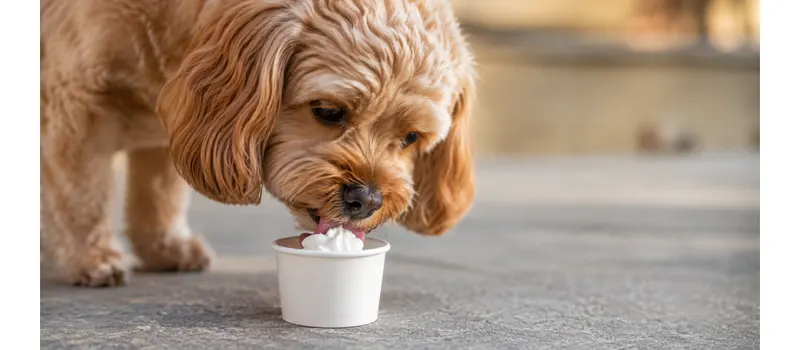
A “pup cup” is a treat specifically made for pets and served in a small cup. Some pet-friendly businesses, such as cafes and restaurants, often include it as a simple menu option for customers with pets. The most common version usually contains a small amount of whipped cream, but you can also use plain yogurt, pumpkin, mashed banana, dog-friendly frozen mixes, or biscuit crumbs as toppings.
The Origins of the Pup Cup
The pup cup does not have one clearly documented inventor. It developed informally as cafés began giving dogs a small cup of whipped cream while their owners ordered drinks. The idea became widely recognized through Starbucks’ off-menu “Puppuccino,” which was already receiving national attention by the mid-2010s. Starbucks subsequently registered the trademark in 2021. Today, dog cups are prevalent in many restaurants and cafes, becoming a common way to attract customers.
Benefits of Pup Cup for Your Business
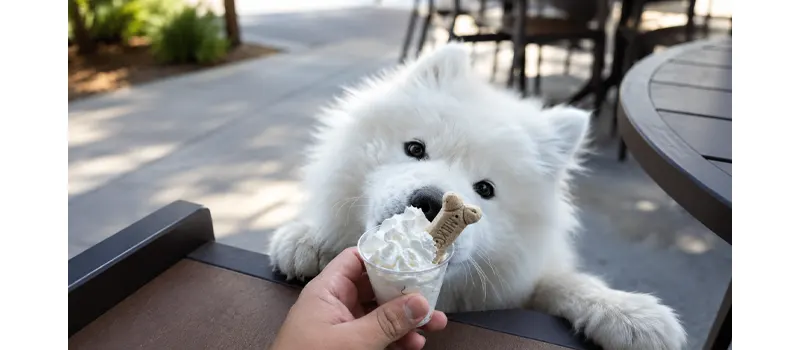
Adding pup cups gives pet owners another reason to visit while expressing a warm, inclusive value: people and animals are both welcome in the experience you create. Because the item is simple to introduce, you can communicate this sense of care without making major changes to your menu.
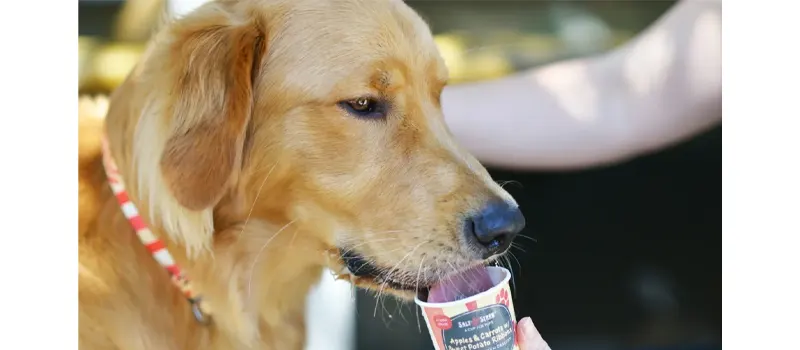
Pup cups can also create natural social media exposure for your business. Because customers often like to photograph or film their dogs enjoying the treat. The effect is even better when your pup cups feature your logo or a distinctive design. This gives your packaging a practical branding role without making the experience feel overly promotional.
From an operational perspective, a pup cup can be inexpensive and quick to prepare when you use a fixed recipe, serving amount, and small disposable cup. You can offer it free with a purchase, sell it as a low-cost add-on, or include it in seasonal pet-friendly promotions. All of these will bring good foot traffic to your store.
Is a Pup Cup Safe for Dogs?
Pup cup may be suitable as an occasional treat for healthy adult dogs, but it is not safe for every dog. Traditional recipes often contain whipped cream or other dairy ingredients, which may cause digestive discomfort in dogs that do not tolerate lactose well. High-fat treats also unsuitable for dogs with pancreatitis, food allergies, weight concerns, or a veterinarian-prescribed diet. For the sake of your brand’s reputation, we recommend that you prepare your pup cups as follows:
Build Safety into Your Recipe
Before adding a pup cup to your menu, you should create a fixed recipe rather than allowing staff to use whatever toppings are available. You need to know clearly which foods dogs absolutely cannot eat. Chocolate, coffee, caffeine, grapes, raisins, alcohol, and xylitol must be excluded. Be especially careful with sugar-free syrups, yogurt, peanut butter, and other prepared products, since xylitol may appear under the name “birch sugar.”
Keep the Portion Small
A pup cup should be treated as a small extra, not a meal. Using a standard scoop and a small disposable cup helps your staff serve consistent portions. And give appropriate reminders when pet owners want to offer more treats.
Give Customers Clear Information
You should display the main ingredients on your menu, counter sign, cup, or QR code, and train staff to answer basic questions about dairy and added sweeteners. Avoid describing the item as safe or healthy for every dog. You need to remind the owner should make the final decision based on the dog’s age, health, allergies, and normal diet. Offering a simple dairy-free version can also make the menu more practical for customers whose dogs do not tolerate traditional whipped cream.
Store Separately and Clean up Promptly
Keep disposable cups for pets separate from other paper cups to avoid creating a bad experience for other customers. After the meal, promptly remove the paper cups to prevent pets from tearing them apart and accidentally ingesting them.
What Type of Disposable Cup Is Best for Serving Pup Cups?
When choosing a paper cup for your pup cup menu, you need to balance four practical factors: purchasing cost, customer experience, staff efficiency, and brand visibility. We recommend evaluating the paper material, capacity, coating, strength, printing and cost as one complete serving system.
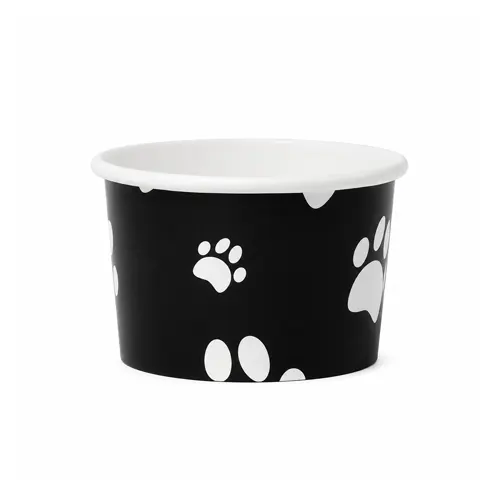
Choose the Right Paper Material
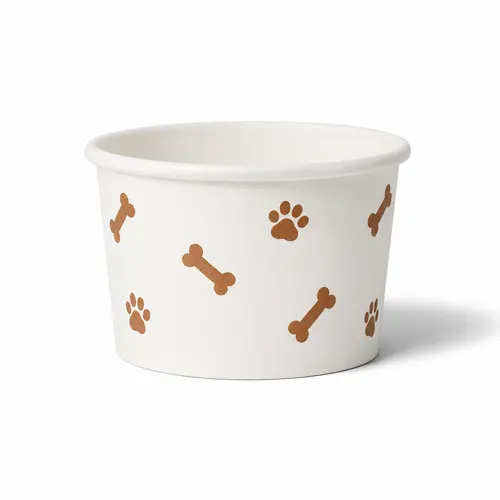
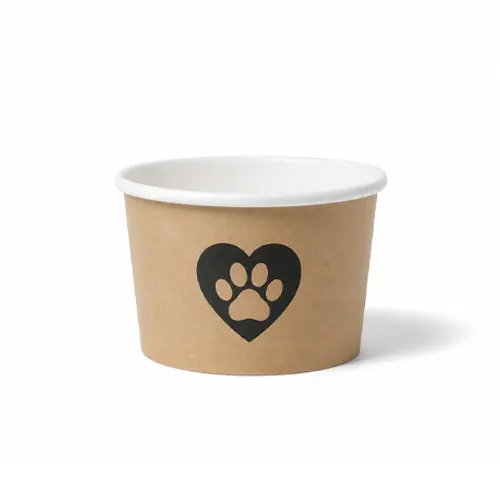
The paper material affects cup strength, appearance, printing, and cost. Common options include:
- White virgin-fibre paperboard: Strong, smooth, and suitable for full-colour printing. If you want a clean look, clear logo colours, and consistent performance, you can choose this option.
- Kraft paperboard: Has a natural brown appearance and works well with simple logos or one-colour designs. It suits brands that want a rustic or natural style, but printed colours may appear darker.
- Bamboo-fibre paperboard: Made partly or fully from bamboo pulp. It offers a natural material story but usually costs more than standard cupstock. Choose it when sustainable material positioning is important to your brand.
- Recycled paperboard: Can reduce the use of virgin fibre, but stiffness, colour, and food-contact suitability may vary. Ask your supplier for compliance documents and confirm whether the inner food-contact surface is approved for your market.
Whatever you choose, test the finished cup with your recipe and confirm that the paper is suitable for direct food contact. If you are unsure how to decide, please feel free to contact us; we will provide you with professional support.
Select a Practical Pup Cup Size
Pup cups are treats, so larger portions are not better for dogs’ health. A 3–5 oz paper cup is usually enough for a small serving. Smaller cups are also easier for small dogs to reach into. And many businesses offer pup cups for free; a compact cup also helps control packaging and ingredient costs.
Consider the Opening and Depth
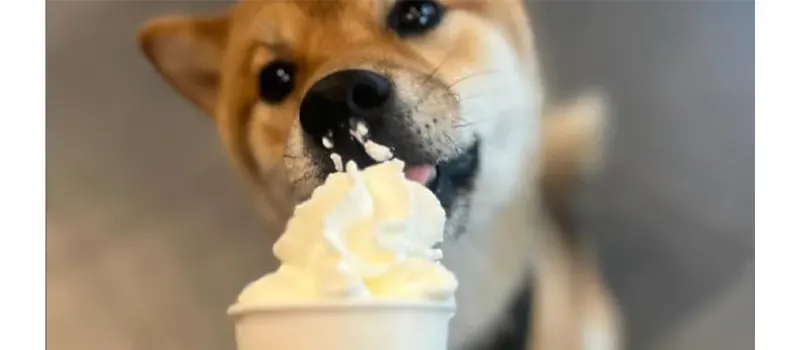
You should choose a cup with a wide opening and a relatively shallow shape. Dogs should be able to reach most of the treat without the owner tearing or squeezing the cup. Test the cup with small dogs and short-nosed breeds, as these customers are most affected by narrow or deep designs.
Match the Coating to the Recipe
Paper material gives the cup its structure, while the coating protects it from moisture and grease. You should choose the barrier according to what you plan to serve and how long it will stay in the cup.
PE-coated paper cups are widely used and provide reliable moisture resistance for whipped cream, yogurt, and soft mixtures. PLA-coated cups may suit businesses seeking plant-based lining options, although their end-of-life value depends on access to suitable composting facilities. Water-based barrier cups are another option, but their performance can vary by recipe and holding time.
Before approving a cup, fill it with your product and test it under real conditions:
- Check it immediately after filling.
- Leave it for the expected customer waiting time.
- Test chilled or frozen storage when relevant.
- Look for softening, leaks, seam failure, or coating separation.
- Repeat the test with toppings and sauces included.
A cup that performs well with dry samples may react differently once it holds dairy, fat, or frozen ingredients.
Check Cup Strength and Rim Quality
Your customer will often hold the cup with one hand while the dog eats, so the cup should not collapse under light pressure. Check the sidewall, bottom seam, and overall shape after filling.
The rolled rim should feel smooth and even. Reject cups with rough fibres, uneven curling, cracks, or loose paper around the edge. These defects affect presentation and may hurt the dog’s mouth during use.
Use Custom Printing to Support Your Brand
Pup cups are often photographed, so the packaging can extend your brand beyond the store. A clear logo or distinctive design helps viewers connect the shared photo with your business. But you should keep the design simple because pup cups have limited printing space. A clear logo, short product name, social media handle, or ingredient QR code is usually enough. Request a printed sample before production to confirm colour contrast, logo size, and QR-code readability.
FAQs
What is in a Pup Cup?
There is no standard recipe. Most cafes offer a small amount of whipped cream, while some use soft-serve ice cream, plain yogurt, pumpkin puree, or pet-friendly frozen mixes. Ingredients vary from shop to shop.
Where did the idea of a pup cup come from?
Pup cups appear to have grown from an informal café habit: staff would offer a little whipped cream to dogs waiting with their owners. Photos and videos helped turn this small gesture into a widely recognized pet-friendly menu item.
Why are dogs obsessed with pup cups?
Dogs are usually attracted to the rich smell, soft texture, and fat in whipped cream or treats. They may also learn to connect the pup cup with a reward, so their excitement builds before they even taste it. That enthusiasm does not mean they need a large portion; dairy, sugar, and fat should still be limited.
What should staff say if a dog has allergies or health problems?
Your staff should provide the ingredient information without deciding whether the treat is suitable for the dog. Let the owner make that decision, and avoid presenting the pup cup as safe for every pet.
Can pup cups be prepared in advance?
That depends on the recipe. Frozen products can often be portioned ahead, while whipped toppings are usually better prepared closer to serving. Follow the storage requirements of each ingredient and label pre-portioned items clearly.
Conclusion
A pup cup can be a simple but valuable addition to your menu. It helps you welcome pet owners, communicate a pet-friendly brand, and create moments customers want to share. At Million Pack, we help cafés and distributors match disposable cups to their pup cup needs, so you can balance cost, service efficiency, and brand presentation.