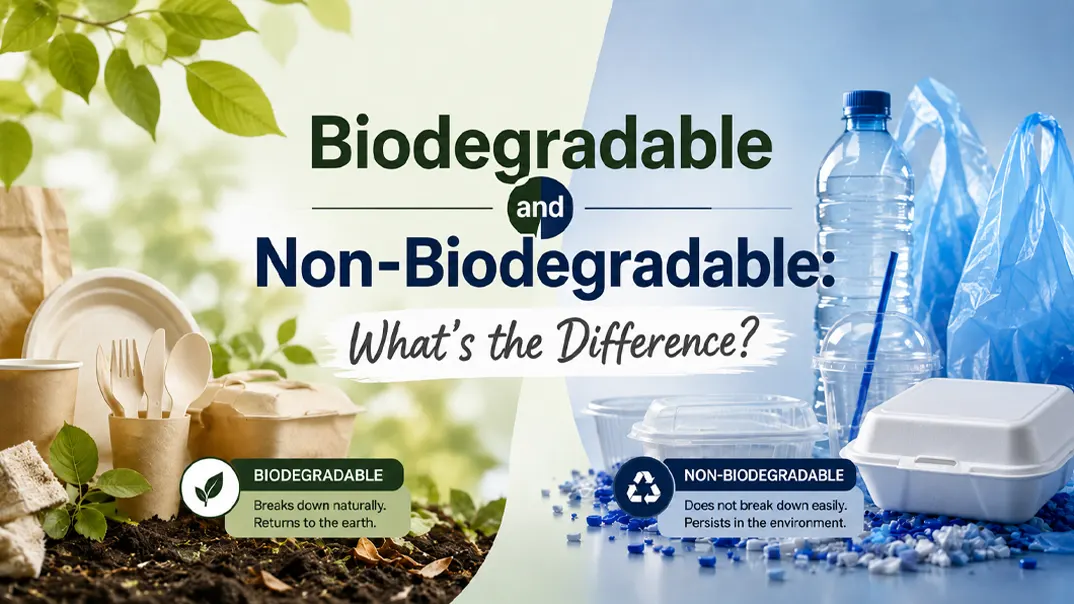
Biodegradable and non-biodegradable materials differ in how they break down after use, and understanding that difference can help you make better packaging choices. In this guide, you will learn what biodegradable and non-biodegradable mean, how the two types of materials compare, which common packaging materials belong to each group, and what to consider when choosing between them for different products and business needs.
What Is Biodegradable and Non-Biodegradable?
Biodegradable and non-biodegradable are terms used to describe what happens to a material after it is discarded. The main difference is whether natural biological processes can break the material down over time.
What Is Biodegradable?
A biodegradable material can be broken down by microorganisms such as bacteria and fungi under suitable conditions. During this process, the material gradually changes into simpler substances such as water, carbon dioxide, and organic matter.
How quickly this happens depends on the material and the environment. Temperature, moisture, oxygen, and microbial activity can all affect the breakdown process. This means biodegradable does not necessarily mean a product will disappear quickly in any environment.
What Is Non-Biodegradable?
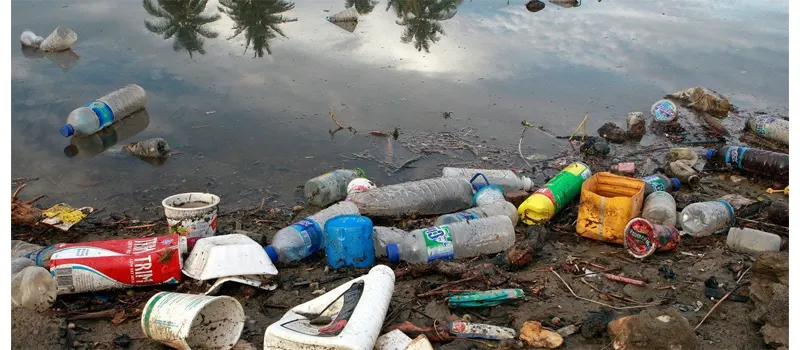
A non-biodegradable material does not break down easily through natural biological processes. It can remain in the environment for a long time after disposal.
Over decades or centuries, elements like prolonged UV radiation (photodegradation) and physical friction cause items such as standard PET cold cups and PP disposable cutlery to physically fracture. This weathering process does not return the materials to base natural elements; rather, it fragments them into microplastics. These microscopic synthetic particles retain their original chemical composition and permanently accumulate within soil profiles and marine ecosystems.
What’s the Difference Between Biodegradable and Non-Biodegradable?
The fundamental differences between biodegradable and non-biodegradable materials hinge on their decomposition mechanisms, required timelines, and ultimate environmental residues.
| Parameter | Biodegradable Materials | Non-Biodegradable Materials |
| Decomposition Mechanism | Broken down mainly by microorganisms such as bacteria and fungi under suitable conditions | Do not readily break down through biological processes; may slowly fragment through UV light, heat, or physical wear |
| Required Timeframe | Weeks to months (often requiring specific conditions, e.g., >50°C for PLA) | Hundreds to thousands of years (permanent chemical persistence) |
| End Products | Non-toxic natural elements (H2O, CO2, methane, organic biomass) | Microplastics and synthetic molecular residues |
| Material Origins | Renewable bio-based resources (plant fibers, cellulose, starch) | Non-renewable petrochemicals (crude oil, natural gas) and synthetic resins |
| Disposal Options | May be composted, recycled, or disposed of depending on the material and local facilities | Commonly recycled, incinerated, or sent to landfill |
| Main Limitation | Some materials require specific industrial conditions to break down effectively | Long-term persistence can create waste and environmental management challenges |
| Environmental Impact | Closes the biological cycle; harmless if properly composted | Accumulates permanently in soil and oceans; disrupts ecosystems |
Common Examples of Biodegradable and Non-Biodegradable Materials
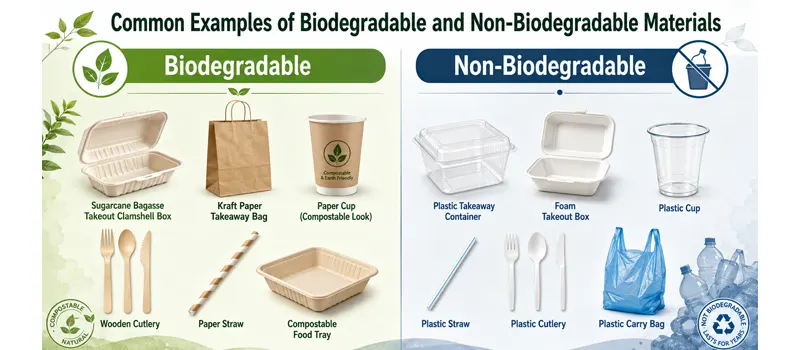
Many everyday products are made from a mix of biodegradable and non-biodegradable materials. Knowing which group a material belongs to helps you understand how it should be handled after use and whether composting, recycling, or another disposal method is more suitable.
You can find biodegradable and non-biodegradable materials almost everywhere in daily life. Some are easy to identify, while others are less obvious because coatings, treatments, or mixed materials can change how they break down.
Biodegradable Materials
Biodegradable materials can be broken down by microorganisms under suitable conditions. Many come from plants, animals, or other biological sources, but how quickly they decompose depends on the material and the environment.
Common examples include:
- Food waste: Fruit peels, vegetable scraps, and other organic waste can break down relatively quickly when moisture, temperature, and microorganisms are suitable.
- Paper and cardboard: These are mainly made from cellulose fibers and can biodegrade. Coatings, laminations, or plastic layers may slow the process.
- Wood and bamboo: Untreated wood and bamboo can naturally decompose, although thicker products generally take longer than small pieces or fibers.
- Natural fibers: Cotton, hemp, jute, and wool are generally biodegradable, but synthetic blends, dyes, and surface treatments can affect decomposition.
- Bagasse: This plant fiber comes from sugarcane residue and can break down under suitable composting conditions.
- PLA: PLA is a plant-derived bioplastic, but it is different from materials such as paper or food waste. It generally requires controlled industrial composting conditions rather than simply breaking down quickly in soil or landfill.
So, when you see the word biodegradable, do not assume that every material decomposes at the same speed or under the same conditions.
Non-Biodegradable Materials
Non-biodegradable materials cannot be readily broken down by microorganisms. They may remain intact for a long time or gradually become smaller through sunlight, heat, friction, or weathering rather than true biological decomposition.
Common examples include:
- PE (Polyethylene): Used in many everyday plastic products and valued for its flexibility and moisture resistance.
- PP (Polypropylene): A strong, heat-resistant plastic commonly found in containers, household items, and textiles.
- PET: Frequently used in bottles and clear plastic products. It does not biodegrade, although it can be recycled in many places.
- Polystyrene: Lightweight and durable, but it can persist for long periods and gradually fragment into smaller pieces.
- Synthetic fibers: Polyester, nylon, and acrylic are designed to be durable and do not readily biodegrade.
- Glass: Glass does not biodegrade and can remain unchanged for a very long time, but it can be recycled repeatedly.
- Metals: Aluminum and steel are non-biodegradable. They may corrode over time, but corrosion is not the same as biodegradation.
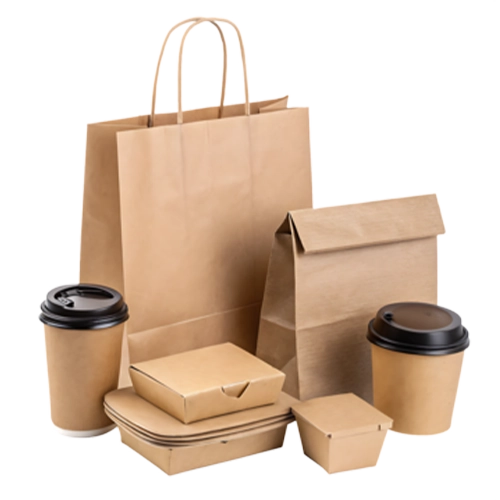
The material alone does not always determine how a finished package should be classified. A paper cup, for example, may contain a PE or PLA coating, while a paper food box may include a plastic or water-resistant layer. For this reason, the full packaging structure should be considered rather than only the main material.
How to Choose Between Biodegradable and Non-Biodegradable Packaging?
Food packaging can be made from biodegradable or non-biodegradable materials, but the difference is not simply whether one is “good” and the other is “bad.” You need to look at how the package will be used, what performance it must provide, and what happens to it after use.
Start With the Performance Your Product Needs
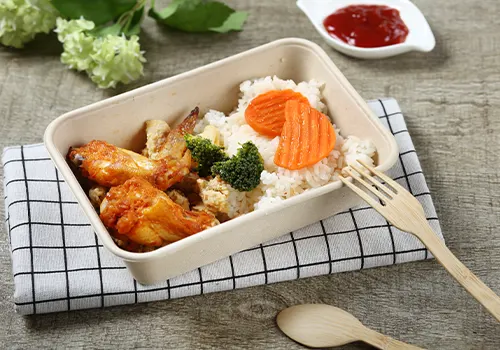
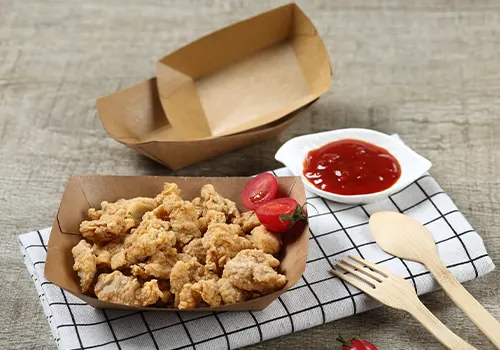
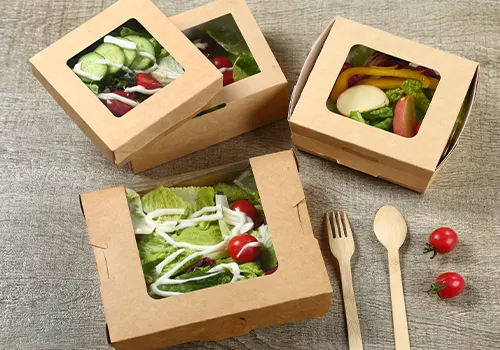
Choose the material that can protect your product first. If you are packing dry food or products with a short use cycle, paper, bagasse, or other biodegradable options may already provide enough performance. If the product needs strong resistance to moisture, oil, heat, or a long storage period, you may need a higher-performance coating or a non-biodegradable material such as PE, PP, or PET.
Audit Local Waste Capabilities
A biodegradable material only makes sense when there is a realistic way to process it. If your target market has industrial composting or an established organic-waste system, compostable packaging can be a practical choice. If those facilities are not available but plastics such as PET or PP are widely collected and recycled, a recyclable non-biodegradable option may actually have a clearer end-of-life route.
Confirm Destination Compliance & Bans
Local regulations can quickly narrow your choices. If the country or city where you sell restricts certain single-use plastics, you may need to move toward paper, fiber-based, or certified compostable alternatives. If conventional plastics are still permitted, you have more flexibility to compare performance, cost, and disposal options. For international sales, check the regulations in each destination rather than using one material specification for every market.
Align Material Stability with Product Lifespan
Short-use products and long-life products should not be treated the same way. Packaging used for a meal, drink, or other product consumed soon after purchase may be a good candidate for biodegradable materials. Products that need months of storage, strong sealing, or stable barrier performance may be better suited to durable non-biodegradable materials. The longer the required shelf life, the more important material stability becomes.
Evaluate Costs After Performance Tests
Price should help you choose between suitable options, not decide the material before performance is checked. Once you have identified materials that meet your product and market requirements, compare unit cost, minimum order quantity, production lead time, and supply stability. A slightly cheaper package can become expensive if it causes leakage, shortens shelf life, or cannot meet local regulations.
Check Whether the Supplier Can Provide Stable Material Quality
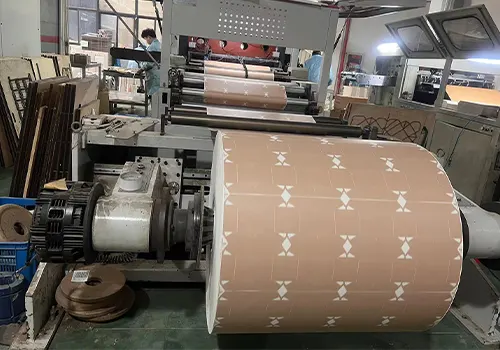
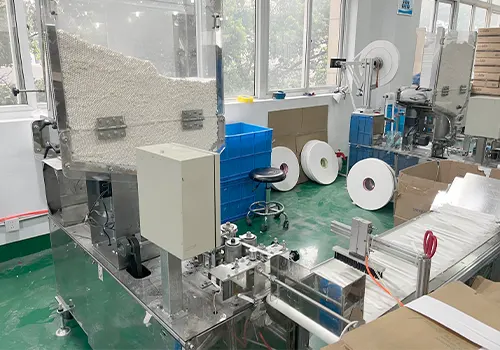
The same material name does not always mean the same performance. Paper weight, coating thickness, resin grade, fiber quality, and production process can all affect the final product. Before you confirm a material, ask whether the supplier can keep these specifications consistent from one order to the next.
Ask What Documentation the Supplier Can Provide
Your supplier should be able to support the material claims with clear documentation. If you need food-contact compliance, compostability testing, material specifications, or other market-specific documents, confirm them before placing the order. This helps you avoid choosing a material that performs well but cannot support the claims or compliance requirements in your target market.
Consider Lead Time and Raw Material Availability
Some specialty biodegradable materials may have longer lead times or less stable availability than common PE, PP, or PET materials. If you have seasonal demand or fixed delivery schedules, ask whether the raw material is regularly stocked and how long replenishment usually takes.
Ask for Alternatives Instead of Only One Material
A good supplier should be able to give you more than one workable option. For example, if your first choice is too expensive, difficult to source, or unsuitable for your market, the supplier should be able to suggest another material or coating that still meets your main requirements. Comparing two or three realistic options is usually more useful than asking only, “Do you have biodegradable packaging?”
Test Before Moving to a Large Order
Do not rely only on a material specification sheet. If the packaging will hold hot drinks, greasy food, frozen products, or liquids, test the actual sample under real-use conditions before placing a large order.
FAQs
Can biodegradable materials break down in a landfill?
Sometimes, but often much more slowly. Landfills usually have limited oxygen, moisture, and microbial activity, so even biodegradable materials may remain for a long time. This is why the disposal environment matters just as much as the material itself.
Does biodegradable mean environmentally friendly?
Not automatically. You should also consider how the material is produced, how much energy it uses, how long it lasts, and what happens to it after disposal. A biodegradable product that ends up in the wrong waste stream may offer less environmental benefit than expected.
Can biodegradable plastics break down in the ocean?
You should not assume they can. Many biodegradable plastics are designed to break down only under controlled composting conditions and may remain in marine environments for much longer. Always check the specific material and its certified disposal conditions.
Can non-biodegradable materials still be recycled?
Yes. While non-biodegradable materials cannot be digested by microorganisms, pure materials—such as aluminum, glass, and specific thermoplastics like PET and PP—possess extremely high mechanical recycling value and can be continuously reprocessed.
How can you tell if a product is really biodegradable or compostable?
Do not rely only on words such as “green,” “eco,” or “biodegradable” on the label. Check the material specification, test reports, certification, and the conditions required for breakdown. For compostable products, recognized compostability standards provide a much clearer basis for comparison.
Does biodegradable packaging have a shorter shelf life?
Not always, but some biodegradable materials are more sensitive to heat, humidity, or storage conditions than conventional plastics. If you are ordering large quantities or storing packaging for several months, check the recommended storage temperature, humidity, and shelf life before purchasing.
Conclusion
The most useful way to think about biodegradable and non-biodegradable materials is to move beyond the label itself. A material only becomes a good choice when it fits the way the product will be used, the market where it will be sold, and the waste system available after use.
If you are comparing different packaging materials, focus on the full picture before making a decision. Million Pack can help you compare material options, coatings, product performance, and market requirements so you can choose a solution that is both practical for your business and suitable for your target market.