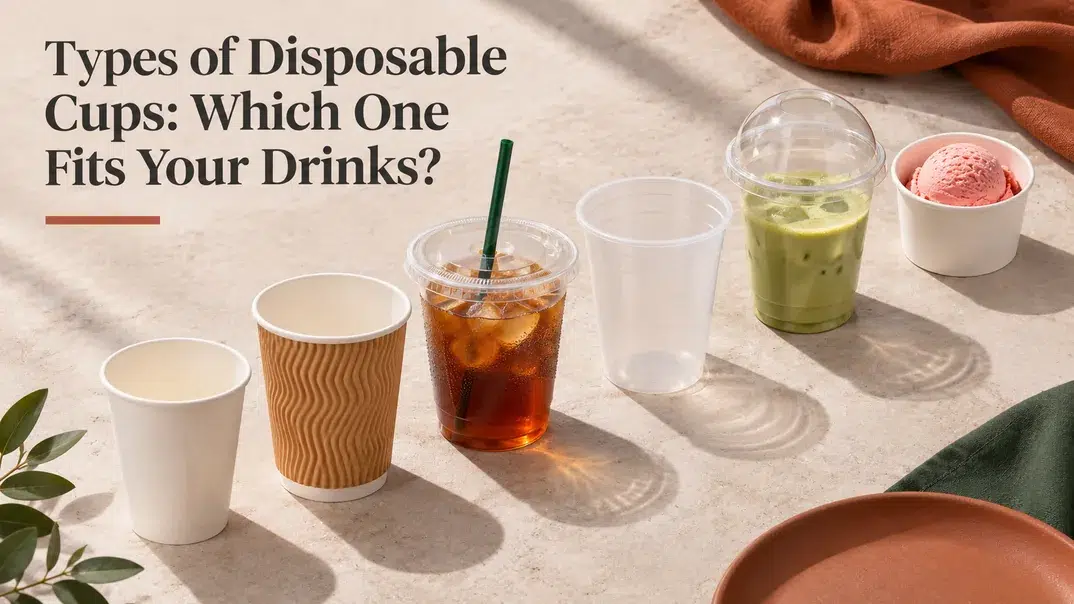
Which cup should you use for hot coffee, iced drinks or dessert? A single-wall paper cup may need a sleeve for coffee. A clear PET cup shows off an iced drink but is not made for hot coffee. Even two cups labelled 12 oz can need different lids. Below are the main types of disposable cups, what each is made for and the details to check before you put them into service.
What Are the Main Types of Disposable Cups?
For foodservice, the useful first split is between paper beverage cups, clear plastic cold cups, insulated hot cups and cups made for food such as ice cream. Foam cups still exist in some markets. The names overlap: a double-wall cup is also a paper cup, while a PLA cup can mean a clear cup made of PLA or a paper cup with a PLA lining.
| Cup type | Common use | What to check first |
|---|---|---|
| Single-wall paper | Coffee with a sleeve, tea, water, some cold drinks | Lining, hand comfort and condensation |
| Double-wall or ripple-wall paper | Hot drinks carried in the hand | Insulation, bulk and lid fit |
| Paper cold cup | Iced drinks or fountain drinks | Outside moisture resistance and time on ice |
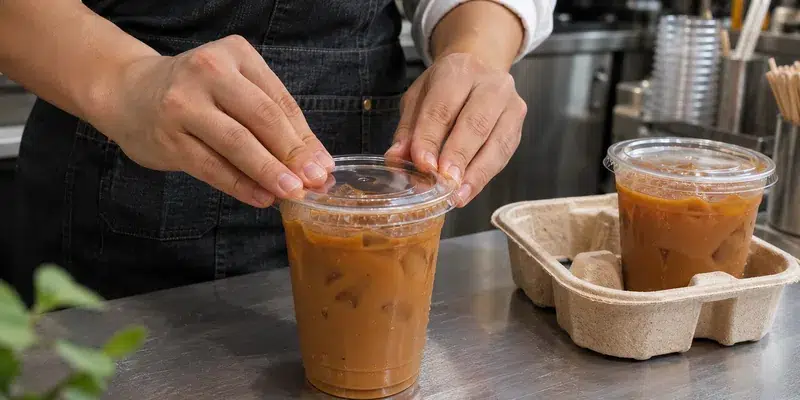
| Clear PET cup | Iced coffee, juice, smoothies | Cold-only use, clarity and matching flat or dome lid |
| PP cup | Water, soft drinks and some other applications | Intended temperature range, stiffness and appearance |
| Clear PLA cup | Cold drinks where a certified compostable route is relevant | Temperature limit, certification and local collection |
| Foam cup | Hot or cold drinks where permitted | Local restrictions and disposal route |
| Paper dessert cup | Ice cream, frozen yogurt, small desserts | Serving method, rim and lid shape |
How Do Paper Cup Types Differ?
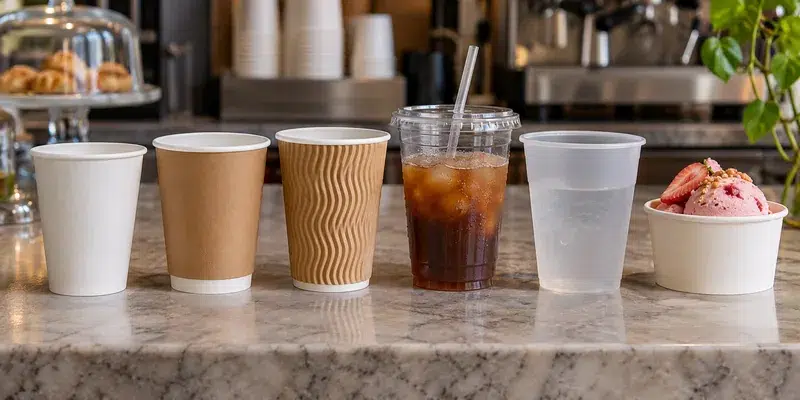
Paper cups differ mainly in how their walls handle heat and how their surfaces handle liquid. The same printed design can hide very different constructions.
Single-Wall Cups
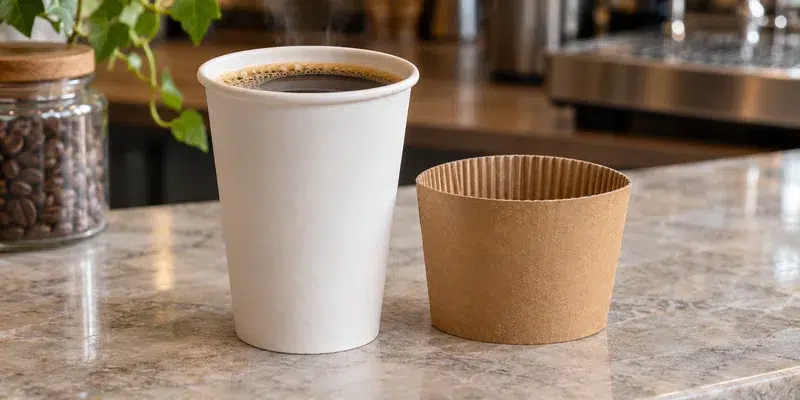
A single-wall paper cup has one paperboard sidewall. It is a practical starting point for takeaway coffee, tea and cold drinks, but hot coffee can make the outside uncomfortable to hold. A separate sleeve solves that problem in many cafés; the cup and sleeve should be tested together because adding a sleeve changes cost, storage and service steps.
The liquid barrier is also part of the specification. PE, PLA and other coating systems can be used, but the lining must suit the drink and intended disposal claim. Ask which lining is used when you compare cups that look alike on the outside.
Double-Wall and Ripple-Wall Cups
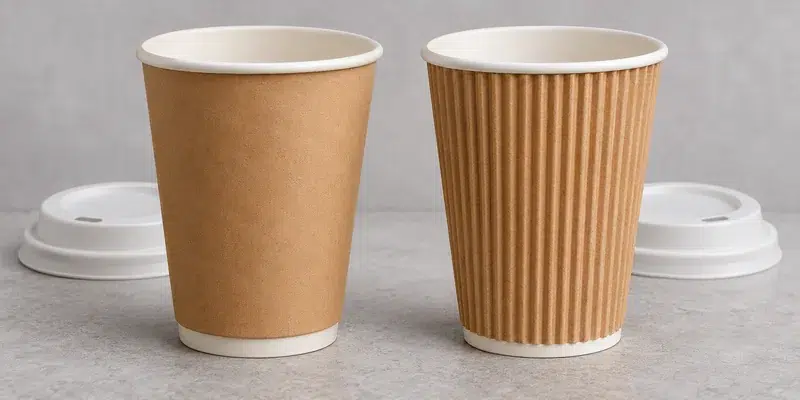
Both styles add an outer paper layer around an inner cup. A smooth double wall gives a flatter surface for printed artwork; a ripple wall has raised channels that change the grip and appearance. They are commonly chosen for hot drinks when a single wall feels too hot to hold.
The double-wall and ripple-wall cup structures affect how much room nested stacks take on a shelf or in a shipping carton. For either style, test the filled cup at your serving temperature; the outer wrap alone does not tell you how comfortable it will feel in the hand.
Paper Cups for Cold Drinks
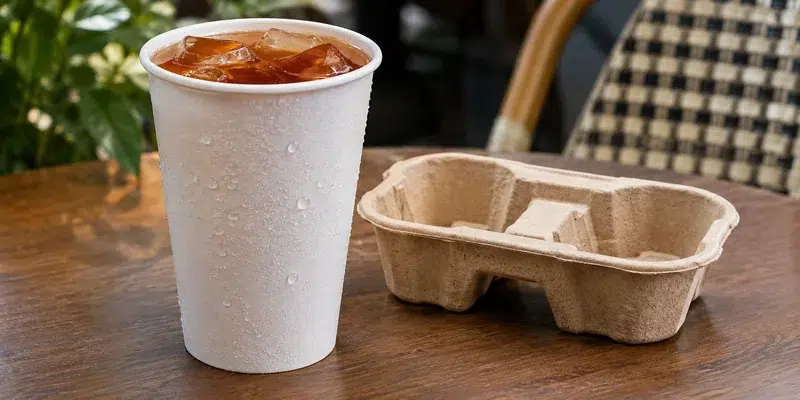
A cold paper cup may look like a hot cup, but ice and condensation change what the outside wall must withstand. Some cold-cup constructions protect both sides of the paperboard; others use different coatings or surface treatments. There is no safe rule that every cold cup needs one exact lining. Fill a sample with the actual drink and ice, then check the outside after the expected service and delivery time. If it softens or stains a carrier, the outer construction needs attention.
How Do Clear Plastic Cups Differ?
The key differences are clarity, stiffness, intended temperature and what happens to the used cup. PET, PP and PLA should not be treated as interchangeable just because their cups have a similar shape.
PET Cups
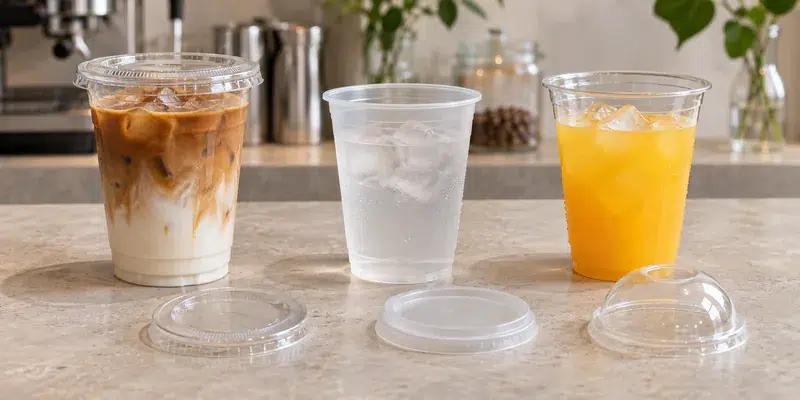
PET is a common choice when customers need to see the colour and layers of an iced latte, juice or smoothie. It is generally selected for cold service; do not use a cold PET cup for hot coffee. A flat lid keeps the profile compact, while a dome lid leaves room for whipped cream or other toppings. Either lid must match the cup rim, not just a nominal diameter.
PP Cups
PP cups are usually more translucent than clear PET and can feel more flexible. They work well for simple water or soft-drink service where full clarity is less important. Some PP constructions are specified for warmer contents, but the resin name alone does not establish the safe fill temperature of a particular cup or lid. Check the finished set for the drink and conditions you plan to use.
PLA Cold Cups
Clear PLA cups can resemble PET cups on a counter. They are generally intended for cold drinks and should not be assumed suitable for a hot fill. The reason to choose one is often tied to a verified composting program. Check the certification for the finished cup and lid combination and whether your local collection service accepts it. A material name by itself does not make the used cup compostable in your market.
What About Foam Cups and Dessert Cups?
Foam cups offer insulation and are light to handle, but local rules may restrict them and collection options are limited. Check the rules where the cup will be sold before choosing foam for a multi-location program. A cup that is legal for one market may not be a practical standard for another.
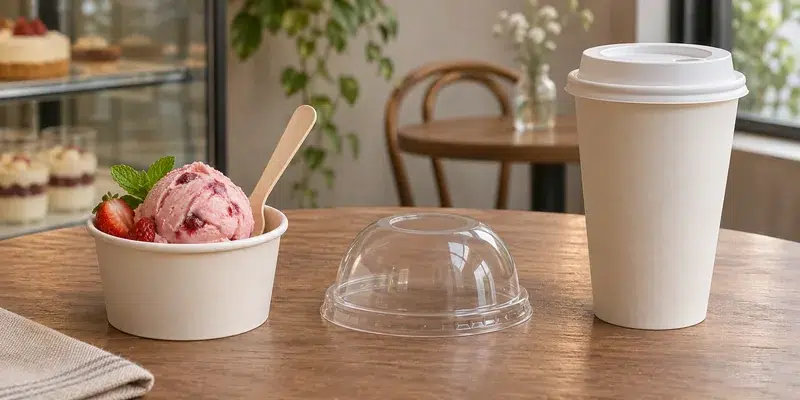
An ice-cream cup or dessert tub is also a disposable cup, although it is often wider and shorter than a drink cup. Its opening must make spoon access easy; a takeaway version may need a lid that stays on over toppings. Soup cups and tubs need separate consideration because hot, fatty or wet food changes the required lining and lid performance.
How Should You Choose a Cup for Your Menu?
Start with the product being served. A hot latte needs hand comfort and a secure sip lid. An iced drink may need a cup that resists condensation and shows the contents. A smoothie with a topping needs headroom under a dome lid. A soft-serve dessert needs a wide opening and a lid that does not crush the food.
Then test the cup, lid and drink as one set. Fill to your real serving level, close the lid as staff would, and carry it in the same tray or bag used for takeaway. Check the rim for drips, the sidewall for softening, the base for leaks and the lid for movement. If you change the cup supplier, rim design or lid model, repeat that test. An “8 oz” or “12 oz” label describes nominal capacity; it does not guarantee a shared lid fit or identical usable fill height across cup designs.
For a multi-drink menu, a small number of cup-and-lid combinations can make service easier. Before you standardise on one rim size, check that each cup works with its intended drink and lid. Capacity alone will not tell you that.
Waste handling is a separate decision from drink performance. A PE-lined paper cup, PET cup and compostable PLA cup follow different collection routes. The local recycling or composting program’s acceptance rules matter more than a general “recyclable” or “compostable” label on a product page. For food-contact documentation, match the cup material, lining and lid to the drink and intended temperature; food type and conditions of use are part of that assessment in the US.
FAQs
Can a Disposable Cup Be Closed With Heat-Sealing Film?
Only if the cup rim, film and sealing machine are compatible. The seal must hold through filling, handling and the expected delivery time; a press-on lid and a heat-sealed film are different closure systems. Test the exact cup and film before putting them into service.
Can Disposable Cups Be Custom Printed?
Many paper cups can be printed before forming, while plastic cups may use a different decorating process. Print area, number of colours and registration depend on the cup shape and production route. Check a physical sample if your logo must align with a seam or remain visible in a cup holder.
Does a Dome Lid Increase the Cup’s Stated Capacity?
No. The printed capacity still describes the cup, not the space under its lid. A dome may give whipped cream or fruit toppings room above the rim, but it does not let you serve more liquid safely. Test your intended drink level with the lid in place.
Are Disposable Cups Safe for Microwave Reheating?
Do not assume so. A cup designed for serving may have a lining, adhesive, printing or lid that has not been assessed for microwave use. Use a container with a verified microwave-use specification if customers are expected to reheat its contents.
Conclusion
Choose the cup type around the drink and how it is served: paper wall style for hand comfort, cold-cup construction for ice and condensation, clear plastic when display matters, and a food cup when spoon access changes the shape. Once the format makes sense, test the filled cup with its actual lid and check the finished material against your market’s food-contact and collection requirements.