If you buy paper cups in bulk, the price depends on the cup size, paperboard, lining, wall design, printing, and order quantity. Your final cost also includes lids, sleeves, packing, and delivery. A cup-only quote can look cheaper while costing more per drink served. Compare suppliers using the same cup specification and delivery terms, then test the cup with your actual drink and lid.
What Goes Into the Price of a Paper Cup?
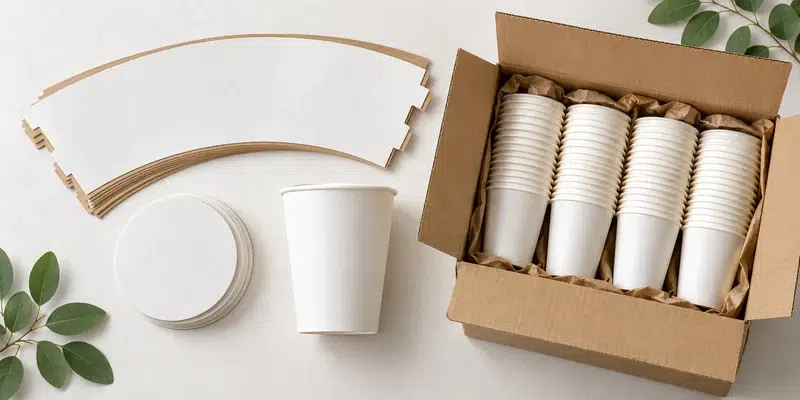
You pay for the coated paperboard in the cup wall and bottom, plus the work needed to print, form, seal, check, and pack each cup.
Board use starts with the area of the flat cup blank and its weight in grams per square meter (g/m²). The bottom uses a separate piece of board. How the blanks fit on a sheet or roll also affects waste. That is why two cups marked with the same capacity can have different material costs.
If you receive a price per carton, check the number of cups inside before working out the price per cup. Ask for the cup dimensions, board and lining, wall type, and packing details with the quote. Those are the details Million Pack checks before comparing or preparing cup prices.
Which Cup Features Affect the Price Most?
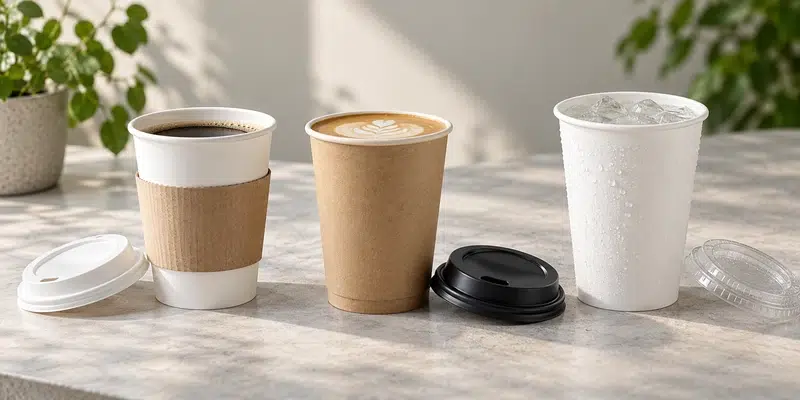
For hot drinks, compare a single-wall cup with a sleeve against a double-wall or ripple-wall cup. The insulated cup uses an extra paper layer, but you may not need a separate sleeve. Your better-value option depends on the drink temperature and how customers carry it.
For iced drinks, check the outside of the cup after condensation forms. An inner lining helps keep the drink from soaking into the board. An outer coating may help when the cup gets wet from the outside. Double-wall means an extra paper layer; double-sided PE coating means the board is coated on both sides. They solve different problems and should not be priced as the same specification.
A cup’s stated capacity does not show its actual fill level after ice, foam, or lid clearance. The rim also has to fit your lid. Before ordering, check the cup size, rim diameter, and fill level with your own drink and lid.
How Do Printing and Order Size Change the Price?
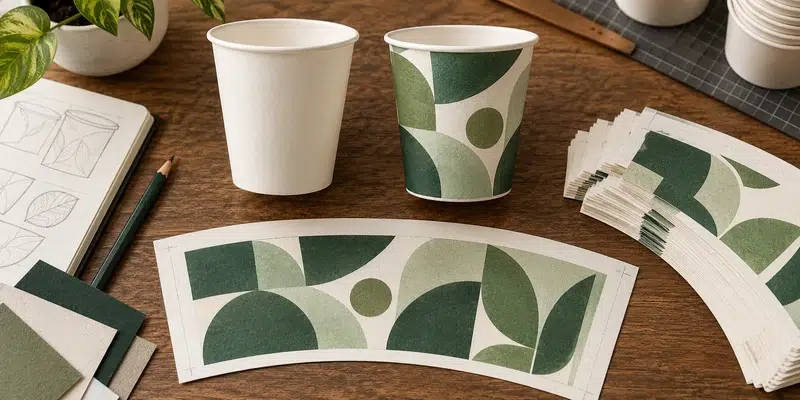
Custom printing can add artwork preparation, plates or other setup, and print checks. Ask whether setup is charged once or included in the cup price. If you change the design after approval, you may need a new setup or be left with printed cups you cannot use.
A larger order can spread setup costs over more cups. It can also leave you with too much stock. Ask for price breaks at quantities you can store and use.
For repeat orders, keep the approved artwork, cup drawing, lining, lid, and packing details in one specification with a version number. If any of these change, ask for a revised sample and quote so you know you are buying the same cup system.
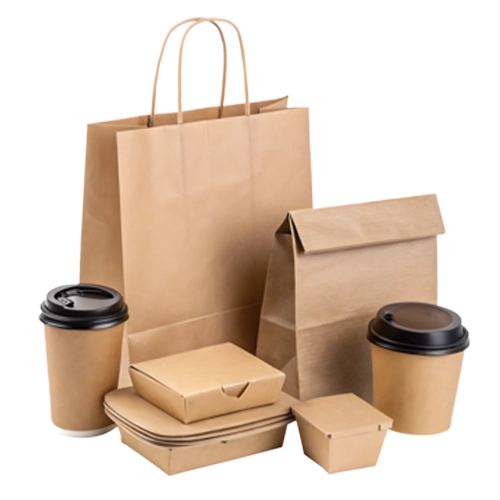
What Is Your Cost Per Drink?
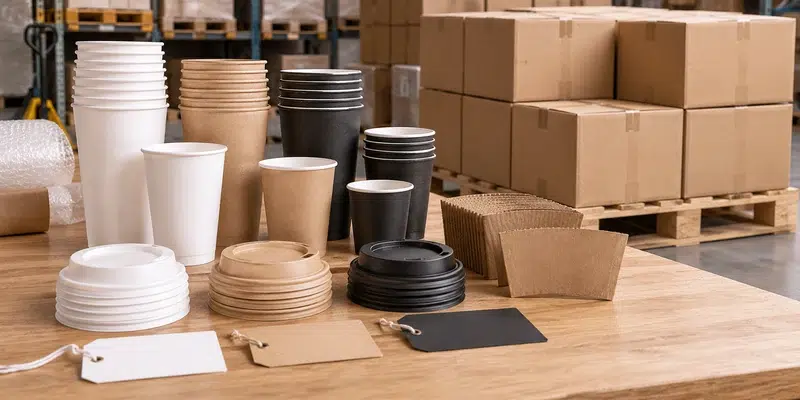
To compare options, work out the cost of the full serving system:
(Cups + lids + sleeves you use + setup + packing + delivery + applicable import costs) ÷ drinks actually served.
Add each cost only once. For example, do not add packing again if it is already included in the cup quote.
Count one-time setup separately if you will reuse the same artwork and plates on later orders. If lids are quoted separately, check that the lid quantity matches your cup order.
For imported cups, compare quotes in the same currency and on the same delivery basis. A factory-gate price and a delivered price cover different transport and import costs. Check the named destination, trade term, freight, duties, and local delivery before you decide which offer is lower.
Damaged cups and lids that do not fit reduce the number of drinks you can serve from an order. Check cartons on arrival, then test the approved cup and lid together during service. Record any crushed cups, leaks, or fit problems; the lowest cup price may not give you the lowest cost per usable drink.
How Can You Keep Paper Cup Costs Under Control?
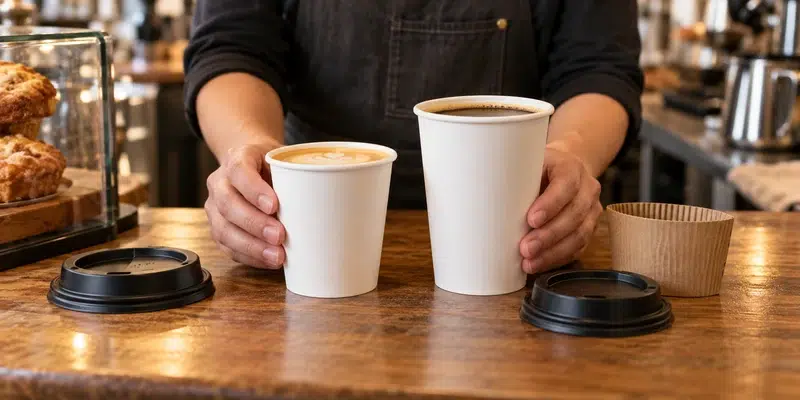
- Check your menu before choosing sizes. Count how many drinks you sell in each size and measure the serving volume. You may be able to remove a rarely used cup size, but only if the remaining cup still holds the promised portion with enough lid space.
- Check storage and carton volume. A low unit price is less useful if the packed cups take more warehouse space or increase freight. Ask for cups per carton and carton dimensions, then compare the packed order, not just a sample cup.
- Keep artwork and forecasts stable. Approve the print file before production and plan reorders around realistic demand. This helps you avoid short repeat runs, unused printed stock, and late design changes.
Test any cheaper cup, lid, or lining with the drink and service time you actually use. A change that causes leaks or poor lid fit is not a saving.
What Should You Include in a Quote Request?
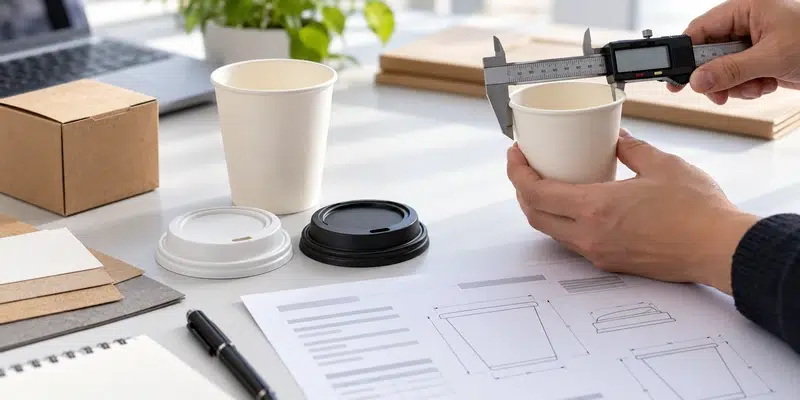
Send each supplier the same details so you can compare their replies:
- Your drink, serving temperature, fill level, and expected time in the cup.
- Cup capacity, preferred dimensions, rim diameter, and lid type or a lid sample.
- Single-wall, double-wall, or ripple-wall preference; lining and board requirements if you know them.
- Plain or printed cup, artwork version, colors, and print area.
- Quantity by size, cups per carton, carton dimensions, and expected repeat demand.
- Destination market, required food-contact documents, delivery point, currency, trade term, and costs to include.
If you do not know the right lining or board weight, describe the drink, serving temperature, and how the cup will be used. For U.S. orders, ask the supplier to match its documents to those conditions of use and state any assumptions or substitutions in the quote.
Before approving an order, test a sample made to the final cup specification with your drink and the proposed lid. Carry it as a customer would. Check the rim, bottom seal, hand comfort, and any softening during the expected holding time. Repeat the relevant checks if the cup or lid specification changes.
FAQs
Can You Combine Cup Sizes to Meet a Minimum Order?
Sometimes, but do not assume the supplier counts different sizes together. Each size or print design may have its own minimum and setup cost. Ask for the minimum and price break for each size, then ask whether a mixed shipment changes the total cost.
Are Sample Charges Credited Toward a Bulk Order?
Only if the supplier agrees to it in the quote. Sample making, printed proofs, and courier charges may be separate. Ask which charges, if any, will be credited after you place an order so you can budget for the first purchase.
How Long Is a Paper Cup Quote Valid?
Check the expiry date on the written quote. If you order later, confirm the price again; paperboard, exchange rates, freight, or the order specification may have changed. Do not use an old unit price to budget a repeat order.
Conclusion
Your real paper cup cost depends on the full cup system, not the cup-only quote. Compare the cup, lid, any sleeve, packing, delivery, and likely waste before you choose.
If you need a paper cup quote, send Million Pack your drink, cup size, lid, print, quantity, and destination details. That gives you a clear starting specification and makes the options easier to compare.