
As the demand for branded packaging and visually consistent product lines continues to grow, printing technology has become a key factor in both quality control and production efficiency. Flexo printing and offset printing remain the two dominant methods in today’s packaging industry. Many businesses struggle to decide whether flexo printing or offset printing is the better option for their packaging needs. Both methods appear capable of producing strong visual results, yet they operate differently and suit different types of materials.
This growing demand makes it essential for businesses to understand how each printing process affects color accuracy, run speed, material flexibility, and long term production cost. Without a clear understanding of these differences, companies risk higher production costs, inconsistent color output, and packaging that does not perform well during transport or use.
By outlining the ten key differences between flexo and offset printing, this article provides a clear and practical reference that helps you select the right printing method for your packaging projects.

What are Flexographic and Offset Printing?
Flexographic Printing in Simple Terms
Flexographic printing, often shortened to “flexo,” is a relief printing process that uses flexible plates wrapped around cylinders. The image areas are raised, so the plate behaves a bit like a highly engineered rubber stamp.
Key ideas behind flexographic printing:
- The plate is made of flexible rubber or photopolymer.
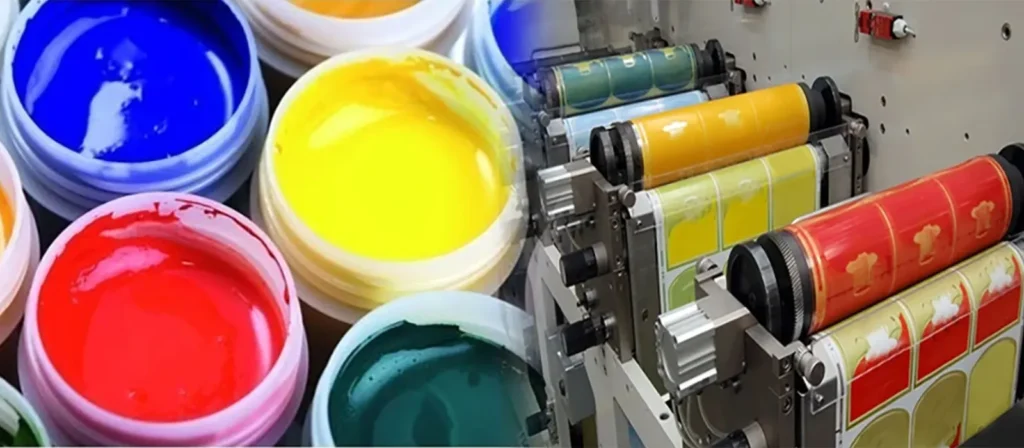
- Ink is delivered by a specially engraved anilox roller that meters a controlled amount of ink.
- The substrate (film, foil, paper, etc.) passes through several print units, one for each colour.
- Inks are usually fast-drying (water-based, solvent-based, or UV) so the line can run at high speed.
Offset Printing in Simple Terms
Offset printing (offset lithography) is a planographic process based on the principle that oil and water do not mix. The image and non-image areas sit on the same flat plate surface. Ink is attracted to the image areas, while a dampening solution keeps non-image areas clean.
In offset printing:
- The plate is usually aluminum and completely flat.
- Ink first transfers from the plate to a rubber blanket cylinder.
- The rubber blanket then transfers the ink to the paper or paperboard.
- This indirect transfer (“offset”) allows very fine detail and smooth image reproduction.
Differences Between Flexo vs Offset Printing
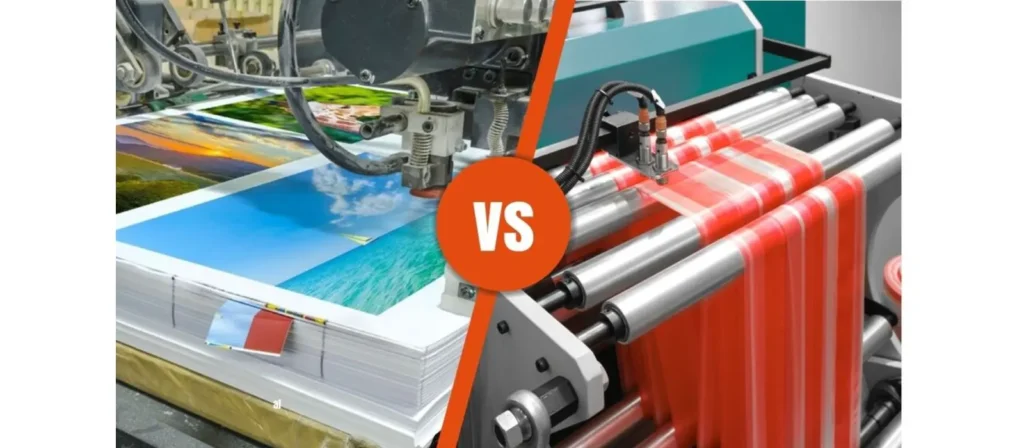
The differences between flexo and offset printing extend beyond materials. They influence cost, speed, quality, maintenance, and suitability for different job types. Here are 10 key differences between these two printing methods and their actual impact on you.
1. Plate Material
The first major difference in Flexo vs Offset Printing is the plate material and how it behaves on press.
In flexographic printing, printing plates are typically made of photopolymers or rubber. These materials are flexible and durable, able to tightly wrap around cylinders. This flexibility allows the printing press to handle curved cylinders, enabling continuous roll-to-roll printing, ideal for packaging, labeling, and long-run printing. Because the printing plate itself is in direct contact with the substrate, the ink transfer process is also simpler.
In offset printing, printing plates are typically made of rigid aluminum plates. These plates are etched with fine images using chemical or photochemical processes. Because the plates are hard and flat, they cannot wrap around cylinders. The rigidity of the plates ensures image stability and alignment accuracy, which is crucial for obtaining high-resolution images with rich detail.
If you run the same packaging design again and again over months or years, flexo plates can be a good investment because they can be reused.
If you change designs frequently, especially for marketing materials or seasonal prints, the fast and low-cost plate production of offset can be an advantage.
2. Ink Type
Flexo inks are generally low-viscosity, designed to dry quickly. Manufacturers often use water-based, solvent-based, or UV-curable inks, depending on material and environmental requirements. Their fast-drying nature and fluid consistency make them suitable for high-speed production on non-absorbent surfaces like plastic films, foil, or coated paper.
Offset inks tend to be oil-based or specially formulated lithographic inks. They’re designed for smooth absorption and precise color adherence on porous, absorbent substrates like uncoated or coated paper stocks. Offset inks often produce richer color depth and smoother gradients.
3. Printing Material Type (Substrates)
One of the most important parts of Flexo vs Offset Printing is what you are actually printing on.
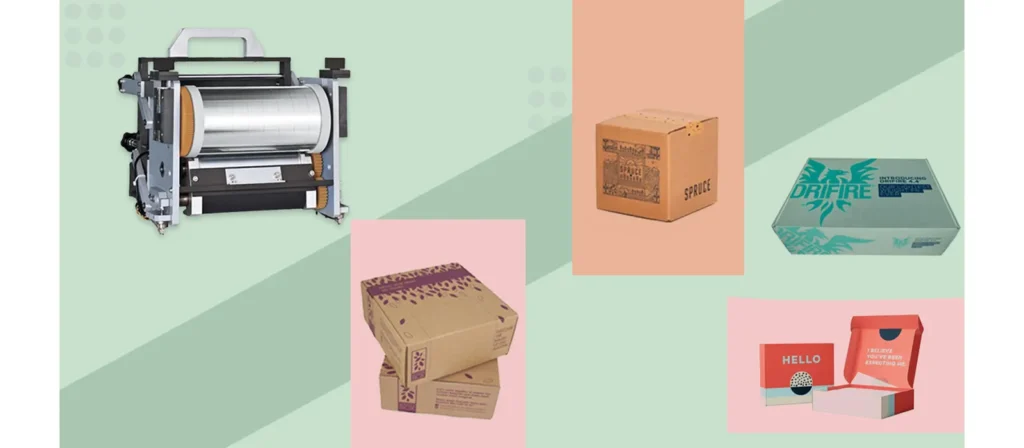
Flexo substrate range
- Plastic films (PE, PP, PET)
- Metallic foils
- Laminates
- Coated and uncoated paper
- Corrugated board
- Nonwovens and some textiles
Offset substrate range
- Coated and uncoated paper
- Paperboard for folding cartons
- Specialty synthetic papers or treated substrates
Standard offset is less comfortable with very stretchy films, rough corrugated surfaces, or heavily textured materials unless the press and plates are engineered specifically for that purpose.
4. Print Quality
Offset printing excels in high-resolution output. The indirect transfer (plate → blanket → substrate) ensures minimal plate wear and highly consistent image reproduction. Offset handles fine text, subtle tonal variations, smooth gradients, photorealistic images, and precise color matching better than flexo.
Flexographic printing technology has made significant progress in recent years, especially in plate making, ink formulation, and printing techniques. Today, it can produce high-quality images, vibrant colors, and pleasing patterns, making it particularly suitable for packaging or simple label designs. However, compared to offset printing, flexographic printing often reveals some limitations when handling detailed photographs or extremely fine lines: details may appear slightly blurred, gradations may not be as smooth, and color stability may be slightly worse under harsh conditions.

5. Run Time
“Run time” refers to how long it takes from setup to final print output, including setup, calibration, printing, and finishing.
Flexo is designed for long, continuous runs. Thanks to flexible plates and direct ink transfer, once the press is calibrated and substrate loaded, it can run for thousands — even hundreds of thousands — of units without interruption. Roll-to-roll systems or continuous feed setups maximize throughput. For items like corrugated boxes, plastic packages, labels, or flexible film packages, this capability translates into rapid production and consistent output over time.
Offset, by contrast, tends to be more suited for short to medium runs, especially when the substrate is paper. Its settings include plate making, calibration, color balancing and the indirect transfer process mean that starting and stopping frequently or switching designs mid-run can be less efficient. Though offset presses for large-scale print runs exist, they aren’t as adaptable to substrate variation or frequent changeovers.
6. Cost-Effectiveness
Cost-effectiveness in flexo comes from scale. The upfront cost of plate production is high, but once the plates are ready, the cost per unit decreases significantly. For companies producing thousands or millions of identical packages, flexo is one of the most efficient technologies available. Its ability to handle a wide variety of substrates without process changes adds further economic value.
Offset’s cost structure benefits smaller and mid-run print jobs. Plate creation is quick and affordable, making it easy to shift between jobs without major financial impact. The per-piece cost is higher than flexo during massive runs, but the quality and flexibility of offset keep it competitive in editorial and commercial printing.
7. Technology
Flexo printing technology relies heavily on mechanical precision, from plate mounting systems to anilox roller engraving. Modern developments such as laser-engraved plates, automated register control, and inline finishing have significantly improved efficiency. Some flexo presses now integrate digital modules, allowing variable data printing alongside traditional analog processes.
Offset technology has advanced through automated color management systems, computer-to-plate imaging, and intelligent press controls that minimize waste. Digital workflows enhance speed and consistency, enabling operators to achieve precise results with minimal manual adjustment. Offset presses often include inline varnishing, coating, or folding systems, making them ideal for complex commercial print products.
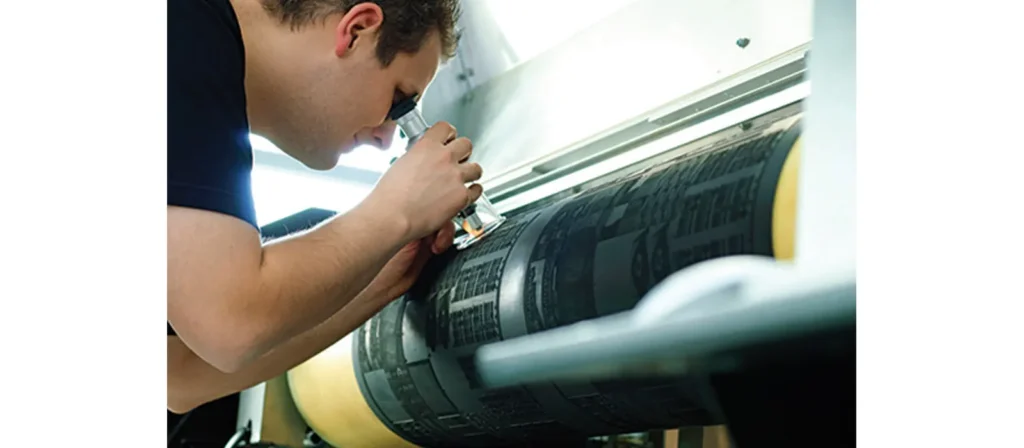
8. Maintenance
Flexo presses require routine cleaning of anilox rollers, ink chambers, and plates to maintain print consistency. Worn rollers or damaged plates can quickly degrade quality, so preventive maintenance is essential.
Offset presses demand regular cleaning of blankets, rollers, and dampening systems. Maintaining ink-water balance is a critical and ongoing task. While offset maintenance can be less intensive than flexo in some areas, its performance is highly dependent on operator skill and attention to detail. Mistakes in setup or cleaning can lead to color shifts or inconsistent coverage.
9. Versatility
Versatility is one of the biggest strengths of flexo in Flexo vs Offset Printing, but offset has its own type of flexibility.
Flexo versatility
- Handles many different materials with relative ease.
- Can integrate inline processes like varnishing, cold foil, lamination, die-cutting, and slitting.
- Works well for complex packaging lines where you want to complete several steps in one pass.
Offset versatility
- Highly flexible within paper and paperboard categories, with many weights and finishes available.
- Excellent for a mix of editorial, commercial, and packaging jobs in one plant.
- Often chosen when you need multiple different formats and sizes printed to the same quality standard.
10. Print Speed
Speed often equates to cost, convenience, and the ability to meet tight deadlines.
Flexographic printing, especially in roll-to-roll or continuous feed modes, enables high throughput and rapid turnaround. Once the press is up and running, it can produce thousands or even tens of thousands of pieces per hour, depending on the substrate and the complexity of the design. This makes flexographic printing particularly efficient for high-volume orders, packaging, and labeling jobs where speed is critical.
Offset printing typically has slower per-frame speeds, especially when dealing with paper that requires ink absorption and drying. Indirect transfer processes, reliance on blankets, and the need for fine-tuning quality mean that the raw speed of offset presses may not be comparable to flexographic printing.
How to Choose Between Flexo vs Offset Printing?
Each printing job has unique requirements. To choose between flexo and offset, consider the following key factors:
- List your substrates
Write down exactly what you need to print: films, foils, paper, board, or a combination. If films and foils are important, flexo immediately becomes a stronger candidate. - Group your SKUs by volume and stability
For each SKU, note: approximate yearly volume, number of reprints per year, and how often the design changes. Long, stable SKUs often lean toward flexo; dynamic, editorial-like SKUs often lean toward offset. - Define your minimum acceptable quality
Collect physical samples of packaging or print you consider “good enough” and “ideal.” Share them with your printer and ask them whether flexo or offset is the better match. - Ask for side-by-side estimates
For one or two key SKUs, ask your supplier to quote both Flexo vs Offset Printing (if they can run both), including:- Plate or setup charges
- Unit cost at different volumes
- Estimated lead time
- Include sustainability requirements
If low VOC, water-based inks, or reduced waste are important, make that part of the brief. Flexo with water-based or UV inks can offer a compelling sustainability profile compared to traditional solvent-based systems, while modern offset with LED-UV and improved makeready can also be efficient.

Common Products Printed Using Flexographic and Offset Printing
Flexographic and offset printing processes are used to manufacture a wide range of everyday products. Depending on the material, required visual quality, and production volume, manufacturers choose either method—or sometimes both in hybrid workflows—to meet commercial needs. Below are some of the most commonly printed products for each process.
Products Commonly Printed with Flexographic Printing
- Flexible Packaging: This includes snack bags, food packaging, and wrapping films that require printing on plastic or metallic substrates.
- Labels and Stickers: Often produced on rolls, flexo allows for high-speed label production with durable inks.
- Corrugated Boxes: Flexo presses can print directly onto corrugated cardboard, often used for shipping cartons.
- Retail Bags: Plastic or paper bags with branded designs are typically printed using flexo.
- Tetra Paks and Cartons: Beverages and dairy products use flexo printing for high-speed packaging.
Products Commonly Printed with Offset Printing
- Books and Magazines: Offset is ideal for publishing due to its ability to handle long-form, multi-page content with high color accuracy.
- Catalogs and Brochures: These require sharp imagery and consistency across pages—offset delivers both effectively.
- Posters and Flyers: For promotional materials that demand visual impact, offset’s detailed print quality is unmatched.
- Business Stationery: Letterheads, envelopes, and business cards often use offset for professional finishes.
- Newspapers: Offset printing is standard in newspaper production, particularly in large, daily runs.
While each method specializes in certain areas, there are crossovers. For example, both flexo and offset can be used in packaging, depending on whether the packaging is rigid (favoring offset) or flexible (favoring flexo). The decision usually hinges on the material used, the complexity of the design, and the print volume required.
FAQs
- Which is cheaper, flexo or offset printing?
It depends on the job. For long runs on films or labels, flexo usually has the lower cost per unit. For medium to long runs on paper or board, offset often comes out cheaper. For very short runs, a good converter may even suggest digital instead of either flexo or offset. - Is flexo quality now as good as offset?
For many packaging applications viewed at arm’s length, modern flexo with HD plates and UV inks can look very close to offset. However, offset still tends to win when you need extremely fine detail and smooth gradients on high-grade paper or board. - Can I print the same design with both flexo and offset?
Yes, and many global brands do. The key is to build colour profiles and standards with your print partners, so that your brand colours and key visuals stay consistent across Flexo vs Offset Printing – and even across regions and suppliers. - Can offset printing ever be used for flexible plastic food packaging?
Typically no. Offset struggles with non-paper substrates like plastic film or foil. Flexo (or specialized digital/flexographic hybrid presses) are far more suitable for flexible packaging materials. - What if a food package needs both high-quality graphics and a flexible film wrapper?
Use a hybrid approach: print graphics (e.g., box cover, label, inserts) via offset; print the functional flexible wrapper via flexo. - Is one method more eco-friendly than the other?
Both have sustainable options—flexo with water-based inks and offset with soy-based inks. Offset has a slight edge in short runs, while flexo’s lower waste benefits long runs. - Which method should I use for printing food packaging?
Flexo is the preferred choice due to its compatibility with food-safe inks and ability to print on films, foils, and other packaging materials.
Conclusion
Flexographic and offset printing each bring distinct advantages to the world of commercial and industrial print. Flexo is fast, adaptable, and built for high-volume packaging—particularly when substrates are flexible and turnaround is critical. Offset printing, on the other hand, can present unparalleled detail and is the preferred choice for high-resolution images and paper applications.
Understand the differences between them and match your printing strategy with your business needs. Whether you’re in food packaging, publishing, or retail, choosing the right printing method will impact everything from brand awareness to production costs.
The wisest printing decisions stem from clear objectives and a clear understanding of your products, timelines, production volumes, and customer base. By mastering the trade-offs between flexo and offset printing, you empower your team to produce smarter, faster, and more beautifully than ever before.