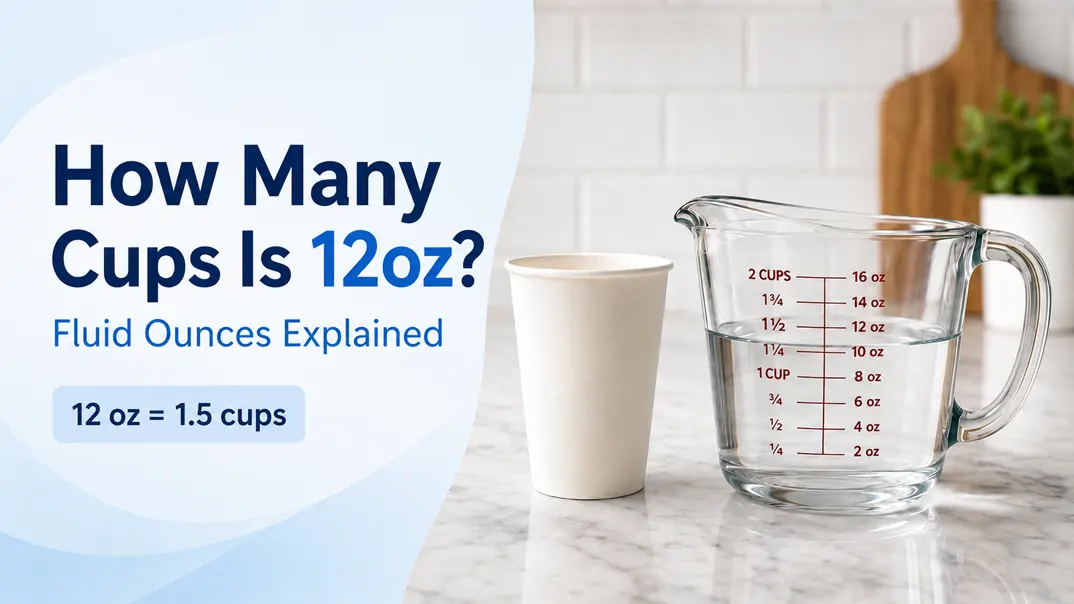
In US measurements, 12 fluid ounces equals 1.5 cups because one US cup contains 8 fluid ounces. This conversion applies to liquids such as water, coffee, milk, and juice. However, fluid ounces measure volume, while regular ounces measure weight, so 12 ounces by weight may equal a different number of cups depending on the ingredient.
| Measurement | Equivalent |
|---|---|
| US cups | 1.5 cups |
| Milliliters | Approximately 355 mL |
| Liters | Approximately 0.355 L |
The milliliter measurement is commonly used on beverage labels, menus, recipes, and cup specifications outside the United States. The exact conversion is about 354.88 mL, but it is normally rounded to 355 mL.
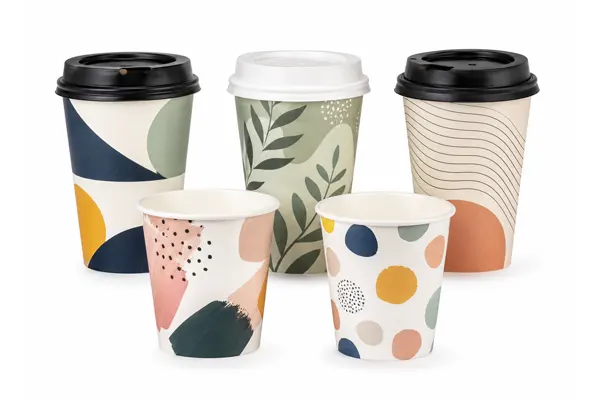
When 12 oz refers to a drink cup, it usually describes the cup’s nominal capacity. This does not always mean the customer receives 12 fluid ounces of liquid. Ice, milk foam, fruit pieces, pearls, whipped cream, and the space needed to fit a lid can all reduce the actual liquid volume.
Which Everyday Drinks are Served in 12-Ounce Cups?
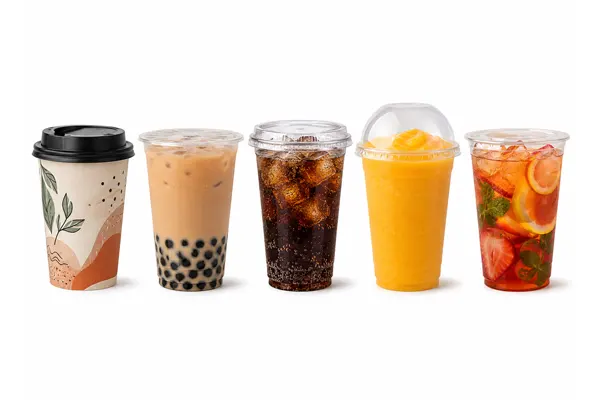
A 12 oz cup is a flexible size for many common beverages. The most suitable cup depends on the drink temperature, ingredients, and serving method.
Coffee and hot drinks:
For brewed coffee and americanos, 12 oz is a familiar takeaway portion. For lattes, cappuccinos, mochas, and hot chocolate, the extra space allows for steamed milk and a light layer of foam without making the drink feel oversized.
Bubble tea and milk tea:
In milk tea shops, 12 oz is often used for smaller or premium servings. Pearls, jelly, fruit pieces, and foam take up part of the cup, so the recipe needs to leave enough room for sealing film or a secure lid.
Cola and soft drinks:
A 12 oz serving is close to the volume of a standard soda can, which makes it easy for customers to recognize. When served over ice, the cup holds less actual liquid, so the ice ratio should be planned as part of the recipe.
Juice and smoothies:
For fresh juice, protein drinks, and smoothies, 12 oz helps keep portions and ingredient costs under control. Clear cups are useful here because the color, texture, and layers of the drink often influence customer appeal.
Tea and specialty beverages:
Chai, matcha, iced tea, fruit tea, and seasonal drinks use 12 oz in different ways. Hot versions need room for milk or foam, while cold versions may need space for fruit, ice, or syrup. The cup should be chosen around the finished recipe rather than the drink name alone.
8oz vs 12oz vs 16oz Cups
Choosing different size cups affects your menu, serving cost, customer expectations, and inventory.
| Cup Size | Typical Position | Common Uses |
|---|---|---|
| 8 oz | Small | Flat white, cappuccino, small coffee |
| 12 oz | Regular or medium | Coffee, latte, tea, juice |
| 16 oz | Large | Iced coffee, soft drinks, smoothies |
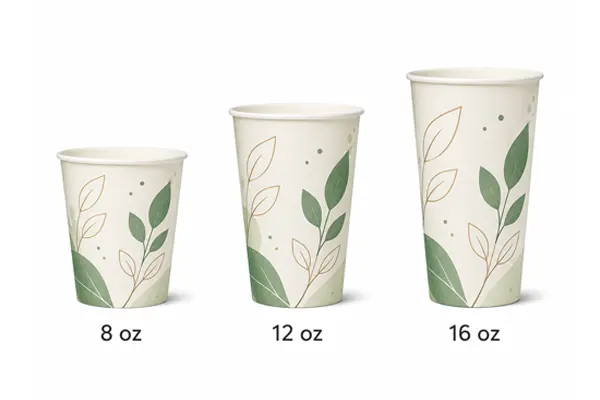
A 12 oz cup is usually treated as a regular or medium size, although size names vary between brands. It is often a practical core size because it works for many everyday drinks while using fewer ingredients than a 16 oz serving.
An 8 oz cup is better for smaller or more concentrated drinks, while a 16 oz cup gives more room for ice, milk, foam, fruit, or toppings. A simple café menu may only need 8 oz and 12 oz for hot drinks, or 12 oz and 16 oz when both hot and cold drinks are offered.
Using fewer cup sizes can also reduce the number of lids, sleeves, cartons, and printed designs you need to manage. Where possible, choose cup sizes that share the same lid diameter to simplify stock and daily service.
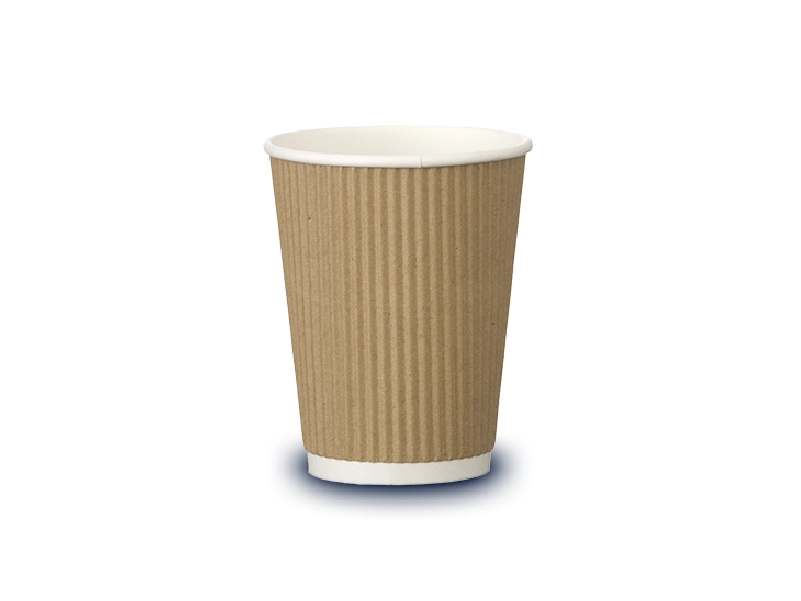
The right cup size depends on your drinks, serving style, and daily order volume. MillionPack offers disposable coffee cups in multiple sizes, materials, and wall structures, with matching lids and custom printing options available.
 Explore Disposable Coffee Cups
How to Choose the Right 12oz Cup
Choosing a 12 oz cup is not only about capacity. You also need to consider how the cup performs with the drink, lid, takeaway time, and disposal method. Test the cup with the actual beverage whenever possible, because material names and product specifications alone may not show how it performs in daily service.
Heat Resistance
For coffee, tea, or hot chocolate, the cup should remain firm after filling and should not become too hot to hold. Test it with the actual serving temperature, then leave it filled for the expected takeaway time to check for softening or deformation. Single wall cups may need a sleeve, while double wall or ripple wall cups provide better insulation. Also test whether the lid still fits securely after the cup has been exposed to heat.
Leak Prevention
A secure lid fit is essential for takeaway and delivery orders. Fill the cup to the normal serving level, attach the lid, then gently tilt and carry it for several minutes to check for leaks around the rim. Squeeze the cup lightly to see whether the sidewall flexes enough to loosen the lid. You should also inspect the bottom seal and side seam, especially when the drink will be transported in bags or cup carriers.
Grease and Moisture Resistance
The cup material and coating should prevent liquid from soaking into the paper or weakening the sidewall. For hot drinks, leave the cup filled for the expected service time and check for damp spots, softening, or seam failure. For cold drinks, test the cup with ice and condensation to see whether the outside becomes slippery or loses rigidity. A cup that performs well for immediate use may not be suitable for longer takeaway or delivery times.
Environmental Impact
Do not choose a cup based only on labels such as recyclable, compostable, or plastic free. Check whether the claim is supported by certification and whether the destination market has the required recycling or industrial composting facilities. Ask how the cup, coating, lid, and printing should be disposed of as a complete system. The most practical option is one that matches both your sustainability goals and the waste collection available to your customers.
Food Contact Safety
The cup, coating, ink, adhesive, and lid should all be suitable for direct food contact and for the intended drink temperature. Ask for test reports that match the exact material and cup structure you plan to order, rather than relying on a general certificate. Requirements may differ between the United States, European Union, and other markets. Confirm the destination market before production so the correct documents and materials can be prepared.
Common 12oz Cup Materials
Different materials suit different drink temperatures, serving methods, and disposal systems. Use the table below to identify the most practical option for your 12 oz cups.
| Material | Best For | Key Advantage | Main Consideration |
|---|---|---|---|
| PE coated paper | Hot coffee, tea, and hot chocolate | Reliable liquid resistance and wide availability | Recycling options vary by location |
| PLA lined paper | Hot and cold drinks in compostable packaging programs | Plant based lining with industrially compostable options | Requires suitable industrial composting facilities |
| Water based coated paper | Hot or cold drinks where reduced plastic content is preferred | Uses less conventional plastic than standard PE lining | Recyclability depends on the coating and local facilities |
| PET | Iced coffee, juice, smoothies, and fruit tea | Clear and rigid for strong product presentation | Normally intended for cold drinks |
| PP | Milk tea, fruit tea, and film sealed drinks | Flexible and suitable for sealing applications | Usually less clear than PET |
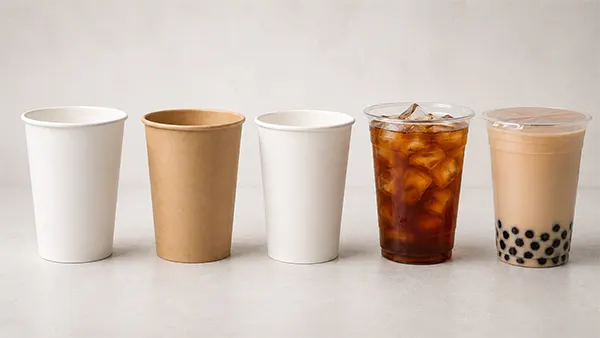
Choose the material based first on the drink temperature and service method. Paper cups are generally more suitable for hot takeaway drinks, PET works well when cold drink visibility matters, and PP is often preferred for sealed tea and beverage applications. Environmental claims should also match the product certification and the recycling or composting facilities available in the destination market.
FAQs About MillionPack 12oz Paper Cups
How Can You Check Whether a Cup Really Holds 12oz?
Fill the cup to the rim and measure the water. A 12 oz cup should hold about 355 mL. For actual service, leave space for the lid, ice, foam, or toppings.
Which Cup Coating Is Right for My Business?
The right coating depends on your drink temperature, disposal requirements, and local waste system. PE coated cups are a practical choice for everyday hot and cold drinks. PLA lined cups are suitable when industrial composting is available, while water based coatings can help reduce conventional plastic content. We can recommend an option based on your market and application.
Are Your 12oz Cups Compatible with Standard Lids?
Our 12 oz cups can be matched with flat lids, sip lids, or other compatible lid styles. However, lid fit depends on the rim diameter and rim profile, not capacity alone. We recommend ordering the cup and lid as a matched set or testing samples before bulk production.
What Is the MOQ and Price for 12oz Paper Cups?
MOQ and unit price depend on the cup structure, paper coating, printing method, order quantity, and packaging requirements. Plain cups generally support a lower MOQ than fully custom printed cups. Send us your required quantity, material, artwork, and destination, and we will provide a detailed quotation.
Are Your 12oz Paper Cups Food Safe?
Yes. Our cups are made with food contact materials, and relevant testing documents can be provided according to the product and destination market. Compliance requirements may differ between the United States, European Union, and other regions, so please tell us where the cups will be sold or used.
What Paper Types Do You Provide?
We offer food grade cup paper in different weights and structures for single wall, double wall, and insulated paper cups. Paper thickness can be adjusted according to cup size, beverage temperature, required rigidity, and printing method. FSC certified paper options can also be discussed for projects that require responsible sourcing documentation.
Conclusion
Choosing the right 12 oz cup depends on your beverage temperature, serving method, lid requirements, and target market. Million Pack offers PE, PLA, and water based coated paper cups with compatible lids and custom options. Share your drink and service needs, and we will help you choose a suitable cup solution.