Not sure which takeaway soup container size is right for your menu? Choosing the wrong size can lead to inconsistent portions, higher packaging costs, spills during delivery, or a poor customer experience. This guide breaks down common soup portion sizes in ML, OZ, and grams, helping restaurants, noodle shops, and delivery kitchens quickly compare capacities and choose the right container for side soups, regular servings, noodle soups, and family-size orders.
Standard Takeaway Soup Container Sizes in ML, OZ & Grams
Before comparing different takeaway soup container sizes, the first question is simple: what size does your menu really need? A small side soup, a regular takeaway serving, a noodle soup meal, and a family-size order all require different capacities. The right container size should match the soup type, ingredient volume, portion value, and delivery requirements, not just the number printed on the cup or bowl.
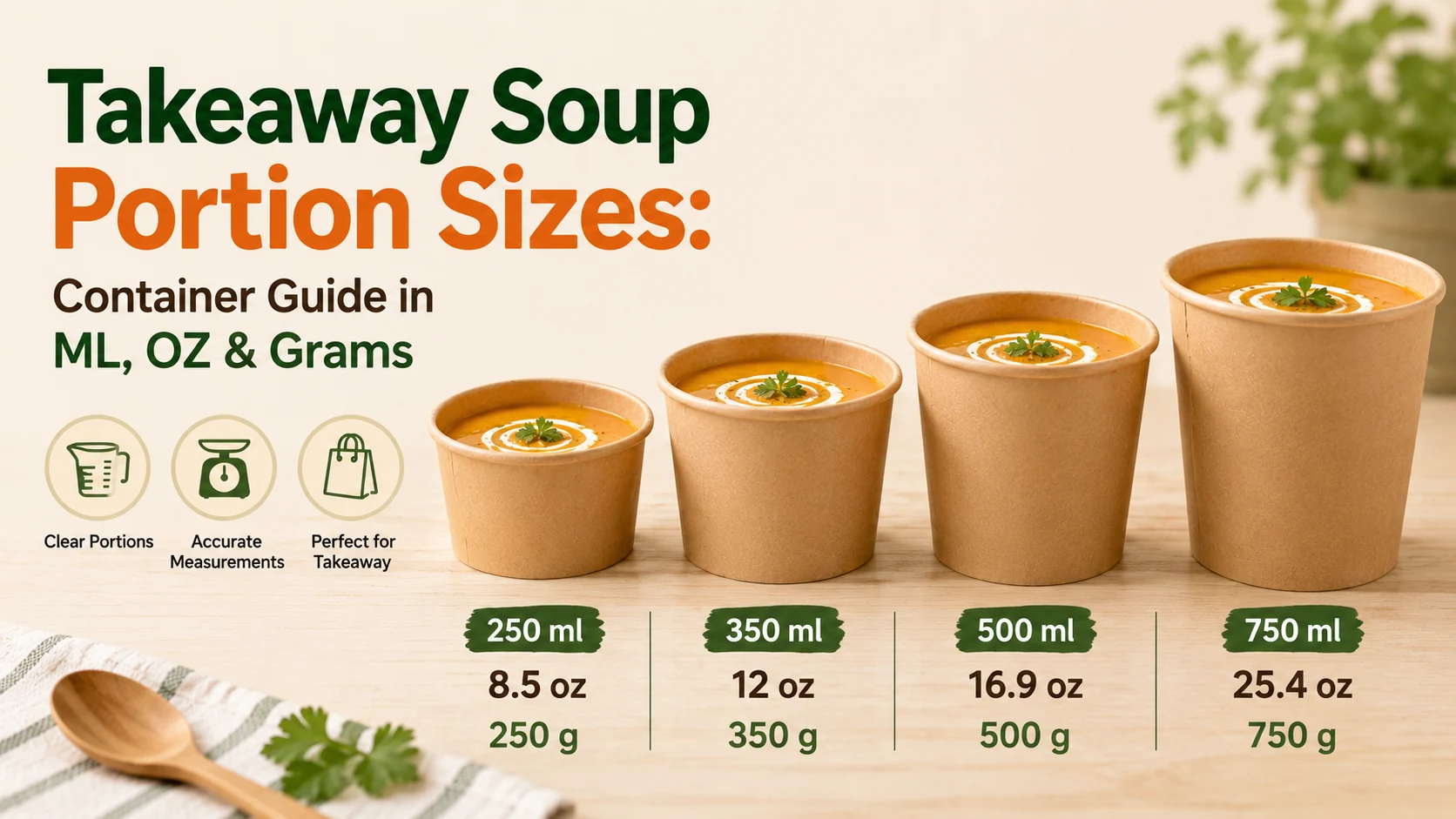
Takeaway soup containers are usually labeled in ounces, but many restaurants and food packaging buyers also use milliliters and grams when planning portions, calculating food costs, or standardizing recipes. Understanding these unit conversions makes it easier to compare container capacities across different takeaway soup serving sizes.
For broth-based soups, milliliters and grams are generally close in value. However, thicker soups with noodles, vegetables, meat, cream, or toppings may weigh more depending on ingredient density, so gram values should be treated as practical estimates rather than exact measurements.
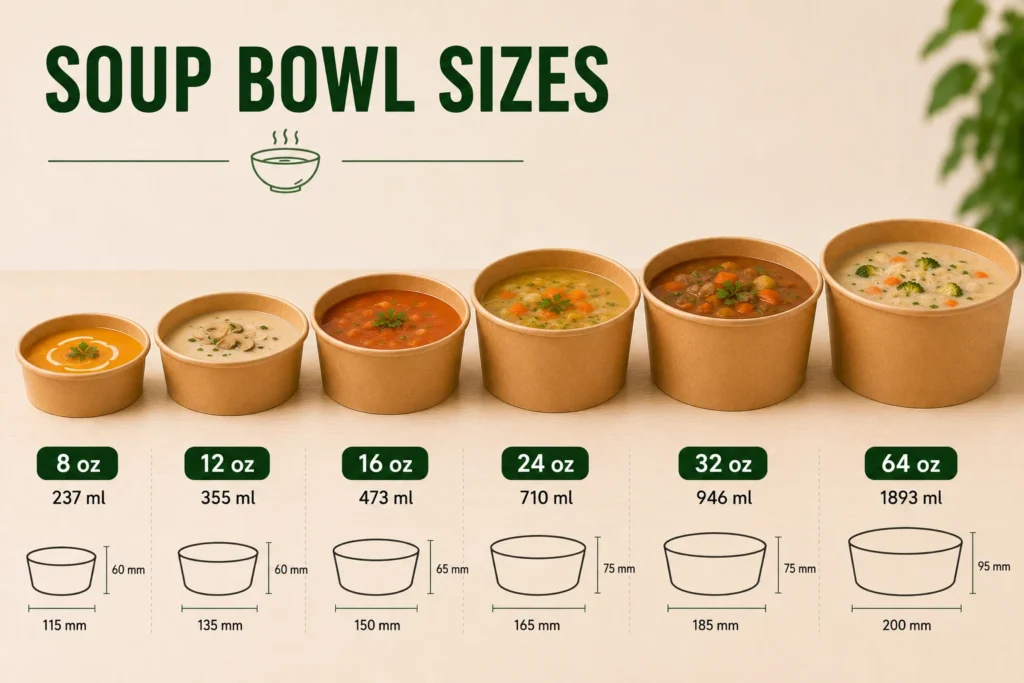
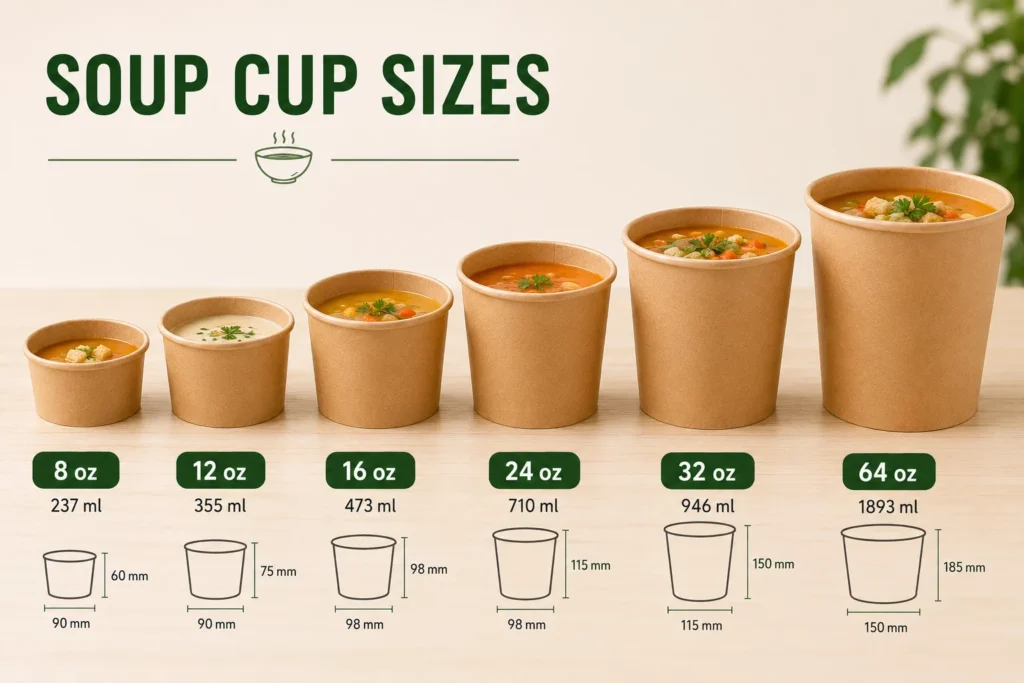
Here are the most commonly used takeaway soup container sizes in foodservice and delivery packaging:
| Container Size | Milliliters (ML) | Approx. Weight (Grams) |
|---|---|---|
| 8 oz | 240 ml | About 240 g |
| 12 oz | 355 ml | About 355 g |
| 16 oz | 473 ml | About 473 g |
| 24 oz | 710 ml | About 710 g |
| 32 oz | 946 ml | About 946 g |
| 64 oz | 1892 ml | About 1892 g |
Among these options, 16 oz is widely considered the standard takeaway soup container size for individual portions, while larger capacities are commonly used for sharing meals and catering applications.
Which Soup Container Size Fits Each Menu Type?
Once you understand the standard soup container sizes, the next step is to match each size with your actual menu. A side soup, a lunch combo, a regular takeaway portion, and a noodle soup meal do not need the same container capacity. Choosing by menu type helps restaurants control portion value, reduce waste, and create a better takeaway experience.
| Container Size | Typical Menu Use |
|---|---|
| 8 oz | Side soup, tasting portion, kids’ meal |
| 12 oz | Starter soup, lunch combo, small takeaway portion |
| 16 oz | Standard individual takeaway soup |
| 24 oz | Large soup, chowder, soup with more ingredients |
| 32 oz | Ramen, pho, noodle soup, family portion |
| 64 oz | Group meals, bulk takeaway, catering orders |
For lighter menu items, 8 oz and 12 oz containers are usually enough. They work well for side soups, set meals, and smaller portions where cost control matters. For regular takeaway soup, 16 oz is often a practical choice because it gives customers a clear individual portion without using unnecessary packaging space.
For soups with noodles, vegetables, meat, seafood, or heavy toppings, larger containers are usually more suitable. A 24 oz or 32 oz soup bowl gives the ingredients more room, improves presentation, and leaves enough headspace for lid sealing during delivery. For family-style meals, group orders, or catering, 32 oz and 64 oz options are better for larger serving needs.
Soup Cup vs Soup Bowl: Which One Should You Choose?
Soup cups and soup bowls are both common choices for takeaway soup, but they serve different packaging needs. For buyers, the decision should depend on the soup type, portion size, delivery method, storage space, and the eating experience you want to provide.
Soup Cups
Soup cups are deeper and more compact, making them a practical option for side soups, standard portions, combo meals, and grab-and-go takeaway orders. Their narrow shape helps save storage space, improves stacking, and reduces movement inside takeaway bags during delivery.
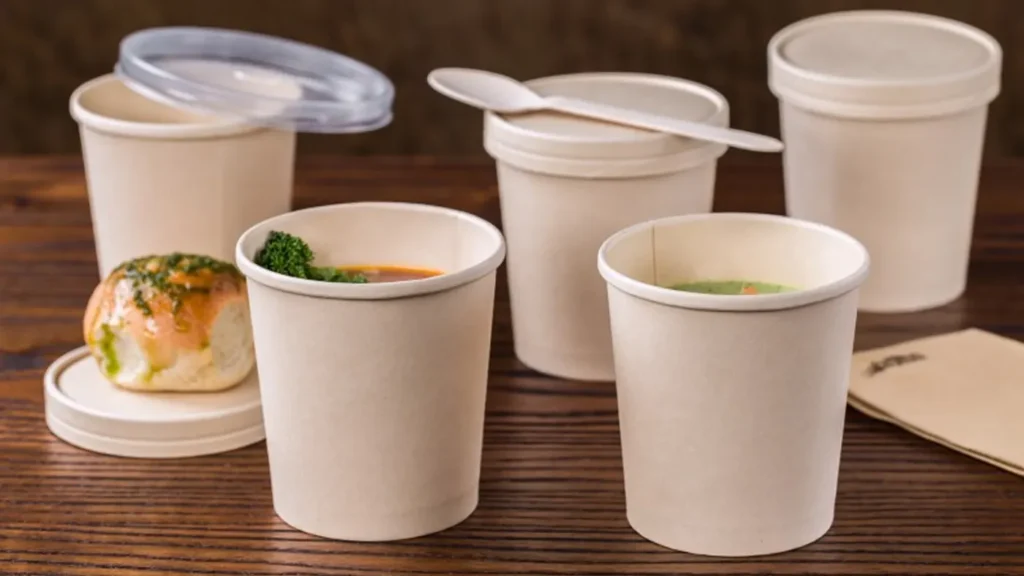
For restaurants, noodle shops, and delivery kitchens that need fast packing, simple inventory management, and consistent portion control, soup cups are often the more efficient choice.
Soup Bowls
Soup bowls are wider and have a larger opening, which gives the food a fuller and more appealing presentation. They are especially suitable for ramen, pho, chowder, noodle soups, and soups with vegetables, meat, seafood, or toppings.
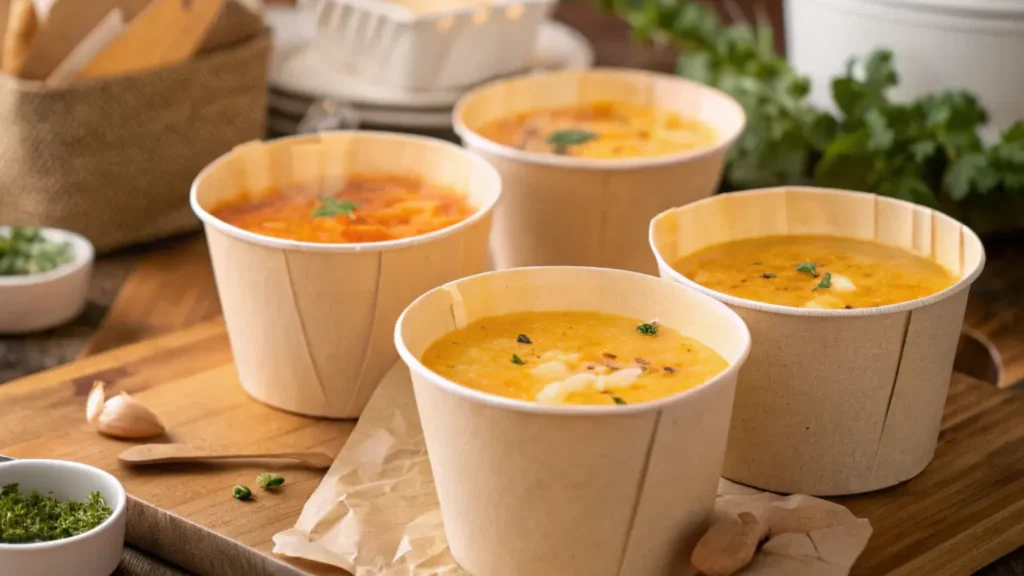
The wider shape gives ingredients more room and makes the soup easier to eat directly from the container. For meal-size takeaway soups or menus where presentation matters, soup bowls usually create a better customer experience.
How to Choose the Right Takeaway Soup Container Size?
The right takeaway soup container size depends on how the soup is served, what ingredients it contains, how far it needs to travel, and how customers will eat it after delivery. For restaurants, noodle shops, and delivery kitchens, a well-matched container helps keep portions consistent, reduce spills, control packaging waste, and improve the overall takeaway experience.
Match the Soup Type
Different soups need different container capacities. Clear broth, miso soup, and light side soups usually work well in 8 oz to 12 oz containers, while creamy soups, chowders, tomato soup, stews, chili, ramen, pho, and noodle soups often need larger sizes such as 16 oz, 24 oz, or 32 oz. The richer or heavier the soup is, the more space it usually needs for both serving value and eating comfort.
Define the Serving Portion
Before choosing a size, decide how the soup will be sold on your menu. A side soup or appetizer portion usually fits 8 oz or 12 oz containers, a standard individual lunch or dinner portion often works well in 16 oz containers, and larger meal portions, sharing orders, or family-size takeaway usually need 24 oz, 32 oz, or larger options. A smaller container filled properly can also look more generous than a large container that is only partially filled.
Check Ingredient Volume
Soup container size should not be based only on liquid volume. Soups with noodles, vegetables, meat, seafood, cream, beans, rice, or toppings need more room than clear broth, especially if customers eat directly from the container. For ingredient-rich soups, a wider soup bowl often works better than a narrow soup cup because it improves presentation, reduces crowding, and makes the meal easier to eat.
Test Lid Fit and Delivery Safety
For takeaway soup, lid fit is just as important as container size. Hot soup can spill during transport if the lid does not seal securely, if the container is filled too close to the top, or if the structure is not stable enough for delivery bags. Buyers should check lid compatibility, filling height, container stability, and whether vented or snap-fit lids are needed for safer takeaway and delivery performance.
Choose the Right Material and Structure
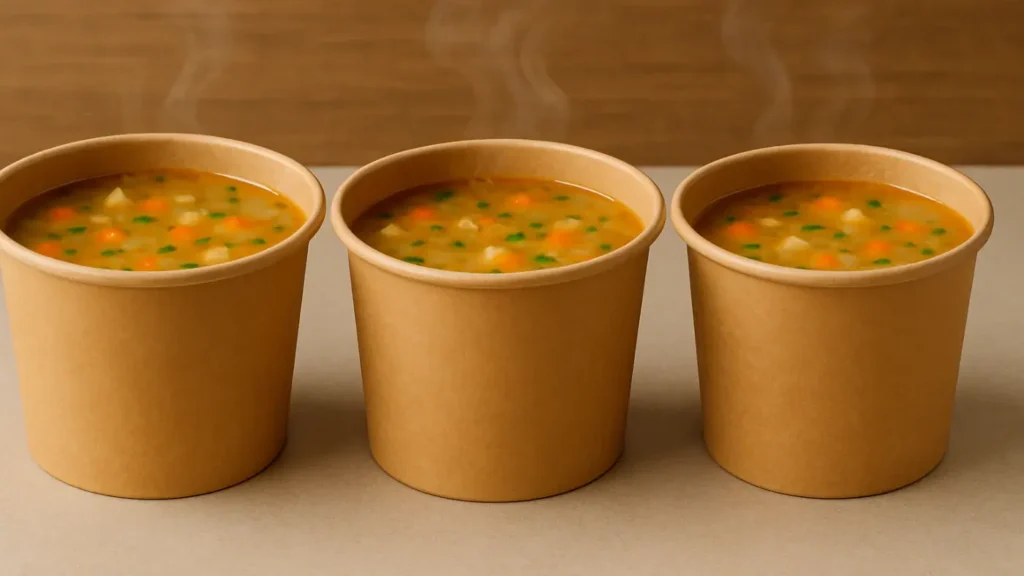
The container material should match the soup temperature, delivery time, brand positioning, and customer use. Paper and kraft soup containers are common for hot takeaway soups when paired with the right inner coating and lid, PP containers are useful when microwave reheating or stronger heat resistance is needed, and bagasse or compostable containers are often chosen for more eco-focused packaging. Structure also matters, including insulation, coating, bowl width, stacking, and overall strength during transport.
Paper, Kraft, PP or Compostable Soup Containers?
The right material depends on soup temperature, delivery distance, brand positioning, and how customers will reheat or eat the food. For takeaway soup packaging, the container needs to hold hot liquid, seal securely, and keep its shape during transport.
Paper Soup Containers
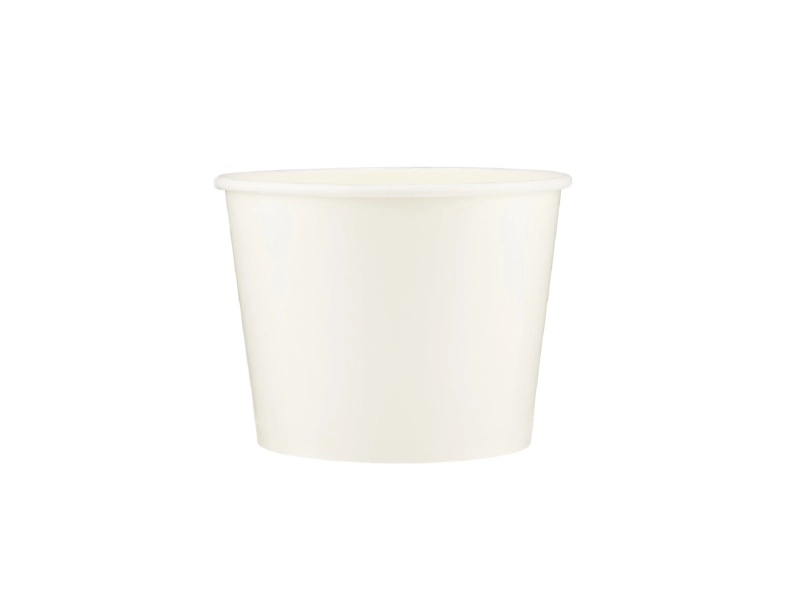
Paper soup containers are a practical choice for cafés, delis, and takeaway restaurants. They are lightweight, easy to stack, and suitable for many hot soup menus when paired with the right inner coating and matching lid.
Kraft Soup Containers
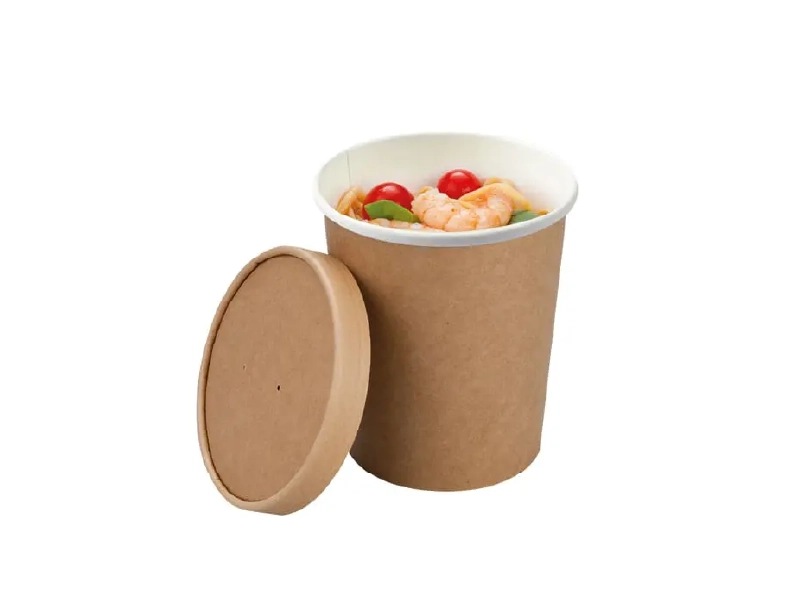
Kraft soup containers create a natural and eco-conscious look, making them popular for healthy food brands, organic cafés, and premium takeaway menus. They work well when restaurants want packaging that feels simple, warm, and less industrial.
PP Soup Containers
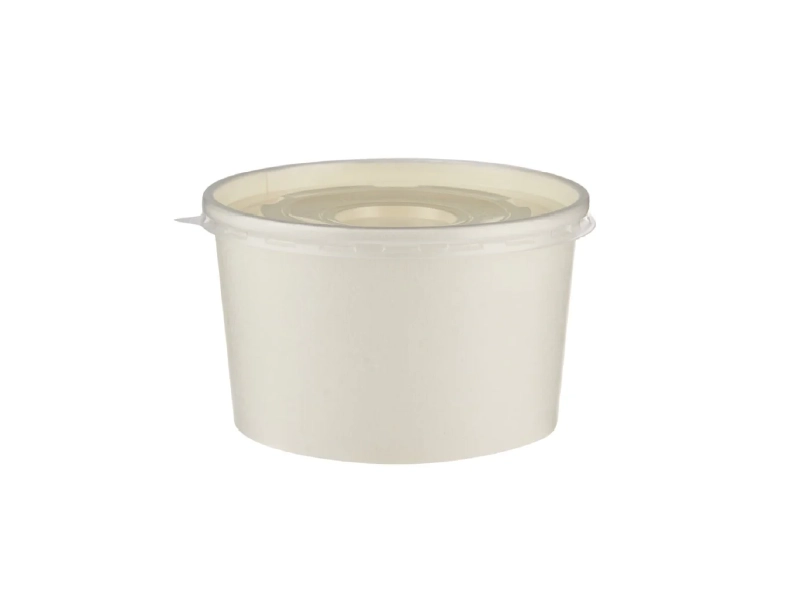
PP soup containers are strong, heat-resistant, and often used when microwave reheating is important. They are a good option for meal prep, delivery kitchens, and soups with heavier ingredients or longer holding times.
Compostable Soup Containers
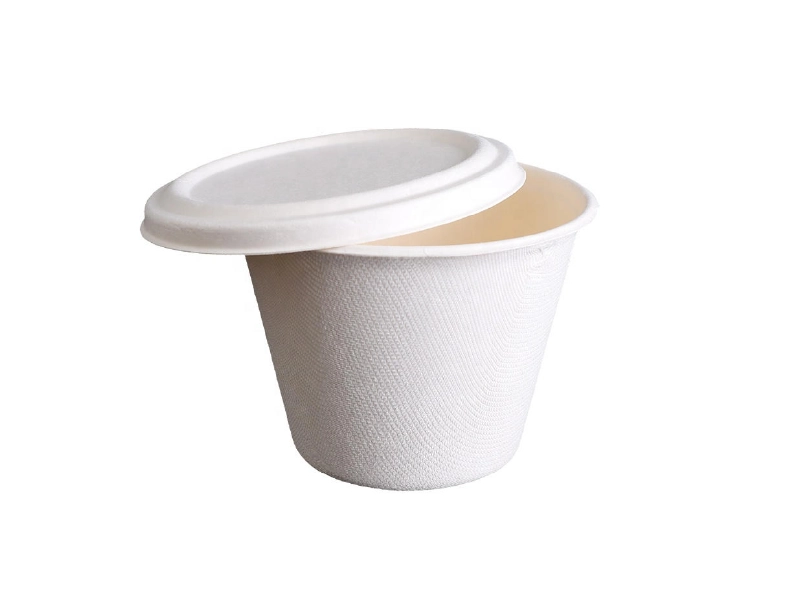
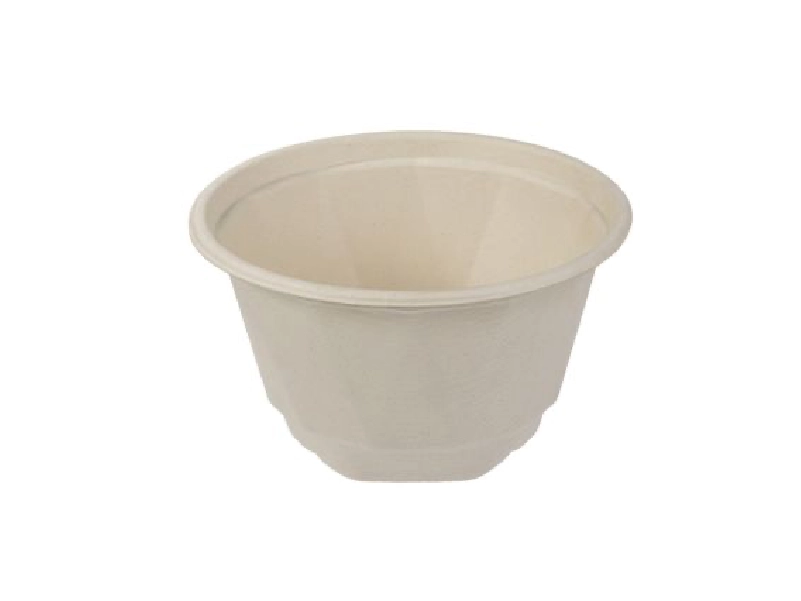
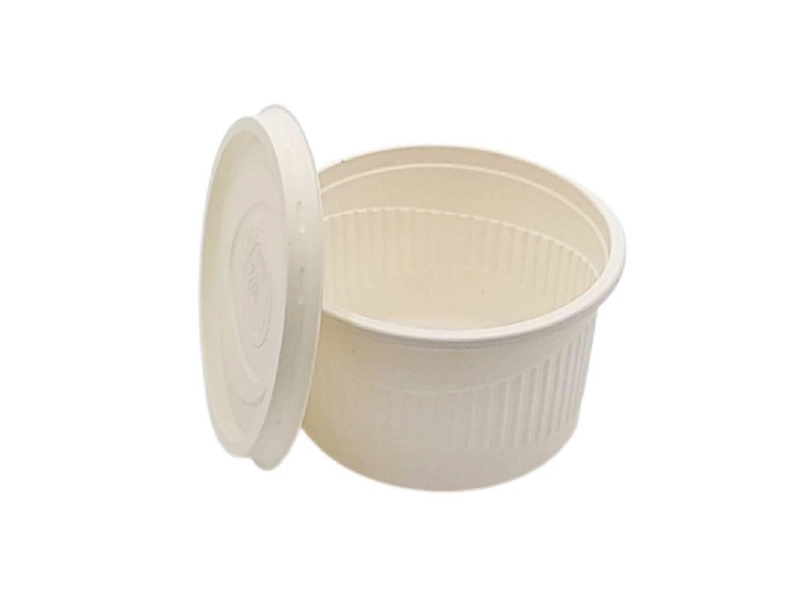
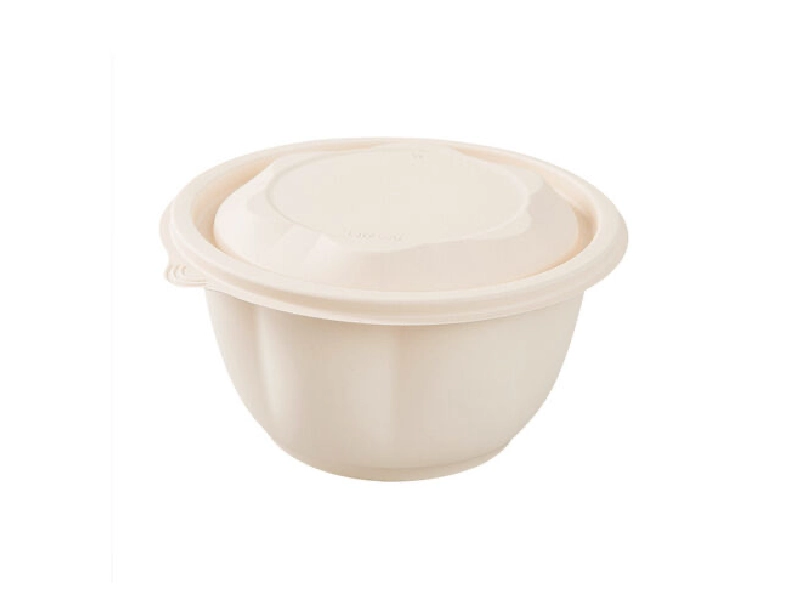
Compostable soup containers are designed for businesses that want to reduce plastic use and support sustainable packaging goals. They are often chosen by eco-focused restaurants, but buyers should always check heat resistance, lid fit, and local composting requirements before ordering.
Million Pack Takeaway Soup Container Solutions
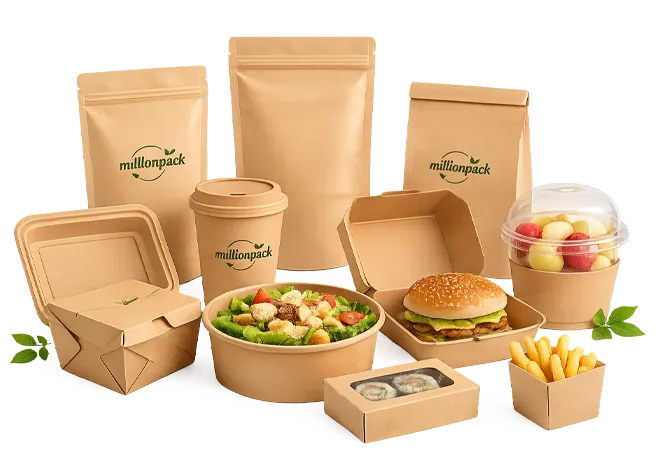
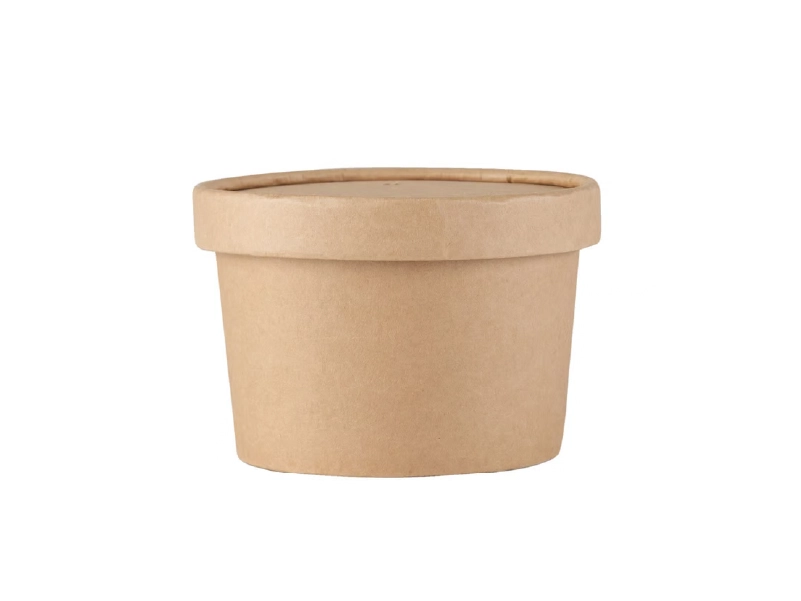
Million Pack offers takeaway soup cups and soup bowls in a wide range of sizes, including 8 oz, 12 oz, 16 oz, 24 oz, and 32 oz options for different takeaway soup portion sizes. The product range is designed for side soups, standard takeaway servings, noodle soups, and large family-style meals.
The available soup containers support portion consistency in ML, OZ, and grams while helping restaurants and food delivery businesses improve packaging efficiency and takeaway presentation. Matching lids, stackable designs, and multiple size options also make daily takeaway operations easier to manage.
Million Pack also provides custom printing solutions for businesses looking to create branded takeaway soup packaging with a more professional appearance and stronger brand visibility.