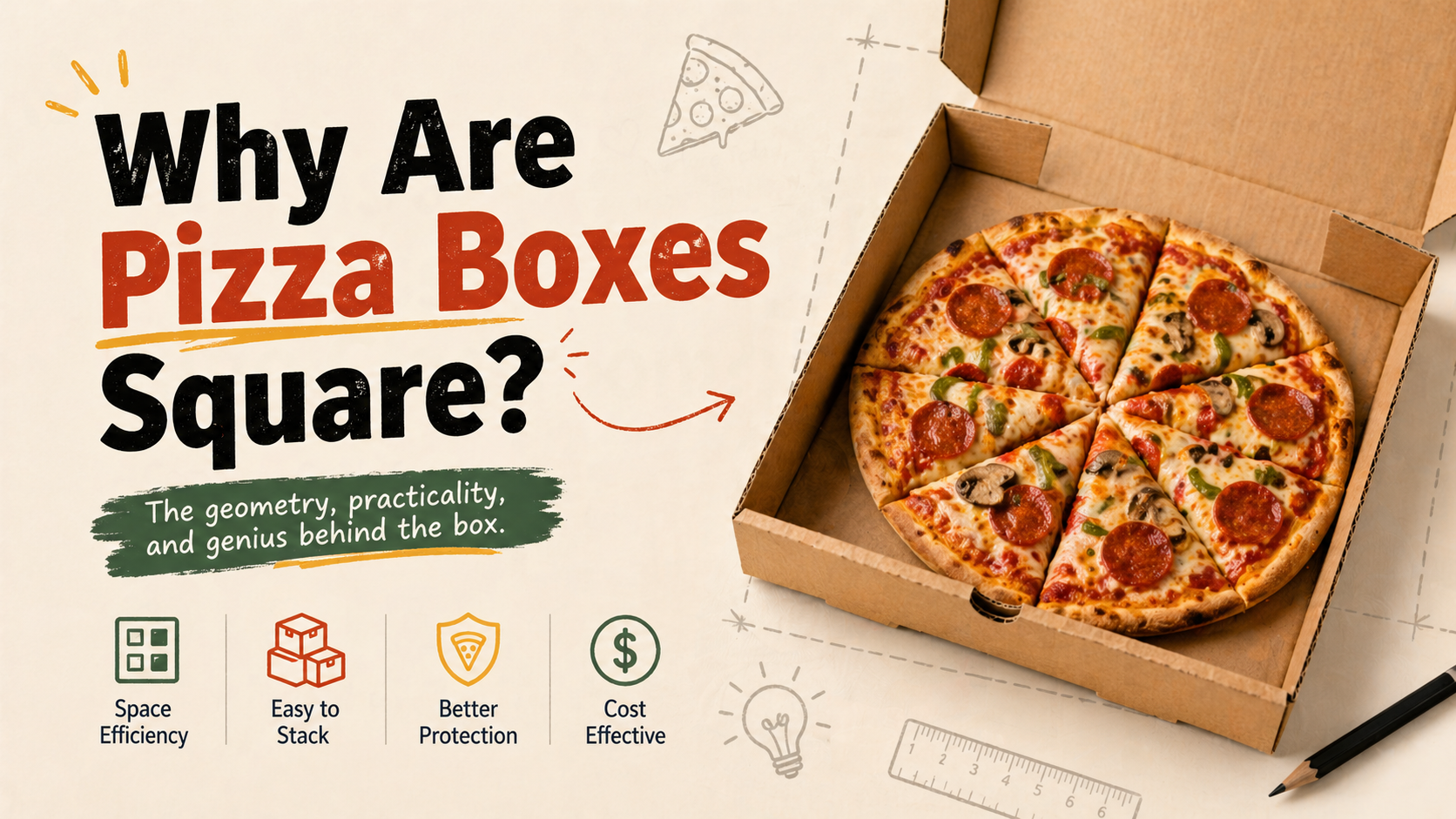
There’s an interesting contrast built into one of the most common takeout foods. Pizzas are round by design, yet the boxes they’re delivered in are square. This difference isn’t accidental, and it turns out to be the result of practical decisions rather than visual consistency. What seems like a simple mismatch actually reflects how packaging, production, and real-world use shape even the smallest details of everyday products.
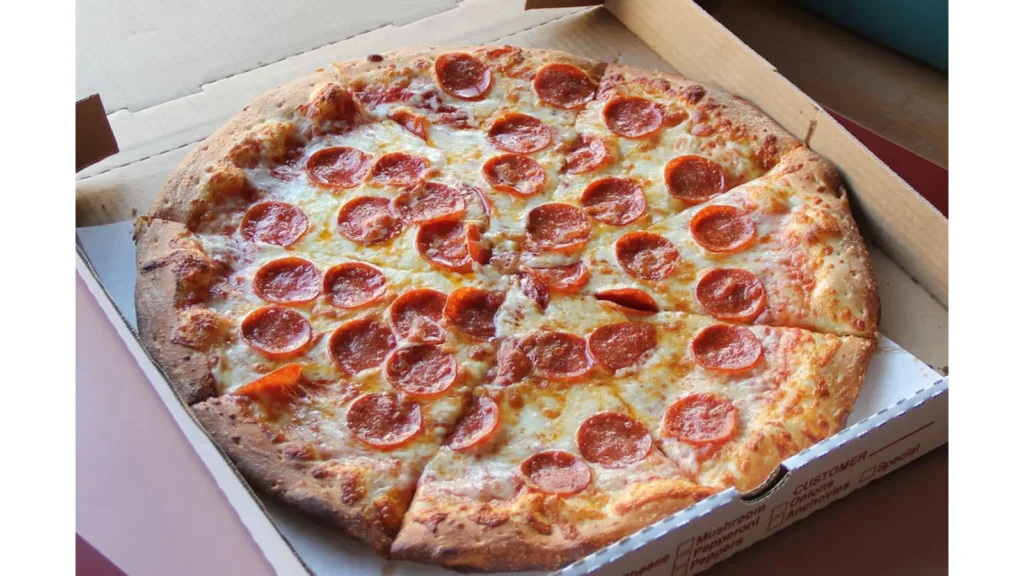
Core Reasons Behind Square Pizza Boxes
Lower Production Cost and Simpler Manufacturing
If you trace it back to where the box actually comes from, the answer starts with cardboard, not pizza.
Pizza boxes are made from flat sheets, and straight edges are simply easier to cut and fold. A square box can be formed from a single piece with a few folds, which makes the whole process fast and predictable. Factories are already set up for this kind of production, so there’s no need to reinvent anything.
A round box sounds logical until you try to make one at scale. You either waste material cutting curves out of rectangular sheets, or you split the design into multiple pieces that need to be assembled. That slows things down and pushes costs up. For something as low-margin as pizza, that tradeoff just doesn’t make sense.
Efficient Storage and Transport
Most pizza boxes spend more time being stored and moved than actually holding pizza.
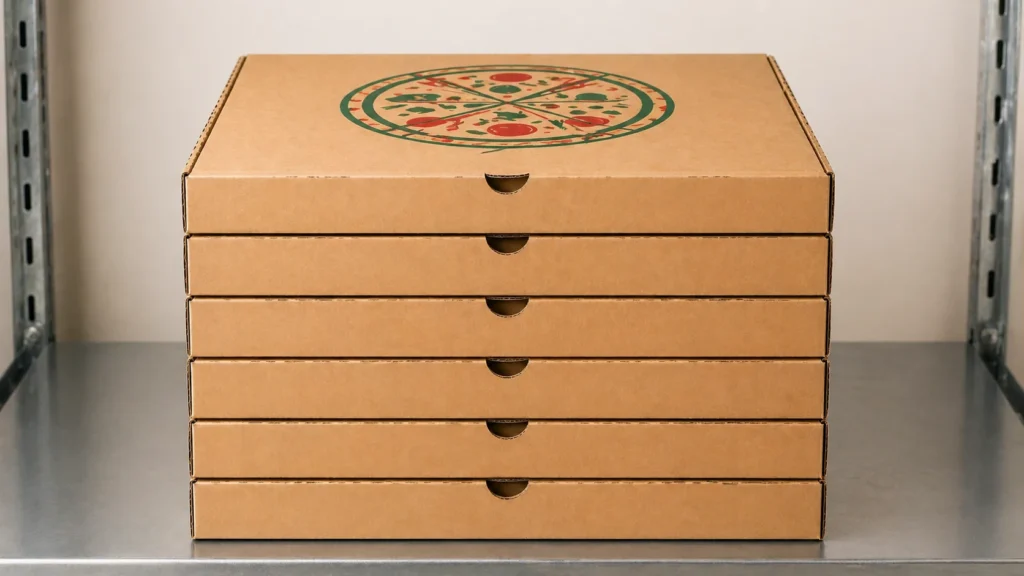
Before they’re used, boxes are kept flat in stacks. Square ones line up cleanly and take up less space. When assembled, they stack just as neatly, whether they’re sitting in a restaurant, packed into delivery bags, or loaded into a car.
Round boxes don’t behave the same way. They leave awkward gaps when stacked and are harder to keep stable. None of these issues are dramatic on their own, but they add friction at every step. And in a business that runs on speed and volume, that friction matters.
Faster Handling in Real Kitchen Operations
Inside a pizza shop, especially during peak hours, everything comes down to speed.
Staff need to grab a flat box, fold it in seconds, drop the pizza in, and move on. Square boxes are built for that rhythm. There’s no need to line things up carefully, and the extra space around the pizza actually helps when placing it inside quickly.
That same extra space carries over to the customer. It gives you room to grab a slice without smashing the crust against the edge, and sometimes it even holds small extras like sauce cups or napkins. It’s not perfectly fitted, but it’s easier to deal with.
Stronger Structure for Stacking and Protection
A pizza box has to survive more than just sitting on a table. It gets stacked, carried, tilted, and sometimes squeezed into tight delivery bags.
Square boxes handle this better than you might expect. The corners and flat sides help distribute pressure, which keeps the box from collapsing when others are stacked on top. Combined with corrugated cardboard, the structure is strong enough to protect the pizza while still being lightweight.
A round design could be made sturdy too, but it would take more effort and material to get there. The square version gets that balance with less complexity.
Industry Standardization and Supply Chain Efficiency
At some point, the shape stopped being questioned.
As pizza delivery grew, square boxes proved to be reliable and cheap, so they spread quickly. Manufacturers optimized around them. Restaurants built their storage and workflows around them. Suppliers produced them in bulk.
Once that system is in place, it’s hard to change. Even if someone designs a better-looking or slightly more efficient box, switching would mean reworking equipment, storage, and supply chains.
So the square pizza box stays, not because it’s perfect, but because everything else has adapted to it.
Why Pizzas Are Usually Round?
By this point, the box has already been explained. The more fun question is the one sitting inside it: if square boxes are the practical choice, why is the pizza still round in the first place?
The answer is much less industrial and much more physical. Pizza dough usually starts as a ball, and when a cook presses, stretches, or spins it, the dough naturally spreads outward in a circle. That shape is the fastest and easiest to form evenly, which is why round pizza became the norm long before anyone was debating the box.

Trying to force that same dough into a square is where things get awkward. The gluten in the dough resists being stretched unevenly, so the corners tend to shrink back. You can shape it into a square if you really want to, but it takes more effort, more time, and usually doesn’t come out as uniform.
There’s also a practical side once the pizza is baked. A round pizza is easy to cut into equal slices, like a pie. Each cut radiates from the center, so portions stay consistent. With a square or rectangular pizza, cutting evenly takes more attention, and the pieces don’t always feel as intuitive to share.
So the shape of the pizza comes down to how it’s made and how it’s served. It’s not about matching the box. It’s about what’s fastest, most natural, and easiest to handle in a real kitchen.
FAQ: Fun Questions About Pizza
Why do pizza boxes have those small holes?
Those little holes aren’t random. They help release steam. Without them, moisture builds up inside the box and turns the crust soggy. The holes strike a balance by letting heat escape just enough to keep the pizza warm without trapping too much humidity.
What is the small plastic table in the middle of the pizza?
That tiny plastic piece is there to keep the lid from touching the pizza during transport. When boxes are stacked, pressure from above can push the lid down. The “pizza saver” prevents the cheese from sticking and keeps everything looking intact when you open the box.
Why is pizza usually cut into triangles?
Cutting a round pizza into wedges is the fastest way to divide it evenly. Each slice gets a bit of crust and a bit of center, so portions feel fair. You can cut it into squares, but then you end up with uneven pieces and no clear “slice” to grab.
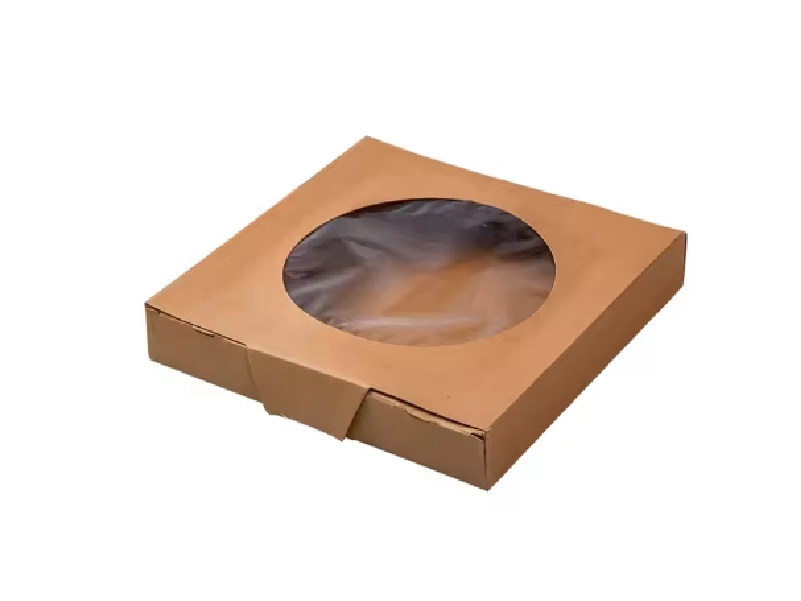
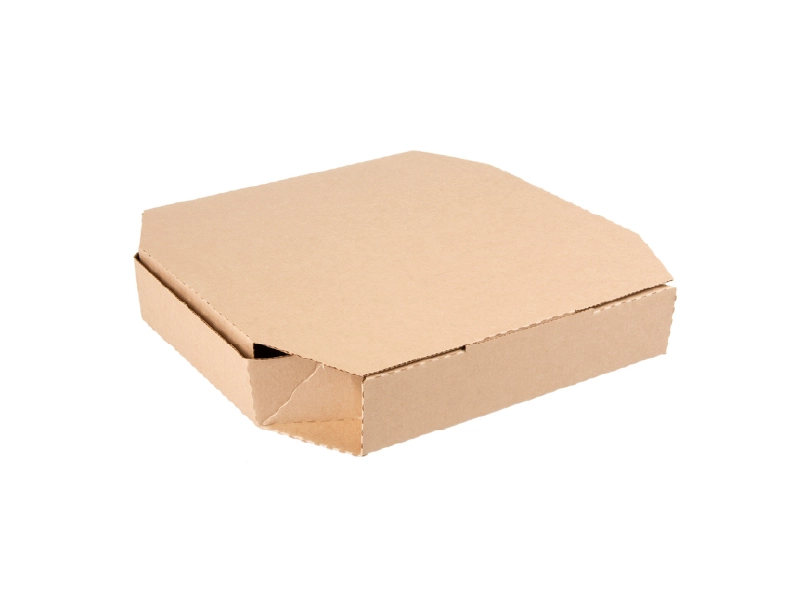
Choosing the Right Pizza Box for Your Business with Million Pack
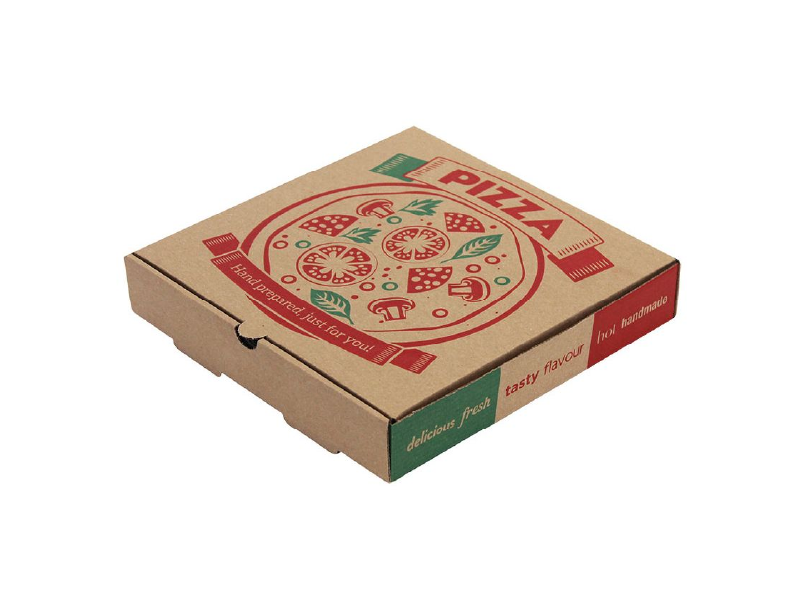
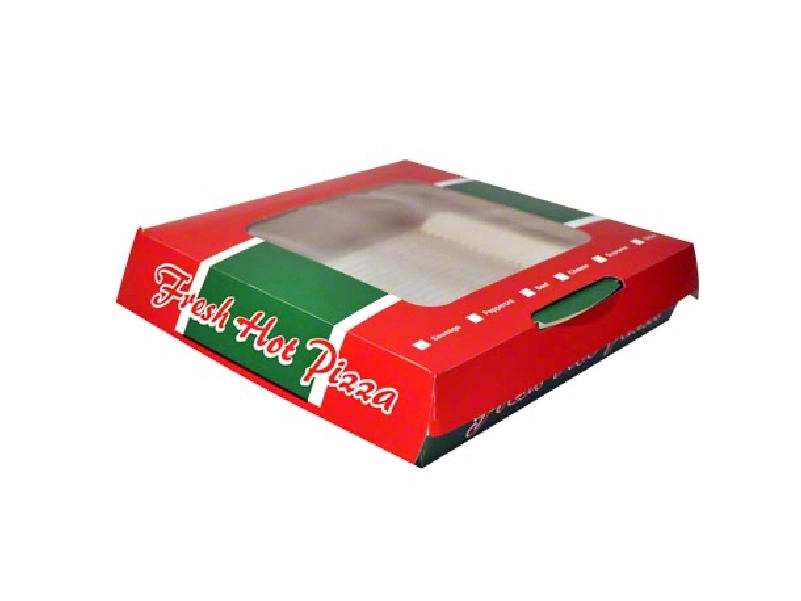
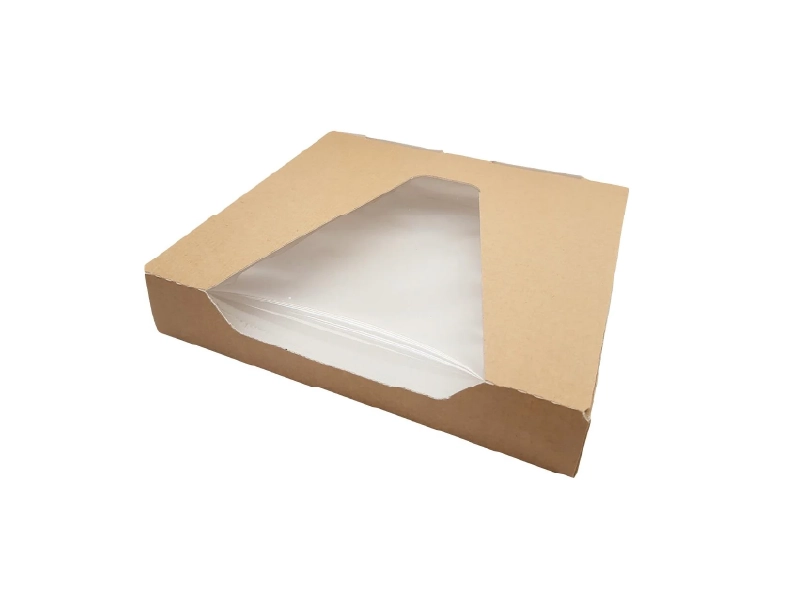
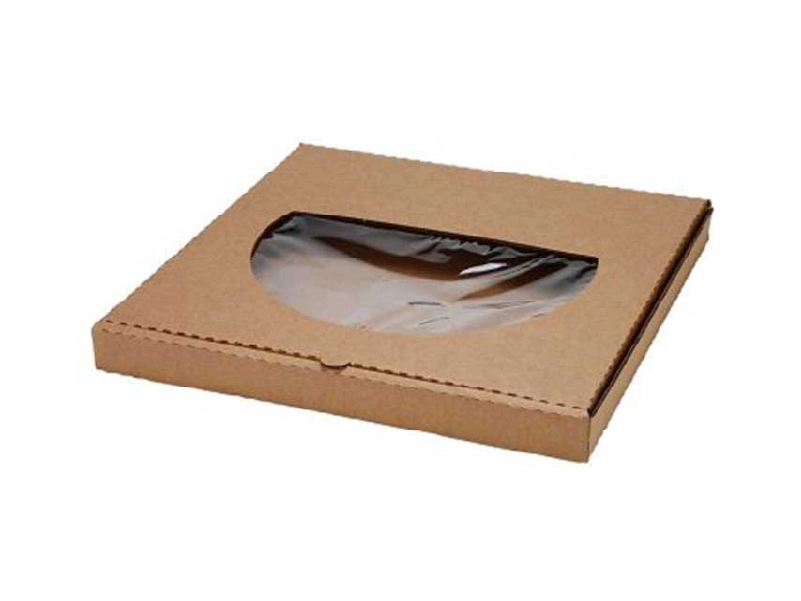
At Million Pack, we make pizza boxes for the way pizza actually gets sold: packed fast, stacked tight, carried out, and delivered hot. Our range includes standard corrugated pizza boxes, white and printed styles, window and vented options, pizza slice boxes, and even multi-layer designs for larger orders or combo packaging. We also offer a wide range of sizes, so it’s easier to match the box to the kind of pizza service you run.
The idea is pretty simple. You want a box that looks good, holds up, and does its job without creating extra hassle. That’s what we focus on at Million Pack with food-safe, recyclable materials, custom printing, and practical designs built for dine-in, takeaway, and delivery.