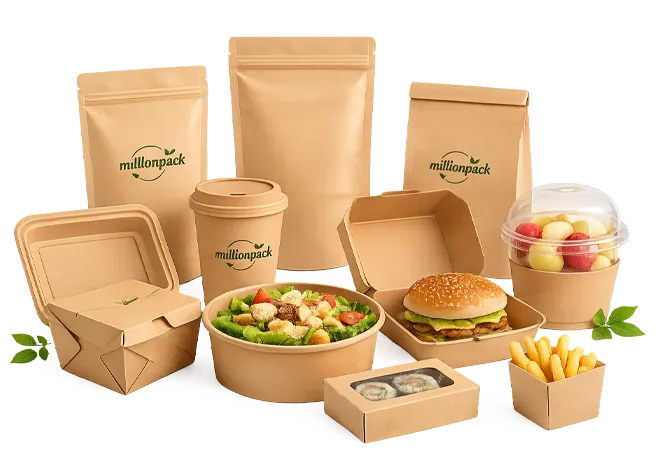
If you’re a food business owner, manufacturer, or eco-conscious entrepreneur, you’re likely grappling with the growing demand for sustainability. Consumers today aren’t just asking for greener practices—they’re expecting them. But when it comes to packaging, finding sustainable food packaging materials that are both effective and affordable can feel overwhelming. With so many options on the market and greenwashing at an all-time high, how can you confidently choose materials that align with your values and meet regulatory demands?
Clinging to traditional packaging harms not only the planet but also your brand reputation. Consumers are abandoning brands that continue to use wasteful packaging, governments are banning single-use plastics, and your competitors are already rebranding and launching more environmentally friendly alternatives. If your packaging isn’t made with sustainable food packaging materials, you risk falling behind competitors who have already made the transition. Not only will you miss out on trends, you’ll also lose trust, visibility, and competitive advantage.
By integrating sustainable food packaging materials into your product strategy, you not only reduce environmental impact but also position your brand as a forward-thinking leader in a rapidly changing market. This comprehensive guide to sustainable food packaging materials will walk you through 12 innovative, proven solutions to help your business reduce waste, attract eco-conscious consumers, and stand out on search engines.
What are Sustainable Food Packaging Materials?
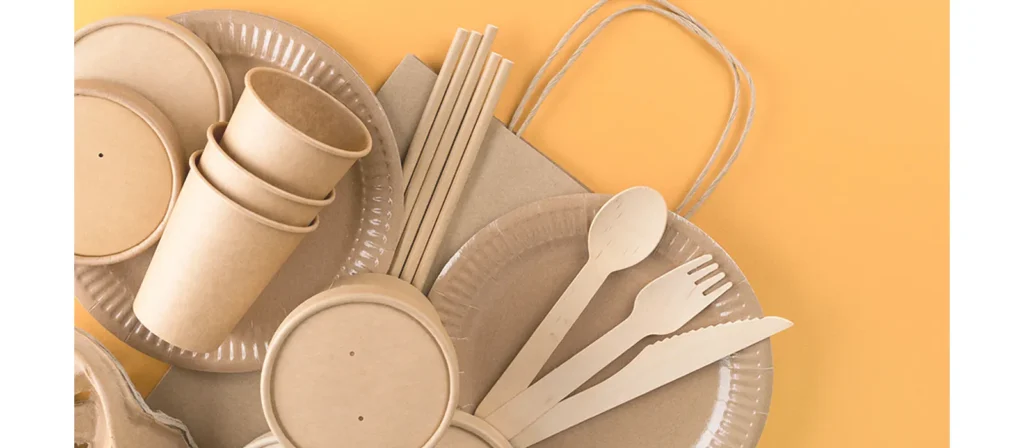
Sustainable food packaging materials are packaging solutions specifically designed to minimize environmental impact while preserving food safety and shelf life. These materials are derived from renewable resources, are biodegradable or recyclable, and often require less energy to produce compared to traditional petroleum-based packaging.
The goal of sustainable packaging is to reduce waste, conserve resources, and promote a circular economy. Instead of polluting landfills and oceans with plastic waste, sustainable packaging decomposes naturally or can be reprocessed into new materials, creating an eco-friendlier lifecycle for food products.
Businesses and consumers alike are now turning to sustainable packaging not only to meet government regulations but also to align with evolving environmental values. Whether it’s a food manufacturer, a delivery service, or a farm-to-table restaurant, selecting the proper sustainable packaging can influence cost, compliance, and customer loyalty.
Why Are Eco-Friendly Packaging Materials Important?
Sustainable food packaging materials have become more than just a trend—they are now a global necessity. The food and beverage industry is one of the most significant contributors to plastic waste. In 2022 alone, over 350 million tons of plastic were produced globally, and only a fraction was recycled.
The environmental footprint of traditional food packaging is staggering. Millions of tons of plastic packaging are produced annually, with less than 10% effectively recycled. The rest ends up polluting ecosystems, harming wildlife, and contributing to climate change through greenhouse gas emissions during production and degradation.
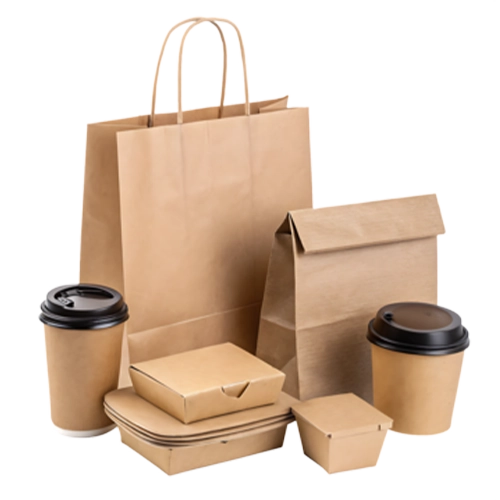
Eco-friendly packaging materials combat this crisis by offering alternatives that biodegrade, compost, or can be reused efficiently. These solutions help:
- Reduce dependence on fossil fuels
- Lower carbon emissions
- Minimize landfill accumulation
- Support regulatory compliance
- Enhance brand reputation among eco-conscious consumers
In a world demanding more sustainable practices, adopting sustainable food packaging materials is not just an option. It’s a necessity for businesses aiming to future-proof their operations and align with global environmental goals.
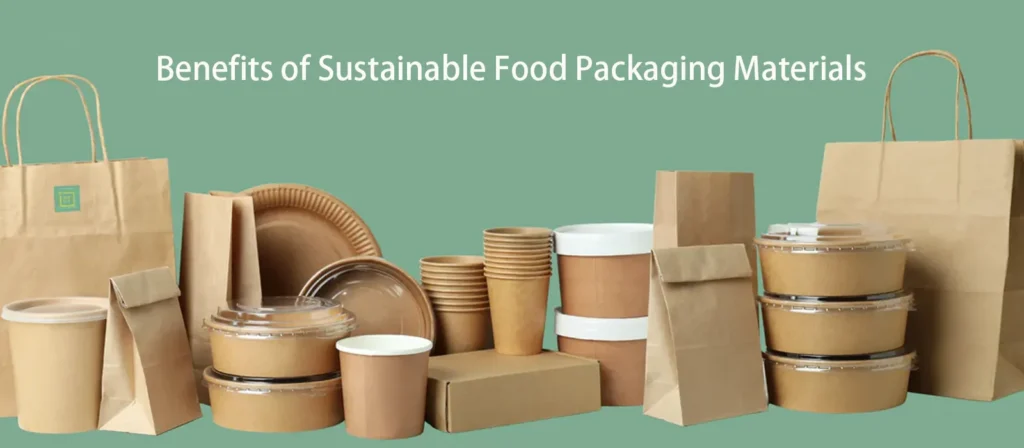
Benefits of Switching to Sustainable Food Packaging Materials
Switching to Sustainable Food Packaging Materials provides a mix of environmental, commercial, and operational benefits:
1. Environmental Protection
Sustainable materials reduce pollution, resource depletion, and greenhouse gas emissions. Many are biodegradable or compostable, preventing waste buildup in landfills or oceans.
2. Regulatory Compliance
More regions are enforcing bans on polystyrene, non-recyclable plastic, and excessive packaging. Using compliant materials ensures smooth operations and avoids legal trouble.
3. Brand Reputation & Consumer Trust
Eco-friendly practices enhance your brand’s image. They signal responsibility, attract new markets, and help differentiate you from less conscious competitors.
4. Operational Efficiency & Cost Savings
While sustainable options may seem more expensive up front, they often lead to long-term savings through reduced waste management fees, better storage optimization, and government incentives.
5. Market Competitiveness
Businesses that adopt sustainable practices are better positioned to win contracts with environmentally conscious retailers and consumers.
6. Future Readiness
The shift toward sustainability isn’t temporary. Businesses that switch early are more resilient against future policy changes, resource shortages, and shifting consumer preferences.
12 Best Sustainable Food Packaging Materials
Each of the following materials is a top option for modern, environmentally responsible food packaging. They have been chosen for their effectiveness, market readiness, and proven use across various sectors.
1. Compostable Packaging Materials
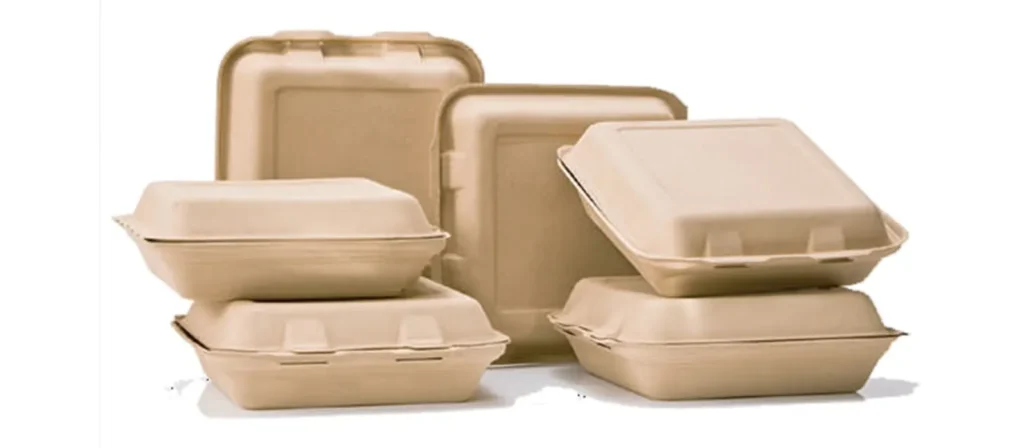
Compostable packaging is engineered from natural polymers and organic matter such as PLA (polylactic acid), bagasse (sugarcane fiber), cornstarch, and other biopolymers that break down under composting conditions into water, carbon dioxide, and biomass without leaving toxic residues. Unlike traditional biodegradable materials that may take years to decompose, compostable packaging is designed for controlled aerobic environments and must meet industrial compostability standards such as ASTM D6400 or EN 13432.
Application Scenarios:
Compostable packaging is suitable for short shelf life and ready-to-eat food products, especially in high-volume single-use environments. Typical food applications include:
- Takeaway salad bowls
- Hot and cold beverage cups
- Sandwich and burger clamshells
- Cutlery and straws
- Organic waste bin liners
- Prepared meal trays
Advantages:
- Meets environmental compliance under growing global plastic bans
- Breaks down entirely in industrial composting facilities within 90–180 days
- Safe for food contact and often heat-resistant up to 85°C (185°F)
- Reduces landfill volume and methane emissions associated with anaerobic decomposition
- Enhances brand image through visible commitment to sustainability
Disadvantages:
- Decomposition depends on specific composting conditions (heat, oxygen, humidity), which are not available in regular landfills
- Increases complexity in consumer waste sorting due to confusion between “biodegradable” and “compostable” labeling
- More expensive per unit than conventional petrochemical-based plastics
- Limited shelf life in high humidity or wet storage environments due to moisture sensitivity
- Requires access to industrial composting facilities—home compostability is less common and more complex to certify.
2. Paper-Based Materials
Paper-based packaging utilizes virgin kraft fibers, recycled fibers, or molded pulp to create structural or flexible formats. When used without synthetic laminations, these materials are recyclable in well-established paper recovery streams and are also biodegradable. They can be enhanced with dispersion coatings, bio-based polymer films, or grease-resistant treatments to extend use to moisture- or oil-containing foods. Fiber sourcing is often certified under FSC® (Forest Stewardship Council) or PEFC™ to ensure responsible forestry practices.

Application Scenarios:
Paper-based packaging is highly versatile and is widely used in both retail and foodservice settings. Suitable applications include:
- Bakery and pastry boxes
- Grease-resistant burger wraps
- Sandwich and deli paper
- Cereal and snack cartons
- Dry pasta and flour bags
- Beverage cup sleeves
Advantages:
- Easily printable, offering excellent branding opportunities through soy-based or water-based inks
- Biodegradable and recyclable through curbside municipal waste programs
- Generally low cost and lightweight, reducing transportation emissions
- Customizable through lamination, waxing, or coating for barrier improvements
Disadvantages:
- Base paper is hygroscopic and loses integrity with prolonged exposure to moisture unless treated
- Multilayer (plastic-coated or foil-lined) paper packaging may be difficult to recycle
- Paper production can have a high water and energy footprint if not managed responsibly
- Vulnerable to tearing and puncturing under high stress without reinforcement
- Higher weight than thin-gauge plastic films for equivalent barrier properties, potentially affecting transport efficiency.
- Risk of contamination when used for greasy or saucy foods
3. Biodegradable Packaging Materials
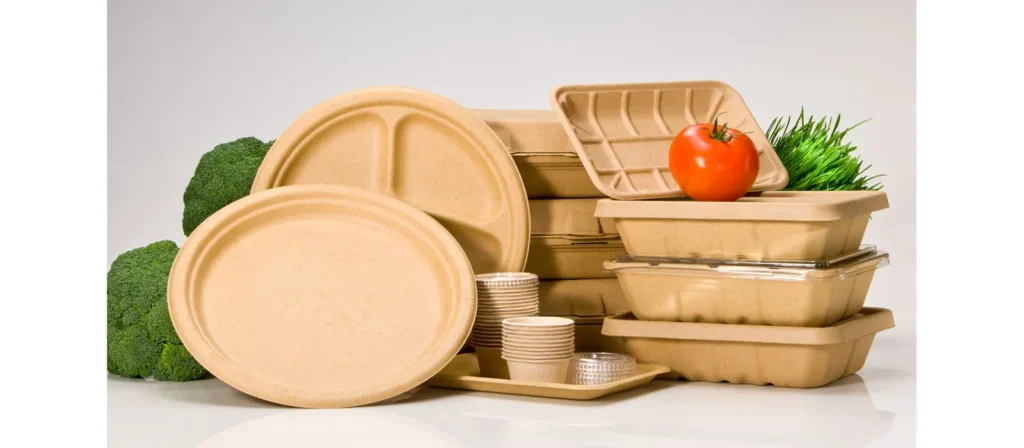
Biodegradable packaging refers to materials that can decompose by natural biological processes involving microorganisms, converting them into carbon dioxide, water, and biomass over a finite period. These materials include bio-based alternatives like PHA (polyhydroxyalkanoate), PLA, and PBAT, as well as some innovative blends of plant starches and proteins. Biodegradable packaging can be certified according to ISO 17088 or ASTM standards and is often used in both industrial and controlled home composting environments.
Application Scenarios:
Biodegradable packaging is most suitable for fast-moving consumer goods and perishable food products. Applications include:
- Fresh produce bags
- Frozen food pouches
- Snack bar wrappers
- Biodegradable cling films
- Food delivery containers
- Disposable utensils
Advantages:
- Naturally breaks down in soil or compost, often without leaving harmful residues.
- Reduces dependency on fossil fuels by using renewable inputs
- Provides functional performance similar to traditional plastics in many use cases
- Can help companies meet extended producer responsibility (EPR) compliance
- Potential to reduce long-term persistence in the environment compared to conventional plastics.
Disadvantages:
- Breakdown time varies widely depending on the microbial ecosystem, temperature, and oxygen levels
- May not degrade effectively in oceanic or landfill environments without aerobic conditions
- Misleading labeling can result in improper disposal and contamination of recycling streams
- Performance under heat and pressure may be inferior to that of conventional plastic unless chemically modified
4. Peanut and Cornstarch Packaging Materials
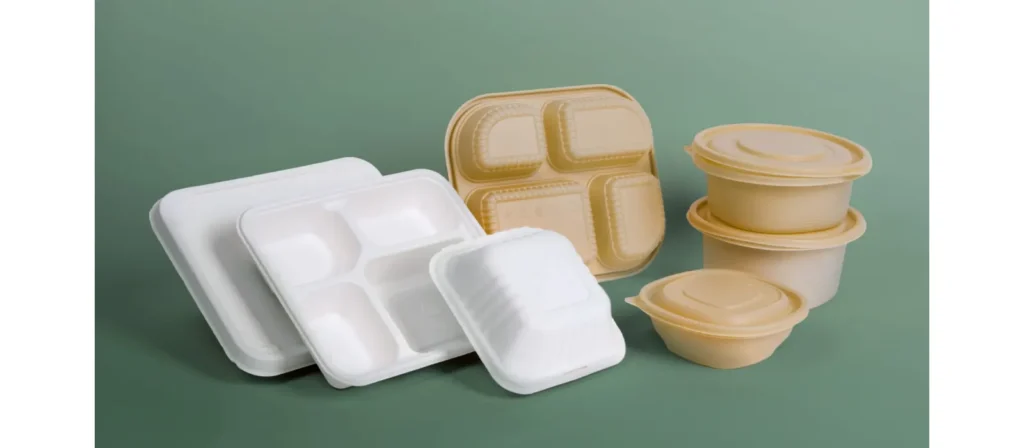
Peanut and cornstarch packaging materials are starch-based alternatives to polystyrene (Styrofoam), primarily used for protective packaging. While often associated with shipping, these materials are increasingly used in the food industry for cushioning and thermal insulation. Made from cornmeal, wheat, or potato starch, they decompose in water and soil without leaving toxic residue, making them a popular compostable option.
Application Scenarios:
While less common for direct food contact, these materials serve essential secondary or tertiary packaging purposes for:
- Insulated food delivery boxes
- Cushioning for glass bottle packaging (juices, sauces)
- Thermally protected meal kits
- Ice cream shipment liners
- Boxed gourmet food hampers
Advantages:
- Fully biodegradable and compostable, even in home compost systems
- Non-toxic, safe for indirect contact with food
- Lightweight yet shock-absorbent, offering excellent protective properties
- Dissolves in water, leaving no waste footprint
Disadvantages:
- Not suitable for wet or greasy foods due to water solubility
- Susceptible to deformation in high-humidity environments
- Higher cost than petroleum-based foams
- Limited use in primary packaging due to structural fragility
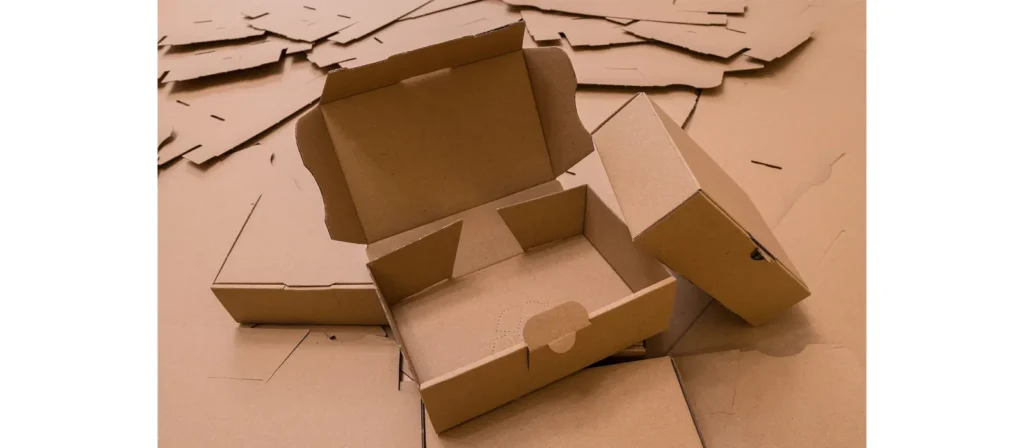
5. Corrugated Packaging Materials
It is one of the most widely recycled and reused materials in the world. Corrugated packaging is constructed from fluted corrugating medium bonded between one or two flat linerboards. Variants include single-wall, double-wall, and triple-wall constructions, depending on stacking and load-bearing needs. For food, it serves primarily as secondary or tertiary packaging, ensuring safe transport and efficient stacking, with increasing innovation in food-safe inner linings for direct contact applications.
Application Scenarios:
Corrugated packaging is ideal for transporting and displaying bulk or packaged food products. Typical uses include:
- Pizza delivery boxes
- Produce crates and trays
- Packaged meal delivery boxes
- Cold chain packaging for perishables
- Shelf-ready packaging for retail
Advantages:
- High strength-to-weight ratio, reducing transportation emissions
- Recyclable and often made from recycled fibers
- Provides excellent thermal insulation and product protection
- Printable surface for branding and labeling
- Customizable design for branding, venting, and portion separation.
Disadvantages:
- Loses integrity when saturated with moisture unless treated
- Waxed or coated variants may not be recyclable
- Bulky in storage and logistics
- Requires significant amounts of water and energy if virgin fiber is used
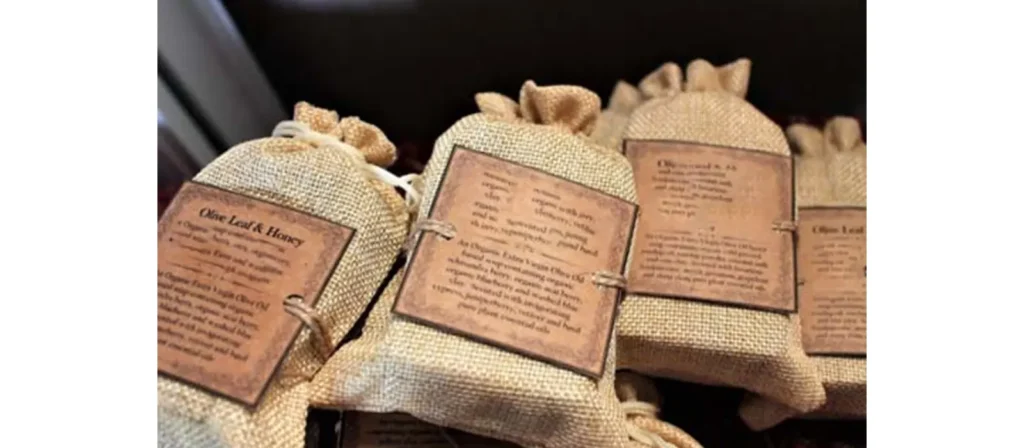
6. Organic Fabrics
Organic fabrics such as cotton, hemp, and jute are being repurposed into reusable, breathable food packaging materials. Often untreated or minimally processed, these fabrics offer sustainable alternatives for wrapping and transporting fresh produce, baked goods, and dry items. Many of these textiles are certified organic and biodegradable.
Application Scenarios:
Organic fabric packaging works best in reusable or niche artisan food environments. Common uses include:
- Bread and baguette bags
- Produce carry bags
- Cheese cloth wraps
- Reusable lunch wraps (often beeswax-infused)
- Refill stations for bulk dry goods
Advantages:
- Washable and reusable, minimizing waste
- Breathable, preventing moisture build-up and mold in certain food types
- Compostable at end of life
- Adds an artisanal or rustic appeal to branding
Disadvantages:
- Not grease- or moisture-resistant unless treated
- Higher production and maintenance costs (washing, replacing)
- Limited barrier protection for perishables or liquids
- Requires a consumer behavior shift for cleaning and reuse
- Potential shrinkage or wear over time, especially with frequent washing.
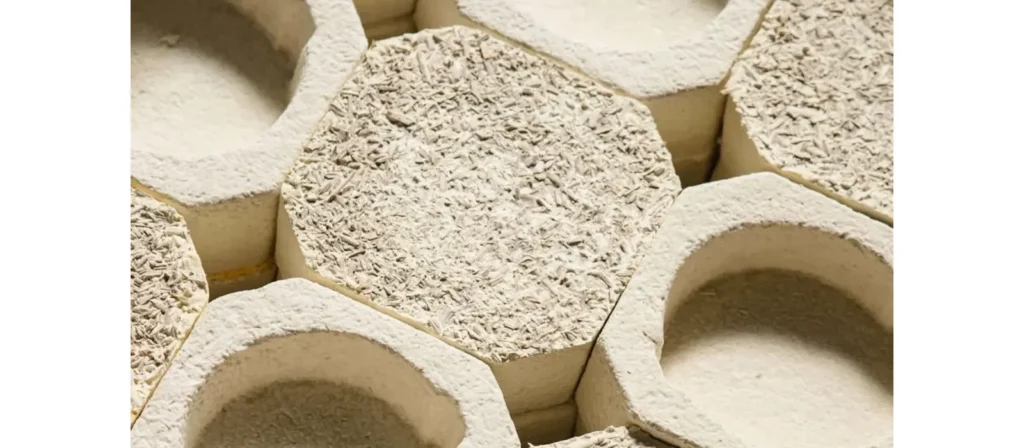
7. Mushroom Packaging Materials
Mushroom packaging is an emerging biomaterial derived from mycelium, the root system of fungi, which is grown using agricultural waste like corn husks or wheat straw. Within 5–7 days, the mycelium grows into molds that form the desired shape, after which it’s heat-treated to halt further growth. The result is a rigid, biodegradable structure with cushioning and insulating properties, increasingly studied for its application in food systems.
Application Scenarios:
Though primarily used in secondary packaging today, advancements are expanding its role in primary food packaging. Current and potential uses include:
- Rigid outer containers for luxury food gift boxes
- Sustainable thermal insulators for cold chain food transport
- Protective inserts for bottled gourmet products (e.g., wine, sauces)
- Future potential: edible bowls and trays for event catering
Advantages:
- Fully compostable at home or in soil within 45–90 days
- Grown using agricultural waste, reducing raw material needs
- Naturally resistant to mold, pests, and moisture during transit
- Offers high-impact protection without synthetic fillers
Disadvantages:
- Not yet certified for direct food contact in many jurisdictions
- Requires controlled growing environments, limiting scalability
- Short shelf life without a proper moisture barrier coating
- Currently, it is more expensive than conventional foam alternatives
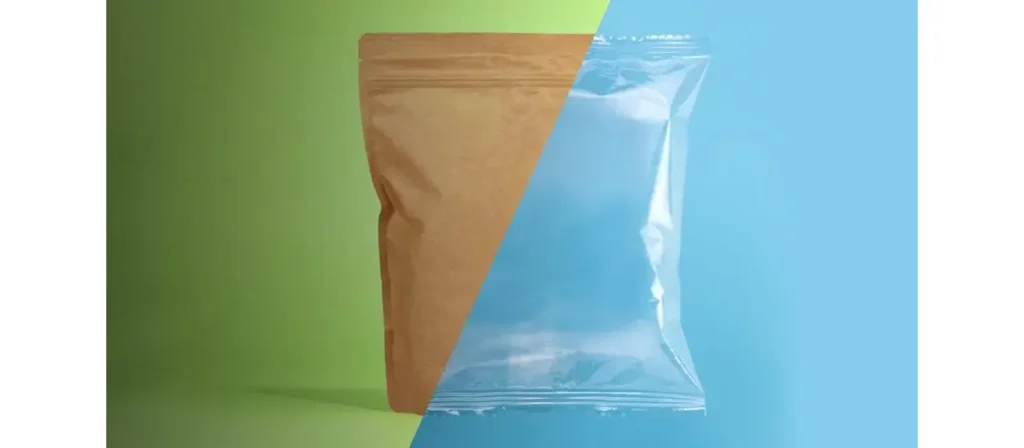
8. Recycled Paper and Plastic Packaging
Recycled packaging uses post-consumer recycled (PCR) or post-industrial recycled (PIR) content, diverting materials from landfill or incineration and reducing the need for virgin resources. In paper formats, PCR fibers are reprocessed into cartons, trays, and sleeves; in plastics, rPET (recycled polyethylene terephthalate) and rHDPE (recycled high-density polyethylene) are common for food-contact applications. Recycled content levels vary depending on regulatory requirements, performance needs, and available supply quality.
Application Scenarios:
These materials serve diverse purposes across the food and beverage supply chain. They are commonly used in:
- Beverage bottles (rPET)
- Frozen meal trays
- Fiber-based takeout boxes
- Foodservice napkins, bags, and containers
- Secondary cartons for product display and shipping
Advantages:
- Supports closed-loop recycling and circular economy models
- Significantly reduces carbon footprint compared to virgin materials
- Widely accepted in existing recycling infrastructures
- Meets regulatory standards for food-safe recycled content in many regions
Disadvantages:
- Quality degrades over multiple recycling cycles (especially paper)
- Not all regions have access to advanced recycling sorting and cleaning
- Potential contamination issues in recycled plastics require strict controls
- Some recycled materials may need virgin content added for structural integrity
9. Seaweed Packaging Materials
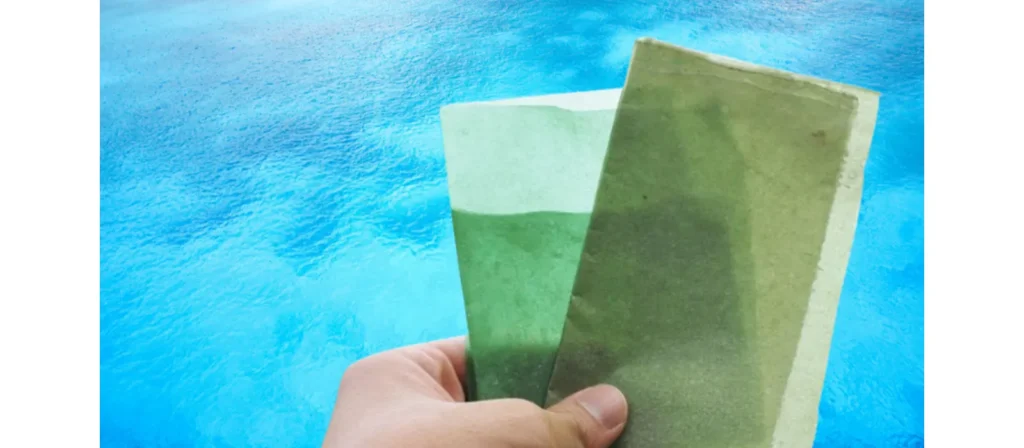
Seaweed packaging, derived from red and brown macroalgae such as Kappaphycus alvarezii, is a marine-based, biodegradable alternative that is fast-growing, carbon-negative, and requires no arable land or freshwater to cultivate. It’s highly renewable, grows without fresh water or fertilizers, and absorbs carbon dioxide during cultivation, making it one of the most sustainable biomass options. Seaweed-based packaging can be designed as single-use edible wraps, dissolvable sachets, or flexible films with good oxygen barrier performance.
Application Scenarios:
Still in the early stages of industrial scale-up, seaweed-based packaging is best suited for lightweight and single-use applications such as:
- Sauce or condiment pods
- Edible water pouches
- Transparent wrappers for dry snack items
- Lining for sandwich boxes
- Specialty gourmet packaging with short shelf lives
Advantages:
- Edible and marine-safe with zero microplastic risk
- Rapidly renewable raw material with minimal ecological impact
- Natural gelling properties aid in forming durable films
- No fertilizers or pesticides required during cultivation
Disadvantages:
- Limited barrier properties against oxygen and water vapor
- Shorter shelf life without preservatives
- Production costs remain high due to low global scale
- Regulatory approval for food contact use is still limited in some regions
10. Cellophane Packaging Materials
True cellophane is a regenerated cellulose film made from sustainably harvested wood pulp. It is naturally biodegradable and, depending on coating type, can be compostable. Unlike plastic films, cellophane is inherently anti-static, has a crisp texture, and offers good oxygen barrier properties. It is often coated with nitrocellulose or PVDC for moisture resistance, extending its applicability to food items.

Application Scenarios:
Cellophane excels in low-moisture food packaging with visual display needs. Ideal for:
- Candy and chocolate wrappers
- Tea bag overwraps
- Artisan baked goods
- Nut and snack pouches
- Pre-packed vegetables or produce
Advantages:
- High transparency and gloss enhance product visibility
- Fully biodegradable under aerobic conditions
- Good barrier properties to gases and oils (when coated)
- Safe for direct food contact
Disadvantages:
- Weak moisture barrier compared to plastic films
- Brittle under low humidity, leading to cracking
- Coatings can affect compostability unless certified
- Shorter shelf life for high-fat or high-moisture foods
11. Cellulose Packaging Materials
Cellulose packaging is made from natural plant fibers, primarily derived from wood or cotton linters, and often resembles plastic film in appearance and function. It is distinct from cellophane in that it can be engineered into a range of semi-rigid or flexible formats. Cellulose packaging materials are biodegradable, breathable, and can be laminated with biopolymer coatings to enhance barrier performance. It is one of the most promising alternatives to plastic in food-safe film applications.

Application Scenarios:
Widely used for short shelf-life or organic food packaging. Common applications include:
- Cheese and deli meat wraps
- Bakery bags with transparent windows
- Dry fruit pouches
- Clear overwraps for boxed foods
- Single-portion snack packaging
Advantages:
- Fully compostable in industrial and some home settings
- Breathable, reducing condensation in food items like cheese
- No toxic emissions during decomposition
- Reduces microplastic risk
Disadvantages:
- Sensitive to humidity and heat
- Requires careful storage and handling
- Limited barrier against water vapor
- Less stretchable than plastic wraps
12. Kraft Paper Packaging Materials
Kraft paper is a durable and biodegradable material produced through the kraft process, which uses wood chips and sodium-based chemicals to yield strong cellulose fibers. Available in bleached or unbleached forms, kraft paper is frequently used as a primary and secondary packaging solution. It can be laminated with plant-based coatings for added barrier properties.

Application Scenarios:
This versatile material is prevalent in casual dining and grocery packaging. Use cases include:
- Sandwich and burger wraps
- Coffee and dry food bags
- Bakery bags and sleeves
- Meal kit outer wraps
- Produce bags
Advantages:
- Strong tensile strength and tear resistance
- Printable with eco-friendly inks
- Fully compostable and recyclable (if uncoated)
- Natural look aligns with organic or eco-friendly branding
- Versatile for both flexible wraps and rigid structural formats.
- Custom-printable for high visual impact
Disadvantages:
- Not grease- or water-resistant without coating
- Laminates can affect recyclability unless they are certified compostable
- Less suitable for long shelf-life products
- Bulkier than plastic equivalents, increasing storage volume
- Coated kraft may face recyclability or compostability challenges depending on the barrier type.
How to Choose the Right Food Packaging Material?
Selecting the optimal solution from today’s Sustainable Food Packaging Materials requires a structured, evidence‑led approach. The goal is to protect product quality and safety while minimizing environmental impact and total cost to serve. For businesses engaged in food production, retail, or wholesale, the decision affects product safety, shelf life, branding, and compliance. The wrong choice can lead to contamination, spoilage, consumer distrust, and financial losses.
Consider Food Type
Different foods impose radically different demands on packaging. Think in terms of the product’s intrinsic properties (moisture, fat, acidity), process conditions (fill temperature, sterilization, freezing), logistics (cold chain vs ambient), and merchandising (display life, transparency needs). The right material starts with the right hazard–barrier match.
Key food-property variables to map
- Moisture activity (aw), free water, and the tendency to stale or sog
- Fat content and oil migration potential
- pH/acidity and salt level (corrosive to certain coatings/metals)
- Aroma intensity and susceptibility to odor pickup
- Sensitivity to light/UV, oxygen, and humidity
- Fill temperature (hot‑fill, retort, HPP, blast freeze)
- Intended heating method (microwave, oven, sous‑vide)
- Portion size and mechanical abuse (on‑the‑go vs in‑home)
Material selection cues by category (illustrative, not exhaustive)
| Food Category | Typical Risks/Needs | Material Directions |
|---|---|---|
| Fresh produce (respiring) | Moisture, dehydration, condensation | Breathable cellulose film, perforated paper, compostable PLA/PHAs with venting |
| Breads & bakery | Staling (moisture loss), oil/grease | Kraft/paper with dispersion coating, cellophane/cellulose, glassine, compostable windows |
| High‑fat snacks & nuts | Oxidation, aroma retention | High‑barrier paper laminates, bio‑based barrier films, rPET jars with oxygen scavengers |
| Acidic/ salty sauces | Corrosion, migration | Glass, lined aluminum, bio‑based or rPET with certified migration limits |
| Hot entrées/ready meals | Heat, grease, reheat convenience | Bagasse clamshells, coated board trays, CPET/rPET trays with compostable lids |
| Frozen meals & desserts | Freeze–thaw, brittleness | Coated paperboard, rPET or HDPE trays, compostable films validated for low temps |
| Beverages (cold) | CO₂/O₂ barrier, clarity | rPET bottles with high PCR, bio‑based caps, aluminum cans for light barrier |
Environmental Impact
Sustainability is no longer optional—it’s a competitive necessity. But the term “eco-friendly” is often misused, so food businesses need to assess the true environmental impact of their packaging. Use comparative Life Cycle Assessment (LCA) data and measure reality against your region’s end‑of‑life infrastructure.
Core impact metrics
- Carbon footprint per functional unit (gCO₂e per pack or per kg food protected)
- Recycled content (% post‑consumer recycled—PCR)
- Material efficiency (packaging‑to‑product ratio)
- End‑of‑life fit (local curbside recycling, composting access, return/reuse loops)
- Recyclability or compostability certifications (e.g., APR, OPRL guidance, EN 13432, ASTM D6400)
- Mono‑material design score (ease of disassembly, label/adhesive compatibility)
Decision rules of thumb
- Prefer mono‑material structures (easier to recycle) over multi‑laminates when barrier needs allow.
- Prefer PCR‑rich rPET/rHDPE and recycled fiber where food safety permits.
- Where recycling access is weak but commercial composting is strong, consider certified compostables—paired with on‑pack disposal guidance and collection partners.
- Avoid “wish‑cycling”: if a material isn’t accepted locally at scale, treat it as residual waste in your LCA.
Shelf Life
Packaging plays a direct role in determining the shelf life of food. Freshness, flavor, texture, and color can all degrade if the packaging material allows for oxidation, moisture migration, or microbial growth.
Different foods demand different barrier properties:
- Oxygen barrier: critical for preserving meats, oils, and baked goods.
- Moisture barrier: essential for items like crackers or dried fruit.
- Light barrier: important for dairy and products with light-sensitive nutrients.
- Breathability: desirable for fresh produce or baked goods prone to condensation.
Food Safety
Compliance with food contact regulations is mandatory. Packaging must not transfer harmful substances to food, and must be able to withstand expected storage, transport, and usage conditions.
Compliance considerations
- Comply with applicable food contact regulations (e.g., FDA 21 CFR, EU Framework Regulation, regional positive lists).
- Verify overall and specific migration under worst‑case use conditions (time/temperature, food simulants).
- Specify low‑migration inks/adhesives, set‑off controls, and GMP for printing/converting.
- Avoid or tightly control substances of concern (e.g., PFAS in grease‑resistant papers, mineral oil hydrocarbons, heavy metals).
- Validate thermal performance for intended use (microwave/oven safe) and mechanical integrity (no delamination, brittle fracture at low temps).
- Implement HACCP around packaging handling: cleanroom specs, pest control, traceability.
Brand and Convenience
Packaging is also your brand ambassador. It’s often the first physical interaction a customer has with your product. Sustainable food packaging materials, when chosen wisely, can enhance brand perception and customer satisfaction.
Key considerations:
- Does the design reflect your sustainability values?
- Is the packaging easy to open, reseal, or reuse?
- Can your customers dispose of it easily and correctly?
- Is it printable for logos, QR codes, or storytelling?
Modern consumers are attracted to brands that align convenience with responsibility. A compostable salad bowl that looks beautiful, stacks efficiently, and carries your logo is more than packaging—it’s a marketing tool.
Future Trends in Sustainable Food Packaging Materials
The food packaging industry is rapidly evolving. Innovations are emerging not only in materials, but in the systems surrounding them. Understanding these trends helps businesses future-proof their packaging strategy and remain competitive.
1. Edible Packaging Technology
Advancements in edible films made from milk proteins, seaweed, or potato starch allow consumers to consume both food and packaging. While still niche, this trend is set to grow, especially in single-serve and novelty markets.
2. Smart and Active Packaging
Materials embedded with sensors that detect spoilage, temperature changes, or freshness levels are making packaging more interactive and data-driven. When paired with biodegradable materials, they offer an end-to-end innovation.
3. Mono-Material Structures
To improve recyclability, brands are shifting toward mono-material laminates that eliminate mixed polymer layers. PE/PE or PP/PP structures with functional coatings are gaining traction as alternatives to complex multi-laminates.
4. Refill and Reuse Models
Brands are exploring reusable containers for staple goods via returnable systems in both retail and direct-to-consumer models. Refill stations and subscription-based packaging models are expanding in urban centers.
5. Regulatory Acceleration
Expect increased legislation banning non-recyclable plastic packaging, mandating compostable labeling, and penalizing greenwashing. Early adopters of certified sustainable packaging will have a compliance advantage.
FAQs
- How do Sustainable Food Packaging Materials affect shelf life?
With proper barrier design—using coatings, laminations, or mono-material films engineered for oxygen and moisture resistance—shelf life can match conventional packaging. The key is to match material properties to the product’s sensitivity rather than relying on a single “green” solution for all items. - Are compostable packages always better than recyclable ones?
Not always. Compostable formats make sense where food contamination is high and organics collection is available. Recyclable mono-materials can be preferable where strong recycling infrastructure exists. Select based on local systems and product contamination risk. - Can recycled plastics be used in direct food contact?
Yes, in many regions certain recycled plastics (like rPET and rHDPE) can be approved for food contact when sourced and processed under strict protocols. Work with suppliers who provide declarations of compliance and traceability. - Will switching to Sustainable Food Packaging Materials increase costs?
Unit costs can be higher, but the total cost of ownership may decrease via right-weighting, reduced damage, improved pallet efficiency, and stronger brand preference. Many brands offset material premiums with design optimization and volume commitments. - How do I prevent greenwashing in my packaging claims?
Use certified standards (for compostability or recycled content), disclose percentages, specify whether compostability is industrial or home, and provide clear disposal instructions. Avoid vague terms like “eco-friendly” without evidence. - What are the most common types of sustainable food packaging materials?
Compostable plastics, paper-based products, bioplastics, mushroom packaging, and cellulose-based wraps are among the most widely used materials. - How can I identify if packaging is truly sustainable?
Check for certifications like OK Compost, FSC, or BPI. Look at the material’s origin (plant-based, recycled, etc.) and whether it is biodegradable, compostable, or recyclable. - Can sustainable packaging be customized for branding?
Yes. Most eco-friendly materials can be printed or embossed using sustainable inks and dyes, helping your brand stand out responsibly.
Conclusion
Sustainable food packaging materials are a strategic lever for improving environmental performance, brand trust, and operational resilience. As global demand for eco-friendly alternatives continues to grow, food businesses, retailers, and consumers must adapt to smarter, cleaner, and more environmentally friendly packaging options. By incorporating product realities and local end-of-life infrastructure into your decisions, you can choose packaging that protects your food, meets customer needs, and supports a circular economy. Today’s wide range of solutions makes it easier than ever to reduce your environmental footprint without compromising functionality.
The transition may seem challenging, but the benefits—compliance, customer loyalty, brand elevation, and long-term savings—far outweigh the costs. By understanding the options and choosing materials aligned with your brand and operational needs, you contribute not only to a cleaner planet but to a more resilient and forward-thinking business.