What is Wheat Straw Plastic?
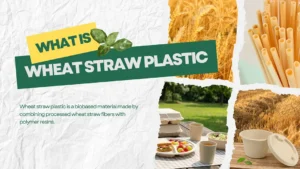
Wheat straw plastic is a biobased material made by combining processed wheat straw fibers with polymer resins. These stalks, normally discarded or burned, are processed
Explore expert-driven insights, regulations, and material knowledge across the food packaging industry—from sustainable materials and plastic bans to PFAS-free standards and custom printing trends—helping brands make informed packaging decisions.

Wheat straw plastic is a biobased material made by combining processed wheat straw fibers with polymer resins. These stalks, normally discarded or burned, are processed

Embossing and debossing are more than decorative touches. These techniques shape how people perceive a product or brand by adding texture and depth to print materials. This guide explains the key differences between embossing and debossing, breaks down popular methods like foil and multi-level options, and shows how they enhance both visual appeal and tactile experience.

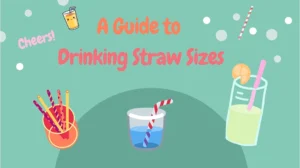
This article points out that drinking straw sizes directly shape the beverage experience. It explains how diameter, length, and material affect flow and comfort, introduces standard size charts, and provides guidance for drinks with thicker textures or solids like fruit pulp or tapioca pearls. The article also highlights specialty and eco friendly options and shows how businesses can match straw dimensions to their drink menu. With clear principles and practical tips, readers can confidently choose the right straw for any drink.

Selecting the correct paper plate size is more than just a detail. It plays a key role in food presentation, portion control, and overall customer satisfaction. This guide covers standard disposable paper plate sizes, explains which sizes are best suited for different food types, and offers practical tips based on material, food characteristics, and specific use cases.

This guide covers everything you need to know about UV printing. It explains how the technology works, the core components, different printing types, compatible materials, and ink options. It also outlines the major advantages and limitations, real-world industry applications, and practical FAQs to help you decide if UV printing is the right fit for your business or project.

This article introduces Functional Coating for Food Packaging and explains how extrusion coating improves moisture resistance, grease control, and structural strength. It outlines key materials such as PE, PLA, and PBAT, and highlights their roles in hot, chilled, and compostable food packaging. The article also summarizes performance benefits, sustainability considerations, and major application areas.

This article explores how window patching adds value to food packaging by combining visibility, functionality, and brand impact. It outlines what makes the technique effective and why it’s widely adopted across different product categories in today’s competitive market.

This comprehensive guide explores flexographic printing, covering its process, key components, material compatibility, advantages and disadvantages, industry applications, and latest technological advances. It offers practical insights for businesses seeking efficient, high-volume packaging solutions.

Per- and polyfluoroalkyl substances (PFAS) are a class of synthetic chemicals found in everyday products such as nonstick cookware, waterproof clothing, and even drinking water. “PFAS-free” means the product does not contain these harmful substances. This article will explain in detail what is PFAS free, from filtering drinking water to choosing the right products, helping you make smarter and safer choices. Furthermore, we will cover the most common types of PFAS and the measures taken by various industries and governments to address this issue.

In the world of product packaging, choosing between single wall and double wall cups can affect everything from cost to customer experience. Each type serves a different purpose, especially when dealing with hot contents or branded packaging. This guide unpacks the practical differences so you can make informed decisions. Whether you’re serving takeout, offering samples, or looking for cost-effective options, understanding these cup types helps you align packaging choices with your business goals.
Upgrade to sustainable and functional packaging. Contact us today for a tailored recommendation.
We ensure that all our sourcing and production processes strictly follow the European Union Deforestation Regulation. By choosing us, you can trust that your packaging is fully traceable, responsibly made, and aligned with the highest environmental standards.
Million Pack is a leading manufacturer of sustainable food-service packaging since 2009. We help restaurants, cafés, and food brands worldwide cut plastic waste with eco-friendly, customizable paper solutions—from cups and lids to bowls, trays, and takeaway boxes.
Our factory unites design, printing, and production under one roof for fast delivery and reliable quality. We support private-label and OEM/ODM projects, helping you build a stronger brand through packaging that’s green, practical, and beautifully made.
Chat With Us