Water-Based Coating Technology in Paper Food Packaging
This article explains what Water-Based Coating is in paper food packaging and how it works at a practical level. You’ll learn what it’s made of, how it forms a protective barrier on paper, what it can realistically handle in real-world use, and where it makes sense compared with PE or PLA coatings. It also walks through the typical production flow, plus the key considerations that buyers, converters, and packaging teams use when selecting coating technology for food-contact products.
Top 15 USA Paper Cups Manufacturers for Importers
This article provides importers with a clear, market-oriented overview of the top 15 paper cup manufacturers in the United States, focusing on the most critical factors in cross-border trade. It highlights each manufacturer’s core strengths, product focus, and suitability for different types of importers. This list covers the major paper cup manufacturers in the US, helping you quickly find partners worth contacting to discuss pricing, request samples, and establish long-term collaborations.
Top 10 USA Food Packaging Manufacturers for Scalable Supply
The U.S. market is home to a wide range of food packaging manufacturers, but not all are equipped to support scalable supply. For brands operating across multiple locations or planning volume growth, the difference between suppliers often becomes visible only after demand increases. This article focuses on manufacturers that are commonly evaluated for their ability […]
Different Types of Cup Lids: Common Materials and Functional Designs
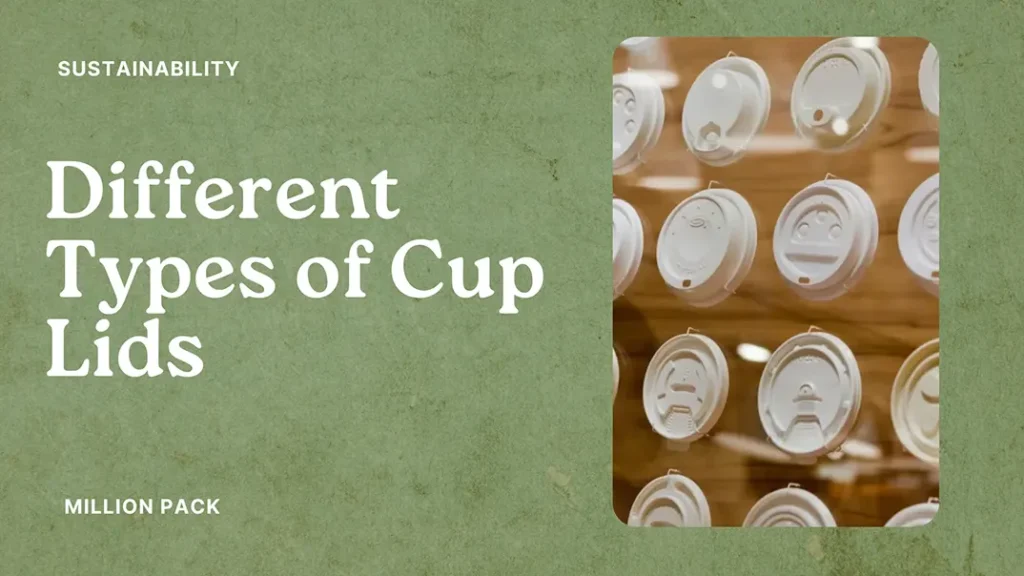
Understanding the various types of cup lids is key for both businesses and consumers. From plastic to paper, flat to dome-shaped, each lid serves a specific purpose. By understanding the materials and their practical uses, readers can make more informed decisions when selecting cup lids for coffee shops, takeout services, and disposable packaging applications.
Why Zero Waste Packaging Is A Sustainable Solution?
Zero waste packaging helps brands reduce waste at the source through smarter materials, reuse models, and better end of life planning for a cleaner supply chain. This article explores the principles, benefits, and real-world applications of zero-waste packaging, offering a clear path for businesses seeking to improve their sustainability efforts while meeting growing consumer demand for eco-conscious products.
FDA Regulations and Compliance: Ensuring Safe and Legal Food Packaging
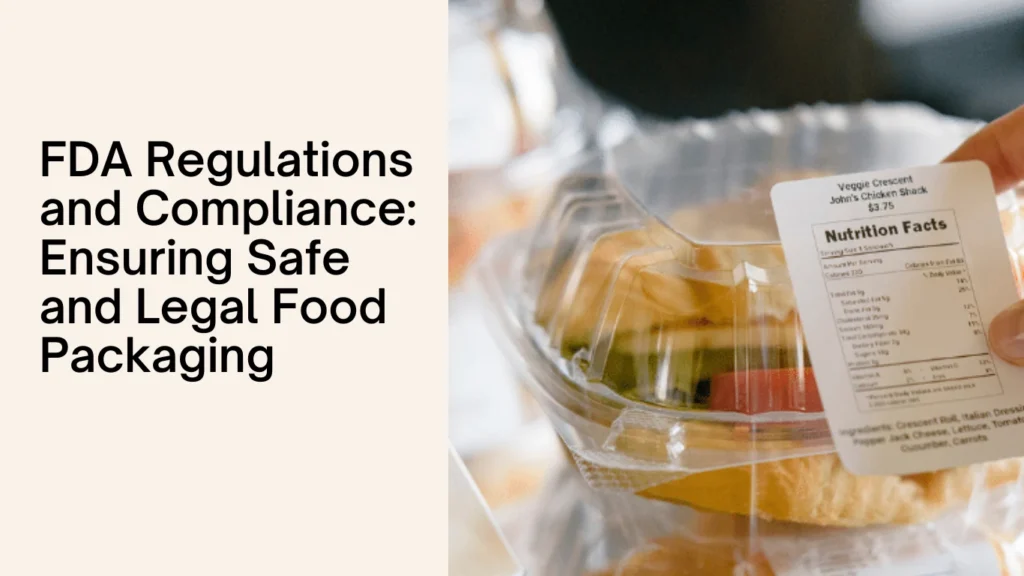
This article explains how FDA regulations apply to food packaging in the U.S., focusing on food contact substances, material safety, and approval pathways such as FCN, GRAS, and TOR. It outlines the FDA’s regulatory scope, substance-based compliance logic, and key requirements for legally marketing food packaging materials.
Comprehensive Pizza Box Sizes Guide
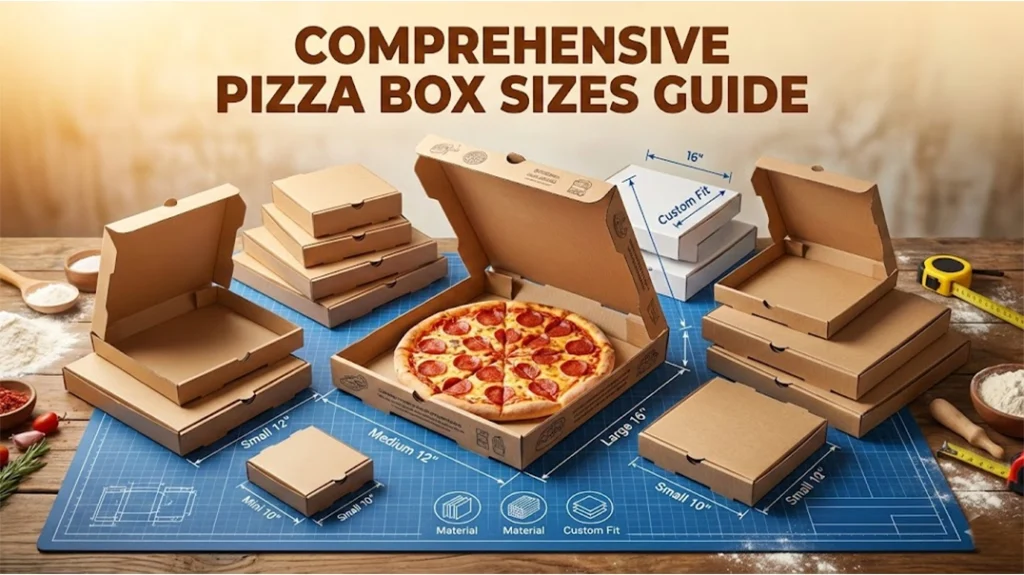
Mastering Pizza Box Sizes is essential for delivering quality food. This guide breaks down standard dimensions, material benefits, and regional variations to help businesses choose the perfect fit. Learn how the right packaging optimizes heat retention, reduces costs, and improves brand presentation for dine-in, takeout, and global delivery operations.
Sustainable Packaging What Every Business Should Know
This article explains what sustainable packaging is, its principles, eco-friendly materials, and the environmental and economic benefits. It also explores emerging trends that will shape the future of packaging innovation and regulations.
What is PLA for Cups, Straws, and Boxes?
PLA, or polylactic acid, is a biodegradable, bio-based plastic made from renewable crops. This article explores what PLA is, how it’s produced, and why it’s becoming the go-to material in sustainable food packaging such as cups, straws, boxes, and trays.
Wooden Cutlery Vs Plastic Cutlery: Which Is Better for You

When choosing between wooden and plastic cutlery, factors like sustainability, durability, safety, and appearance all play a role. This article compares the two in depth, helping readers understand their differences and guiding them toward the best option for their personal or business use.